
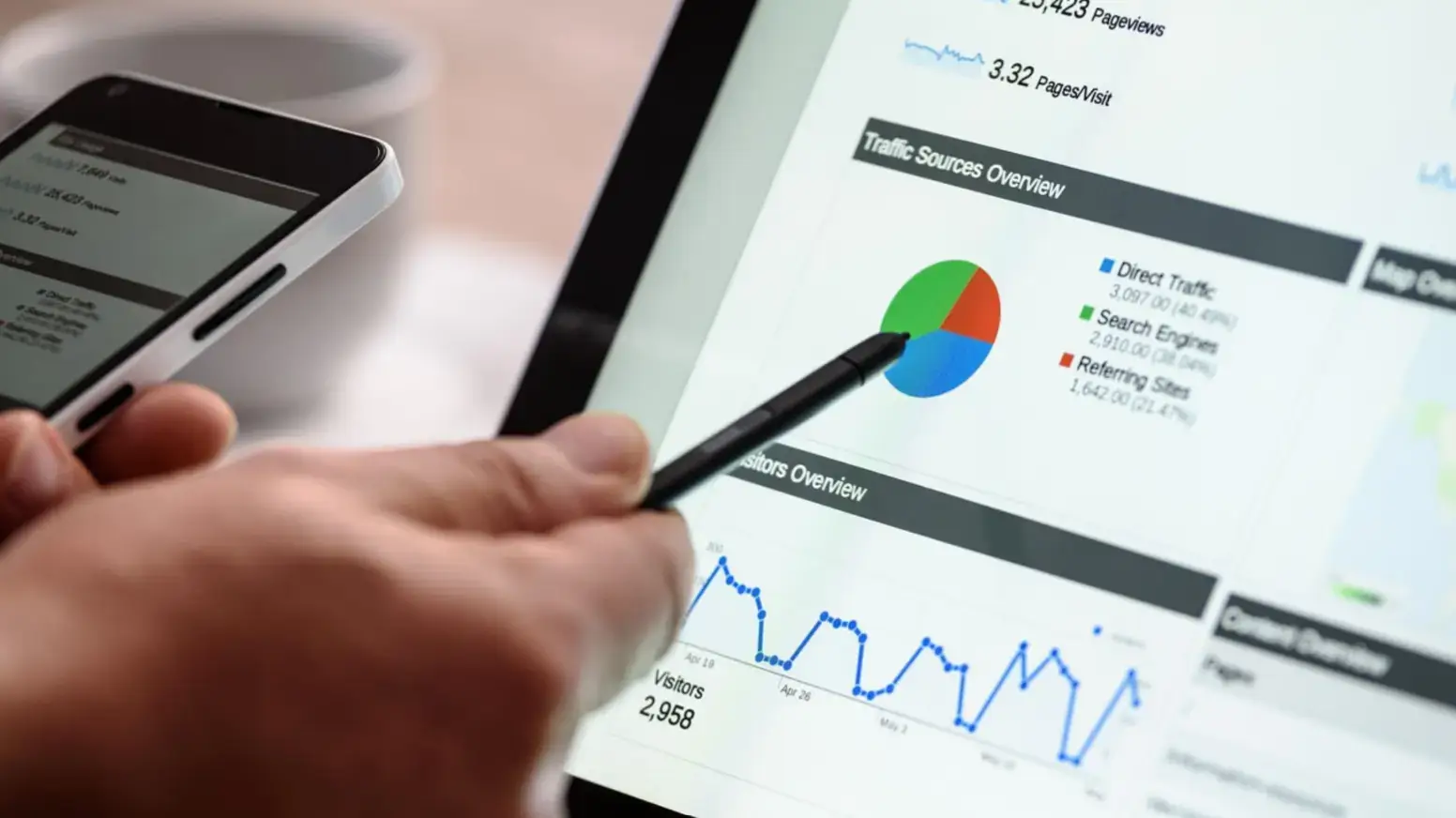
You didn't start a small business to spend your evenings writing follow-up emails. Or refreshing your inbox, waiting for customer queries. Or manually scheduling three weeks of social posts on a Sunday afternoon.
But here we are.
Here's the thing, though: the gap between how small businesses used to handle marketing and support - and how the smart ones handle it now - has never been wider. And it's not about budget. It's about knowing which tools to use and exactly where to plug them in.
So let's get into it. This guide covers the most practical, real-world ways your small business can start using AI to automate marketing and customer support - without needing a developer on speed dial or an enterprise tech budget.
Why AI Automation Matters for Small Businesses in 2026
Before we dive into tactics, let's look at the landscape. Because the data makes a very strong case for moving quickly.
AI adoption among small businesses has nearly doubled in 12 months.
The ROI numbers are equally striking. On average, companies make $5.44 for every $1 spent on marketing automation - a 544% return over three years. And 76% of businesses see ROI within the first year.
Meanwhile, AI-driven marketing campaigns deliver 22% higher ROI than traditional approaches, with 32% more conversions and 29% lower customer acquisition costs.
For small business owners handling everything themselves, these aren't just statistics. They represent hours reclaimed, stress reduced, and growth that becomes actually possible.
Where AI Delivers the Biggest Impact: Marketing and Customer Support
When we talk to small business owners about where AI makes the biggest practical difference, two areas consistently come up first: marketing and customer support. That's not a coincidence.
Marketing is repetitive, time-sensitive, and content-hungry. Customer support is reactive, round-the-clock, and emotionally demanding. Both eat up enormous amounts of time - and both are highly automatable with the right tools in place.
Let's tackle each one.
How Small Businesses Can Automate Marketing with AI
Use AI to Generate Marketing Content Faster
Content creation is the biggest daily time sink for most small business owners.
Writing product descriptions, blog posts, email newsletters, and social captions - it adds up fast. And staring at a blank screen is genuinely one of the most demoralizing parts of running a solo or small-team operation.
This is where AI writing tools genuinely shine. 93% of marketers reported that AI accelerated content creation in 2025, with a 1,500-word blog post taking 8–10 hours to write, dropping to under 2 hours.
Similarly, marketing teams using AI for content report 60% faster editing processes and a 30% improvement in SEO rankings.
The smart approach isn't to publish raw AI output. It's to use AI for the heavy lifting - the first draft, the structural outline, the headline options - and then bring your voice, your expertise, and your business personality to the final version.
Quick tip: Give AI tools detailed context about your audience, your tone, and what makes your business different before asking them to generate anything. Garbage in, garbage out - but good context in, genuinely useful content out.
Automate Email Marketing Campaigns
Email remains the highest-ROI marketing channel available, generating $36 for every $1 spent - a 3,600% return. And AI makes that ROI even more achievable by automating the parts that used to require constant manual effort.
With AI-powered email tools, you can:
- Set up welcome sequences that automatically trigger when someone joins your list.
- Build abandoned cart flows that recover sales you'd otherwise lose.
- Personalize emails at scale based on purchase history, behavior, and preferences.
- Optimize send times automatically based on when individual subscribers actually open emails.
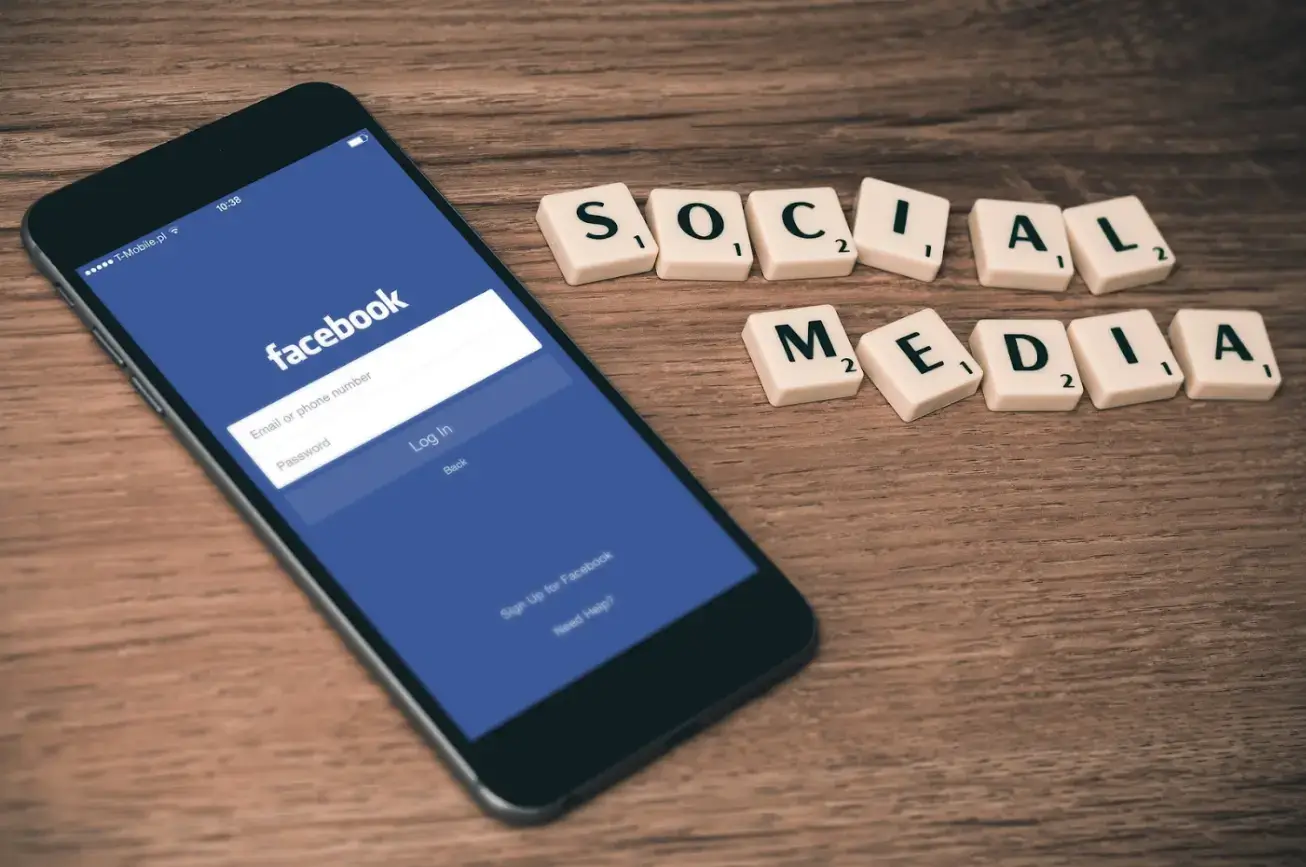
Automate Social Media Scheduling and Content Repurposing
Source: Pixabay
Consistency on social media is critical - but manually posting every day is exhausting and unsustainable for small teams.
AI-powered scheduling tools solve this problem by letting you batch-create and auto-publish content across platforms on a set schedule.
Beyond scheduling, AI tools can now automatically repurpose content. A single blog post can become five social captions. A customer review can become an Instagram graphic.
A product FAQ can become a short video script. Rather than creating from scratch every time, you're amplifying content you've already made - which is a much smarter use of your time.
Around 72% of global organizations now use AI specifically for content creation, and small businesses in the marketing and tech sectors are catching up fast.
Getting started with even one scheduling tool dramatically reduces the daily mental load of "what do I post today?"
How AI Can Automate Customer Support for Small Businesses
Deploy AI Chatbots for 24/7 Customer Support
Here's a brutal reality of small business customer support: most customers don't contact you during your business hours.
They browse your site at 11 pm. They have a question on Saturday morning. They want a refund processed while you're on a call with another customer.
AI-powered first response times have dropped from over 6 hours to under 4 minutes, and customer satisfaction scores have climbed from 89% to 99% in documented deployments.
Furthermore, 62% of customers now prefer to engage with chatbots rather than wait for human agents for basic queries. They don't want to wait. They want answers now. And a well-configured chatbot delivers exactly that.
For small businesses, the best starting point is automating your top 20 most common questions. This alone typically handles 40–60% of your incoming support volume, dramatically reducing the burden on you or your team.
Use AI to Route and Prioritize Support Requests
Not all customer queries are equal. A billing dispute needs a different response than a product question.
An angry customer needs different handling than a curious prospect. AI routing tools learn to recognize these differences and automatically direct each query to the right response.
For small teams, this is hugely valuable. Instead of triaging your inbox manually, AI does the sorting for you, flagging urgent issues and routing routine ones to automated responses.
Additionally, AI agents in contact centers have cut cost per interaction by 50% while simultaneously increasing customer satisfaction scores. For a small business, that means more queries handled, lower costs, and happier customers - all at once.
Automate Customer Follow-Ups and Relationship Building
Customer relationships don't end at the point of purchase. But following up manually with every customer after every interaction is genuinely impossible for a small team. AI automates this beautifully.
You can set up workflows that automatically send:
- Post-purchase thank-you messages with product tips.
- Review requests timed for when customers are most likely to respond positively.
- Win-back emails for customers who haven't returned in a set period.
- Satisfaction check-ins after support interactions are resolved.
Best AI Tools for Small Business Marketing and Support

Source: Pixabay
Now let's talk about tools. Amy Kilpatrick, Chief Marketing Officer at ActiveCampaign, suggests that “Marketing is where AI really shines because it amplifies human creativity rather than replacing it.”
Here's a practical listicle of platforms that work especially well for small businesses in 2026. These are chosen for accessibility, affordability, and proven impact.
1. Glean for Retail and Small Business Knowledge Management
Most AI tools are only as useful as the information they can access. And for most small businesses, critical information - product details, customer history, policy documents, past conversations - is scattered across a dozen different apps.
Glean is designed to work for non-technical teams. You don't need a developer to set it up or a data scientist to maintain it. If your team can use a search bar, they can use Glean, making it genuinely usable for small businesses that need it most.
2. Mailchimp with AI Email Marketing Features
Mailchimp remains one of the most accessible email marketing platforms for small businesses, and its AI-powered features have matured significantly.
It now offers AI-generated subject lines and email copy, predictive send-time optimization, and automated journey builders that trigger based on customer behavior.
The free tier is genuinely useful for early-stage businesses, and the learning curve is manageable for non-technical users.
3. Tidio for AI Chatbots and Live Chat
Tidio is a solid entry-level AI chatbot and live chat platform built specifically for small businesses and e-commerce.
Its AI agent, Lyro, handles customer queries conversationally, escalates to a human agent when needed, and integrates seamlessly with Shopify, WooCommerce, and other popular small-business platforms.
Pricing starts at an accessible level, and the setup time is measured in hours rather than weeks.
4. Buffer with AI Social Media Assistant
Buffer's scheduling platform now includes an AI assistant that helps generate post ideas, write captions, and adapt content for different platforms - all within the same interface where you schedule.
For small businesses managing social media without a dedicated team, the combination of AI-generated content and scheduling in a single tool eliminates significant workflow friction.
5. Zapier for AI-Powered Workflow Automation
Zapier has long been the glue that connects apps for small businesses.
Now, with AI-powered steps built into its workflows, you can trigger automated actions that include AI processing - like generating a personalized follow-up email when a form is submitted, or summarizing a customer feedback entry and routing it to the right team member.
For small businesses building their first automated workflows, Zapier's no-code interface makes complex automations genuinely achievable.
A Practical 30-Day Plan to Start Using AI in Your Business

Source: Pixabay
Getting started doesn't require a complete overhaul. Here's a realistic 30-day framework for small businesses dipping their toes in.
Week 1: Identify Your Biggest Time Drain
Identify your single biggest time drain in either marketing or support. Pick the tool that addresses it most directly. Don't try to solve everything at once.
Week 2: Set Up Your First AI Tool
Install your chosen tool. Build your knowledge base if it's a support tool. Write a content brief if it's a marketing tool. Invest the setup time upfront - it pays dividends later.
Week 3: Run a Live Automation Pilot
Let the tool handle real interactions or produce real content. Watch it closely. Note what's working and what needs adjustment.
Week 4: Measure Results and Optimize
Compare your key metrics to where you started. Adjust your setup based on what you learned. Then, consider adding a second tool or expanding the scope.
The businesses seeing the strongest results from AI automation aren't the ones that deployed everything at once. They're the ones who started focused, measured carefully, and expanded from proven wins.
Final Thoughts: Start Small and Scale AI Automation
AI automation for marketing and support isn't a luxury for big businesses with big budgets anymore. It's a practical, accessible, proven strategy for any small business willing to invest a bit of time in upfront setup.
The tools are ready. The evidence is compelling. And the gap between businesses that use AI and those that don't is widening every month.
So don't wait for the perfect moment. The perfect moment was about 18 months ago. The second best time is right now - starting with one tool, one workflow, and one clear metric to tell you whether it's working.
From there, everything gets easier.
FAQ: AI Automation for Small Businesses
1. Is AI really affordable enough for a small business?
Yes. Most AI tools for marketing and support offer free tiers or starter plans between $20 and $100 per month. And the ROI makes even paid plans easy to justify. Companies generate an average of $5.44 for every $1 spent on marketing automation, with 76% seeing that return within the first year. The higher cost today isn't the tools. It's the time lost by not using them.
2. Will AI make our customer interactions feel robotic and impersonal?
Only if you set it up that way. The best AI deployments handle volume - routine questions, after-hours queries, repeat requests - so your team can focus on interactions that need real empathy. 64% of consumers say they'll trust AI-driven support only if it feels human. Train your AI on your actual brand voice, set clear escalation rules, and keep humans involved where it matters most. The AI handles the process. Your team handles the relationship.
3. Do we need technical skills to set up AI tools?
Rarely. Most small-business-focused AI platforms are built for non-technical users. A basic support chatbot can go live in a few hours. An automated email sequence can be configured in an afternoon. If you can use a Google Doc, you can set up most of the tools on this list. The key is starting with one workflow, getting it right, and expanding from there - not trying to automate everything on day one.
4. What's the biggest mistake to avoid when starting with AI?
Automating before you have a clear strategy. AI amplifies whatever direction you're already heading in - so if your messaging is unclear, you'll just send unclear messages faster. Before plugging in any tool, get specific: what problem are you solving, what does success look like in 30 days, and who owns the results? That discipline-strategy-first approach is what separates businesses seeing real ROI from those sitting on subscriptions they barely use.

Author Bio
Aneta Pejchinoska is a B2B content writer passionate about turning complex tech topics into content people actually want to read. She combines SEO strategy, storytelling, and performance marketing to help companies grow their visibility and authority.
LinkedIn profile - https://www.linkedin.com/in/aneta-pejchin/