

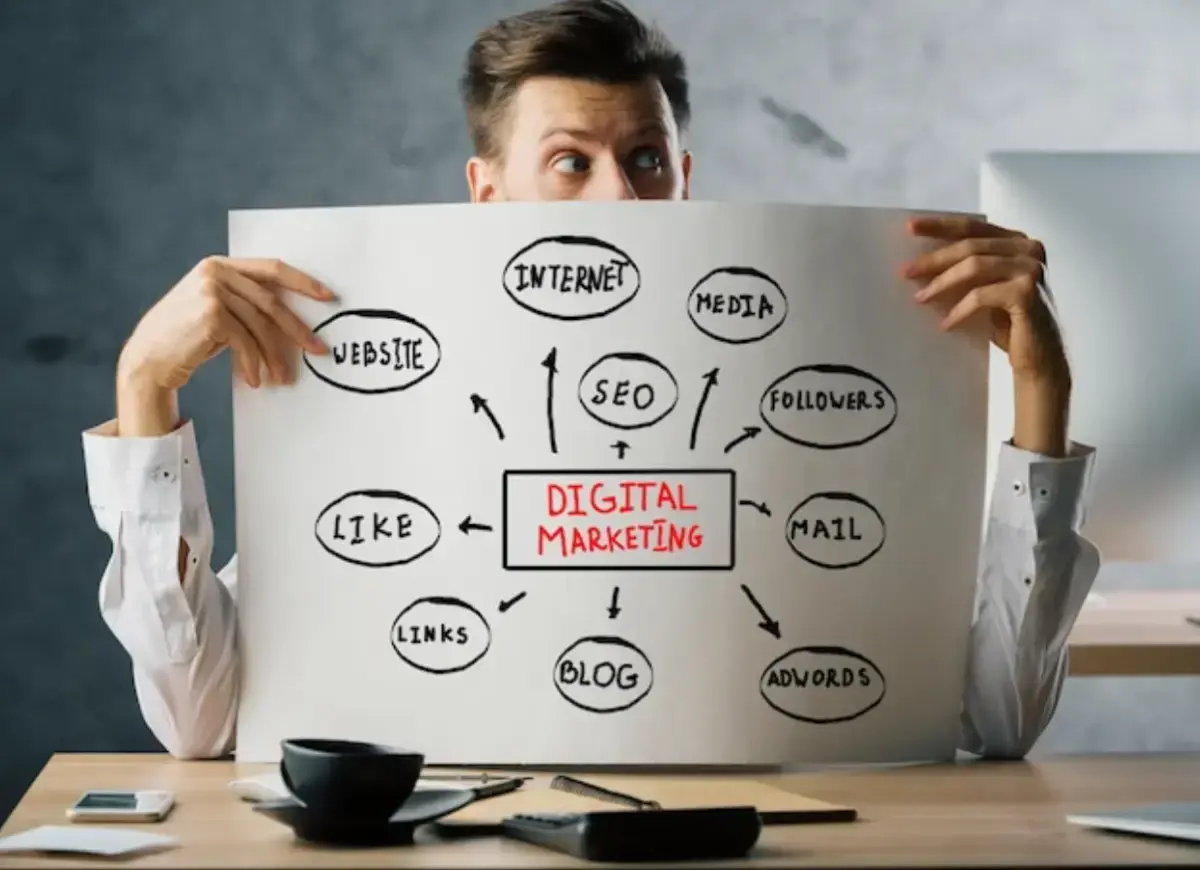
The 2025 digital marketing landscape is more advanced and nimble than it ever was. Breakneck strides in artificial intelligence, tighter privacy regulations, and shifting consumer attitudes are reshaping the business landscape.
Businesses that don't jump will get left behind, but companies that take the leap will thrive in an increasingly connected, experience-driven market.
Following are the most relevant trends that are revolutionizing digital marketing in 2025 and how your business can utilize them to remain at the forefront.
Source: Freepik
1. AI-Based Personalization Is Reshaping Customer Engagement
Why Now Matters:
AI is no longer new, but it is the foundational force behind personalized digital connections.
From personalized emails to dynamic site content, AI is reshaping how brands interact with human beings.
Tools to Implement AI Personalization
- Adobe Sensei
- ChatGPT Enterprise
- Persado
- Dynamic Yield
Quick Start Strategy
- Segment Web shoppers and browsers based on web browsing and shopping behavior.
- Use AI-driven recommendation engines to drive the most conversions.
- Automate email subject lines and body copy for everyone.
“The future of marketing is not about being louder—it’s about being smarter. AI empowers us to truly understand what customers want, sometimes even before they do.” — Paul Roetzer, Founder of Marketing AI Institute
2. Voice and Image Search Are Redefining the SEO Game

Source: Freepik
The Shift to Multimodal Search
Customers are increasingly reliant on voice searches and image recognition to find products and content.
Technologies like Google Lens, Siri, and Alexa are setting new standards for discoverability. Companies must rebrand SEO so that they can accept natural language and visual information to keep pace.
Optimization Checklist
- Speak naturally, query-like keywords that look like real user queries.
- Utilize long alt text and long file names for image tagging.
- Implement schema markup to access more content visibility within the search engines.
3. Short-Video and Livestream Shopping Dominate Content Strategy
Why Video Reigns in 2025
Video content is still the largest influencer of digital engagement in 2025.
TikTok, YouTube Shorts, and Instagram Reels are taking center stage, especially among younger generations.
Furthermore, shopping through livestream is influencing real-time buying decisions, especially in fashion, beauty, and technology.
Brand Strategies to Succeed
- Grab viewers' attention in three seconds.
- Use mobile-optimized vertical formats.
- Include text overlays and captions for the sake of accessibility.
- Stream live regularly to demo products and respond to questions in real-time.
4. Privacy-First Marketing Starts with First-Party Data
The Cookie-Free Future
As third-party cookies will soon be phased out by the end of 2025, businesses must transition toward gathering and utilizing first-party and zero-party data.
Apart from staying safe from legal issues because of privacy policies, doing so also builds trust among watchers by being transparent.
Actionable Steps for Compliance and Growth
- Create good-quality gated content to gather user data organically.
- Utilize Customer Data Platforms (CDPs) to unify and enrich the data collected.
- Be GDPR and CCPA compliant with consent-based data practices.
5. Social Commerce Is Revolutionizing the Purchase Experience
Source: Freepik
Shopping Happens in the Feed
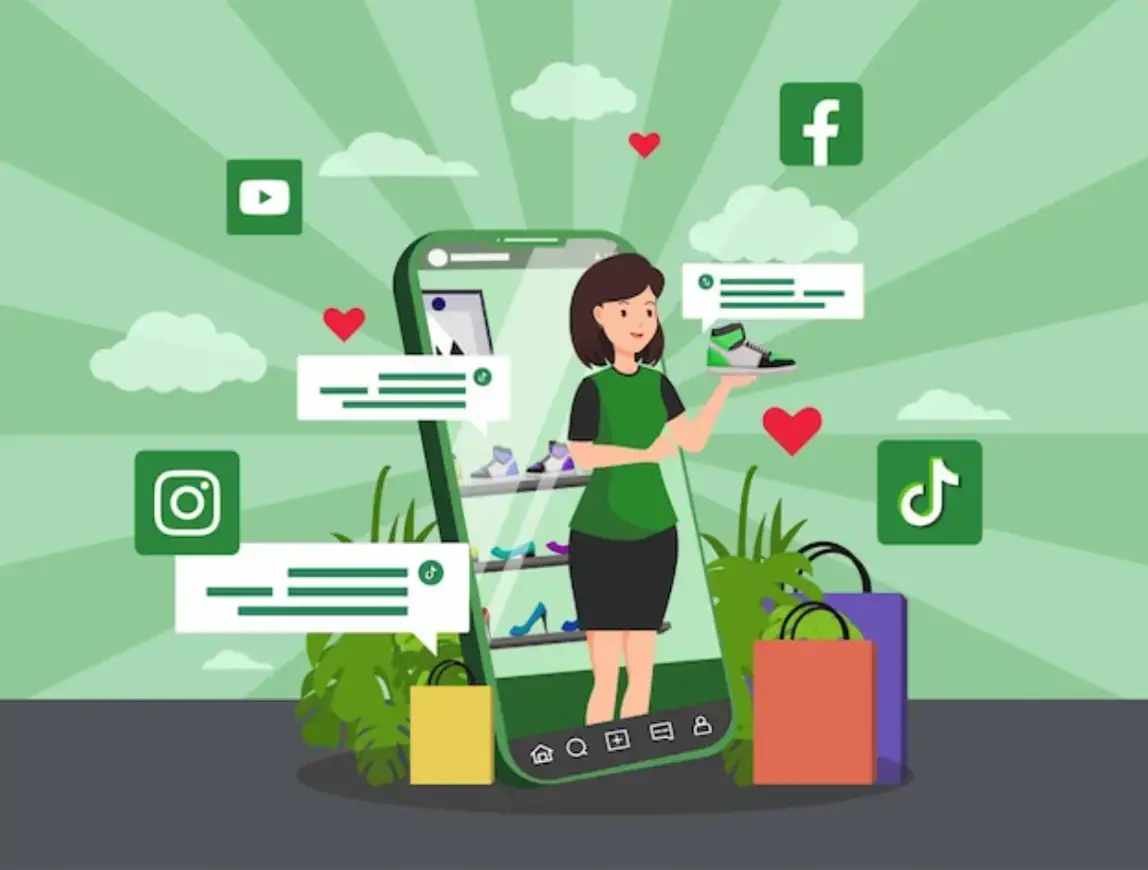
Social media is no longer an afterthought for brand exposure; it's becoming a frictionless shopping destination.
Social apps Instagram, TikTok, and YouTube now feature native support for end-to-end in-app product discovery and checkout with less friction and inciting impulse purchases.
Maximizing Social Commerce Impact
- Enable native features like Instagram Shopping and TikTok Shopping Tabs in real-time.
- Collaborate with micro-influencers to release shoppable, native content.
- Add direct buy links and "Add to Cart" to video streams.
6. Conversational Marketing Through AI Chatbots
Real-Time Engagement at Scale
Virtual assistants and AI chatbots are becoming standard in customer care today, enabling brands to respond in real time to questions and support users along the way.
Such technologies improve loyalty and satisfaction by accelerating conversations that are customized.
Chatbot Deployment Hints
- Deploy chatbots on high-traffic pages to generate leads.
- Integrate chat tools into your CRM to convert dialogues into context-aware conversations. For instance, complementing chatbots with tools like AI Phone Calls can enhance engagement by automating personalized voice-based follow-ups, nurturing leads with a human-like touch directly from your CRM.
- Implement fast-reply buttons and build flows to facilitate simple interaction.
7. Ethical Branding and Sustainability Drive Consumer Loyalty
The Rise of the Conscious Consumer
Today's consumers care about something when it comes to deciding with whom to shop.
Brands that prioritize openness, diversity, and sustainability commitments are creating deeper emotional connections with their consumers. These aren't selling tactics, they're standards.
Building Brand Trust Authentically
- Highlight sustainability initiatives on product pages.
- Utilize diverse imagery and inclusive messaging in marketing.
- Offer business, supply chain, and sourcing activity insights.
“Consumers are not just buying a product—they're buying into what a brand stands for. Purpose-driven marketing isn’t optional anymore; it’s the new baseline.” — Marc Pritchard, Chief Brand Officer at Procter & Gamble
8. AR and VR Experiences Take Brand Storytelling to the Next Level
Making Experience Interactive
Augmented Reality (AR) and Virtual Reality (VR) have moved beyond the experimental stage and are now a requirement.
From trying on clothes virtually to seeing a holiday home, these technologies offer experiential visitations that encourage more interaction and higher conversion rates.
How to Deploy AR/VR
- Use social media with AR filters so that people can experience products.
- Develop 360° virtual tours of spaces, products, or events.
- Equip customers with the ability to preview products in real life through AR apps.
9. Web3 and Decentralized Content Gain Traction

Source: Freepik
The New Frontier of Ownership
Web3 technologies, such as blockchain, offer brands new ways to build community and fuel ownership-fueled loyalty.
From tokenized entry to digital rewards, Web3 technologies forge greater bonds through decentralization of control and shared value.
How to Get Started
- Use blockchain for product authentication and supply chain integrity.
- Reward loyal customers with digital collectibles or branded NFTs.
- Develop platforms through which individuals can earn tokens or trade tokens for engaging with content.
Final Thoughts
Marketing in 2025 is rooted in agility, personalization, and deep trust. Brands must embrace technologies like AI, voice, and visual search, and immersive media while developing open, consumer-centric strategies.
From first-party data collection to community-driven Web3 models, agile, value-centric brands will prevail.
The new platforms, such as Google, TikTok, Meta, and OpenAI, are already providing the tools. Now, it's time to use them with strategy and intent.
FAQs
1. Why is personalization powered by AI so crucial in 2025?
It provides hyper-relevant moments at the moment, driving engagement and conversion at every touchpoint.
2. How do I get ready for voice and visual search?
Utilize natural language, descriptive alt text, and structured data to make them more discoverable.
3. Is short-form video preferable to long-form?
Yes, it holds attention faster and performs more effectively on mobile, especially with younger consumers. It is first-party user data collected by your business directly and is more reliable and privacy-focused than third-party data.
4. Why is social commerce best for small businesses?
It enables in-app purchasing with less friction, driving conversions and reach without massive budgets.
5. Do chatbots substitute human support?
No—chatbot support routine, freeing humans for more advanced, relationship-based support.
6. How do brands avoid greenwashing?
Tell the truth, use evidence-based facts, and support claims with certifications or thorough sustainability reports.

Author Bio
I’m Zoe Vivaan, an Outreach Specialist and SEO expert dedicated to helping brands expand their reach through smart content and strategic outreach. I focus on building genuine connections and boosting online visibility to deliver measurable results.