
Physical retail has more software, hardware, and technology available to it than at any point in history. That should make running a store easier.
For a lot of small business owners, it's made things more complicated—more vendors, more subscriptions, more systems that don't talk to each other, and more time spent managing tools instead of managing the business.
The problem isn't a shortage of options. It's that most stores end up with a patchwork: a POS from one era, an inventory spreadsheet, a paper loyalty card nobody fills out, and a cash drawer that gets counted by hand at the end of every shift. Each piece works poorly in isolation. Together, they create friction at every layer of the operation.
This post covers the core stack that a brick-and-mortar business actually needs in 2026—not every tool that exists, just the ones that address real operational problems and work together.
Point-of-Sale (POS) and Payment Processing
Your point-of-sale system is where everything starts. If your POS is slow, limited, or isolated, it will affect the rest of your business.
What a Modern POS System Should Do
A modern POS does considerably more than process transactions:
- Real-time inventory updates with every sale
- Sales reporting broken down by product, category, employee, or time period
- Staff access controls and shift management
- Direct integration with your accounting software
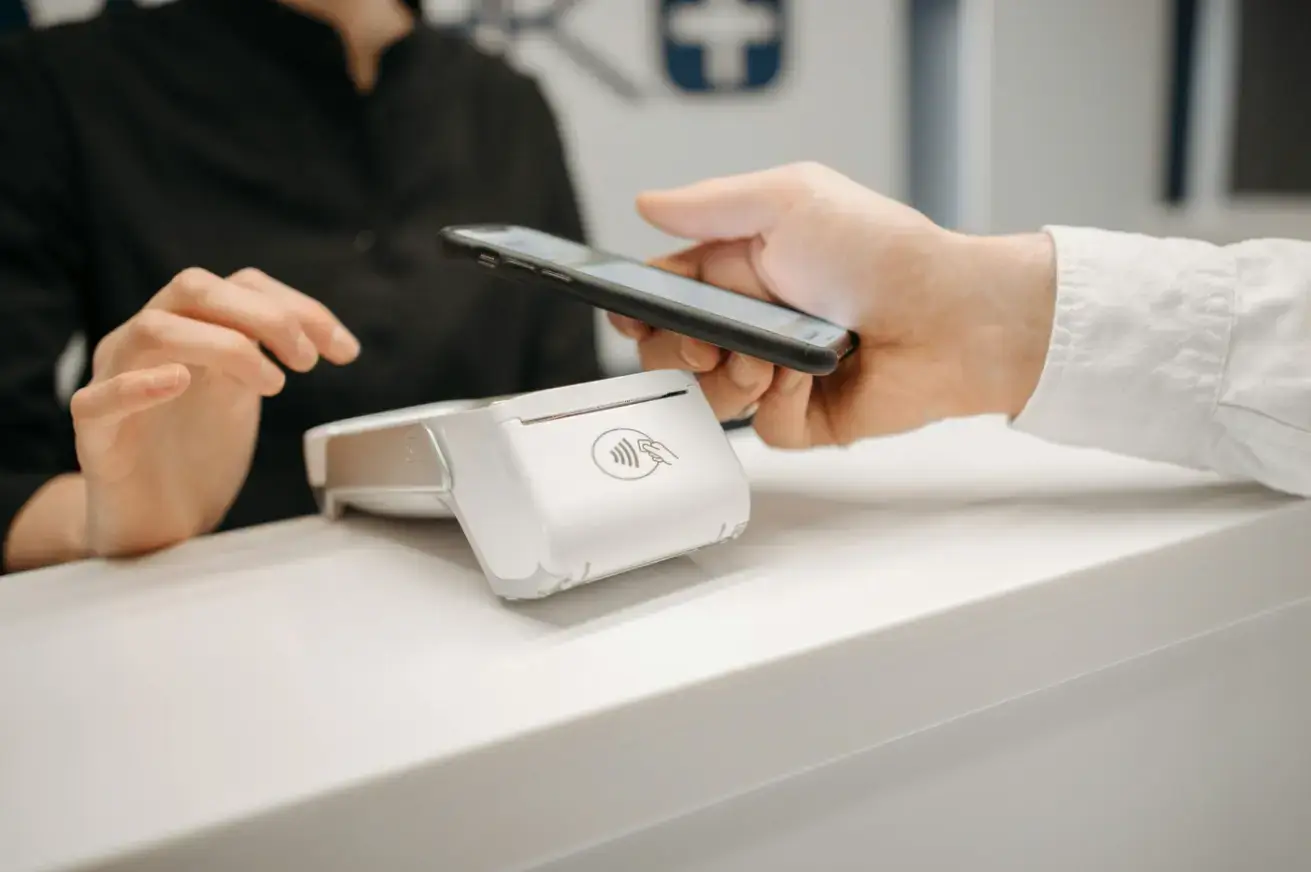
- Support for contactless payments, mobile wallets, and split transactions
Choosing the Right POS Platform
Cloud-based platforms—Square, Lightspeed, and Shopify POS—handle all of this and sync across locations if you have more than one.
The reporting layer alone is worth the upgrade. When you have full visibility into what’s selling, when, and at what margin, you no longer rely on gut feeling to make purchasing and staffing decisions.
If you're still on legacy hardware with no integration layer, that's the starting point. Everything else in this stack works better when the POS is solid.
Cash Handling and End-of-Day Reconciliation
Source: Pexels
Why Cash Still Matters in Retail
Cash isn't going away.
According to the Federal Reserve's consumer payment trends, cash remained the third-most-used payment instrument in 2024, with US consumers averaging seven cash payments per month—a number that's held steady since 2020.
For brick-and-mortar businesses in food service, specialty retail, or any high-transaction environment, cash still represents a meaningful share of daily volume.
The Hidden Costs of Manual Cash Counting
The issue isn't cash itself.
It's that manual handling at any real volume creates a daily accuracy problem. Counting by hand is slow, error-prone, and relies entirely on staff discipline at the end of a long shift.
The costs are quiet but consistent—drawer discrepancies that take time to track down, deposit errors, and counterfeit bills that get missed when things are moving fast.
How Automated Bill Counters Improve Accuracy and Efficiency
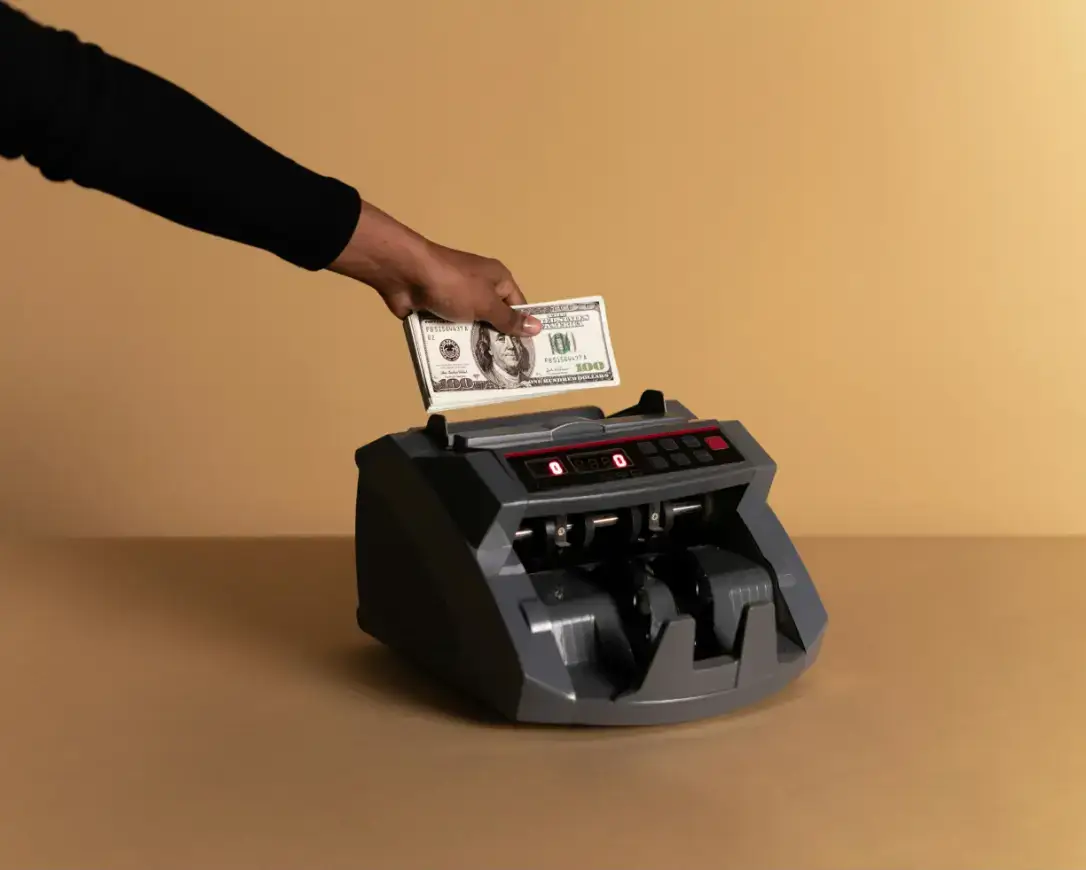
A bill counter solves the speed and accuracy problem in one step.
Brands like Cassida make currency counting and counterfeit detection equipment built specifically for business environments—from compact units suited to lower-volume retail to heavier-duty machines for cash-intensive operations.
End-of-day reconciliation that used to take twenty minutes gets done in two, with a verifiable count rather than a best guess.
Calculating the ROI of Cash Management Tools
For most stores, this is one of the fastest ROI improvements available. The equipment pays for itself quickly in time saved and errors caught, and it removes a consistent point of operational risk.
Inventory Management and Stock Control
The Cost of Poor Inventory Visibility
Inventory problems are expensive in both directions. Stockouts cost sales.
Dead stock ties up cash and floor space. Most small retailers have experienced both problems, often running them simultaneously in different parts of the store.
How Inventory Management Software Improves Decision-Making
Inventory management software connects your POS sales data to your purchasing decisions in real time.
You can see what's selling fast, what's stagnating, and when to reorder before you actually run out. It removes the guesswork and the lag that comes from catching inventory problems during a weekly count rather than the moment they happen.
This guide on essential small business growth strategies explains how to build the right operational systems and how technology choices fit into the broader structure of a growing business.
The discipline layer still matters too. Automated tracking doesn't eliminate the need for periodic physical counts—it gives you a baseline to count against.
Quarterly counts at minimum, monthly for high-value or fast-moving categories. The software tells you what should be there; the count tells you what is.
Customer Engagement and Loyalty Programs
Why Customer Retention Matters More Than Ever
In-store businesses have an advantage most online retailers don't: the ability to build real, recurring relationships with customers.
Loyalty programs are one of the most cost-efficient ways to use that advantage, because retaining an existing customer consistently costs less than acquiring a new one.
Customer retention is a key driver of long-term revenue.
The operational infrastructure behind that experience matters just as much as the experience itself.
Types of Loyalty Programs That Work for Retail Stores
A loyalty program doesn't need to be complex to work. A points-for-purchases model, tiered rewards, or simple birthday perks can meaningfully change visit frequency without requiring a major technology investment.
Loyalty Platforms for Small Businesses
Most modern POS platforms include loyalty features. If yours doesn't, standalone tools like Smile.io, Fivestars, or Square Loyalty integrate without significant setup.
How to Drive Loyalty Program Adoption
The execution challenge is communication, not technology.
Customers who don't know the program exists won't use it. That means prompting enrollment at checkout, using in-store signage, and following up by email or SMS once someone joins.
For a more detailed breakdown of how loyalty programs actually drive repeat purchases, this overview of why a customer loyalty program drives more sales covers the mechanics and setup steps.
If you're building out a broader customer communication strategy alongside the loyalty layer, a roundup of essential tools for running a small business covers the software side of email, forms, and customer contact management.
Security and Loss Prevention
Source: Pexels
Retail Theft Trends and Their Impact on Small Businesses
Retail shrinkage has been climbing steadily, and the impact on small businesses is disproportionate.
According to research from Capital One Shopping’s retail crime statistics, 26% of brick-and-mortar retailers reported an increase in shoplifting incidents in 2023 compared to 2022, with shoplifting arrests up 83% cumulatively from 2019 to 2023.
Organized retail crime, not casual opportunism, accounts for an increasingly large share of that number.
Essential Loss Prevention Tools
A practical small business security setup doesn't require enterprise-level investment. The components that cover most scenarios:
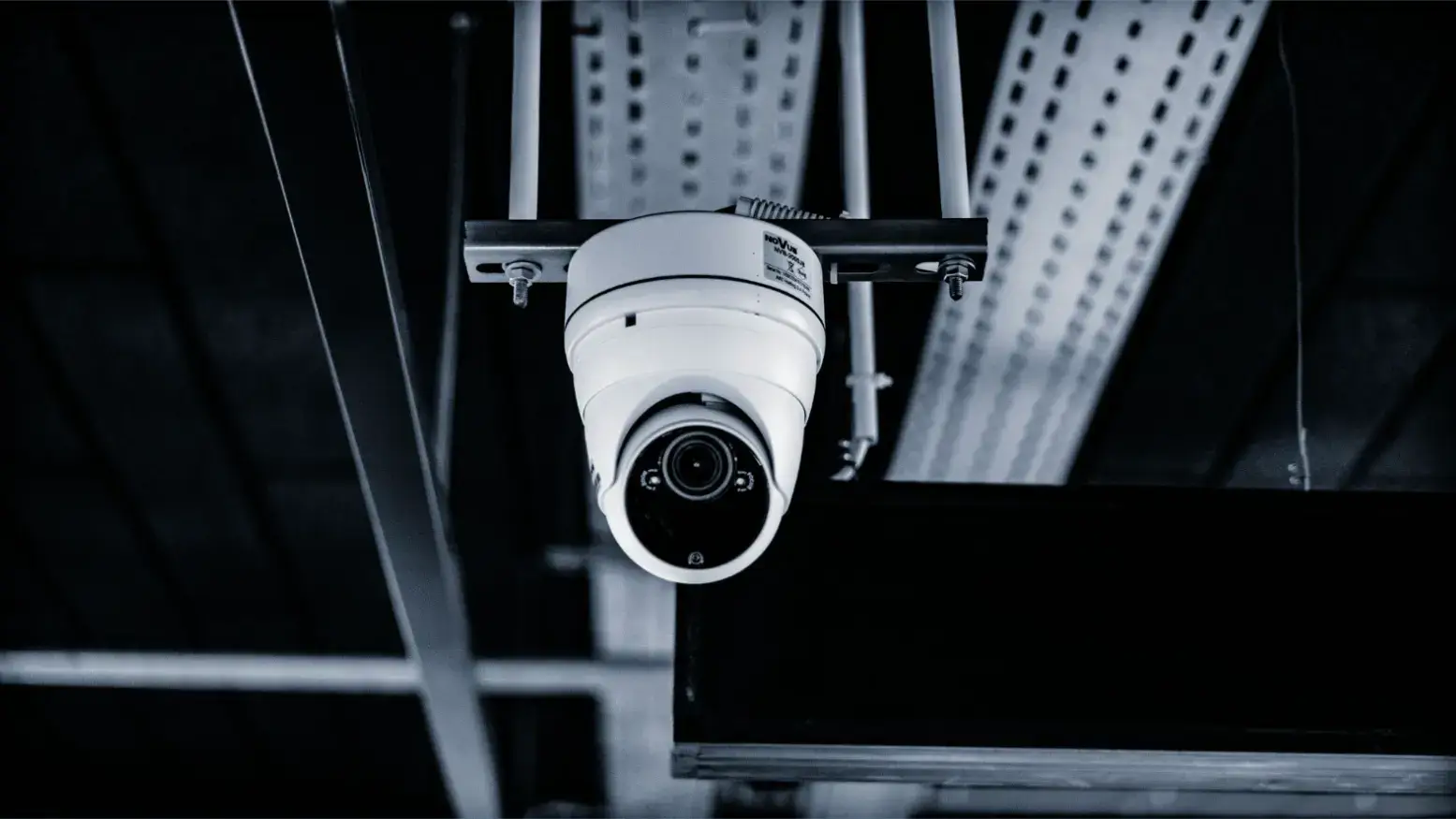
- Camera coverage of the sales floor, checkout area, and stockroom
- EAS or RFID tagging on high-value items
- Access controls on stockroom and backroom entry points
- POS-level anomaly monitoring for patterns like high void rates, frequent no-sale drawer opens, or refund irregularities
Using Transaction Data to Detect Internal Theft
That last item is easy to undervalue. Internal theft typically shows up in transaction data before it shows up anywhere else. A POS that surfaces these patterns gives you an early warning system without additional hardware or staff.
Physical deterrence and visibility remove most opportunistic theft.
The National Retail Federation's data on holiday weekend shopping regularly confirms that foot traffic in physical stores continues to grow—more traffic means more exposure, and the security layer needs to scale with it.
The goal isn't a surveillance environment. It reduces the opportunities that facilitate theft, which accounts for most of the risk.
Conclusion
Most brick-and-mortar businesses don't have a tools problem—they have an integration problem. The individual pieces exist.
What's missing is a stack where those pieces actually talk to each other: POS data flowing into inventory, loyalty tied to the checkout experience, cash reconciliation that closes accurately every shift without eating twenty minutes of someone's time.
The five fundamentals covered here - POS, cash handling, inventory, loyalty, and security - are not complicated on their own. The real work is making them function as one connected system instead of separate workarounds.
Physical retail has real advantages that online will never fully replicate: relationships, immediacy, and the experience of actually being somewhere.
But those advantages only translate into revenue when the operation behind them is running cleanly.
When it does, daily friction disappears, drawers balance correctly, inventory decisions are based on real data, customers return more often, and losses from theft or errors become manageable instead of an accepted loss. Getting the fundamentals right makes everything else in running a physical store much easier.
Frequently Asked Questions
What is the best POS system for a small brick-and-mortar store?
It depends on your setup. Square is great for simple stores, Lightspeed works for larger inventories, and Shopify POS is ideal if you also sell online. Choose one that’s easy to use and connects with your other tools.
What's the easiest way to start a customer loyalty program?
The easiest way to start a customer loyalty program is to use your existing POS, since many systems like Square, Lightspeed, and Shopify already include simple loyalty features. If that is not available, tools like Fivestars or POWR powr.io let you set one up quickly without coding. The key challenge is getting customers to join and making sure they know the program exists so it can actually drive repeat sales.
How do I reduce shoplifting in a small store without spending a lot?
Use visible cameras and tag high-value items. Also, set up your POS to flag unusual activity like refunds or voids. Simple visibility and basic monitoring prevent most theft.
Is a bill counter worth buying for a small retail business?
Yes, if you handle cash regularly. Tools from Cassida speed up counting, reduce errors, and help detect counterfeit bills. They can turn a 20-minute cash count into just a few minutes, making them a quick ROI upgrade for most stores.

Author Bio
Nick Zviadadze is a growth marketing specialist with more than eight years of experience in SEO, copywriting, and content marketing. He's the founder of MintSEO, a fully-remote SEO and content marketing agency. He helps businesses drive growth by improving their search visibility.