

A strong holiday marketing strategy often determines whether a business finishes the year with strong revenue or struggles to meet targets.
Holiday seasons concentrate consumer spending into a short period, making preparation essential for brands competing for attention.
Research shows how large this opportunity is. Global holiday retail sales reached about $1.2 trillion during the November–December shopping period, highlighting the massive economic impact of seasonal campaigns.
Retailers that plan their campaigns early gain an advantage. They secure inventory, test marketing channels, and build customer anticipation before competitors flood the market with promotions.
This article explains how businesses can prepare early and develop a holiday marketing strategy that drives traffic, engagement, and conversions.
In this article:
- How Consumer Behavior Is Changing During Holiday Seasons
- Step-by-Step: How to Prepare Your Holiday Marketing Campaign Early
- Start Campaign Planning Months in Advance
- Optimize Inventory and Supply Chains Before the Holiday Rush
- Build a Multi-Channel Marketing Plan
- Personalization Improves Holiday Campaign Performance
- Prepare for Key Holiday Events
- Improve Customer Experience During Holiday Campaigns
- Track and Optimize Holiday Campaign Performance
Why Early Preparation Is Critical for Holiday Marketing Campaigns
Seasonal campaigns represent a significant share of annual revenue for many companies. According to research, seasonal marketing campaigns account for about 27% of total annual retail sales worldwide.
The holiday period also attracts intense consumer demand. Surveys indicate that 91% of consumers participate in winter holiday celebrations, and the average shopper spends around $890 on gifts and seasonal items.
The concentration of spending means brands that fail to prepare early risk missing a major opportunity. It also increases the importance of building trust, as consumers become more cautious due to rising online shopping scams and the need for better holiday scams awareness.
These numbers confirm a clear trend. Companies that treat holiday campaigns as a long-term strategy instead of a last-minute promotion achieve stronger performance.
How Consumer Behavior Is Changing During Holiday Seasons

Customer behavior during holiday seasons continues to evolve. Shoppers often begin searching for deals earlier each year.
A recent study found that 43% of holiday shoppers begin purchasing before November, reflecting a growing shift toward early shopping periods.
Another insight shows that 59% of consumers shop early primarily to find discounts and promotional deals.
Early planning allows businesses to align with this behavior. Instead of launching promotions in late November, brands can introduce phased campaigns that start months earlier.
Retail analysts emphasize that spreading campaigns across a longer timeline helps brands reach customers before competitors.
Step-by-Step: How to Prepare Your Holiday Marketing Campaign Early
Start Campaign Planning Months in Advance
A well-executed holiday marketing strategy, incorporating various seasonal marketing ideas, usually begins several months before the peak season. Businesses that start early can test ideas, refine messaging, and prepare operational systems.
Planning stages often include:
- Defining campaign goals and revenue targets
- Identifying the most profitable products or services
- Planning marketing channels such as search, email, and social media
- Creating promotional calendars around major shopping events
Marketing experts frequently recommend launching teaser campaigns before the holiday rush. Early promotions capture attention and help build anticipation.
Industry research suggests introducing seasonal promotions gradually from mid-year and increasing campaign intensity closer to peak shopping periods.
This approach ensures brand visibility before consumers finalize their purchase decisions.
Optimize Inventory and Supply Chains Before the Holiday Rush
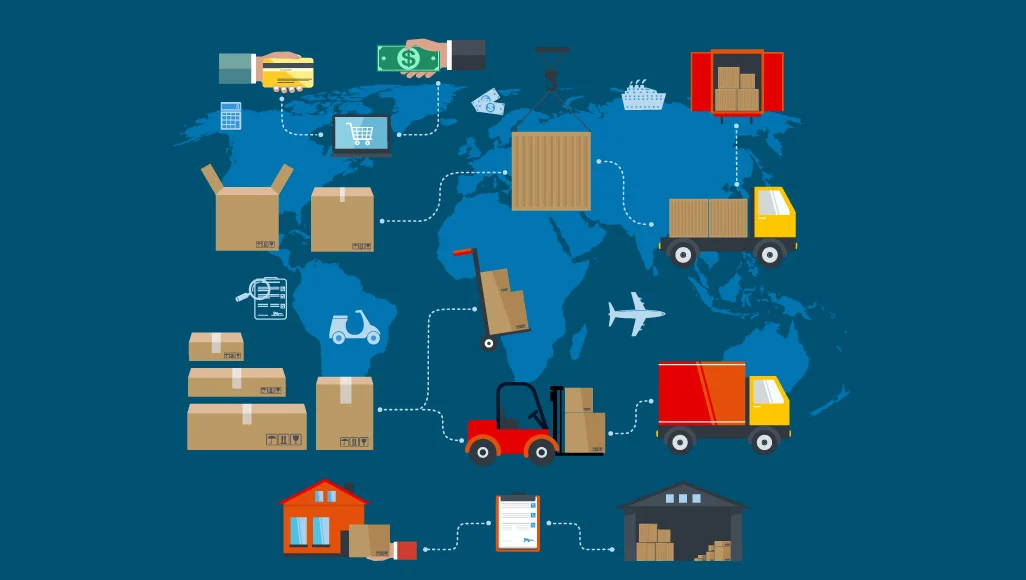
Holiday demand can cause sudden spikes in orders. Businesses that underestimate demand often face stock shortages, shipping delays, and lost revenue.
Inventory forecasting becomes critical during seasonal periods. Retailers must analyze historical data, current trends, and customer preferences to estimate demand accurately.
Demand forecasting models show that improved planning can significantly increase revenue by aligning inventory with consumer demand patterns.
Brands that manage inventory effectively can avoid two costly mistakes:
- Running out of popular products during peak demand
- Holding excessive unsold stock after the holiday season
Strong operational planning supports the success of marketing campaigns by ensuring that promoted products remain available.
Build a Multi-Channel Marketing Plan
Consumers interact with brands across multiple platforms during holiday shopping. Successful campaigns combine several marketing channels rather than relying on one.
A balanced holiday marketing strategy may include:
- Email marketing campaigns
- Paid search advertising
- Social media promotions
- Influencer partnerships
- Content marketing and gift guides
Email remains particularly powerful. Studies indicate that email marketing generates about 20% of online holiday traffic, making it one of the most effective promotional channels.
SMS marketing also performs strongly during peak shopping periods, achieving significantly higher click-through rates compared to traditional email campaigns.
Businesses that coordinate messaging across channels create a consistent customer experience and maximize campaign reach.
Personalization Improves Holiday Campaign Performance
Consumers respond strongly to personalized shopping experiences. Data-driven recommendations and tailored promotions increase engagement and encourage repeat purchases.
Recent data shows that AI and personalization technologies influenced around $229 billion in holiday online sales globally.
Personalized campaigns can include:
- Product recommendations based on browsing history
- Location-specific offers
- Personalized email subject lines
- Dynamic website content
Retail experts frequently highlight the importance of relevance in seasonal marketing.
A Salesforce commerce report noted that brands running personalized seasonal campaigns experienced conversion increases of roughly 20% on average.
Personalization transforms generic promotions into targeted experiences that resonate with shoppers especially when supported by advanced sales force automation software.
Prepare for Key Holiday Events

Certain holiday events generate massive spikes in online traffic and sales. Businesses that plan around these events capture significant revenue opportunities.
Major events include:
- Black Friday
- Cyber Monday
- Small Business Saturday
- Christmas and New Year promotions
These events generate billions in online sales globally each year.
Retailers often structure campaigns around these key dates. Pre-event promotions build anticipation, while limited-time deals create urgency.
A well-timed marketing schedule ensures businesses remain visible throughout the entire holiday shopping cycle.
Improve Customer Experience During Holiday Campaigns
Holiday shoppers often face crowded websites, slow shipping, and overwhelming product choices. Businesses that simplify the buying process gain a competitive advantage.
Improving customer experience can involve:
- Faster website loading times
- Simplified checkout processes
- Clear shipping timelines
- Holiday-themed packaging
Small improvements in user experience often translate into higher conversion rates.
Customer satisfaction during holiday campaigns also influences long-term loyalty. Positive experiences encourage repeat purchases and strengthen brand reputation.
Track and Optimize Holiday Campaign Performance
Holiday campaigns produce large amounts of marketing data. Businesses that monitor campaign performance can optimize results in real time.
Key metrics include:
- Conversion rates
- Click-through rates
- Customer acquisition costs
- Average order value
Analyzing these metrics helps marketers identify successful promotions and eliminate underperforming campaigns.
Continuous optimization ensures marketing budgets generate maximum return during peak shopping periods.
Conclusion: Start Early to Win the Holiday Season
Holiday seasons represent one of the most important revenue opportunities for businesses across industries.
Seasonal campaigns drive a significant portion of annual retail sales, and consumer demand continues to grow during these periods.
A successful holiday marketing strategy requires early preparation, strong data analysis, and coordinated marketing efforts across multiple channels.
Businesses that start planning months in advance gain a critical advantage in inventory management, campaign execution, and customer engagement.
Companies that treat holiday marketing as a long-term strategic initiative rather than a last-minute promotion consistently outperform competitors and capture a larger share of seasonal demand.
FAQs
1. What is a holiday marketing strategy?
A holiday marketing strategy is a plan businesses use to promote products and services during peak shopping seasons through campaigns, discounts, and targeted promotions.
2. When should businesses start planning holiday marketing campaigns?
Businesses should begin planning holiday campaigns at least 3–6 months in advance to prepare inventory, marketing content, and promotional schedules.
3. Why is early preparation important for holiday campaigns?
Early planning allows businesses to analyze customer trends, secure inventory, and launch campaigns before competitors start heavy promotions.
