

By 2027, the global e-commerce market is predicted to reach $7.96 trillion. Thus, learning international e-commerce SEO will help you unlock global sales. It promotes a high rank for your online store in search engines throughout many nations.
Global customers can find your products more easily if your website is optimized. Creating content in several languages and using key terms pertinent to each market are examples of this.
Effective SEO practices increase traffic and boost sales globally. Such strategies guarantee that your e-commerce site attracts and keeps a global audience, making it more competitive on the global stage.
Read on to gain more insights about international e-commerce SEO.
In this article:
- What is International E-Commerce SEO?
- How to Build an Effective International E-Commerce SEO Strategy
- International On-Page SEO Best Practices
- Technical SEO for Global E-Commerce Sites
- The Biggest Challenges of International SEO
- FAQ: SEO for International E-Commerce

Source: Pixabay
What is International E-Commerce SEO?
International e-commerce SEO design is a set of strategies to help your online store's visibility in global markets.
Unlike conventional SEO, it focuses on making your e-commerce site look good and be accessible to clients worldwide.
First, make sure your website works well across multiple languages and countries. This means translating content and using local search terms to match what people are looking for in different countries.
If you want to cater to different regional tastes, you might also need to change how your website is structured.
For example, if you're targeting a specific audience, like those searching for an event photographer, tailoring your content to regional preferences can make a significant impact.
Ensuring your site runs across multiple devices and locations is also crucial. Fast loading times and a mobile-friendly design can increase your rank and improve your search results.

Source: Pixabay
Building high-quality backlinks from regional websites is another component of international e-commerce SEO. In each market, this helps establish your site's authority and relevance.
More consumers than ever are spending time online researching what they are looking for, as evidenced by the 30% increase.
You also need to maintain track of various search engine algorithms and trends in different nations if you want to succeed. Your foreign search rankings can be maintained and improved by regularly updating your strategy based on performance data.
By increasing your site's visibility and relevance in international markets, international e-commerce SEO enables your online store to attract global customers and boost overall sales.
How to Build an Effective International E-Commerce SEO Strategy

Source: Pixabay
The key to reaching global customers is an effective international e-commerce SEO strategy. Here's how to create one and leave your competitors behind:
1. Localization of your site
Convert your website into the languages your target markets speak. Streamlining data integration processes is crucial for managing consistent product information across multiple languages and regions.
Use local search terms that are relevant to what users in each area are searching for.
Integrating a website chatbot can further enhance user engagement by providing real-time assistance in their preferred language. This increases the relevance of your website and facilitates local traffic.
Highlighting the importance of language and cultural adaptation in supporting cross-border commerce, 72.4% of consumers say they are more inclined to buy a product when information is in their language.
2. Enhance user experience across regions
Make sure your website is quick and mobile-friendly.
Additionally, AI-powered chatbots and VoIP solutions can enhance user experience by providing instant support, enabling real-time communication, and resolving queries in multiple languages tailored to diverse customer needs.
Additionally, investing in front-end development services ensures your site loads quickly and works effectively on mobile devices, helping keep visitors engaged and improving your search rankings.
3. Build regional backlinks to boost authority
Create e-commerce website with Magento hosting and make website connections with websites in the regions you are targeting. Great backlinks from local websites can expand your site's authority and relevance.
This helps you rank higher in local search results and drives much more traffic to your site.
You may boost your international e-commerce key areas SEO and efficiently reach customers all across the world by concentrating on these key areas.
International On-Page SEO Best Practices
To boost the visibility of your global online store, international on-page SEO is essential. Here is the correct approach you should follow to get your strategy on point:
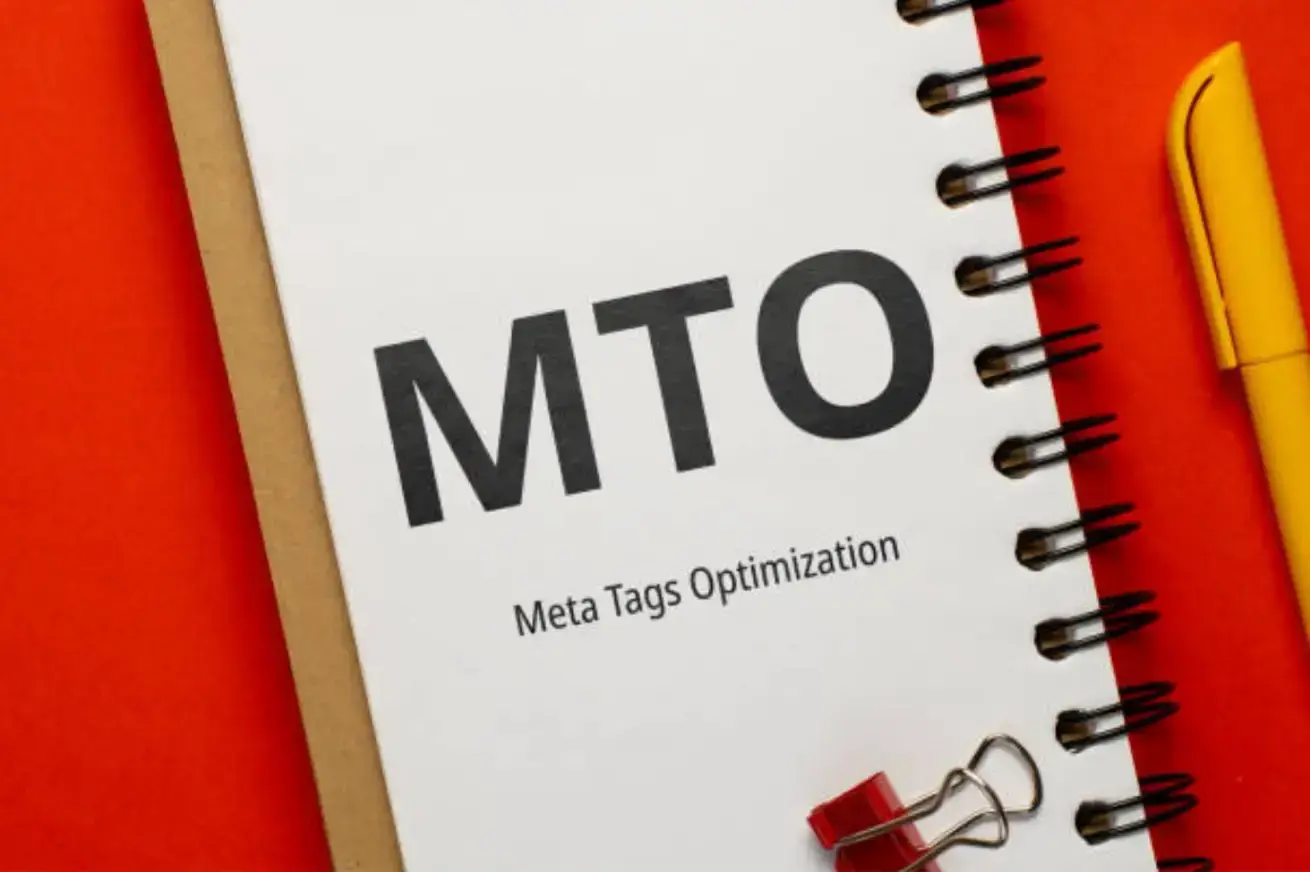
1. Optimize meta titles and descriptions for each market
Change each market's meta titles and descriptions. Add local keywords and phrases that fit regional search patterns. This increases the visibility of your site in search results and encourages user clicks from around the world.
Source: Stock
2. Use hreflang tags to target localized pages
To signal search engines which local language and regional versions of your site should be displayed, use hreflang tags.
This guarantees the correct version of your page shows to the correct audience and helps to prevent duplicate content problems.
3. Improve URL structure
Create URLs based on the region and language used locally.
Use, for instance, country-specific domains or sub-directories. This increases your site's exposure in regional searches and helps search engines understand the geographic relevance of your pages.
By focusing on these components of international e-commerce SEO, you can make your site more appealing and available to a global audience. This can significantly improve your search engine rankings and attract more international traffic to your online store.
Technical SEO for Global E-Commerce Sites
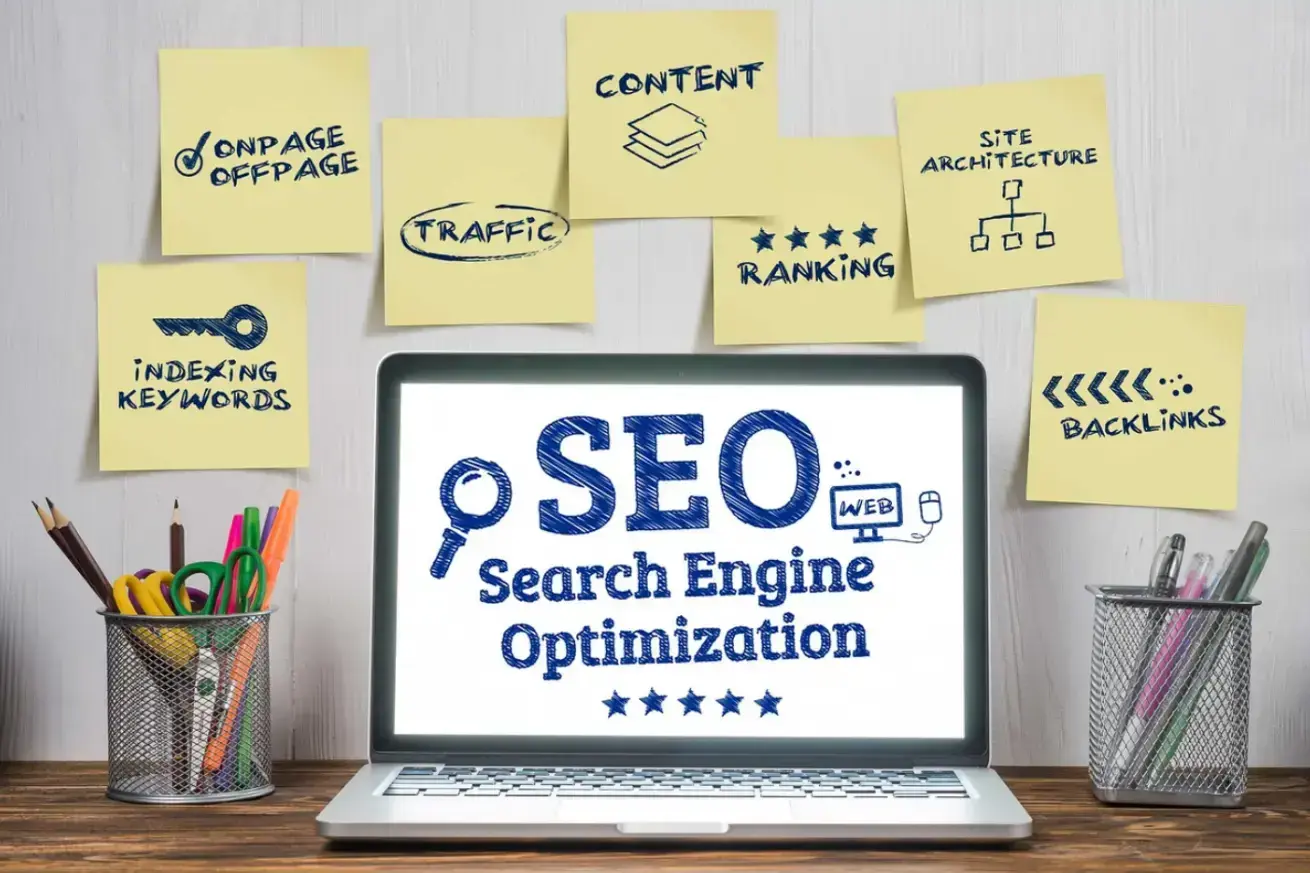
A seamless and profitable online store requires technical SEO for e-commerce. The following will help international e-commerce to function:
1. Ensure fast loading times
User experience and SEO depend on speed. Optimize images and employ caching to make your site load quickly. Customers are happier, and a speedy site improves your search rankings.
2. Create a mobile-friendly design
Develop a mobile-friendly design, given that many clients shop on their mobile devices. Your website should be responsive and look perfect on all devices. This assists your SEO strategy and boosts your ranking by working on your rankings in mobile search results.
Source: Pixabay
3. Implement structured data for products
Utilize structured data, which can prompt rich snippets like price and availability to appear in search results, increasing clicks and visibility.
4. Fix broken links and redirects
Routinely check your site for broken hyperlinks and fix them when you find them. User annoyance and SEO loss can result from broken links. Each of your links needs to work properly for your SEO to remain solid and for users to have a good experience.
5. Optimize your site architecture
Create a clear and logical site structure. Make it simple for people and search engines to explore your site by using categories and subcategories.
By concentrating on these technical elements, you boost the overall shopping experience for global customers, strengthen your international e-commerce SEO, and improve site performance.
Partnering with a white label SEO provider can also help e-commerce businesses scale their optimization efforts efficiently while focusing on core operations.
The Biggest Challenges of International SEO
The challenges associated with international e-commerce SEO are unique. Three key problems are as follows:
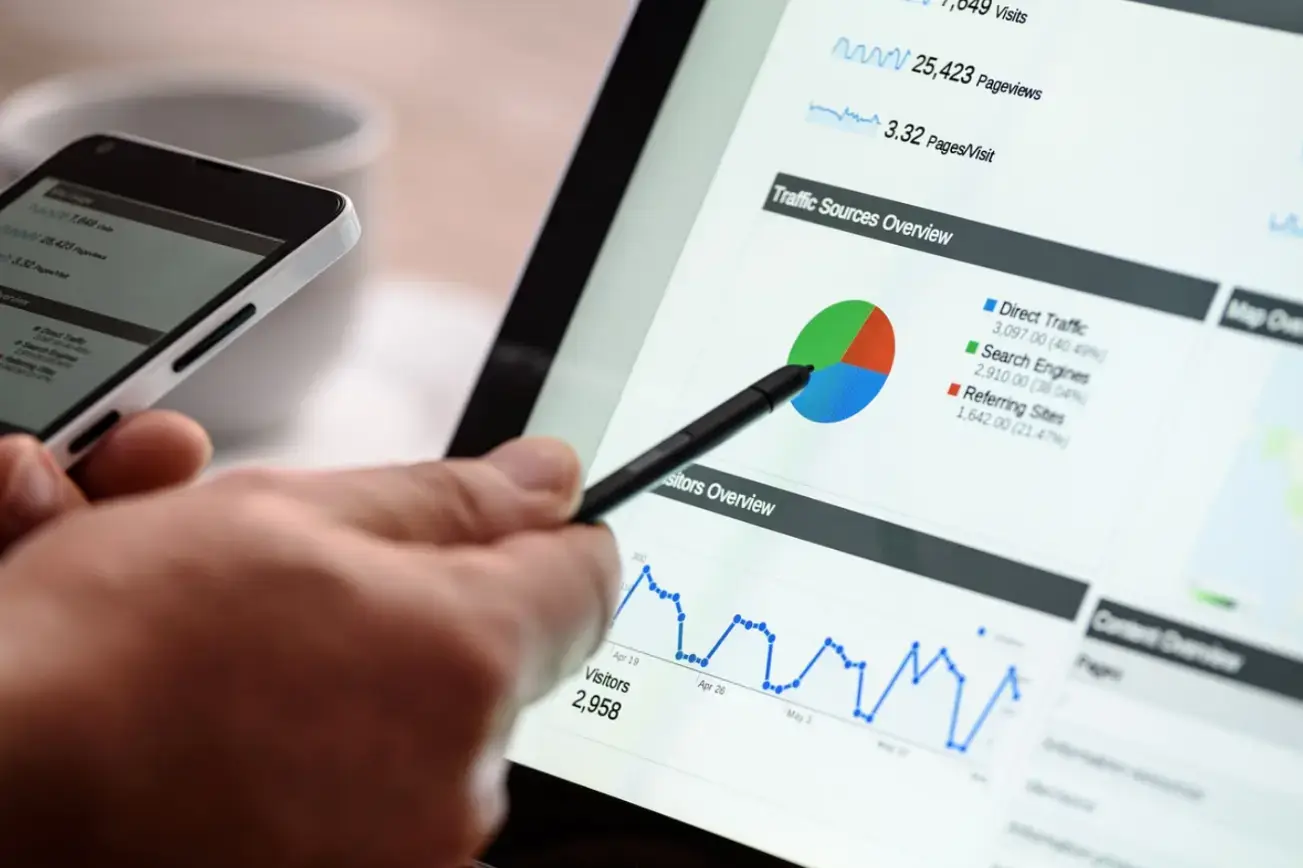
1. Technical difficulties across markets
Taking care of a website that serves users from different countries is hard from a technical standpoint. To deal with varying structures of URL, header tags, and local search engine choices, you need to know how to use them.
Technical issues such as slow page loads or broken links can negatively impact your SEO strategy. Careful planning and ongoing maintenance are essential to ensure your site performs well across all regions.
Source: Pixabay
2. Dealing with multiple search engines
Various search engines are used in different countries. While Google is the most well-known and user-friendly search engine in numerous nations, other regions have their own local search engines with unique algorithms.
It can be difficult to adapt your SEO strategy to work with these different search engines. Realizing how each search engine works and optimizing your site accordingly is necessary.
FAQ: SEO for International E-Commerce
1. Why is international SEO different from regular SEO?
International SEO focuses on optimizing your e-commerce site for different languages and regions, considering cultural nuances, local search behaviors, and varying market competition. It's not just about translation; it's about making your site relevant and accessible to global audiences.
2. How important are local business listings and citations for international SEO?
Local business listings and citations for international SEO are very important. They enhance your online visibility and build trust with local customers. Use local directories and platforms to create consistent and accurate listings.
3. How do I track the performance of my international SEO efforts?
You can use Google Analytics, Google Search Console, and other SEO tools to track key metrics like organic traffic, keyword rankings, conversion rates, and user behavior in each target region.
Conclusion
To expand your online store globally, you need to adapt to international e-commerce SEO. Effective strategies include localizing content, optimizing meta tags, and creating a mobile-friendly design. Technical SEO matters because sites must load quickly, have well-structured content, and be well-organized.
Focusing on these things can boost your site's visibility and user experience across markets. Overcoming these challenges improves your international search rankings and increases traffic, driving your e-commerce business's global success.

Author Bio
Mona is a content marketing specialist with over 4 years of experience who is currently working with SaaSit. She creates engaging and effective content for various SaaS companies and likes researching topics related to B2B and SaaS.
Email ID: Mona@saasit.in