

Running a small business or working solo often means wearing many hats, managing clients, delivering projects, and keeping operations running smoothly. In the middle of all this, file sharing may seem like a small task, but it can quickly become a major bottleneck.
Large attachments that won’t send, unsecure transfer methods that put sensitive data at risk, and clunky file delivery processes can frustrate both you and your clients.
That’s where secure file sharing comes in. By adopting the right tools like Filemail, small businesses and solopreneurs can save valuable time, improve client trust, and project a professional image.
In this post, we’ll explore the challenges of traditional file sharing, the benefits of secure platforms, and practical strategies to make your file transfers seamless, all while helping your business grow.
Why Secure File Sharing Matters for Small Businesses

Running a business today means that digital communication is at the core of client relationships.
Sending contracts, invoices, marketing campaigns, design files, or reports is a daily task. But relying on outdated methods like email attachments or free transfer services often leads to frustration, inefficiency, and risk.
Secure file sharing is more than just a convenience; it’s a strategic investment. It helps you protect sensitive client data, maintain a professional brand image, and deliver work faster, all of which directly impact growth and customer satisfaction.
By leveraging platforms like Filemail, small businesses and solopreneurs can eliminate common bottlenecks, safeguard their reputation, and focus on scaling their operations with confidence.
Common File Sharing Challenges for Small Businesses
While file sharing sounds simple, here are common challenges many entrepreneurs face:
- File size limitations: Most email platforms cap attachments at 25MB, making it impossible to send high-res design files, detailed marketing reports, or video content.
- Data security risks: Using unsecured transfer methods exposes sensitive information like contracts, client data, or invoices to potential breaches.
- Unprofessional experience: Asking clients to download from clunky or unbranded platforms can reduce trust in your business.
- Time-consuming processes: Splitting files into multiple emails or compressing them manually slows down workflows.
These challenges highlight why investing in a secure, business-focused solution is critical. But even with the right tools, businesses remain vulnerable to cyberattacks.
According to Chad Thunberg, CISO at Yubico, more than 80% of all cyberattacks start with phishing, primarily because it’s inexpensive and highly effective.
Generative AI is now amplifying this threat, crafting messages that convincingly mimic writing styles and reuse breached details, making even savvy employees susceptible.
For small businesses, the lesson is clear: protecting files isn’t just about secure platforms; it also requires phishing-resistant authentication like security keys, ongoing employee awareness, and a proactive approach to human-targeted risks. This combined strategy ensures that sensitive data remains secure while keeping workflows smooth and professional.
The Role of Secure File Sharing in Business Growth

For entrepreneurs and marketers, secure file sharing is not just about convenience; it’s about growth and driving results.
- Professionalism that builds trust: Delivering files through a secure, branded interface assures clients that you handle their data responsibly.
- Efficiency that saves time: Faster transfers and automated workflows give you more time to focus on client relationships and growth.
- Security that protects reputation: Compliance with global standards like GDPR ensures sensitive files are kept safe.
- Collaboration that scales: Whether it’s a freelancer, remote team member, or client across the globe, secure sharing keeps everyone aligned with centralized access.
In short, secure file sharing is an engine for growth and a safeguard for your reputation.
Integrating Secure File Sharing With Your Website and Tools
Your website or client portal can become a powerful extension of your file-sharing strategy. Embedding secure file delivery tools directly into your digital touchpoints creates a seamless and branded client experience.
For example:
- Marketers can deliver campaign reports alongside interactive dashboards.
- Consultants can attach contracts or deliverables with built-in approval forms.
- Designers can provide file previews and gather client feedback instantly.
This level of integration boosts engagement, reduces friction, and positions your brand as tech-savvy and client-focused.
Practical Guide to Streamlined Secure File Sharing
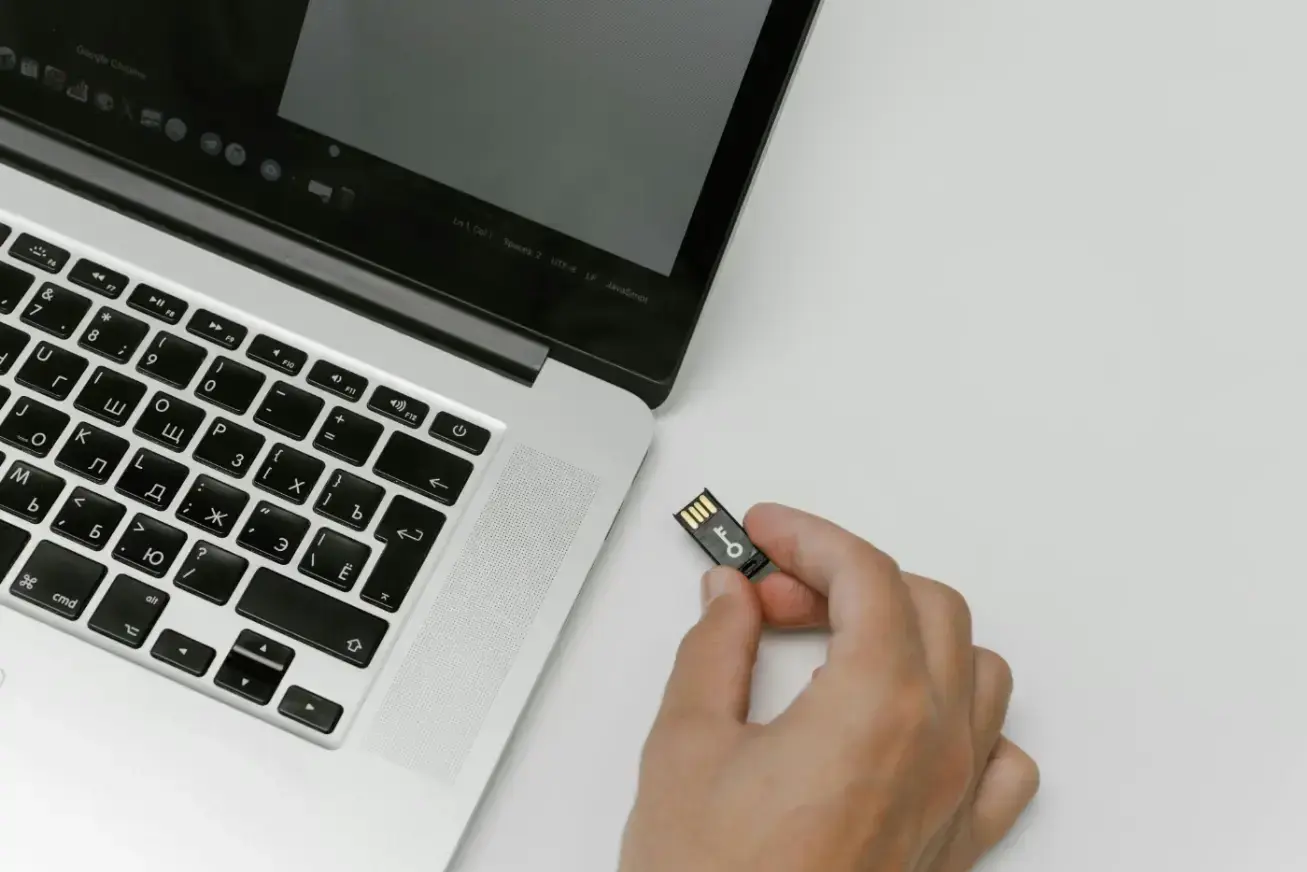
Here’s how small business owners and solopreneurs can set up efficient, secure file-sharing systems:
- Evaluate your current process: Identify bottlenecks, whether it’s file size, security, or client accessibility.
- Choose the right platform: Look for features like encryption, compliance with ISO 27001 standards, branded portals, and large file support.
- Automate where possible: Schedule recurring deliveries, automate notifications, and use templates to minimize manual work.
- Train your team (if applicable): Even small teams benefit from consistent processes that reduce errors.
- Prioritize client experience: Customize file portals with your branding for a professional, trustworthy impression.
Importance of Data Security in Business Operations
For small businesses, client trust is everything. Mishandling sensitive files can harm your reputation and even lead to legal consequences. That’s why data security should never be an afterthought.
- Encryption: Ensure files are encrypted during transfer and at rest.
- Compliance: Choose platforms that follow standards like GDPR or industry-specific requirements.
- Authentication: Enable multi-factor authentication to keep accounts secure.
- Ongoing Vigilance: Regularly review and update your practices to stay ahead of cyber threats.
Demonstrating your commitment to data protection reassures clients and sets you apart from competitors who cut corners. Even with these measures, human error remains the leading cause of breaches, accounting for 95% of incidents.
As Tela Technology's 2025 report highlights:
“Insider threats, credential misuse, and user-driven errors now account for most security incidents. Attackers increasingly target the human layer with precision, leveraging AI-powered phishing, exploiting collaboration tools, and bypassing traditional authentication methods.”
Secure File Sharing FAQs
1. What is secure file sharing?
It’s the process of transferring files using encrypted, secure methods to ensure that only intended recipients can access sensitive data.
2. How does secure file sharing benefit small businesses?
It improves efficiency, saves time, enhances professionalism, and protects sensitive client data, all critical for growth and trust.
3. What features should I look for in a file-sharing platform?
Seek out platforms with encryption, compliance with data protection laws, large file support, and customization options for branding.
For small business owners, solopreneurs, and marketers, secure file sharing is more than a technical upgrade; it’s a strategic advantage.
By solving challenges like file size limits, data security risks, and inefficient workflows, you not only save valuable time but also build stronger, more trustworthy client relationships.
In today’s digital marketplace, professionalism and security can be the deciding factors that set your business apart. Secure file sharing ensures you deliver projects smoothly, protect your reputation, and create a foundation for sustainable growth.

Author Bio
Sadie Smith is an experienced woman who came into the digital marketing world from newspapers. She mostly specialized in local issues, and this gives a unique perspective when it comes to dealing with stories that need thorough research and personal touch. She wears her heart on her sleeve, and that makes her an excellent marketing expert.