

Last year, a candle maker I know was spending $1,200 a month on Instagram ads and barely breaking even.
She partnered with a local bath products brand for a joint holiday gift bundle, split the promotion costs fifty-fifty, and sold more units in three weeks than her ads had generated in three months.
No algorithm change, no new ad creative. Just two complementary brands sharing each other's audience.
In this article:
- Why Partnership Marketing Works for Small Businesses
- 6 Types of Partnership Marketing (With Examples)
- How to Find the Right Partnership Marketing Partners
- How to Pitch a Brand Collaboration (Without Getting Ignored)
- How to Structure a Partnership Deal
- How to Measure Partnership Marketing Success
That's partnership marketing in action. And it's one of the few growth strategies where the less budget you have, the more creative (and effective) the approach tends to be.
You need to understand what partnership marketing actually is, know which types work without an enterprise budget, and have a process for finding partners, pitching them, and running your first collaboration without wasting anyone's time.
What Is Partnership Marketing?
Partnership marketing is when two or more businesses team up on marketing activities to reach each other's audiences. Think co-promotions, shared content, product bundles, or referral arrangements where both sides benefit.
A brand introduces you to their customers, you introduce them to yours. The exchange is trust and reach, not dollars.
For small businesses, this matters more than it used to. Ad costs have climbed steadily over the past few years, with most advertisers now paying roughly 40% more per click than they were three years ago. Organic reach on social media keeps shrinking.
Meanwhile, Foundry's 2024 partner marketing study found that 68% of organizations view partner marketing as a necessary tactic that provides great value, up from 62% in 2019.
And that's exactly why this works for small businesses. When a brand your customer already trusts says "check out this product," it carries more weight than any ad you could run. You're not interrupting someone's scroll. You're being introduced by a mutual friend.
If you're looking to increase brand awareness for your small business, partnerships should be near the top of your list. They're one of the few tactics that build credibility and expand your reach at the same time.
Why Partnership Marketing Works for Small Businesses
A three-person skincare brand I worked with last year got featured in a wellness newsletter with about 15,000 subscribers. Not a paid placement.
The newsletter founder genuinely liked their products and agreed to include them in a holiday gift guide. Result: 400 new email subscribers in a week, and those subscribers converted at nearly double the rate of people who found the brand through Instagram ads.
The skincare brand spent $0 on that campaign. They sent the newsletter founder a few samples.
When a brand your customer already follows recommends your product, that recommendation carries built-in credibility. No amount of retargeting replicates what a genuine endorsement does to a buyer's confidence. And you don't just get the trust.
You get access to an audience that took your partner years to build. Those 400 subscribers didn't come from an ad. They came because someone they already trusted said "this is worth checking out."
Costs get split. When two brands co-host a giveaway, produce a guide, or run a pop-up event, neither one bears the full cost.
I've seen two Shopify store owners split the cost of a photographer for a joint product shoot and both walk away with a full set of campaign images for half the price. Same quality, half the budget.
There's also a less obvious benefit: the act of identifying a good partner forces you to think clearly about your customer.
Who else do they buy from? What adjacent problems are they solving?
That thinking sharpens your marketing across the board, especially when supported by MMM Marketing to provide a clearer picture of how these external influences and partnerships impact your overall sales funnel.
For resource-constrained teams, partnerships aren't a nice-to-have. They're one of the few growth levers where having less money isn't actually a disadvantage.
And they compound: each successful collaboration makes the next pitch easier, because you can point to real results. That's what makes them a core part of how growth marketing helps small businesses scale.
6 Types of Partnership Marketing (With Examples)
Not every partnership type works at small scale. Enterprise-style channel partnerships and multi-million-dollar co-branding deals aren't relevant here.
These six are the ones that actually work when your team is small and your budget is tight.

- Co-marketing campaigns. Two brands create content or run a promotion together, splitting the work and the audience exposure. Example: A pet treat company and a dog toy brand run a joint Instagram giveaway. Each brand promotes the giveaway to their followers, and both get exposure to an audience that's already buying pet products. Entry requirement: follow both accounts. Simple, effective, costs nothing but time.
- Product bundling. Package complementary products from two brands into a single offering. This is probably the most underused format for small e-commerce brands, and it's the one I'd start with if you sell physical products. A handmade candle maker partners with a small ceramics studio to sell a "cozy night in" bundle. The candle maker handles fulfillment, the ceramics studio promotes it to their list, and both earn revenue on each sale. It works especially well around holidays when buyers are actively looking for gift sets and are willing to pay a premium for a curated package. The logistics are simpler than most people expect: one brand ships everything, and you settle the revenue split monthly via PayPal or a shared spreadsheet.
- Affiliate partnerships. Commission-based referrals between complementary stores. Example: A yoga apparel brand offers a 10% commission to a wellness supplement company for referring customers. Each sale is tracked with a unique link, so both sides can see exactly what's working. The beauty of affiliates: you only pay when you make money.
- Event collaborations. Co-host a podcast, local pop-up, webinar, or live shopping event. Example: Two local food brands share a farmers' market booth and split the booth fee. One sells hot sauce, the other sells artisan crackers. They sample together, and customers who came for one product discover the other. Offline events like this build relationships that digital-only marketing can't replicate.
- Content partnerships. Guest posts, co-branded guides, or shared newsletter features. Example: A Shopify store selling eco-friendly kitchen products writes a guest post for a zero-waste lifestyle blog. The post links back to their store, drives targeted traffic, and positions them as an authority in the niche.
- Referral swaps. The simplest version: "recommend us and we'll recommend you." A wedding photographer and a florist include each other in their "recommended vendors" list. No tracking, no commission. Just ongoing referrals. They may also collaborate on a shared wedding brochure that showcases both services and provides couples with a more complete planning resource.
Pick the type that fits your current situation. If you sell physical products, start with bundling or a giveaway. If your strength is content, try a guest post or newsletter swap.
You can always expand into other types once the first one works. And if you want to amplify your brand on social media, a co-marketing campaign is one of the fastest ways to do it.
How to Find the Right Partnership Marketing Partners
Finding a partner isn't the hard part. Finding the right partner is. A bad fit wastes both sides' time, and a great fit becomes a repeatable source of new customers.
Start with your customer overlap. Ask yourself: who else do my buyers already shop with? Check your own order data or survey responses.
If you sell premium coffee beans, your customers probably also buy from specialty mug makers, kitchen gear stores, or subscription snack boxes. That shared customer is your signal.
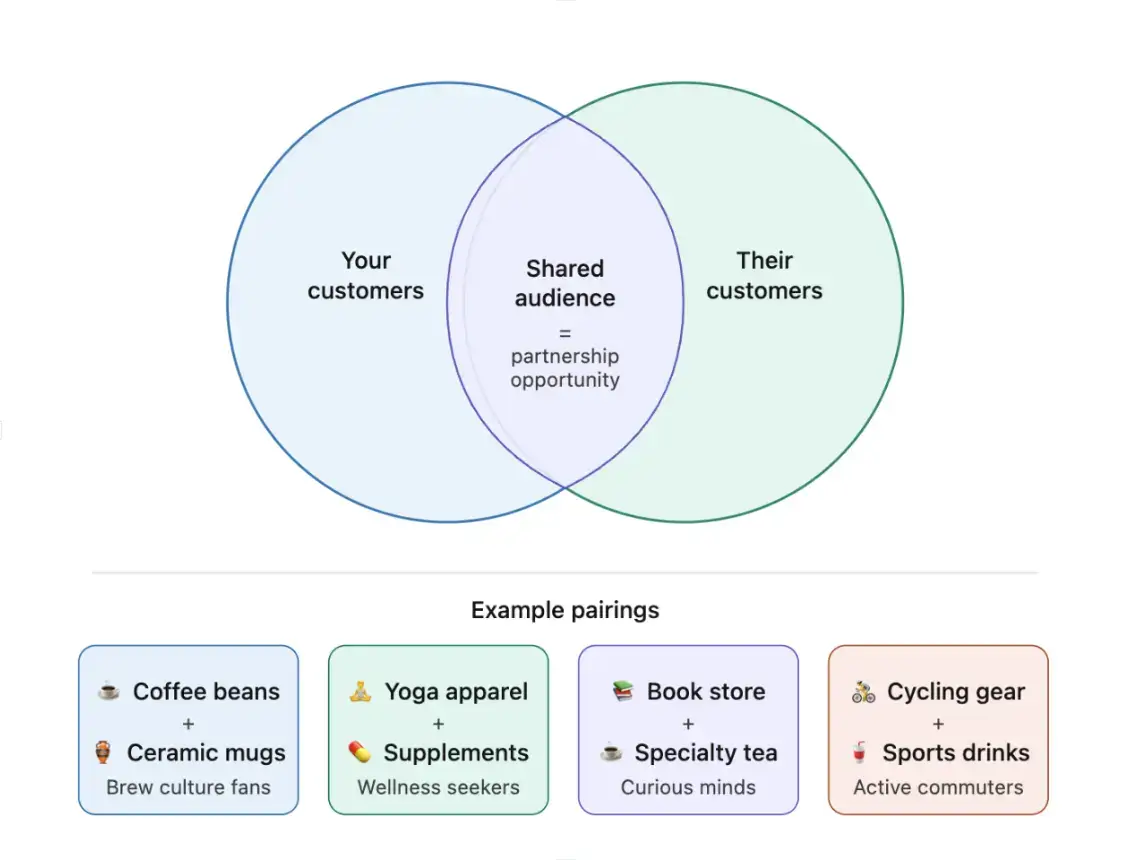
Here's a practical process for finding candidates:
- Search your own social followers. Look at who your followers also follow. On Instagram, tap into a few of your most engaged followers' profiles and note which brands they interact with. Patterns emerge fast.
- Browse hashtags in your niche. Search hashtags your customers use and see which brands show up consistently. If you sell handmade jewelry, search #handmadegifts, #shopsmall, or #artisanjewelry and note which non-competing brands appear alongside yours.
- Check local business directories and communities. Your local chamber of commerce, Shopify community forums, or Etsy seller groups are full of businesses looking for exactly these kinds of partnerships. Don't overlook offline networks.
- Look at who links to your competitors. If a blog or brand has featured a competitor, they might be open to working with you too. This is a shared audience signal most people miss.
- Google it directly. Search "[your niche] + [complementary niche] + collaboration" or "partner with us." You'll find brands that are actively seeking partnerships and already understand how they work.
Once you have a shortlist, qualify each one.
Follower count means less than engagement rate. A partner with 3,000 highly engaged followers will outperform one with 30,000 ghost followers every time.
Check their reviews, their content quality, and whether their brand values align with yours. A mismatch in values will show up fast and can hurt both brands.
One approach I've seen work surprisingly well: reach out to a brand you already buy from. You're already a genuine fan, so the outreach doesn't feel forced.
A DTC store owner I helped with outreach last year did exactly this. She'd been buying from a complementary brand for months, DMed them saying she loved their products, and pitched a bundle idea in the same message.
They said yes the same day. No cold research needed. She already knew the product was good because she was using it.
How to Pitch a Brand Collaboration (Without Getting Ignored)
Step 1: Find the Right Contact
Don't pitch a brand's generic info@ email or their main Instagram DMs. Find the founder, marketing lead, or partnerships manager by name.
For small businesses, this is usually the founder. For mid-size companies, look for someone with "partnerships," "marketing," or "business development" in their title.
Clearout's Email Finder and Hunter's Email Finder are the fastest ways to do this. Enter the person's name and the company's domain, and it returns their verified professional email address.
This takes about 30 seconds and makes the difference between your pitch landing in front of a decision-maker versus disappearing into a shared inbox that nobody checks.
Step 2: Write a Value-First Partnership Pitch
Your partnership email should be short (under 150 words), specific about what you're proposing, and focused entirely on what's in it for them. Nobody cares about your brand story in a cold pitch. They care about what they get.
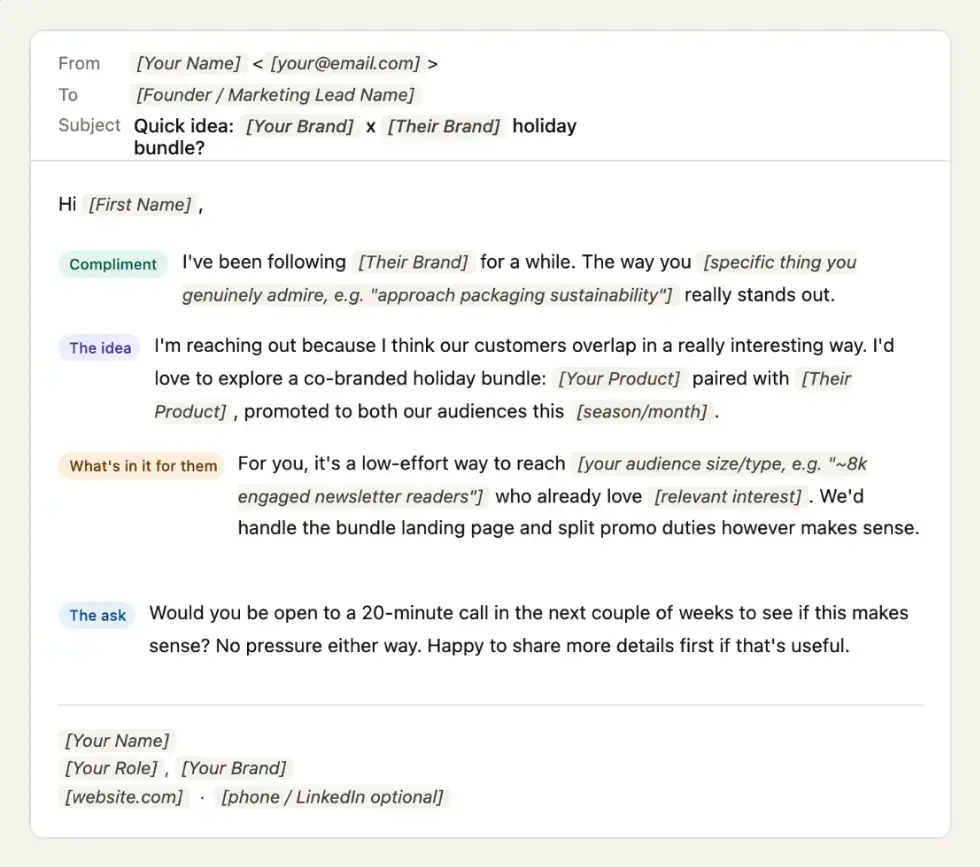
- Subject line: Keep it specific and short. "Quick idea: [Your Brand] x [Their Brand] holiday bundle?" works better than "Partnership opportunity."
- Opening line: One sentence showing you know their brand. Not generic flattery. Something specific you noticed about their product, content, or audience.
- The pitch: Two to three sentences describing exactly what you're proposing. "I'd love to create a joint gift bundle for the holidays — your [product] paired with our [product], promoted to both our audiences" is clear. "I'd love to explore synergies" is not.
- What's in it for them: Two sentences on why this benefits their business. Be specific: "Your audience of [audience type] is a perfect fit for our [product], and I'd promote the bundle to our 8,000 email subscribers and 12,000 Instagram followers."
- The ask: One sentence. "Would you be open to a quick call this week to see if it's a fit?"
Step 3: Follow Up Effectively
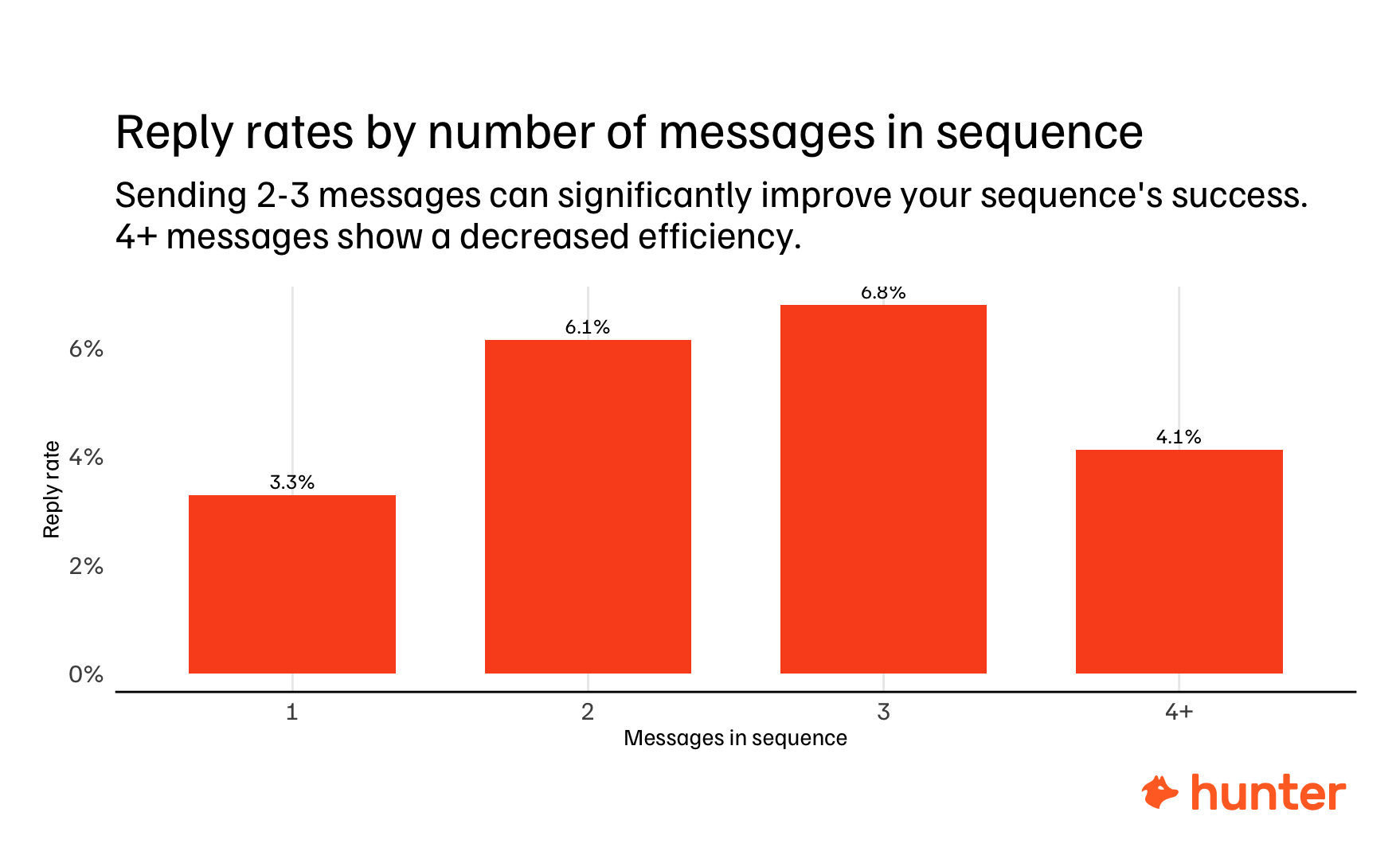
Hunter's State of Email Outreach found that sending three emails instead of one increases total replies by 106%. Most people aren't ignoring you on purpose.
They're busy. A follow-up sent five days after your first email, and a second follow-up seven days after that, is standard practice.
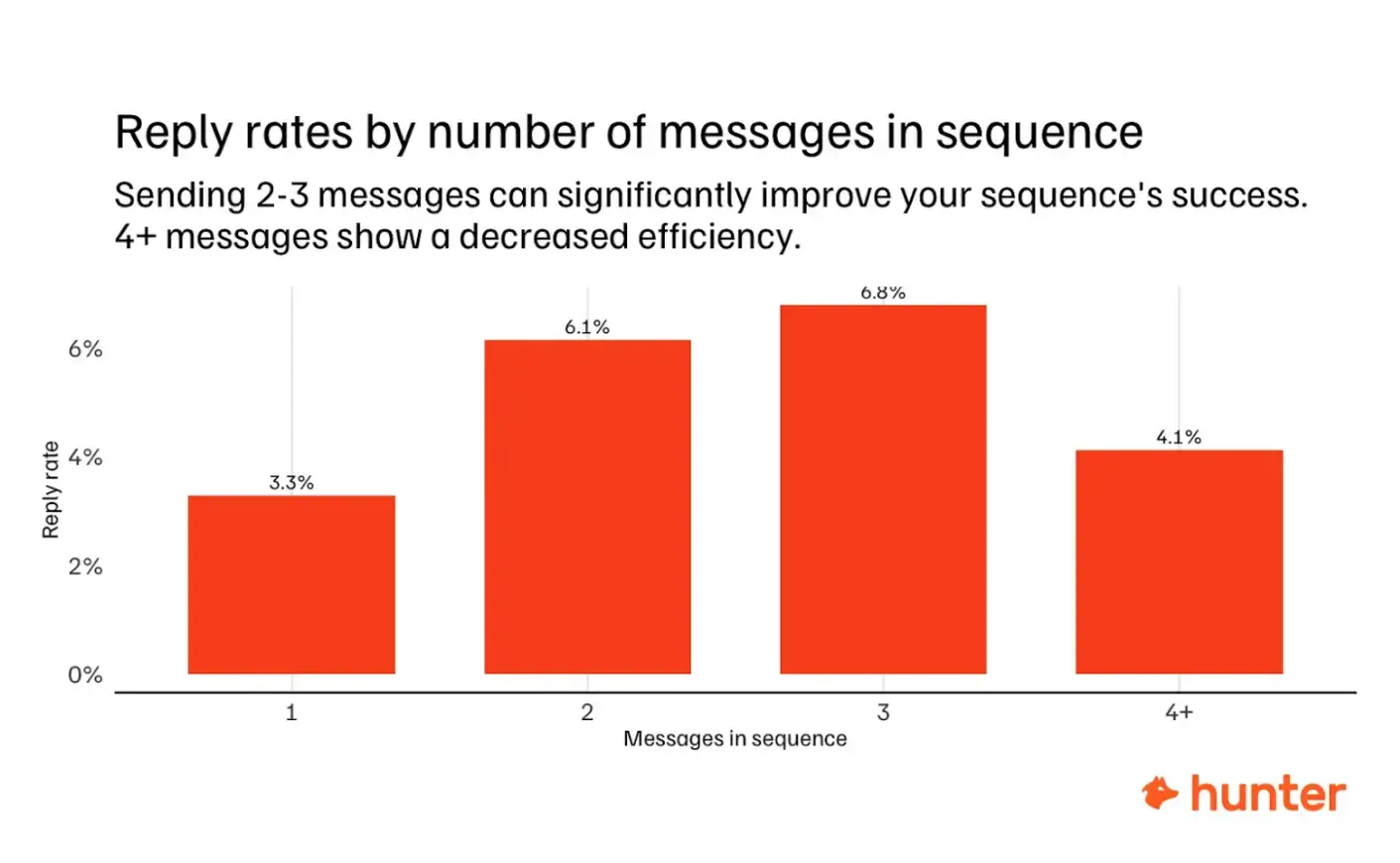
Source: Hunter.io
The mistakes that kill partnership pitches: writing a wall of text, making the entire email about your brand, being vague about what you're actually proposing, and not following up at all. Fix those four things, and you're ahead of 90% of outreach that lands in founders' inboxes.
How to Structure a Partnership Deal
Start with a pilot. One campaign, limited scope, no long-term commitment.
If the giveaway goes well, talk about doing a product bundle next quarter. If it flops, you've invested a few hours and learned what to look for in your next partner.
This is one of the biggest advantages small businesses have over enterprise brands that need six months of approvals to test anything.
Even for a small pilot, though, you need to agree on the details before anyone does any work.
One thought the other was handling all the design work. The other assumed they'd split it. Nobody discussed timelines. It gets messy fast.
You don't need a legal contract for a joint Instagram giveaway. But you do need clarity on these points:
- What each party contributes: Be specific. "I'll provide 20 units of product for the giveaway, you'll create the Instagram post and run it from your account." Don't leave anything to assumption.
- Timelines: When does the campaign go live? When do deliverables need to be ready? Even a rough timeline prevents the "I thought we were launching next month" conversation.
- Revenue or cost split: For product bundles, agree on pricing and how revenue gets divided. For giveaways, agree on who covers shipping. For content partnerships, clarify who's producing what. The three most common models: 50/50 split, commission-based (one party earns per sale), or non-monetary (you're each contributing audience access, no cash changes hands).
- Promotion commitments: Agree on how each partner will promote. How many social posts? Email mentions? Stories? Without this, one partner does all the heavy lifting and the other gets a free ride.
Put it in writing. Even a quick email summary after your planning call protects both sides. Something like: "Just to confirm what we discussed: you'll handle X, I'll handle Y, we launch on Z date, and we'll split revenue 50/50." That's it.
Mailchimp's partner marketing guide has more frameworks for structuring these deals if you want to formalize the process further.
How to Measure Partnership Marketing Success
You ran the campaign. Now you need to know if it was worth repeating. For most small business partnerships, four metrics tell you everything you need to know.
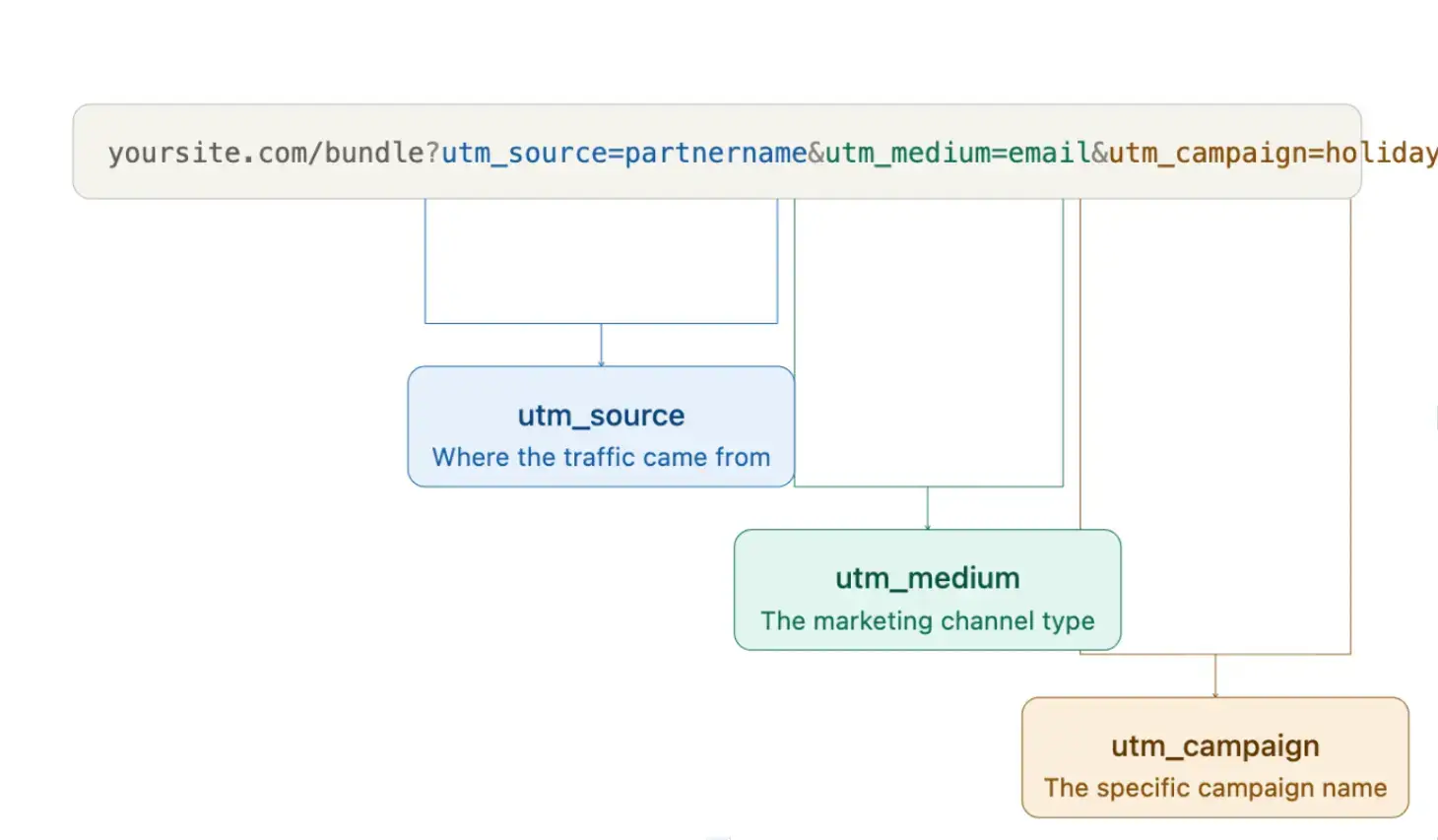
UTM links are the easiest win. If you've never used them, they're just tags you add to the end of a URL that tell Google Analytics where the traffic came from. It takes two minutes to set up and gives you clean data on exactly how much traffic each partner sends.
Don't forget qualitative signals either. Social media mentions, audience feedback in comments or DMs, and whether the partner proactively suggests working together again. Numbers matter, but so does the relationship.
A partner who's enthusiastic about round two is worth more than one who generated slightly more clicks but found the process painful.
If you're building email marketing lead generation strategies, tracking new subscribers from partnerships gives you a direct line between collaboration and list growth. That's one of the cleanest ROI measures for any small business.
How to Get Started With Your First Partnership
The candle maker I mentioned at the top?
She's now done four collaborations with different brands. Each one cost her less than $200 in product and generated more sales than her monthly ad spend.
Her most recent partner reached out to her because they saw the previous collaborations on Instagram. She didn't pitch that one. It came inbound.
That's the part that's hard to appreciate until you experience it. The first partnership takes all the effort. You're researching, pitching, negotiating, figuring out logistics for the first time.
But if it goes well, the second one is easier. And by the third or fourth, partners start finding you.
Pick one complementary brand this week. Send one specific pitch. That's the entire starting investment.
FAQ: Partnership Marketing for Small Businesses
1. What is partnership marketing?
Partnership marketing is when two or more businesses work together on promotions, content, or products to reach each other's audiences. Instead of paying for impressions, you're exchanging access to your customer base. Both sides grow without increasing their ad budget.
2. How do small businesses find partnership marketing opportunities?
Start by identifying brands that serve the same audience but don't compete with you directly. Check which brands your social media followers also engage with, search niche hashtags on Instagram, browse local business directories, and look at who your customers already buy from. The best partners often aren't the biggest brands. They're the ones whose audience overlaps most with yours.
3. Does partnership marketing cost money?
Most partnership marketing arrangements cost little to nothing upfront. A joint giveaway might cost you a few units of product. A content partnership might cost you a few hours of writing. The exchange is usually your audience, your expertise, or your product rather than a line item in your marketing budget. That's what makes it one of the most accessible growth strategies when money is tight.
4. How do you measure if a partnership is working?
Track referral traffic using UTM links, new email subscribers from the collaboration, discount code redemptions or affiliate link revenue, and direct sales attributed to the partnership. Also pay attention to whether the partner wants to work together again — repeat collaboration interest is one of the strongest signals that the partnership delivered value for both sides.
5. What's the biggest mistake small businesses make with partnership marketing?
Pitching too vaguely. Sending a message that says "I'd love to partner" without specifying what you're proposing, what the partner gets out of it, or what the next step is. The best partnership pitches are short, specific, and lead with the benefit to the other brand.

Author Bio
Antonio Gabric runs SEO at Hunter.io with years of experience in email outreach and content marketing. When he's not testing new SEO strategies, he's spending his time outdoors with his family or planning a new road trip. Connect with him on LinkedIn.