

As a solopreneur or a small business owner, you're wearing all the hats, from marketer, seller, support rep, to strategist. And in 2025, with all such experience, you can't ignore that customers come from a single channel.
Now, they browse your Instagram, chat with you on your website, read reviews, and then complete a purchase.
That’s why delivering seamless, omnichannel retail customer experience is no longer a “nice to have “, but an essential to scale sales, reduce churn, and improve lifetime value.
In addition, the omnichannel market is expected to reach USD 25 billion by 2028. And in this post, we'll break down what omnichannel means, how it benefits, and how you can implement it.
In this article:
- What is Omnichannel CX (and Why Should You Care)?
- The Retail Customer Experience Edge for 2025 – 2030
- The Omnichannel Advantage in Retail Customer Experience
- What’s Holding Small and Medium Retail Businesses Back?
- 5 Steps to Make Omnichannel CX Work
What is Omnichannel CX (and Why Should You Care)?
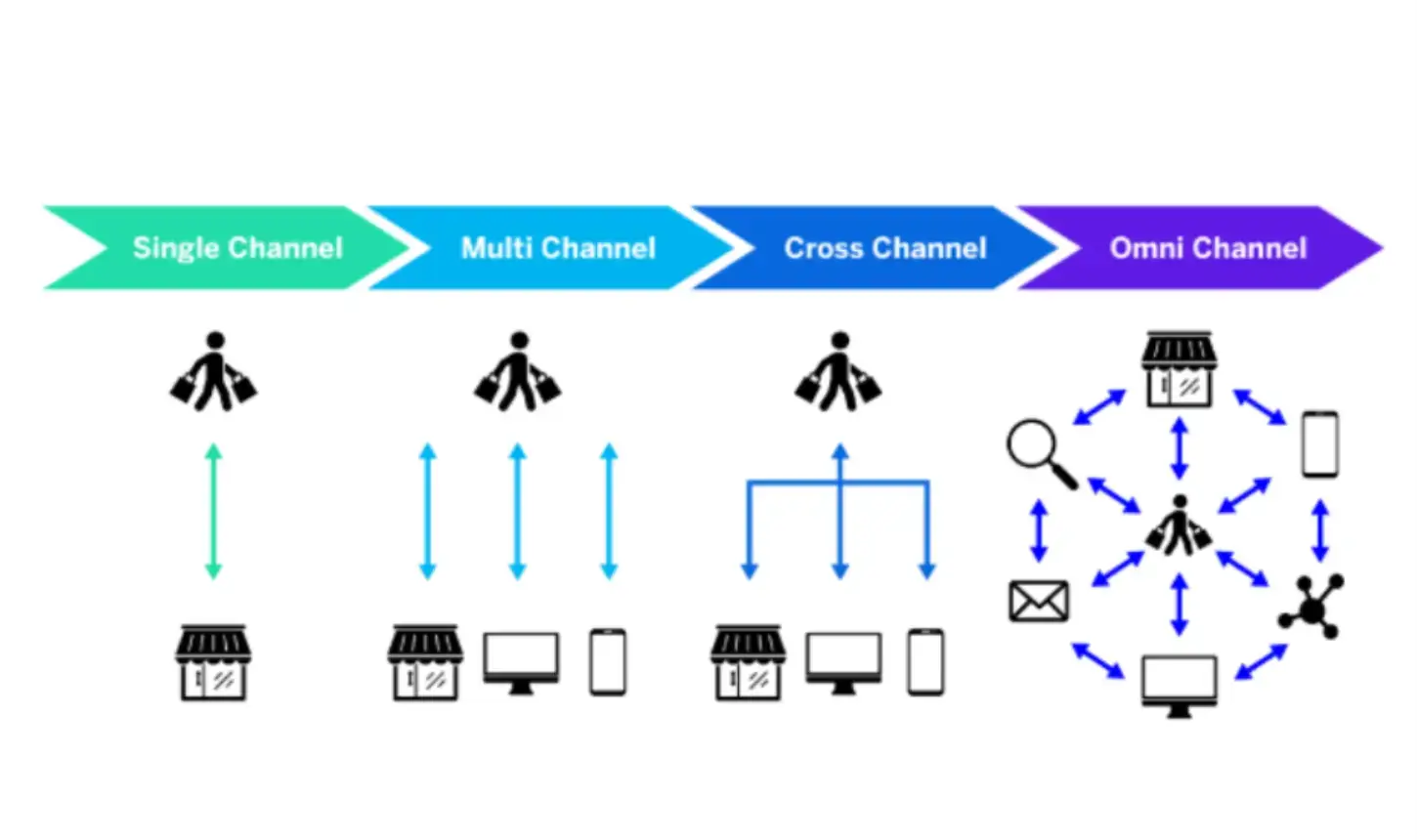
Source: Qualtrics
Omnichannel customer experience means meeting your customers where they are and how they want.
Whether the customer messages you on Instagram, emails you after checkout, or raises a query via mail, an omnichannel retail customer experience ensures every conversation feels seamless.
And for retail and e-commerce owners, this connection between voice and non-voice channels is key to standing out in a crowded market.
Here’s why retail customer experience matters:
- It helps build trust with buyers who expect consistent support throughout their buying journey.
- It helps increase conversions by reducing drop-offs and cart abandonment.
- It reduces repeat queries by syncing past interactions across channels.
- It drives efficiency, helping you manage multiple support channels from a single dashboard.
The Retail Customer Experience Edge for 2025 – 2030
"Focusing on the customer makes a company more resilient." - Jeff Bezos
Whether your customer discovers your brand on Instagram or emails you after purchase, you should provide them with continuity. This is a high priority for small and medium-scale retail businesses, which are growing and competing with retail giants.
Here’s what your retail customer experience should look like:
- Instant answers through chatbots, self-service portals, and social DMs.
- Consistency across channels through omnichannel implementation.
- Proactive updates, such as "your order is delayed," before the customer even asks.
- AI-powered customer interactions to increase conversions and sales.
- Anytime, anywhere support is accessible through the mobile app, desktop, and browser.
The Omnichannel Advantage in Retail Customer Experience
"A consistent and predictable experience creates customer confidence, which can lead to loyalty." - Shep Hyken
Omnichannel retail customer experience is not only an option, but a requirement to compete with Amazon, Shopify giants, and big-box stores. It helps you connect every interaction, so customers feel recognized and supported, which directly impacts the conversions, sales, and revenue.
However, sometimes it's difficult for businesses to handle the complexities of omnichannel, which is why it's always preferred to partner with an expert retail CX outsourcing vendor.
Key benefits for scaling retail are:
| Benefit | What It Means for Your Business |
|---|---|
| Higher Conversions | The average shopping [cart abandonment rate is 72%](https://www.dynamicyield.com/lesson/shopping-cart-abandonment-strategy/). But when customers get real-time answers at key decision points, it improves the checkout rate. |
| Increased Retention | Omnichannel CX ensures customers feel remembered and valued, driving loyalty. |
| Better Resource Efficiency | One support dashboard = less tool switching and more time to grow your business. |
| Customer Data Unification | See every customer interaction in one place, enabling personalized responses and smarter marketing. |
| Scalable Support | As your store grows, you can expand channels and automation without losing quality. |
What’s Holding Small and Medium Retail Businesses Back?
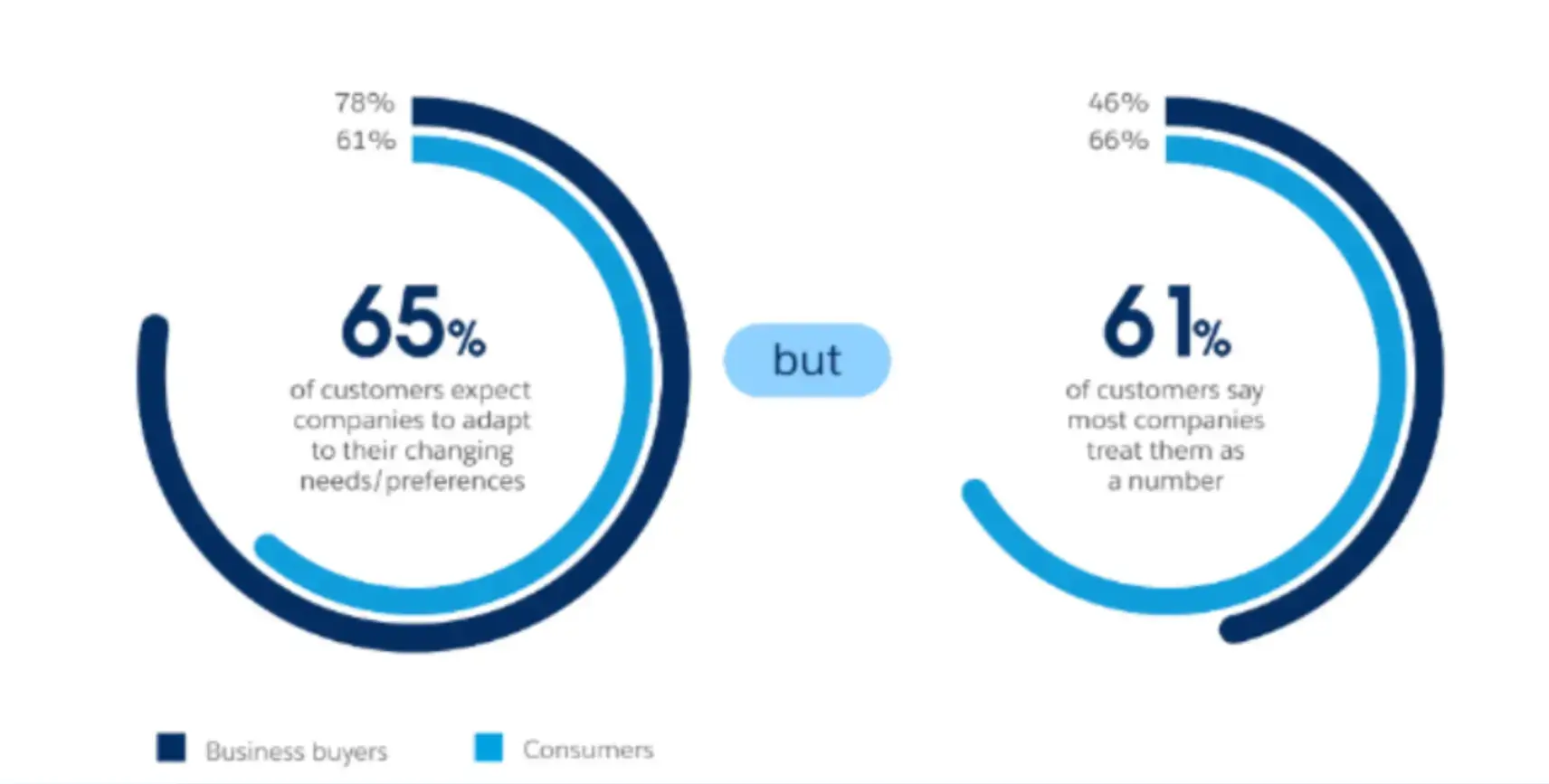
Source: Salesforce
Now, you know what omnichannel retail customer experience can offer.
But before you implement it, you should understand what's currently holding you back. Without removing the potential bottlenecks, you’re only increasing the complexity, not resolving it with omnichannel CX.
Here are some of the common challenges faced by retail business owners:
| Challenge | Why It’s a Problem |
|---|---|
| Too many disconnected tools | Using separate inboxes for [email](https://mailmodo.com?fpr=mick72), Instagram, Shopify, etc., causes customer history to be scattered and inconsistent. |
| Limited time and bandwidth | Solopreneurs can’t monitor multiple channels at once, leading to slow replies and missed opportunities. |
| No unified customer view | Without a single dashboard, it's hard to know if a shopper asking on Facebook also emailed yesterday. |
| Assumption: "We're too small." | Many believe omnichannel is for big enterprises, not realizing low-cost platforms now exist for small teams. |
| Unclear ROI of CX tools | Uncertainty around what tools offer real value creates hesitation to invest in modern CX platforms. |
Why Removing Bottlenecks Matters
It's not always about an omnichannel CX solution. Sometimes, your current customer experience workflow is the root cause behind a lack of visibility, control, speed, and accuracy.
And in today’s market, slow responses and impersonal interactions don’t just cost you sales, they erode customer trust.
But by solving the issues, you get closer to increasing conversions, sales, and ROI. Therefore, removing current bottlenecks is a smarter decision to determine whether you need omnichannel CX services.
5 Steps to Make Omnichannel CX Work
To ensure your customers can reach out through any channel and receive satisfactory service, follow the 5-step plan below, similar to choosing an outsourcing partner for an e-commerce store.
Step 1: Pick the Right Platform/Partner
You don’t have to be everywhere; only at the touchpoints where your customers or target audience are.
By choosing either of the paths, you'll understand which channels you get the most questions on, and which touchpoints to prioritize and focus on more.
Step 2: Use Unified Inbox Tools
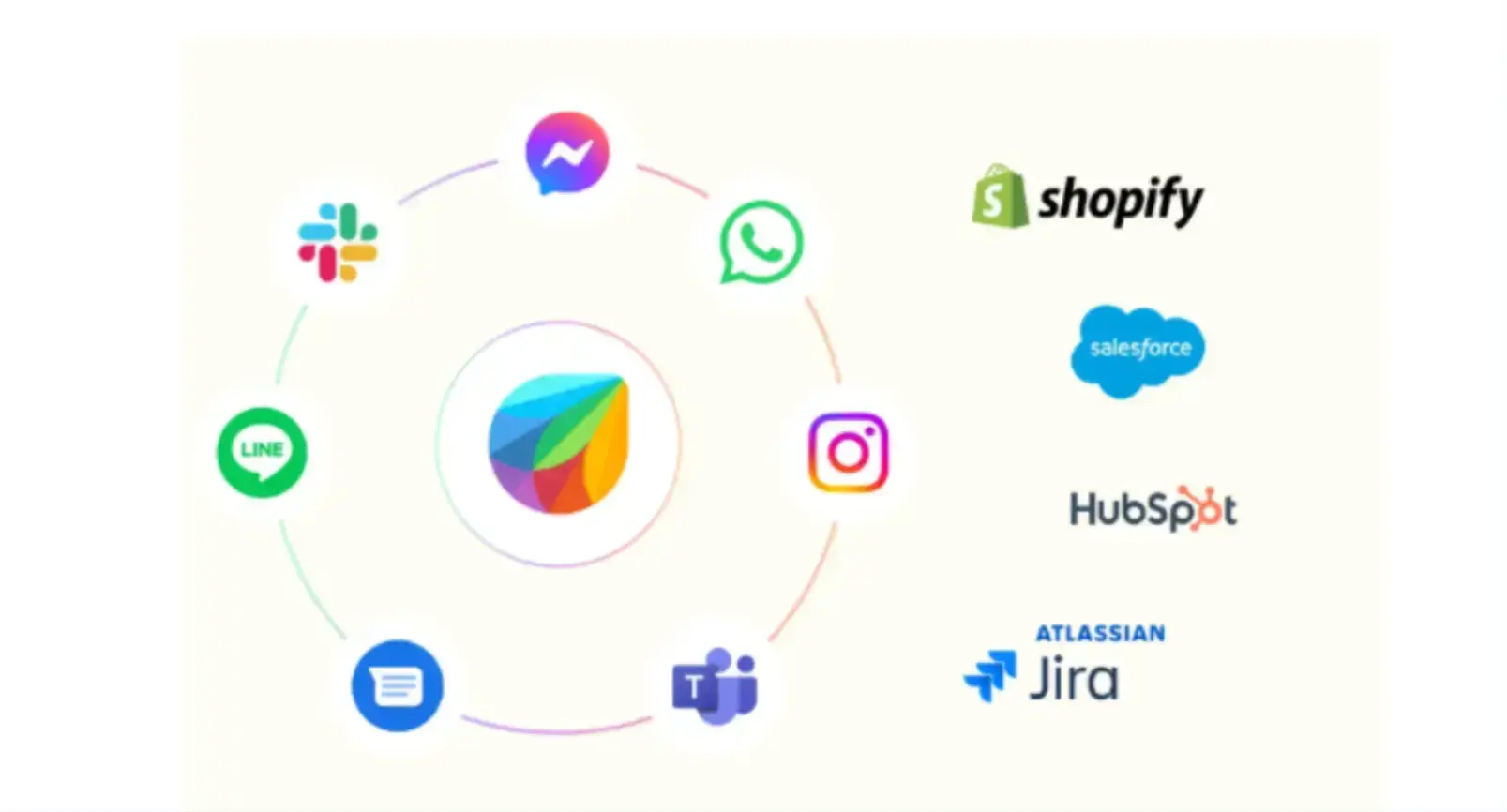
Source: Freshdesk
If you know the touchpoints, leverage a tool like Zendesk or Freshdesk to respond to emails, chats, and social media messages. These tools will give you a unified customer view without app-jumping.
Further, if you partner with a CX outsourcing firm, then they’ll handle the entire process, while you start leveraging a higher CSAT, NPS, and FCR rate.
Step 3: Automate Smart, Not Cold
Always choose the AI + Human retail CX services for faster replies, 24/7 availability, and a human touch.
It’ll help you efficiently handle repetitive questions, send order updates, and route urgent issues directly to the authorized/accountable person.
Additionally, if you’re configuring omnichannel CX yourself, use free templates with variables like name, order ID, and time zone for personal replies at scale.
Step 4: Connect CX to Your Sales Funnel
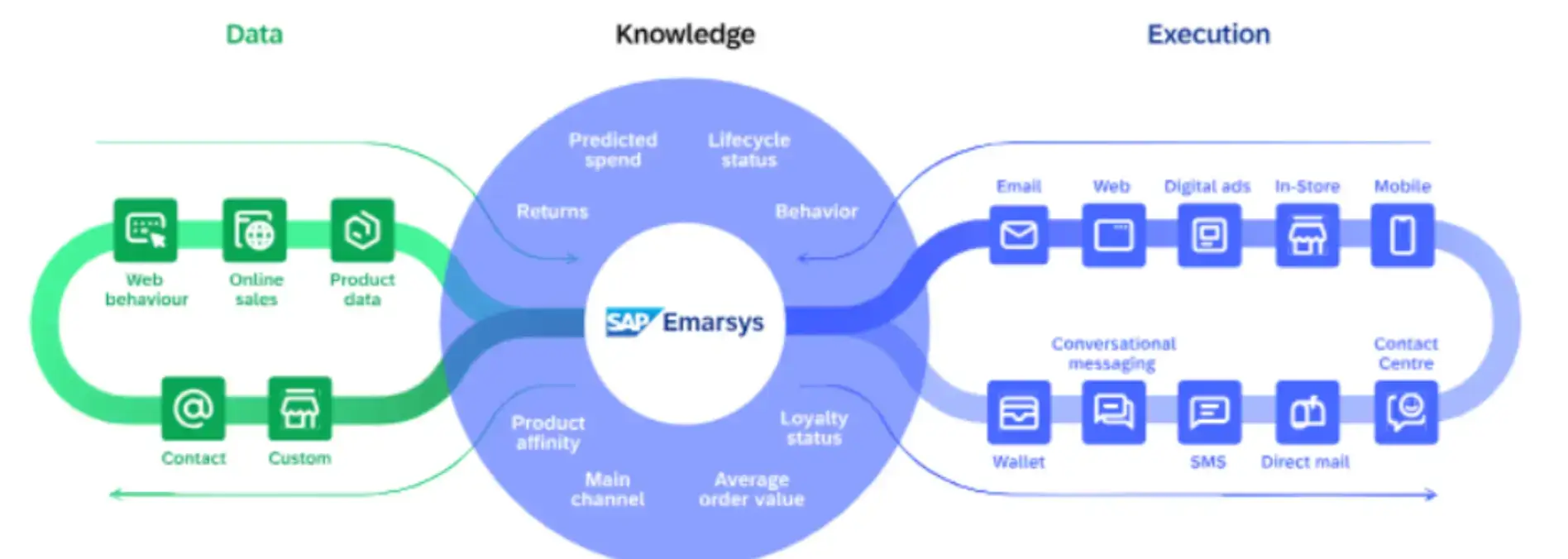
Source: SAP Emarsys
Retail omnichannel customer experience is not only about support. It's a sales accelerator that helps to seamlessly implement upsell and cross-sell strategies.
For instance, you can use live chat to answer pre-purchase queries, upsell with personalized messages, and even recover abandoned carts via Facebook or SMS.
Therefore, omnichannel is your 360-degree customer and sales support mechanism.
Step 5: Track What Works (And Fix What Doesn’t)
Whether you handle omnichannel CX in-house or outsource operations, always track metrics daily, weekly, monthly, and quarterly.
In addition, focus on metrics such as average first-response time, customer satisfaction (CSAT), NPS, and the percentage of tickets resolved in the first reply.
Simultaneously, research and understand what aspects are not working or need improvement, and optimize the workflow accordingly. That’s how you’ll win customers, improve brand loyalty, and stand out from competitors.
Conclusion: Start Small, Win Big with Omnichannel
You don't need a massive CX team to deliver an omnichannel customer experience. For solopreneurs and small business owners, only the right tools are required to unify touchpoints and provide visibility.
However, medium- and large-scale businesses need to partner with a retail CX outsourcing partner to deliver a consistent, seamless experience across every touchpoint.
In addition, always remember to remove current bottlenecks before moving forward with a full-fledged omnichannel CX implementation.
That's the most streamlined way to reduce churn, increase conversions, and build a CX that's personalized and fast.
FAQs
1. I only have time to focus on one platform. What should I pick?
Start with where most of your sales or inquiries come from. For many solopreneurs, that’s Instagram or your website, and simultaneously layer on others as you scale.
2. Isn’t omnichannel just for big brands?
Not anymore. Tools like Tidio, Omnisend, and Gorgias make it affordable and scalable, even for one-person teams.
3. How do I know if my omnichannel strategy is working?
Track support response times, customer repeat rate, and abandoned cart recovery. If you see improvement in any of these, it means you have a winning CX strategy.

Author Bio
Elizabeth Sedlacek is the Vice President of Client Relations and Partnerships at ContactPoint360, bringing over 25 years of experience in operations, client care, and business development. She is a seasoned leader in the Canadian CX outsourcing landscape, with deep expertise in utility sector transformation and enterprise service delivery.