

Scaling your business quickly brings unique challenges.
Off-the-shelf software can’t meet your specific processes or changing needs. Custom software development offers the flexibility necessary to support efficient growth.
With custom software for business, you can automate repetitive tasks, improve collaboration across teams, and access insights to make informed decisions. These features reduce operational hurdles and support your growth.
This article explains how investing in custom software development improves efficiency through automation, supports remote work with user-focused design, and delivers a strong return on investment for long-term scaling.

Benefits of Custom Software for Scaling Businesses
Improving Efficiency Through Automation and Integration
Manual tasks slow down business processes and increase the chance of errors. Business automation software reduces repetitive tasks, freeing up your team to focus on higher-value work.
Built-in analytics within custom software provide insights. These insights let you track performance and make decisions based on the data.
“By automating repetitive processes and enabling seamless integrations, custom software allows businesses to redirect resources to strategic initiatives, ultimately accelerating growth and improving ROI.” – McKinsey
Supporting Remote Teams with User-Focused Software
Source: tivazo
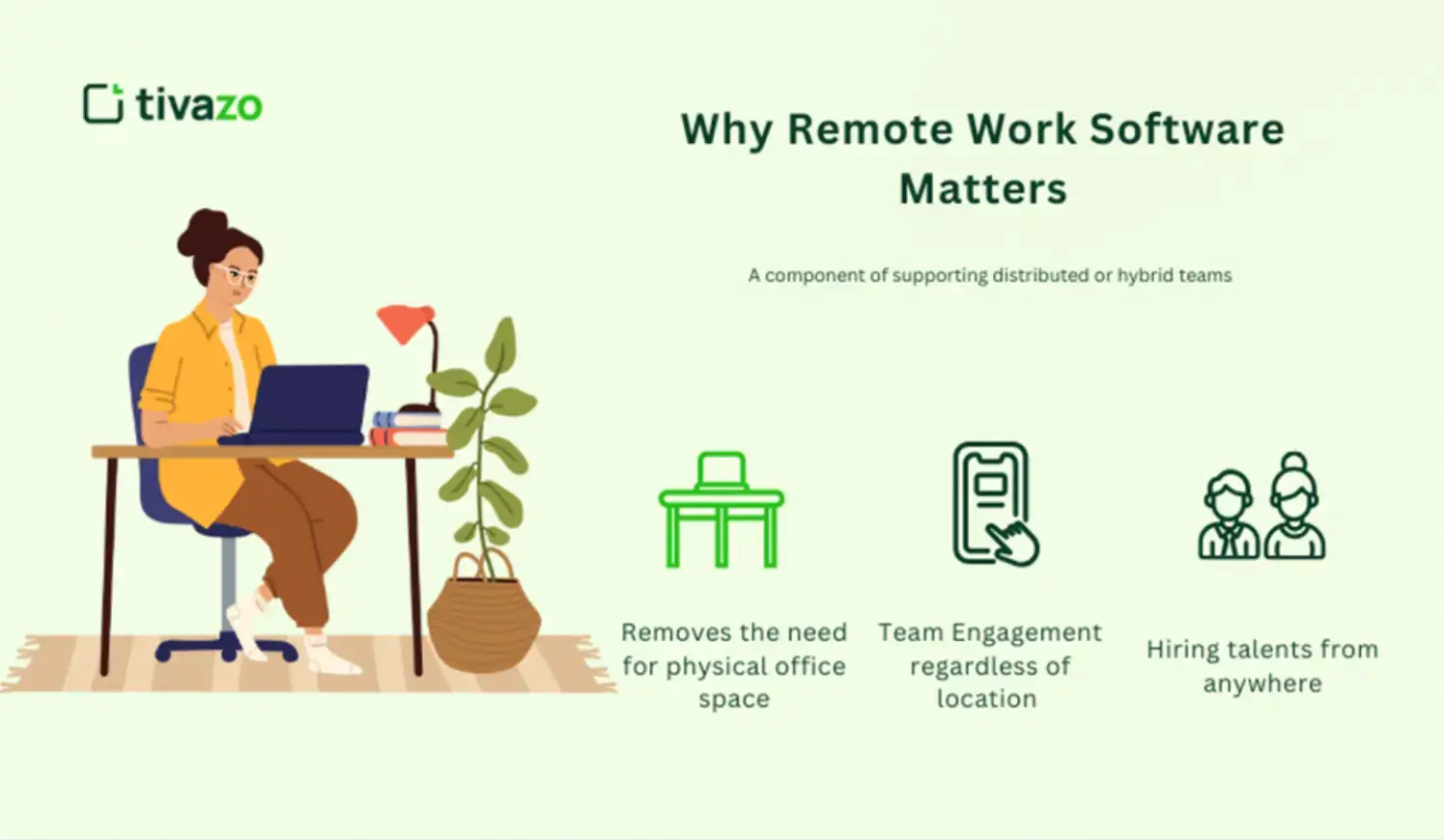
Remote work demands software that fits how your teams operate. Meeting these needs requires solutions designed for distributed environments.
Designing software around user workflows ensures the tools match daily tasks and communication styles. This reduces frustration and boosts productivity.
When software is intuitive and user-focused, collaboration becomes easier. It also lowers the time spent on training, helping your teams get up to speed faster.
“The future of remote work hinges on building digital tools around human behavior, not forcing humans to adapt to rigid systems.” – Forrester Research, 2023 Remote Work Trends
Protecting Data with Built-In Security and Compliance
Source: bright defense
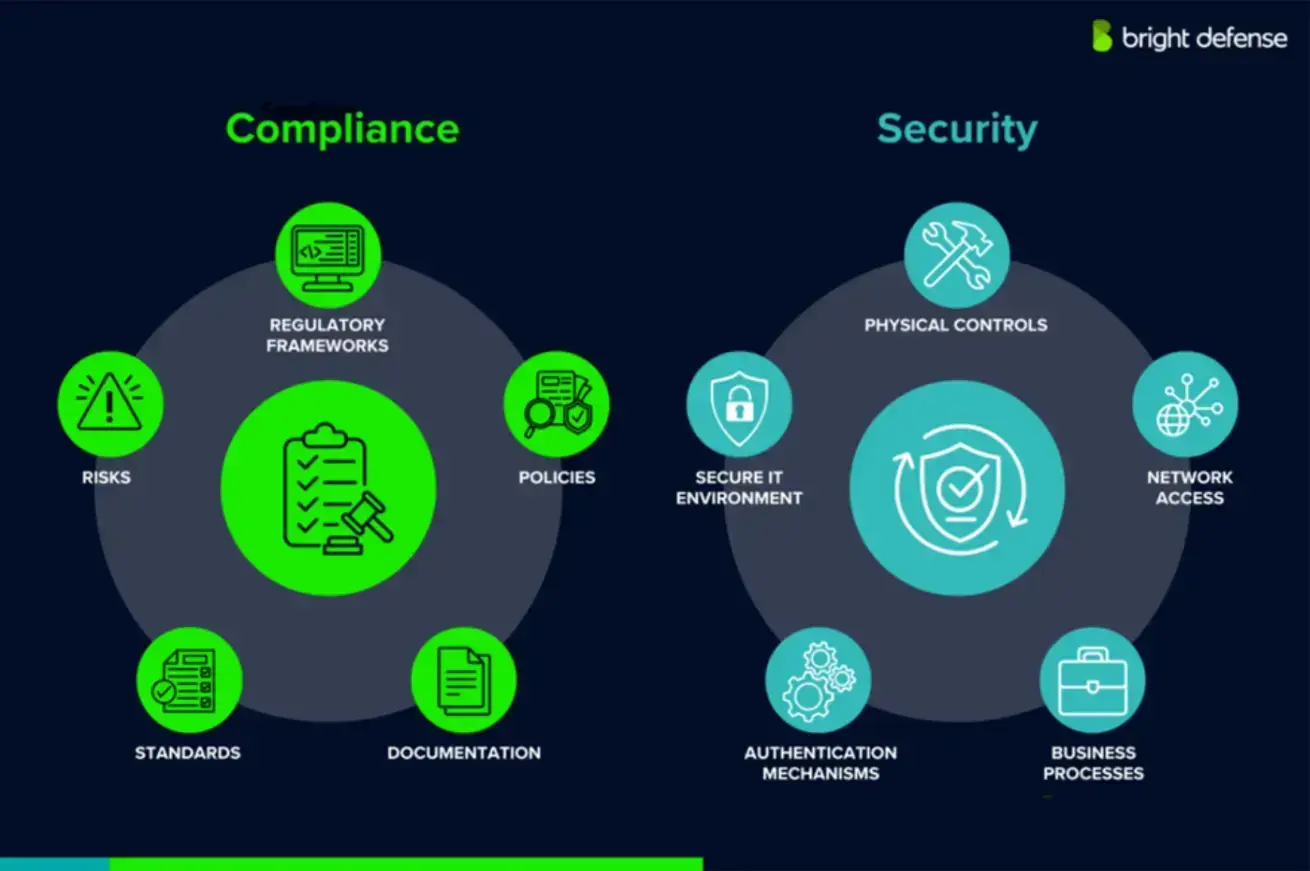
As your business grows, protecting sensitive data becomes increasingly important. A custom software development company can include security features tailored to the risks specific to your business.
Custom security measures reduce risks by addressing vulnerabilities unique to your operations. This strengthens trust with your customers and partners.
Designing Software that Adapts to Future Needs
Business priorities and processes change over time, sometimes faster than expected. Planning custom software with these changes in mind helps avoid costly rewrites or full replacements down the road.
Flexible software means building modular systems that can be updated or expanded as new opportunities arise. This way, your business can respond quickly to market demands without disrupting daily work.
Investing in adaptable solutions protects your resources and keeps your technology aligned with your goals. It ensures your software supports your business as it moves forward.
“Custom software is not just about solving today’s challenges; it’s about building a foundation that adapts to your business as it evolves. Companies that invest in tailored solutions are better positioned to innovate and scale without disruption.” – Gartner
Gaining an Edge with Customized Features
Source: Apptunix
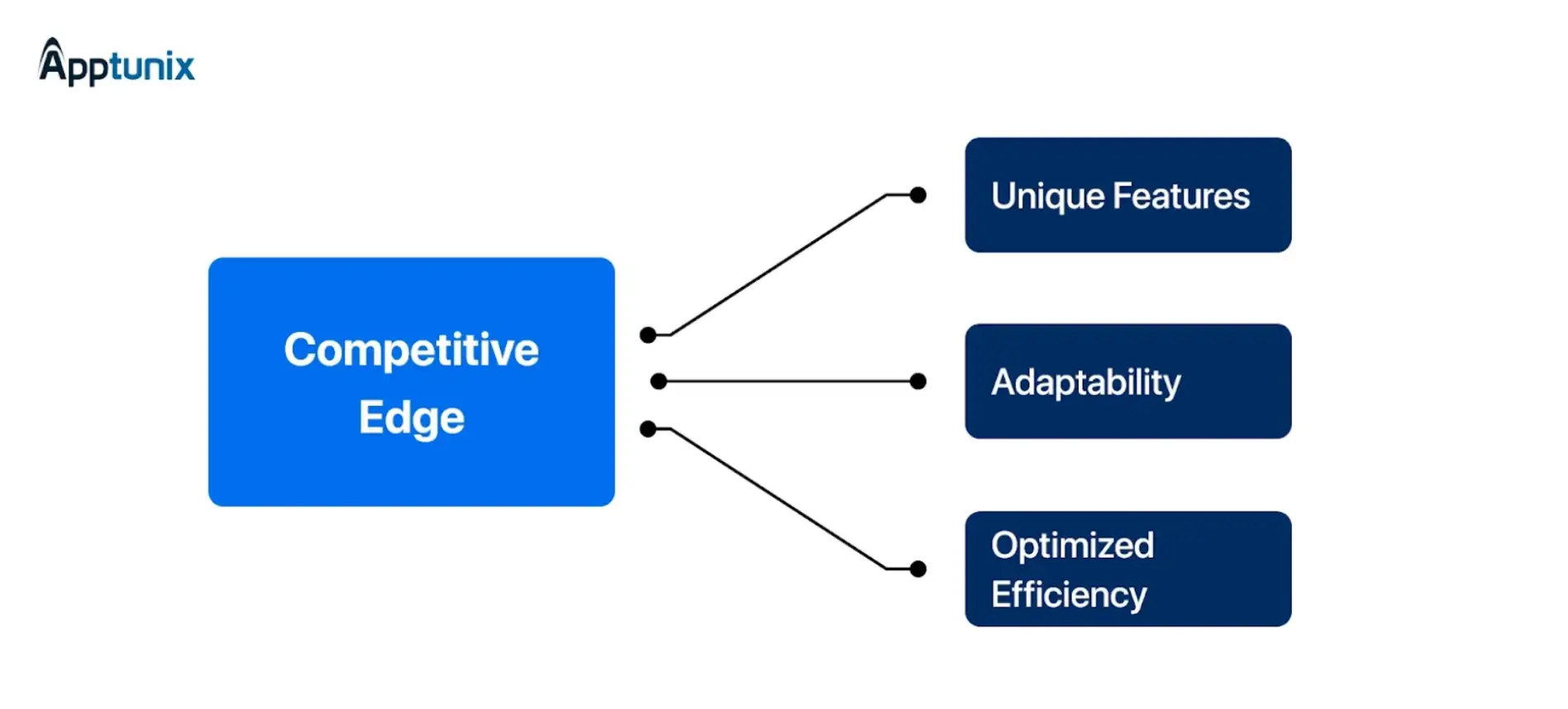
Developing unique features helps your business differentiate itself from competitors. Custom software can include specific functions designed to meet your exact requirements.
These features improve your operational capabilities, enabling you to deliver services or manage processes in ways that standard software cannot support.
By having software built around your distinct needs, you can enhance customer experience and create new opportunities that set you apart in the market.
To achieve this effectively, it’s often best to hire an expert custom software company like CISIN that can translate your vision into scalable, high-quality solutions.
Managing Costs and Measuring Return on Investment
Upfront costs for custom software may be higher than off-the-shelf options, but they can lead to long-term savings. You can lower ongoing operational expenses by reducing manual work and minimizing errors.
A custom software development company also helps avoid recurring licensing fees and hidden costs that can add up over time with standard software solutions.
Calculating the return on investment means looking beyond initial spending. It involves measuring how the software improves efficiency, supports growth, and reduces future expenses.
Ensuring Ongoing Support and Improvements
Source: OurVil Software
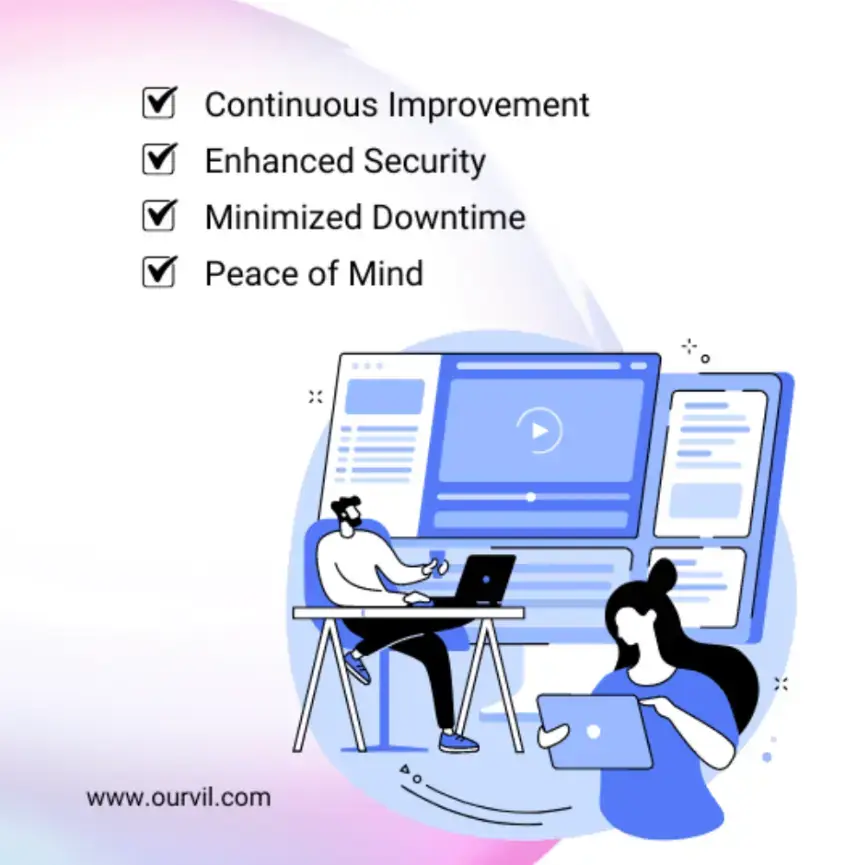
Dedicated support for maintenance and updates is crucial to keep your software functioning reliably. Regular attention prevents small issues from escalating into costly downtime or disruptions.
Consistent updates also keep the software aligned with your changing business goals. With proper support, your software continues to support operations effectively and avoids becoming outdated or ineffective.
Conclusion: Why Custom Software Is the Key to Scalable Growth
Custom software for business forms a solid foundation for growth by addressing your company's specific needs. Automation and system integration reduce manual tasks and improve accuracy, allowing your team to focus on higher-value activities.
Supporting remote teams with user-focused design improves collaboration and speeds up onboarding, which is critical in today’s flexible work settings.
As your business grows, built-in security and compliance protect sensitive data and reduce risks associated with expansion.
Flexible software design prepares your systems for future changes, preventing costly replacements and keeping technology up to date.
Although the initial investment can be substantial, the long-term benefits include cost savings, improved efficiency, and a measurable return on investment.
Regular maintenance and updates ensure your software stays aligned with evolving business goals. This combination of careful development and ongoing support keeps your software an effective asset as your company scales.
For businesses aiming to grow efficiently and maintain a competitive position, custom business software offers a practical solution that addresses common challenges and supports growth.
FAQs About Custom Software for Business Growth
1. Why should businesses choose custom software instead of off-the-shelf solutions?
Custom software is built to match your specific processes, ensuring better automation, integration, and flexibility. Unlike off-the-shelf solutions, it adapts to your evolving needs and supports long-term scaling.
2. How does custom software help businesses scale faster?
It reduces manual work through automation, improves cross-team collaboration, integrates existing systems, and provides data-driven insights. These benefits streamline operations and make scaling more efficient.
3. Is custom software secure for growing businesses?
Yes. A custom software development company can embed security features tailored to your business risks and compliance requirements, helping you protect sensitive data and avoid costly breaches or penalties.
4. What is the ROI of investing in custom software?
Although the upfront cost is higher, custom software lowers long-term expenses by cutting manual work, reducing errors, eliminating licensing fees, and ensuring scalability. These factors contribute to a strong return on investment.
5. Can custom software adapt to future business needs?
Absolutely. Custom solutions can be designed with modular, flexible architectures, enabling easy updates, feature expansions, and integrations as your business priorities or market conditions change.

Author Bio
Shahid Mansuri is the co-founder of Peerbits, a global tech company specializing in software development, mobile and web app development, DevOps, and AWS cloud solutions. With over 10+ years of experience, he leads initiatives for the company's diverse service profiles. Patel’s deep expertise in scalable systems and agile delivery helps businesses accelerate innovation and build high-performing digital products.