
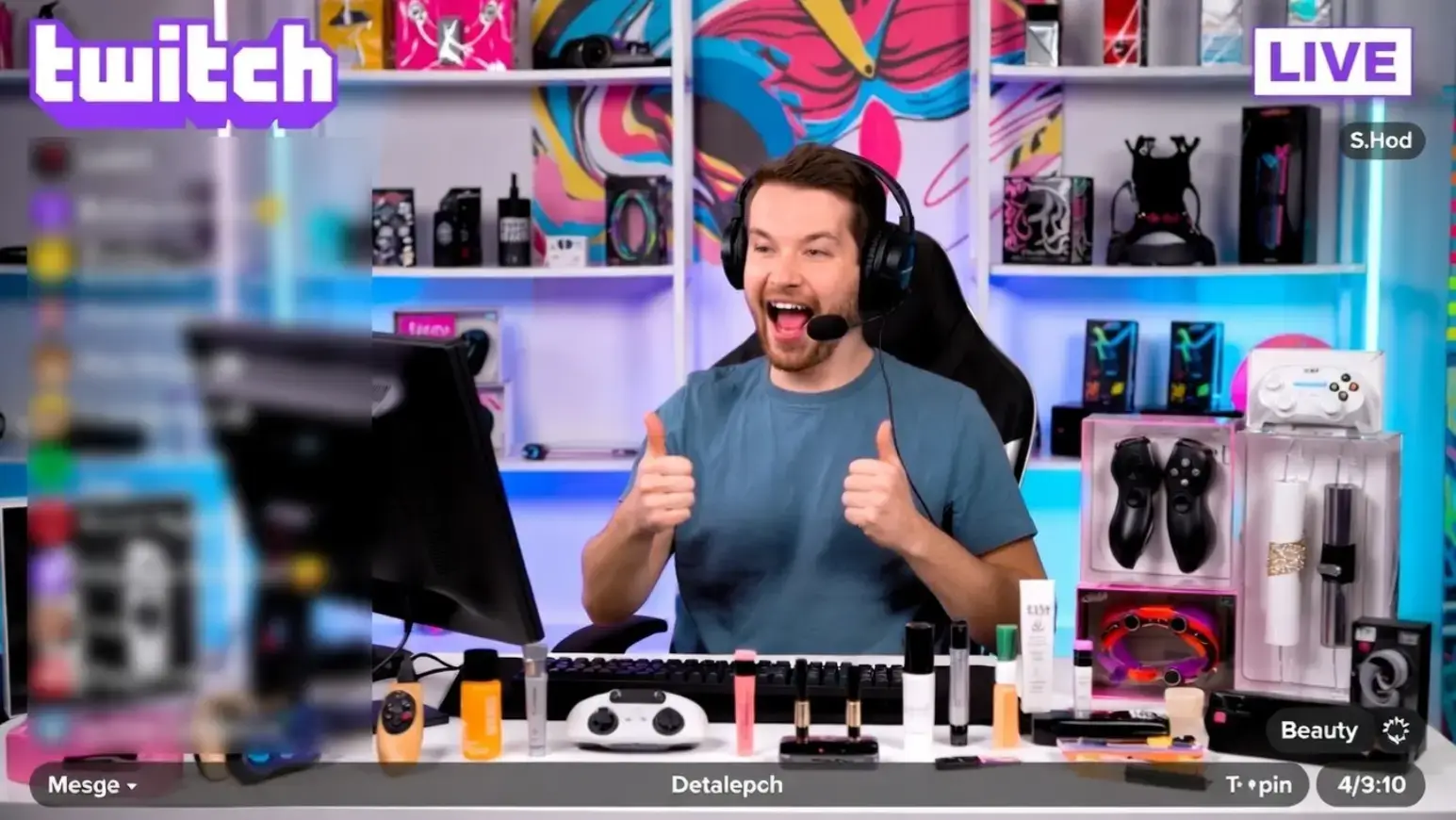
Did you know that the global live commerce market is expected to reach over $500 billion by 2030? That's right. Live shopping is taking off, and it's no longer just a Chinese phenomenon.
In 2025, Twitch rolled out shoppable in-stream elements with Amazon Ads. That's a huge deal for the future of live shopping.
For smaller brands that struggle to compete with large advertising budgets, this kind of direct engagement can level the playing field.
In this article:
- Why Twitch Is Becoming a Live Commerce Powerhouse
- Best Live Commerce Platforms Compared (Twitch, TikTok, YouTube & More)
- How to Turn Viewers into Customers (Proven Live Commerce Strategies)
- Common Live Commerce Challenges (and How to Overcome Them)
- Real Examples of Live Commerce Success
- The Future of Live Commerce (What to Expect Next)
I've been keeping an eye on the space for a while now, and the data is clear. Live streaming for e-commerce is a phenomenon that combines the terms live shopping or live video commerce.
Live streaming for e-commerce is a live broadcast in which the host showcases products to the audience, interacts with viewers, answers questions, and allows them to make purchases. It is essentially the QVC of the digital age. And let's be honest here: it is far more effective.
There is no question that live streaming is the future of brand marketing. Why? Well, it creates a connection between a screen and a human.
That human connection is exactly what many small businesses need to stand out in crowded online marketplaces. So let's look at how it all works from Twitch to TikTok.
The Evolution of Live Commerce: From China to Twitch
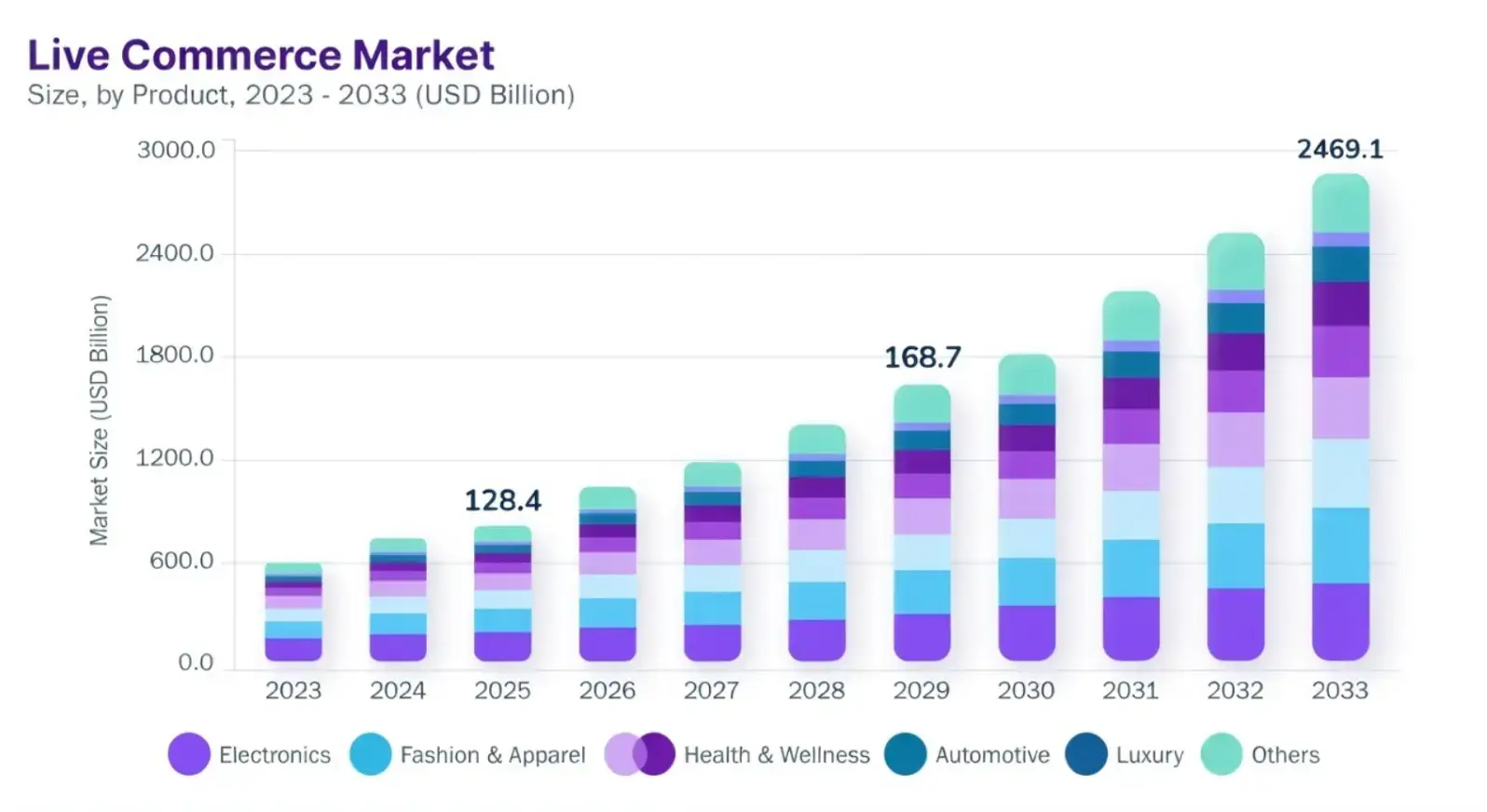
Live commerce was not invented in the West. In fact, it first blew up on Taobao Live in China around 2016.
People went live for hours talking about clothes, makeup, gadgets, etc. People were buying like crazy because they could ask questions and use the product on the spot.
Live commerce then arrived in the West a few years later. TikTok Shop made it huge for the younger generation. Whatnot became the new go-to for collectibles and sneaker live streams.
Amazon went all-in on live features. Then, in 2025, Twitch finally added in-stream shopping. e.l.f. Cosmetics was one of the first to join the party.
The data is compelling. Cart abandonment is 50-60% lower for many live streams compared to regular online shops.
Why? Because people trust the experience. Customers trust what they see because the product is demonstrated live and questions are answered immediately.
For small businesses, this trust factor can be incredibly powerful.
Instead of competing on paid ads, smaller brands can compete on personality, authenticity, and community engagement.
Here's a quick look at recent milestones:
- 2024–2025: TikTok Shop and Whatnot reported record-breaking sales events. Amazon doubled down on live shopping features.
- 2025: Twitch launched native in-stream shoppable elements with partners like e.l.f. Cosmetics — a first for the platform.
- Conversion advantage: Live shopping experiences see 50–60% lower cart abandonment than traditional e-commerce. That's massive.
Why Twitch Is Becoming a Live Commerce Powerhouse
Twitch originally built its reputation around gaming streams.
Today, however, the platform hosts a wide range of content—from tech reviews and cooking streams to beauty tutorials and lifestyle discussions.
That diverse audience creates opportunities for small brands selling niche products.
Gaming accessories, skincare, collectibles, streetwear, supplements, and tech gear all perform particularly well in livestream environments.
The biggest change came when Amazon introduced native in-stream shopping features in 2025.
Now viewers can click on products displayed during a stream and purchase them instantly without leaving the broadcast. That seamless experience dramatically improves conversions.
For smaller sellers, this matters because every extra step in the checkout process reduces sales.
Twitch’s format also favors authenticity. Streamers often build deep trust with their audiences, and many viewers report trusting streamer recommendations more than traditional ads.
One of the first major brands to try this out was e.l.f. Cosmetics, which launched a channel called eyes.lips.first. and blended makeup how-to videos with gaming culture. It was a huge hit thanks to its relaxed, authentic vibes.
Streamers already have a ton of trust with their audiences, with more than half of their engaged fan base saying they trust their favorite streamer’s recommendations more than traditional ads.
Creators win too. They get real-time questions, can run flash sales, and spark impulse buys when the moment feels right. Its sales don’t feel like sales.
Best Live Commerce Platforms Compared (Twitch, TikTok, YouTube & More)
Twitch is fun, but it's not the only game in town. Let's take a look at the lay of the land.
YouTube Live (Best for Evergreen + SEO Sales)
This is good for longer-form content that's a bit more educational. Think "watch me do this," "watch me do that," "watch me compare these two things," etc.
The SEO is also nice, meaning your live streams will continue to work for you even after you're done recording them. This is good if you're selling something complex that needs explanation.
TikTok Live (Best for Impulse Purchases)
This is good for impulse buys, plain and simple.
The built-in "Shop" feature means that your product is just a click away for your customers. This is good if you're marketing to a younger crowd and have something visually exciting to sell.
Other Platforms (Instagram, Amazon Live, Whatnot, Kick)
Kick is the new kid on the block, but it's definitely worth checking out. They offer better revenue-sharing for content creators than Twitch, and it's not yet crowded, which is good news for early adopters.
Other platforms worth knowing:
- Instagram Live works well for visual products — fashion, beauty, home décor.
- Amazon Live is purpose-built for selling, with direct product tie-ins and Amazon's built-in buyer trust.
- Whatnot is a standout for collectibles, trading cards, vintage finds, and niche categories.
Pro tip: Don't spread yourself too thin. Pick one or two platforms where your audience already lives. Then consider tools like Restream to simulcast once you've dialed in your system.
For the startups, start with one platform where your audience already spends time. Expanding too quickly across multiple platforms can dilute your efforts.
How to Turn Viewers into Customers (Proven Live Commerce Strategies)

Let’s talk about something real for a minute. How do you turn viewers into customers?
Set Up a Professional (but Simple) Streaming Environment
This all starts with the video setup. We don't all have a Hollywood movie studio, but we do need proper lighting, a clear microphone, and reliable high-speed Internet.
For small businesses entering live commerce, success often comes down to preparation and authenticity rather than expensive production equipment.
When viewers see you with blurry video or hear you with muffled audio, they quickly lose faith in you!
Overlays are a great way to display product names and prices to your viewers. Make sure your overlays are clear and easy to read.
Engage Viewers in Real Time (Chat, Polls, Q&A)
Interacting with your audience is important because interaction really makes or breaks live streaming!
Be active in the chat. Answer questions out loud as they're asked. Poll your viewers. Respond to comments with excitement.
When viewers feel you're acknowledging them as your host, they will stay with you longer. And the longer they stay with you, the more likely they are to buy.
Create Urgency Without Being Pushy
Create urgency in your viewers' minds. Flash sales, one-day-only discounts, and "only X left in stock" statements all help create urgency.
I've seen some brands double their conversion rates with a well-timed countdown timer. Be careful not to deceive your viewers, as they will see through it!
Make Buying Frictionless (Links, Checkout, UX)
Simplify the checkout process, and Twitch's integration with Amazon helps! The quicker someone can go from "I want this" to "I bought this," the better.
You can do this by:
- Pinning product links in chat.
- Repeating the checkout process.
- Assuming that the viewer is watching with one hand.
Repurpose Streams to Drive Ongoing Sales
Repurpose your content after you end a stream. Upload the replay later. Create short clips from your stream for social media.
Remember, the sale doesn't happen when you end your stream; many of your greatest customers will discover you through a replay.
Common Live Commerce Challenges (and How to Overcome Them)

Live commerce has its faults, and it is necessary for us to convey these truths without any sugarcoating.
Platform Risk and Dependency
Changes to platform policies can severely impact your project. We've seen Twitch experiment with shopping features and then revert them.
Always have a Plan B, and do not base your entire strategy on a single platform.
Avoiding the “Too Salesy” Trap
Coming off too salesy is the kiss of death. Anyone who is familiar with or watches Twitch will tune out or troll your stream when it looks like an infomercial.
You may want to treat your stream as if you were hanging out with someone, recommending a product rather than yelling, "You must buy this right away!"
Technical Issues and Setup Failures
Technical issues do exist. Dropping streams, lag, and out-of-control chats are all real problems that affect any streamer; therefore, you should invest in a quality router.
If necessary, use a co-host or moderator to help with chat activity during peak times. And it goes without saying that you should test everything before you go live.
Standing Out in a Crowded Market
There are more and more brands in the market today; therefore, standing out from the others becomes increasingly difficult. With more and more brands entering the market, discoverability becomes increasingly difficult.
To overcome this challenge, maintain a consistent schedule, ensure your titles/tags/thumbnails are optimized for social media SEO, and build a loyal following/community.
Legal, Shipping, and Trust Issues
Legal and compliance issues are just as important as the other issues listed above. Transparency around shipping policies, return options, and delivery timelines is also crucial—especially for small businesses trying to build long-term trust with customers.
Real Examples of Live Commerce Success

Real-world examples make this stuff click. Here are a few worth knowing about.
e.l.f. Cosmetics on Twitch
e.l.f. Cosmetics on Twitch was a groundbreaking move in 2025. They created a dedicated channel blending makeup tutorials with gaming culture.
The result? They reached an audience that traditional beauty campaigns never could — female gamers who felt completely overlooked by the beauty industry.
The campaign was authentic, culturally relevant, and drove real sales.
TikTok Live High-Revenue Streams
TikTok Live shopping events from beauty brands and creators have routinely generated hundreds of thousands — sometimes millions — in revenue during single multi-hour streams. When it works, it really works.
Whatnot and Niche Commerce
Whatnot has built an entire business model around live selling for collectibles. Streamers on the platform sell trading cards, vintage items, and limited-edition goods through live auctions.
Some creators earn six figures monthly. It proves that niche live commerce can be just as powerful as mass-market plays.
QVC’s Digital Reinvention
QVC's online evolution is also worth noting. Brands like QVC have moved from cable TV to TikTok, and they are killing it. They bring that professional hosting energy to a younger platform, and it works.
Even individual creators are making millions. I’ve seen streamers do "mystery box" openings that sell out in minutes because the suspense is so high.
These stories show that a small business growth strategy often starts with social media and a strong community focus.
The common thread? Authenticity. Engagement. A genuine connection between host and viewer.
The Future of Live Commerce (What to Expect Next)
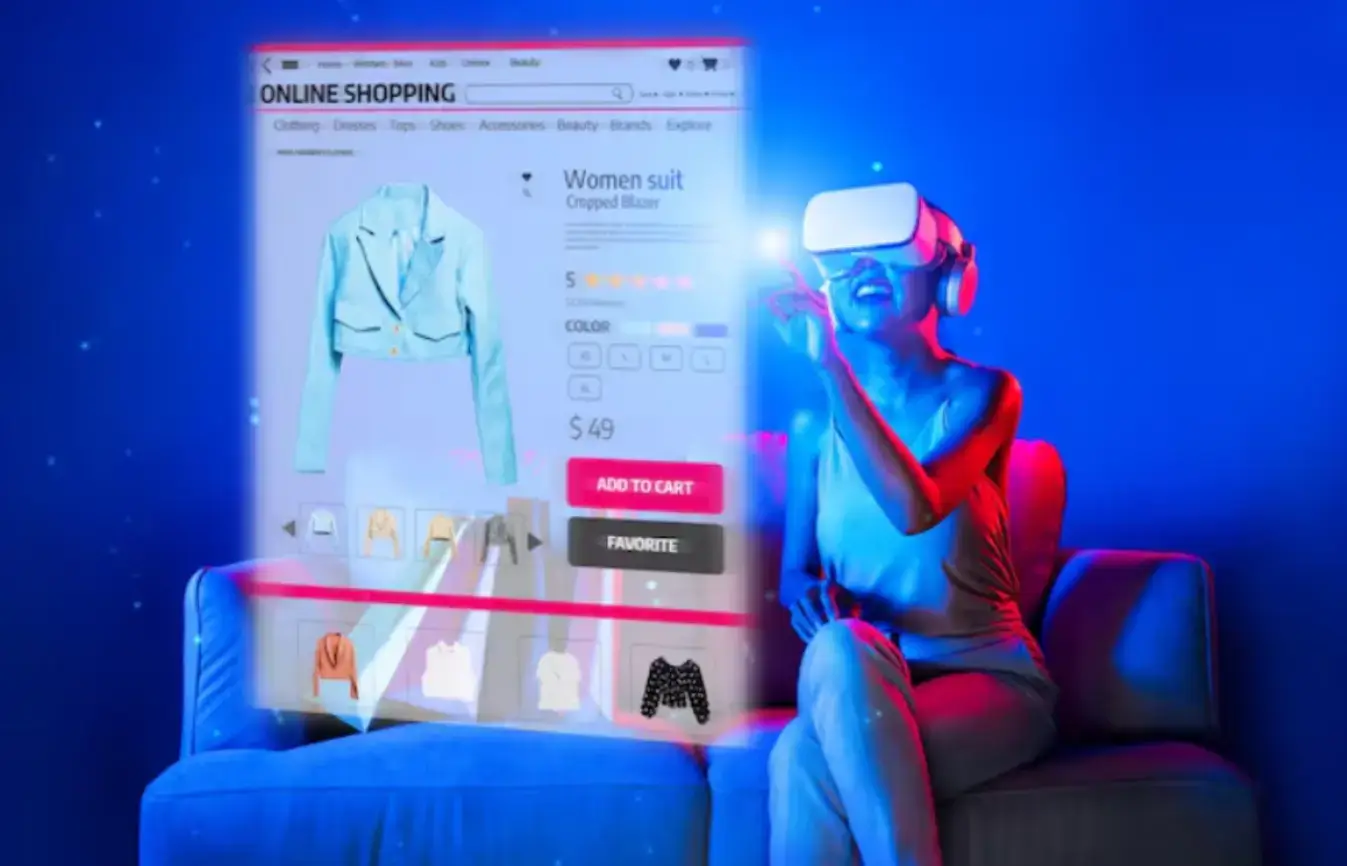
Artificial intelligence (AI) is coming to a chat room near you — truly!
We are seeing a rise in AI moderation, AI recommendation engines and even AI hosts, and it won’t be long before virtual streamers (VTubers) promote products on behalf of large brands as part of their upcoming ad campaigns.
We are seeing more and more integrated systems across multiple platforms.
Online video game developers are starting to realize how much money can be made by taking advantage of the commercial opportunities available to them.
By the end of 2026, every major streaming platform will offer more native checkout methods, tools for monetizing creators, and programs that partner brands with creators.
Many niche verticals are thriving in this economic climate.
Categories such as gaming peripherals, collectibles, sports memorabilia, beauty products, etc., are all benefiting from live commerce because they have an existing, highly engaged community of people already interested in the goods being sold.
If you can identify your niche and take good care of it, there is virtually limitless potential.
Small businesses also have a good opportunity to take advantage of this new sales channel.
Compared to traditional retail, live commerce creates a much more level playing field for small and large businesses.
By 2027, I believe live commerce will be an integral part of every brand's marketing budget, just as social media ads and influencer marketing campaigns are today.
Conclusion
Live streaming for e-commerce isn't a trend. It's a fundamental shift in how people discover, evaluate, and buy products. It bridges entertainment and shopping in a way that feels natural, human, and fun.
Whether you're a brand looking to reach new audiences or a creator wanting to monetize your community, the opportunity is right in front of you.
Start where your audience already is. Don't overthink the setup. Show up, be real, and let the products speak for themselves — with your help. Twitch, TikTok, YouTube, Kick — they're all valid starting points. The key is to start.
Frequently Asked Questions About Live Commerce
1. Do I need a huge following to start live shopping on Twitch or TikTok?
No, not at all. Plenty of smaller creators and brands see great results with just a few hundred consistent viewers. The magic happens because people in live streams are super engaged—they’re already there hanging out with you. Start small, be consistent, and focus on chatting with whoever shows up. Your community will grow naturally.
2. How much does it cost to get started with live commerce?
Almost nothing upfront on most platforms. Twitch, TikTok Live, YouTube Live, and Kick are free to stream on. You might spend $50–200 on basic gear (a good ring light, a microphone, maybe a phone tripod), but many people start with just their phone and natural light. The real “cost” is time—planning your stream and showing up regularly.
3. Which platform should I pick if I’m just starting out?
It depends on your audience and what you sell. If you’re into gaming, tech, or have a fun, chatty vibe → start with Twitch (especially now with Amazon’s shoppable features). If you sell trendy fashion, beauty, or impulse items → TikTok Live is unbeatable for quick sales. Want long, detailed demos that live forever? Go YouTube. Test one first—don’t try to do everything at once.
4. Can I sell physical products if I’m not in the US?
Yes, but check platform rules and your local shipping setup. Twitch and Amazon make it easy if you sell through Amazon, but TikTok Shop and others support international sellers in many countries now (including parts of Asia and Europe). Be super clear about shipping times, costs, and customs. Transparency avoids angry customers.
5. How do I avoid sounding too salesy during a live stream?
Talk about the product like you’re recommending it to a friend. Show it in use, share honest pros/cons, answer tough questions, and mix in fun non-sales content (games, stories, polls). The best sellers spend 70–80% of the time entertaining or educating, and only 20–30% pushing the buy. People buy when they feel you’re helping them, not pressuring them.
6. What if nobody buys during my first few lives?
Totally normal. Most creators don’t see sales right away—it usually takes 5–10 consistent streams to build momentum. Keep engaging, ask for feedback in chat, tweak what you show and how you present it. Track views, watch time, and chat activity. Sales follow trust, and trust takes a little time.

Author Bio
Liam Perez is a sports enthusiast and technology lover who enjoys staying on top of the latest innovations while keeping up with his favorite teams. Whether exploring new gadgets, following major sporting events, or diving into digital trends, Liam blends his passion for tech and athletics in both his work and free time.