

When users search for a lawyer or a healthcare provider, they are rarely in a relaxed state of mind.
More often, they are dealing with urgency, confusion, or even fear. In such moments, trust becomes the deciding factor more than just expertise or pricing.
Your website is often the first interaction users have with your practice. Before they make a call or book a consultation, they assess your credibility through design, content, and messaging.
SEO plays a role beyond visibility—it helps shape how reliable and professional your practice appears to potential clients or patients.
A well-optimized website not only attracts traffic but also reassures visitors that they are in the right place and can move forward with confidence.
Why Trust Matters in Legal & Medical SEO (YMYL Explained)
Legal and medical services fall under what Google defines as “Your Money or Your Life” (YMYL) categories. These are areas where inaccurate information or poor decisions can have serious consequences.
Google’s own guidance reinforces this, noting that pages in these categories must demonstrate strong expertise and trust signals to be considered reliable.
This means that the law firm SEO and medical SEO for practices must prioritize credibility as much as visibility.
From a user’s perspective, the logic is simple: if a website feels unclear or unreliable, they won’t risk taking the next step. Trust directly influences both engagement and conversions.
In practical terms, this means trust impacts:
- Whether users stay on your website or leave immediately
- Whether they choose your service over a competitor
- Whether they convert into leads, calls, or bookings
1. Use Professional Website Design to Build Instant Credibility
Design plays a silent but powerful role in building trust. Within seconds of landing on your website, users form an impression that either reassures them or creates doubt.
Every small practice can learn from how trusted healthcare platforms like Mayo Clinic structure their websites.
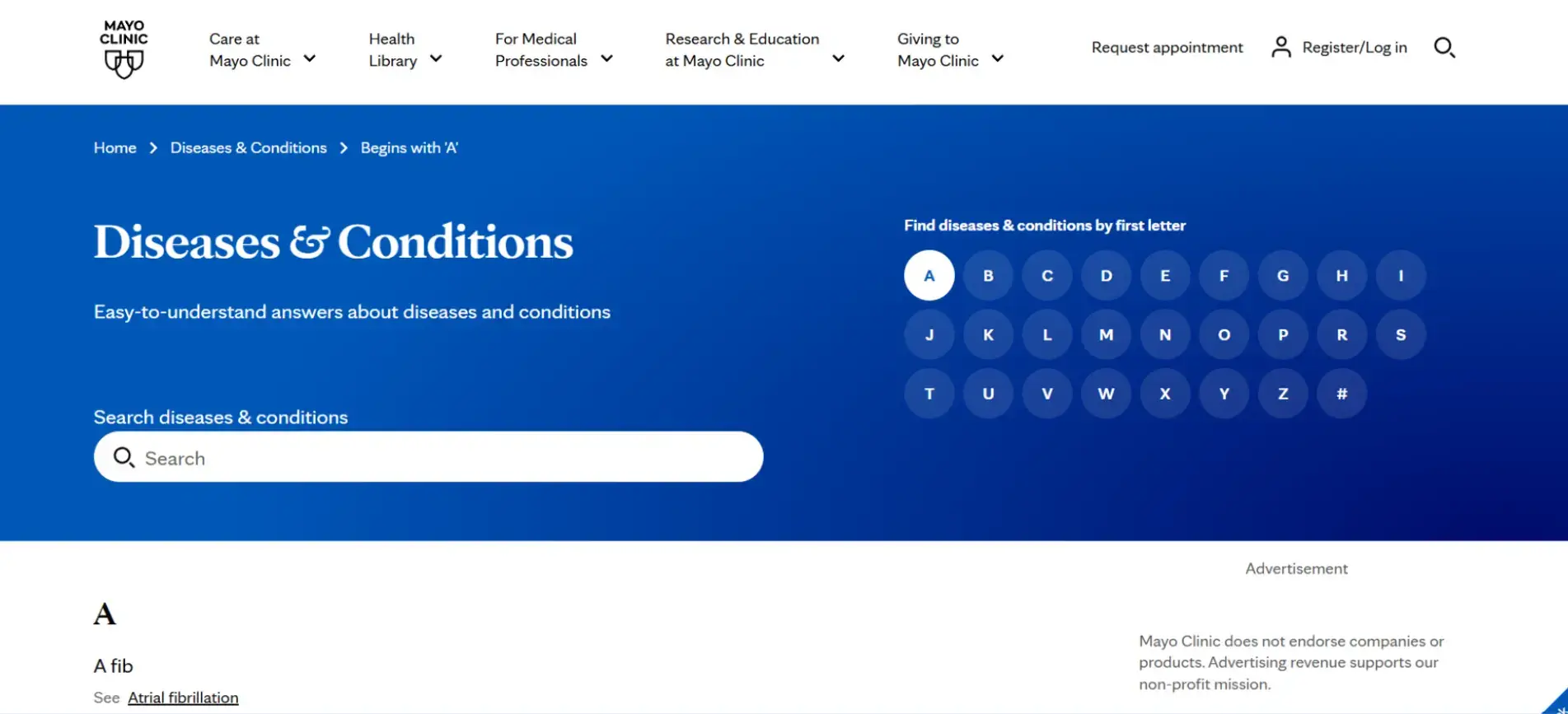
Its clean layout, calming colour palette, and structured information about diseases and conditions immediately communicate authority and reliability. There is no unnecessary clutter, only clarity.
Alongside, legal websites such as Morgan & Morgan rely on bold typography and structured layouts to convey professionalism and control.
While the visual tone differs, the goal remains the same: to instill confidence.
A modern, responsive design improves user experience while also supporting search performance by reducing bounce rates and increasing time spent on the site.
2. Demonstrate Real Expertise and Authority
In both legal and medical fields, users want to know exactly who they are trusting. Anonymous or generic websites rarely inspire confidence.
In healthcare, platforms like Cleveland Clinic strengthen trust by involving qualified professionals in their editorial process. Their articles clearly outline references and medical reviewers, reinforcing authority and accountability.
Similarly, law firms can build credibility by showcasing detailed attorney profiles, including credentials, experience, and real photographs.
This helps create a stronger connection with potential clients.
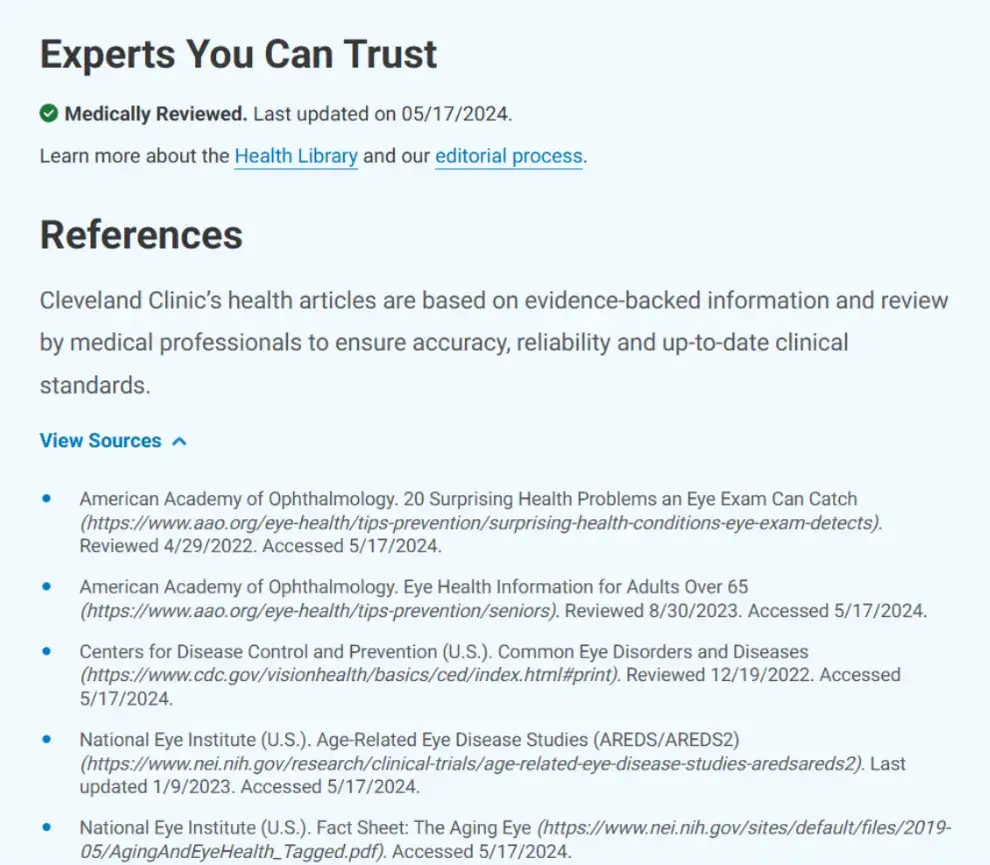
Their articles outline all the references upon publication. This structured review process reinforces authority, accountability, and user trust.
Even smaller medical practices can apply the same principle by clearly showing sources, credentials, and professional oversight in their content.
For example, a rheumatologist in Indiana who lists board certifications and peer-reviewed references builds the same level of confidence as larger platforms.
The same applies to SEO for lawyers. Law firms investing in a good website can improve their online presence over time.
The website, which showcases detailed attorney profiles complete with credentials, experience, and real photographs, creates a stronger emotional connection with potential clients.
3. Improve Trust with Clear Services and Process Transparency
One of the biggest barriers to conversion is uncertainty. When users don’t understand what will happen next, they hesitate.
Clear communication helps remove this friction.
Instead of overwhelming visitors with technical jargon, effective websites break down complex information into simple, easy-to-follow steps.
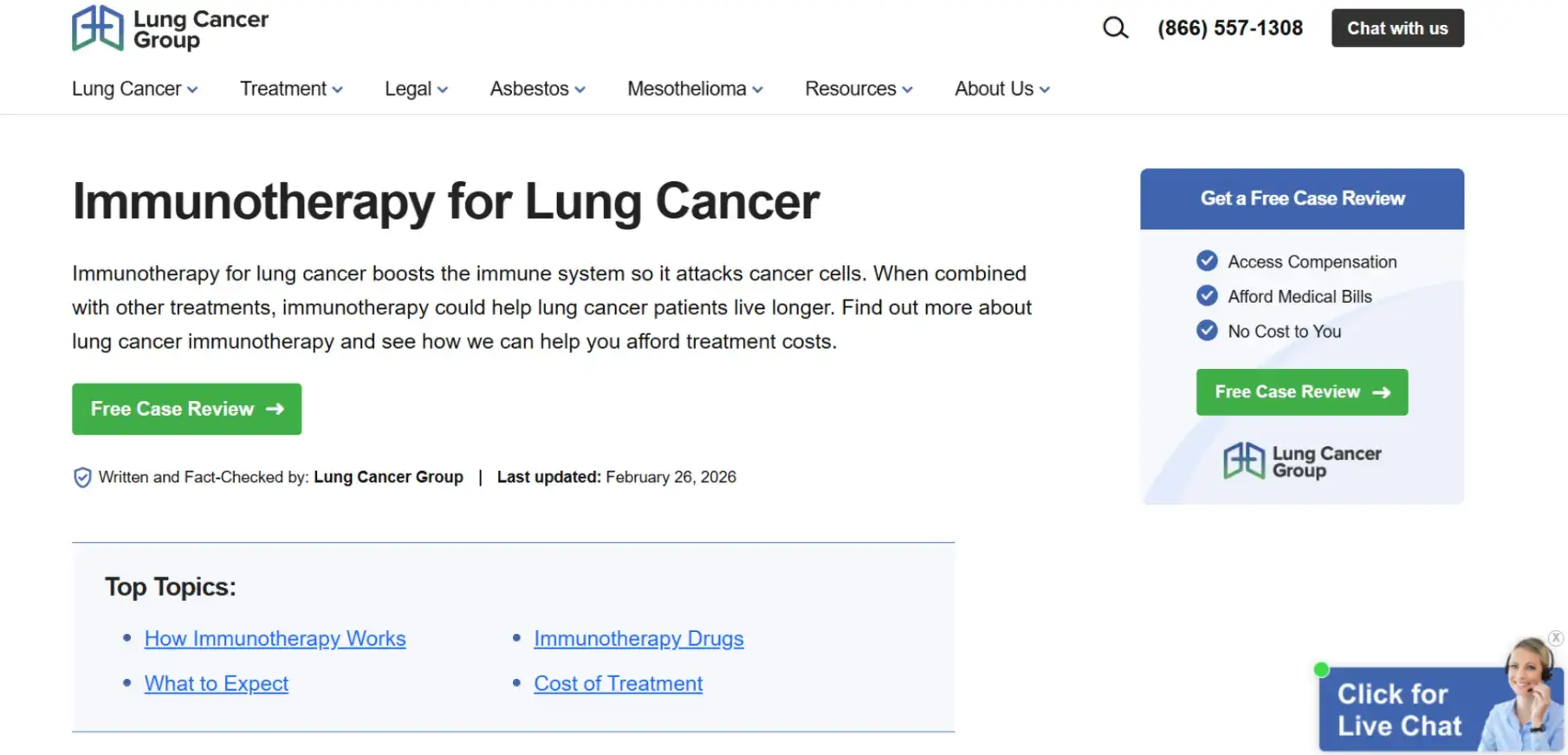
For example, platforms like Lung Cancer Group present complex medical and legal information in a way that is accessible and reassuring. This clarity helps users feel guided rather than overwhelmed.
Small law firms, independent attorneys, and healthcare practices can apply the same approach by explaining services and processes in simple, structured language instead of relying on technical jargon.
Transparency improves user trust and can also strengthen law firm SEO, as search engines favour content that aligns with user intent.
4. Build Trust Through Educational Content (Content Marketing Strategy)
Content is one of the most effective ways to build long-term trust. Instead of focusing solely on promotion, successful websites prioritize education.
This highlights why maintaining accuracy, transparency, and user experience over time is essential for long-term credibility.
Verywell Health is a strong example of this approach.
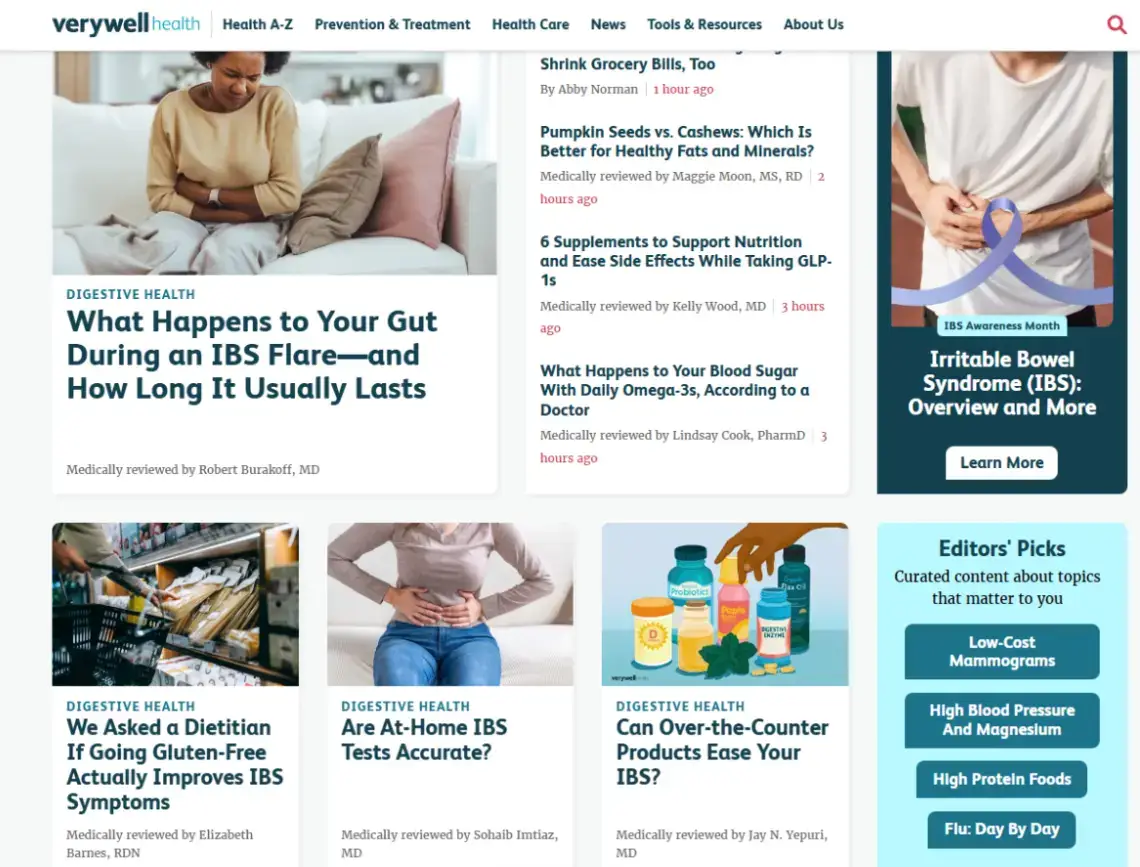
Its content is designed to answer real user questions in a clear and accessible way, positioning it as a reliable resource rather than just another website.
The same principle applies to private healthcare providers. When your content genuinely helps users understand their situation, it positions your practice as a trusted source of information.
Enhancing this experience with interactive elements can further improve engagement. Investing in engagement tools shows how small additions can make content more dynamic and user-friendly.
5. Use Social Proof to Strengthen Credibility
Even with a professional design and strong content, users often look for validation from others before making a decision. Social proof—such as reviews, testimonials, and case outcomes—provides that reassurance.
In legal websites, showcasing case results helps demonstrate expertise and success. In healthcare, patient stories create emotional reassurance and relatability.
However, authenticity is crucial. Misleading or fabricated testimonials can damage credibility and negatively impact both SEO for lawyers and medical SEO.
6. Improve Website Usability and User Experience
A confusing website quickly erodes trust. Users expect a seamless experience where information is easy to find and actions are simple to complete.
Google highlights the importance of performance, noting that a significant number of users abandon slow-loading pages. This makes usability a critical factor for both user trust and SEO performance.
The NHS website is the best reference for usability because of its simple structure and search-first navigation.
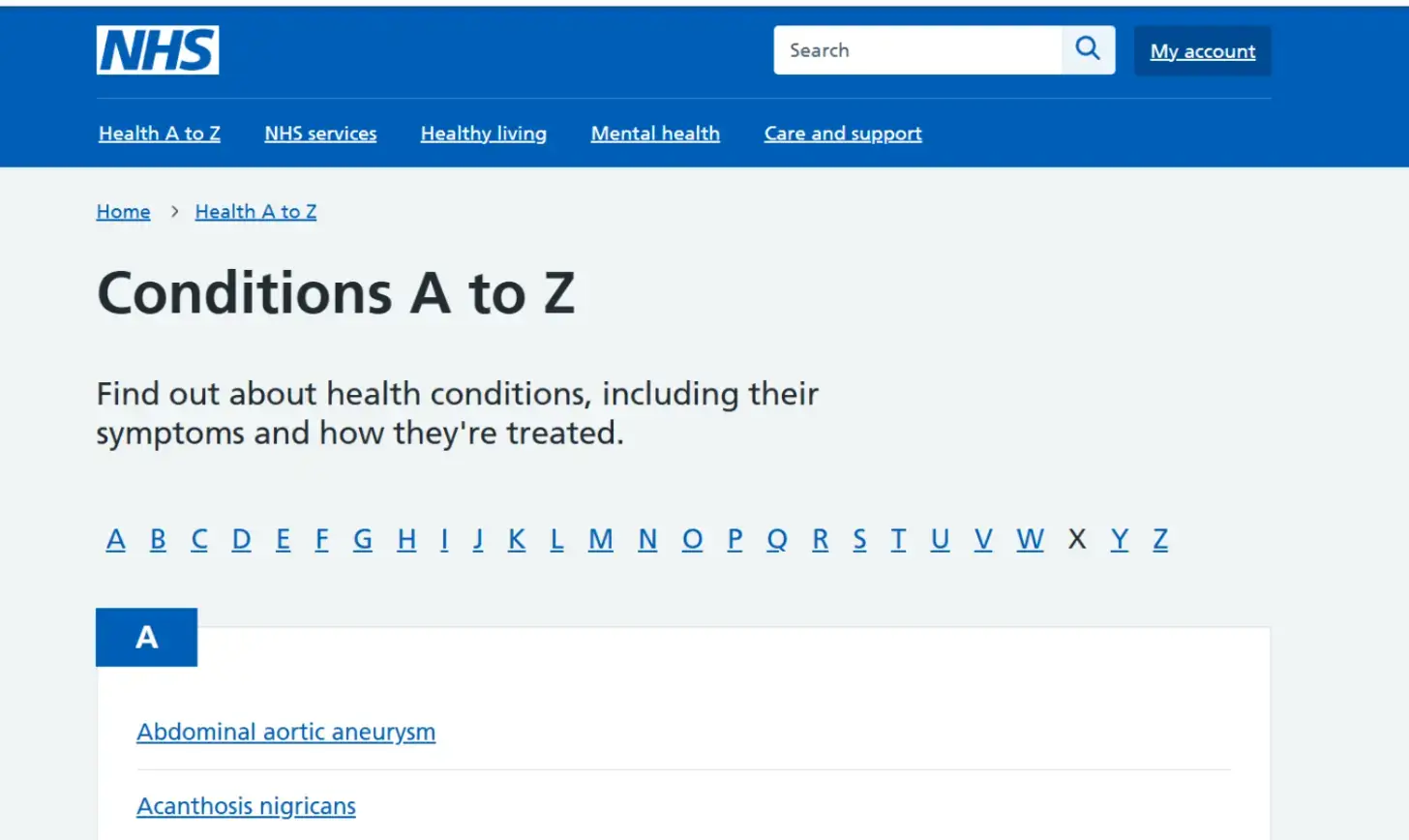
It is structured with a clear search-first layout, simple navigation by condition, and fast access to critical information.
Users can quickly find symptoms, treatments, or next steps without unnecessary complexity.
Small healthcare providers can adopt similar principles by ensuring patients can quickly find services, symptoms, and care and support without friction.
Improving navigation, ensuring mobile responsiveness, and simplifying page structure can significantly enhance user experience.
A smooth journey encourages engagement and reduces friction, both of which contribute to stronger search performance.
7. Strengthen Privacy, Security, and Data Protection Signals
Privacy is a major concern for users seeking help online. Pew Research shows that 79% of users are concerned about how companies apply their personal data online. They want assurance that their personal information will remain confidential.
This concern becomes even more significant in sensitive industries like healthcare and law, where users are sharing highly personal details.
Many legal and healthcare websites address this by clearly outlining how user data is handled and protected. Visible privacy policies, secure HTTPS connections, and clear confidentiality statements all contribute to a sense of safety.
These elements are not just important for users—they also support better search visibility, as secure and trustworthy websites are more likely to perform well in rankings.
8. Build Local Trust with Strong Local SEO
Trust is often tied to location. Users typically look for services that are accessible and nearby.
Including accurate contact details, location-specific pages, and an updated Google Business Profile helps establish local credibility.
For law firms and healthcare providers, this is an important part of SEO for lawyers and local medical optimization.
Focusing on local visibility helps reinforce credibility and makes it easier for nearby clients or patients to find and trust your services.
9. Use Clear, Supportive Calls-to-Action (CTAs)
Even when users trust your website, unclear next steps can create hesitation.
Calls-to-action should guide users in a simple and supportive way, without feeling aggressive or overwhelming.
Supportive phrases such as “Book a Consultation” or “Speak to a Specialist” work better than aggressive sales language. Healthcare websites often use softer CTAs like “Find Care” or “Get Help Now,” aligning with user intent and emotional state.
This approach can improve conversion rates while supporting both legal SEO and medical SEO strategies.
10. Avoid Common Trust-Breaking Mistakes
Trust can be lost quickly through small but noticeable issues. Outdated information, broken pages, and overly promotional language can all create doubt.
This is especially true in legal and medical contexts where users expect accuracy and professionalism.
- Even subtle inconsistencies, such as vague service descriptions, can signal neglect and weaken trust—especially in high-stakes decisions.
- Over-promising or using overly persuasive language can raise red flags, as users tend to value clarity and honesty over bold claims.
- Poor performance, including slow loading speeds or difficult navigation, can frustrate users and negatively impact overall experience.
Regular updates, accurate information, and honest communication help maintain credibility and support long-term SEO performance.
Conclusion: Building Long-Term Trust for Sustainable Growth
Building trust on legal and medical websites requires a balanced approach.
It’s not just about design or content alone, but how these elements work together to create a seamless and reassuring experience.
When users feel informed and supported, they are far more likely to take action. Over time, consistent improvements in usability, transparency, and content quality can significantly strengthen both credibility and conversions.
FAQs About Trust and SEO for Legal & Medical Websites
1. Why is trust essential for legal and medical websites?
Because users are making high-stakes decisions, trust directly influences whether they choose your service.
2. How does medical SEO improve credibility?
Medical SEO ensures accurate, authoritative content that aligns with user intent, building both trust and visibility.
3. What are the key trust signals for law firm websites?
Attorney profiles, client reviews, case results, and secure website design.
4. How can SEO for lawyers be effective without being promotional?
By focusing on helpful, educational content and clear communication rather than aggressive sales tactics.
5. What mistakes should be avoided?
Outdated content, fake reviews, poor design, slow loading speeds, and a lack of transparency.

Author Bio
Renu Sharma is the Co-Founder of Tanot Solutions, and she helps businesses to 5X their organic traffic by building high-quality backlinks. When not working, she loves polishing her marketing knowledge and skills and watching interesting web series. You can follow her on LinkedIn.