
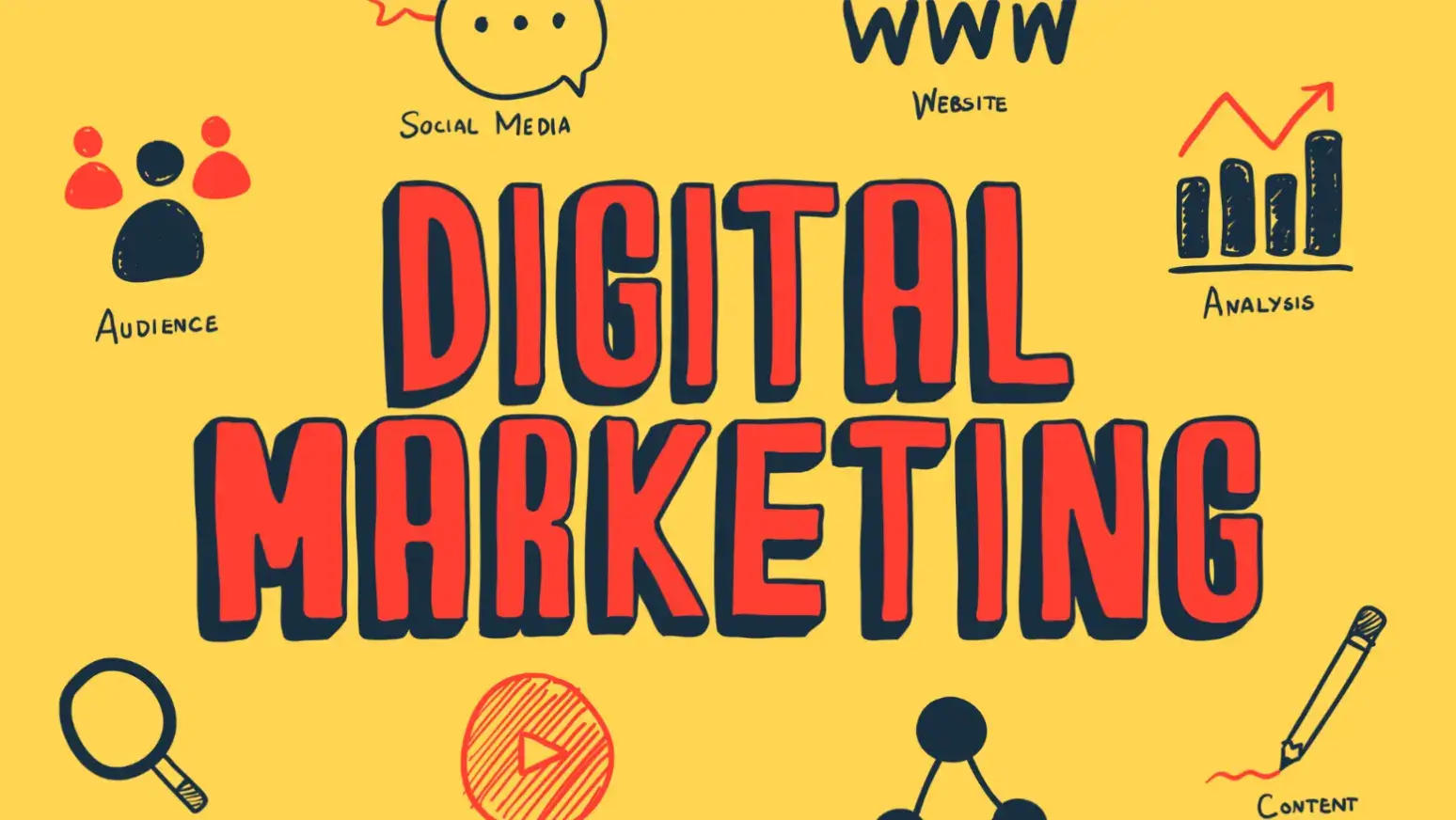
In the digital-first era, a marketing plan without direction is like navigating with no compass. Whether you're starting a startup, running an expanding business, or venturing into the digital landscape for the first time, a well-designed marketing strategy can be the cornerstone of your success.
This handbook takes you step by step through the process of developing a real-world and functional digital marketing strategy from scratch, even when you have no background in it.

Source: Freepik
Know Your Brand Before You Market It
Before diving into tools or campaigns, establish your brand identity. Ask yourself: What does your business stand for? What values drive your work? What tone do you need to convey in your content?
For example, a small candle-making company might base its brand on peace and presence. That tone can carry over into all your marketing communications, from your site to packaging.
When you know your brand personality, your approach makes more sense.
Quick Tip: Jot down your brand mission, three key values, and one thing that distinguishes you.
Know Your Audience Clearly
Marketing only generates results when it targets the right people. That includes understanding who your target customer is.
Consider their daily routines, requirements, and online habits—and ensure your strategy is supported by the right expertise, such as that offered by digital marketing companies that specialize in audience-focused campaigns.
Suppose you're operating a skincare company that specializes in natural products. Your customer base could be health-aware women in their twenties and thirties who are on Instagram and tend to read ingredient labels.
Reminder: Know your customer's pain points. This will allow you to craft content that answers their questions or solves their problem.
Establish Specific and Measurable Objectives
Any successful strategy requires direction. Goals enable you to concentrate and monitor what works, and a digital marketing agency can help set actionable objectives aligned with your overall strategy.
Utilize the SMART method, which means establishing goals that are specific, measurable, achievable, relevant, and time-framed.
Example: Instead of "We want more traffic," say, "We want to grow website visits by 25 percent over the next three months."
Practical Exercise: Write down one short-term and one long-term marketing objective. Pair each with a straightforward metric such as click rate, engagement, or sales.
Choose the Right Channels

Source: Freepik
Instead of covering yourself across all platforms, select a few that are right for your business type and audience behavior.
- Website: Essential for any business. Ensure it is clean, mobile-optimized, and has clear calls to action. For niche markets like tiny homes for sale Ohio, your website becomes even more crucial as a specialized hub.
- Social Media: Select one or two. For retail or lifestyle brands, Instagram and TikTok are excellent options. For B2B, LinkedIn is likely to work best.
- Email Marketing: Excellent for staying connected with old customers and notifying them of new deals.
- Search Engines: If your content is academic, spending on search visibility through blogs and SEO can bring steady traffic.
Advice: Begin small. Ensure two or three channels and execute them well before diversifying.
Establish a Regular Content Schedule
Content generates trust. It also lends visibility. Rather than thinking in terms of quantity, think about consistency and value.
Develop a basic content schedule. You might post on Instagram each Tuesday and Thursday, publish a single blog per month, and send a newsletter every other week.
Content Ideas to Experiment With:
- Post customer reviews
- Respond to frequently asked questions
- Develop how-to videos or guides
- Highlight your team or work process
Helpful Tip: Utilize a free tool such as Notion or Google Sheets to map out your content calendar.
Estimate Your Budget Carefully
You don't have to have a big budget to start. A small business may begin with two hundred to three hundred dollars per month, based on what is most important.
Begin with what you have. Take advantage of free tools whenever available. Programs such as Canva, Mailchimp's free version, and Buffer can aid you without high expenses.
Example:
- Design: Free through Canva
- Email Campaigns: Mailchimp on the free plan
- Ads: Allocate one hundred dollars to try Facebook or Instagram advertising
Reminder: Follow your spending. Gradually move your budget to where it returns the most.
Utilize Tools to Make Things Easier and Monitor

Source: Freepik
Intelligent tools can save you time and provide improved insights. You do not have to spend a lot. Start with fundamentals.
Helpful Tools for Starters:
- Canva: For visuals and design
- Google Analytics: To track your website performance
- Buffer or Later: To plan social media posts
- Mailchimp: For email newsletters
- Trello: For managing campaigns and tasks
Try This: Choose two tools that address your most significant challenges currently and master them.
Monitor Performance and Fine-tune Frequently
Monitoring allows you to know whether your strategy is succeeding. Monitor results weekly and review patterns monthly.
Here's how:
- For websites, see visitor counts and what pages they view most.
- For emails: track open rates and clicks
- For social media: see likes, shares, and saves
- For advertising: prioritize reach, clicks, and cost per result.
Tip: Don't panic if something isn't performing. Try a new approach, tweak your message, or switch times of day.
Be Flexible and Continuously Learn

Source: Freepik
The online world is in constant motion. Trends, tools, and platforms change rapidly. Keep your ears open. Subscribe to reliable blogs, participate in webinars, and learn from your own people.
Encouragement: Your first version of a strategy will not be your last. What matters is your willingness to improve it step by step.
Frequently Asked Questions (FAQs)
1. How soon can I expect to see results from a digital marketing strategy?
Results differ by channel and industry, but most strategies start delivering quantifiable results within three to six months with regular effort.
2. Do I need a website before beginning digital marketing?
Yes, a website is your digital hub, providing a single location for content and customer behavior and creating a long-term digital presence.
3. What is the cheapest avenue for beginners?
Email marketing and social media are inexpensive avenues, allowing direct interaction with target audiences without significant initial investment.
4. How often do I revise my marketing plan?
Check your plan quarterly and make small changes monthly according to performance trends, customer reviews, and industry updates.
5. Can small companies match large brands online?
Yes. A targeted plan, genuine content, and niche specialization enable small businesses to develop solid interaction and customer loyalty.
6. Do I hire an agency or do it in-house?
If you are low on funds, begin in-house with free tools. As you expand, having an agency can provide professional expertise and accelerate scaling efforts more quickly.
Conclusion: Keep It Simple and Steady
You don't have to be an expert to develop a successful digital marketing strategy.
Start with clarity regarding your business and your audience. Use the proper platforms, publish valuable content, and periodically monitor your progress.
Be consistent, stay flexible, and learn from successes and setbacks. Gradually, your strategy will be a solid foundation for growth.
Author Bio
I’m Aqsa Iqbal, an Outreach Specialist and SEO expert dedicated to helping brands expand their reach through smart content and strategic outreach. I focus on building genuine connections and boosting online visibility to deliver measurable results.