

As a business owner, you've probably visited a few service pages yourself.
Maybe you're looking for a plumber or a graphic designer, and you click on a link from a search engine. Within seconds, you are already clicking "back".
Why? Maybe the site looked like it was built during the Bush administration. Maybe it took forever to load. Whatever the reason, you just didn’t trust it.
That’s the keyword here: trust. And honestly, it’s probably the most valuable currency on the internet today.
For service-based businesses, your website is often the only way a client can “meet” you before deciding whether to trust you with their hard-earned money. If your site feels off, they will find someone else immediately.
This isn’t just guesswork. Studies show that 13% of consumers judge whether a website is credible just by looking at its website design. Even crazier? You have only moments to make first-time visitors see your business as trustworthy.
So, how do you get it right? Let’s discuss.
Design Your Website for Reliability and Usability

Source: Unsplash
If your website is hard to use, it immediately feels suspicious. People won’t struggle to figure things out. They’ll just leave. So, what should you focus on?
Keep Your Design Simple, Professional, and Consistent
The first thing is to make your design and layout simple, professional, and straight to the point. This tells visitors you pay attention to detail. For best results, be consistent with your colors, use readable fonts, and have lots of white space.
White space, according to Lenovo, helps create balance, improve visual appeal, and give elements breathing space. It also helps users focus on the important information on your page. Clutter does the exact opposite.
Optimize for Speed and Mobile Responsiveness
Most clients will find your business with their phones, often while on the move.
The goal is to make it easy for visitors to get the information they need quickly, regardless of the device they’re using.
Make Your Value Proposition Immediately Clear
Don’t make people guess what you do. We mentioned earlier that you have only a few seconds to get your message across.
Don't waste that time. Your homepage should be unambiguous about who you are, what you do, and how you can help the user.
Build Trust Through Transparency and Security
Source: Unsplash
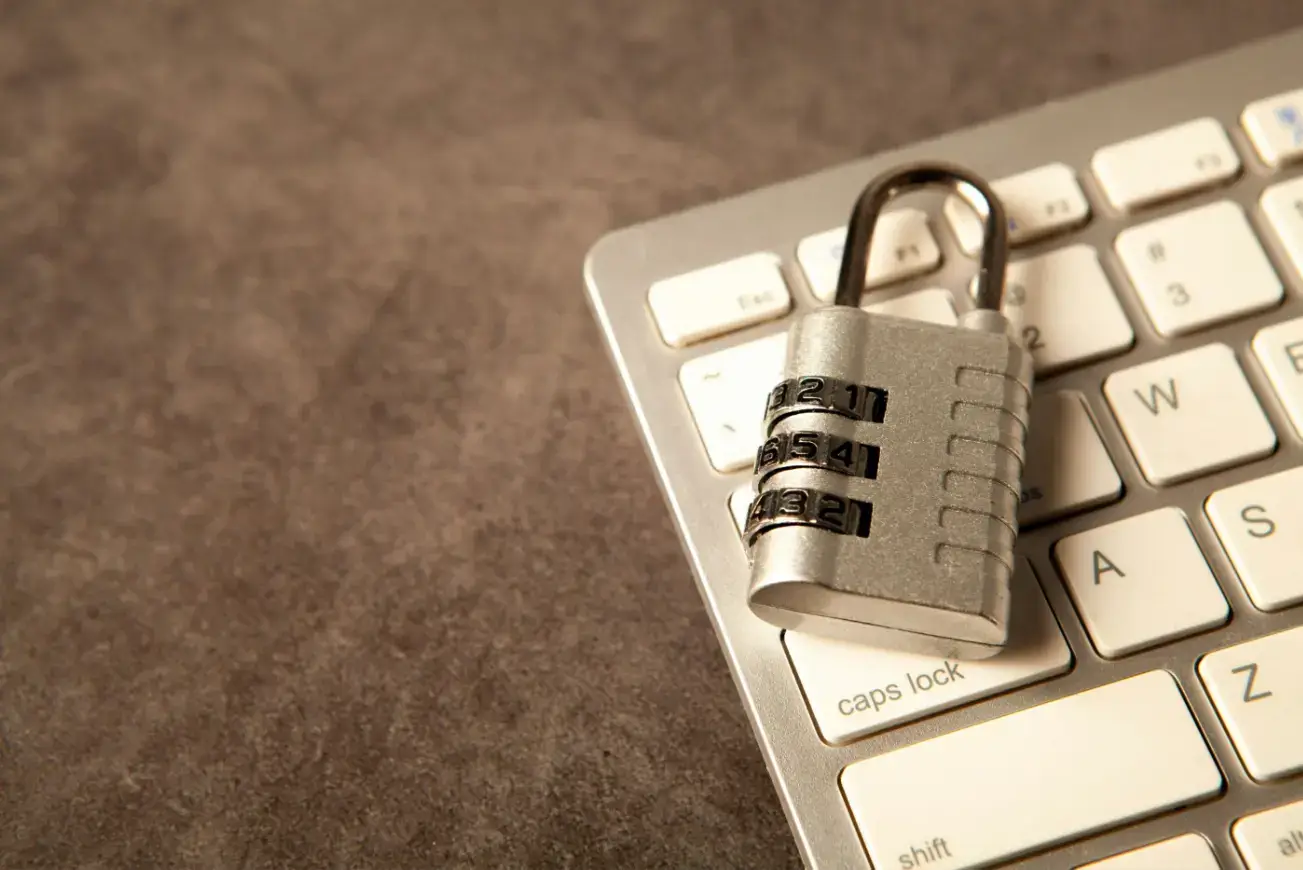
People are increasingly cautious online, and for good reasons, too. This is where transparency comes in. In fact, the more transparent you are, the more trustworthy you become. Here's how:
Use HTTPS to Show Your Site Is Secure
This one's not optional anymore.
Google flags HTTP sites as "Not Secure" right in the browser bar. It places a warning sign on that page that literally translates into "DANGER: DON'T TRUST US."
The solution? Getting an SSL certificate, which is often cheap or even free these days.
Be Transparent About Pricing and Services
Many services hide their prices. You probably do, too. Maybe you're afraid of sticker shock. Or maybe you want to get them on the phone first so you can "sell the value."
But here's the thing: if customers don't find pricing, they wonder: "What are they hiding?"
Of course, you don't have to list out the price for every single service you offer. But give ranges. Or hourly rates. Or package prices. Something that shows that you're not going to throw out "hidden costs" later down the road.
Create an Authentic “About” Page That Feels Human
Here's where most service businesses blow it. Their About page is a wall of "we're committed to excellence" garbage. That doesn't work for every client.
A better plan? Introduce yourself and your business. Actual team. Real names. Real photos. Maybe a sentence about what they like to do on weekends.
That's the kind of thing that makes you think "these are good people."
Use Social Proof to Establish Credibility

Source: Unsplash
Customers basically prefer to read or hear what others say about your brand over what you say yourself. That's social proof, and it matters a lot for your business. How do you get it?
Use Social Media Presence as a Trust Signal
This is where it starts. Be visible on the social media platforms where your target audience is, and be consistent there. Share behind-the-scenes stuff. Answer questions. And most importantly, find a way to redirect users to your website.
That said, you also have to be intentional about social media use in addition to being active.
We’re learning more every day about how these platforms can cause real harm, especially for younger users. There is even an ongoing Snapchat lawsuit in the U.S. that focuses on allegations that the platform’s addictive design has contributed to mental health issues among users.
According to case files seen by TorHoerman Law, some plaintiffs believe they suffered psychological or physical harm as a result of Snapchat’s unsafe and addictive features.
The message is clear: be present where it makes sense for your business. But don't let social media become your whole personality or your whole marketing strategy. Moderation matters.
Showcase Testimonials and Reviews That Feel Real
We already discussed how clients prefer recommendations from real users over those from brands. In fact, up to 96% of people check reviews before deciding whether or not to do business with a brand.
Got happy clients? Ask them to review your service delivery and share the response on your website.
Encourage them to be specific. “They were great” is fine, but something like “They fixed my leak in 20 minutes and left the kitchen spotless” is far better.
Make It Easy for Customers to Contact You

Source: Unsplash
If someone has to hunt to find out how to reach you, they won't bother. Accessibility is a trust signal in its own right. Here's how to make reaching you easy.
Display Clear Contact Information Across Your Site
Your business phone, email addresses, and physical location (if you have one) should appear in both the header and footer of every page. This isn't about aesthetics. It's about proving that there's a real business behind the website.
Use Live Chat or Contact Forms to Reduce Friction
Adding a live chat feature can significantly boost conversion rates, especially now that AI chatbots make it easier to manage.
But if live chat isn't practical for you right now, a simple, short contact form works well too. The fewer fields, the better.
Add an FAQ Section to Answer Objections Early
Lastly, add an FAQ page or section. The goal of this page is to address the questions visitors have but aren't always comfortable asking. It reduces friction, handles objections before they become barriers, and helps a lot with on-page SEO.
Conclusion: Trust Is Built Through Small Signals That Add Up
As you can see from this guide, building trust isn't about one big thing; it's about a hundred small things. It's the speed of your site, the clarity of your message, and the proof that you’ve helped others.
The question you should now be asking yourself is this: "Do you have a website that customers can trust?"
If you don't think so, hopefully, the contents of this guide can help you make it better.
Frequently Asked Questions
1. What Do Visitors Look for to Trust a Website?
Most visitors scan for a few things right away. They look for a professional design, a secure connection, and clear contact information. If these are missing, most people leave immediately.
2. How Does Web Design Impact Credibility?
A huge one. Clean, modern web design shows that you're a real, successful business. A cluttered or dated design, on the other hand, suggests that you don't care what clients think or that your business is not successful enough to afford better. Visitors make this judgment in under a second.
3. Why Is Mobile Optimization Important for Trust?
If your site doesn't load properly on someone's phone, they assume you just don't care about user experience. Or worse, they think you run an incompetent business. Neither builds trust. Besides, Google punishes non-mobile-friendly sites in search rankings.
4. How Can a New Business Build Trust Quickly?
Start with what you can control. Get that SSL certificate. Write detailed service pages. Use real photos. Be transparent about pricing. Ask your first few clients for reviews, even if you have to discount their service slightly.
