
In 2026, the rapid evolution of e-commerce has pushed businesses to rethink how they engage with customers at every stage of the buying journey.
One of the most transformative tools leading this shift is chatbot technology, powered by increasingly sophisticated artificial intelligence software development services.
These intelligent systems are no longer limited to answering basic FAQs; they now drive conversions, personalize user experiences, and provide seamless, round-the-clock customer support that rivals human interaction.
In this article:
- How Chatbots Increase Conversions (With Real Use Cases)
- Instant Engagement That Reduces Drop-Off
- Personalized Product Recommendations That Boost AOV
- Checkout Assistance That Prevents Abandonment
- Upselling and Cross-Selling in Real Time
- How Chatbots Improve Customer Experience (Beyond Sales)
- 24/7 Availability Without Scaling Costs
- Instant Responses Customers Expect
- Consistent, Reliable Answers
- Seamless Handoff to Human Support
- The Business Impact: Cost Savings and Scalability
- How Chatbots Turn Conversations Into Data
- Omnichannel Chatbots: Meeting Customers Everywhere
- The AI Behind Modern Chatbots
- Best Practices for Implementing Chatbots That Convert
- Common Chatbot Mistakes (And How to Avoid Them)
- The Future of Chatbots in eCommerce
Why Chatbots Are Becoming Essential for eCommerce
Chatbots have grown from simple rule-based responders into dynamic, AI-driven assistants capable of understanding context, intent, and even emotion.
With advancements in natural language processing (NLP) and machine learning, modern chatbots can engage customers in meaningful conversations that feel intuitive and helpful rather than scripted and mechanical.
This transformation has been largely driven by cutting-edge artificial intelligence software development services, enabling businesses to deploy smarter and more adaptive conversational tools.
For online stores, this evolution couldn’t have come at a better time. Customer expectations are higher than ever, and shoppers demand instant responses, personalized recommendations, and frictionless experiences. Chatbots meet these expectations while also reducing operational costs and increasing efficiency.
How Chatbots Increase Conversions (With Real Use Cases)
1. Instant Engagement That Reduces Drop-Off
One of the biggest challenges in e-commerce is cart abandonment.
Customers often leave a website because they can’t find information quickly enough or encounter uncertainty during the buying process.
Chatbots solve this by offering real-time assistance.
Whether a customer has a question about sizing, shipping, or product compatibility, a chatbot can respond instantly, eliminating hesitation and keeping the customer moving toward checkout.
Example prompts:
- “Need help choosing the right size?”
- “Want 10% off your first order?”
This timely interaction can be the difference between a lost visitor and a completed sale.
2. Personalized Product Recommendations That Boost AOV
Modern chatbots use data from browsing behavior, purchase history, and user preferences to deliver highly relevant recommendations.
Instead of forcing customers to sift through hundreds of products, chatbots act as virtual shopping assistants. They can ask a few simple questions, such as budget, style, or intended use, and instantly suggest tailored options.
This level of personalization not only improves the shopping experience but also increases average order value (AOV). Customers are more likely to purchase when they feel understood and guided.
Small business example: A boutique clothing store can ask:
- “What’s your size?”
- “Looking for casual or formal?
Then recommend 2–3 products instead of overwhelming the customer.
According to McKinsey, personalization can increase revenue by up to 15%.
3. Checkout Assistance That Prevents Abandonment
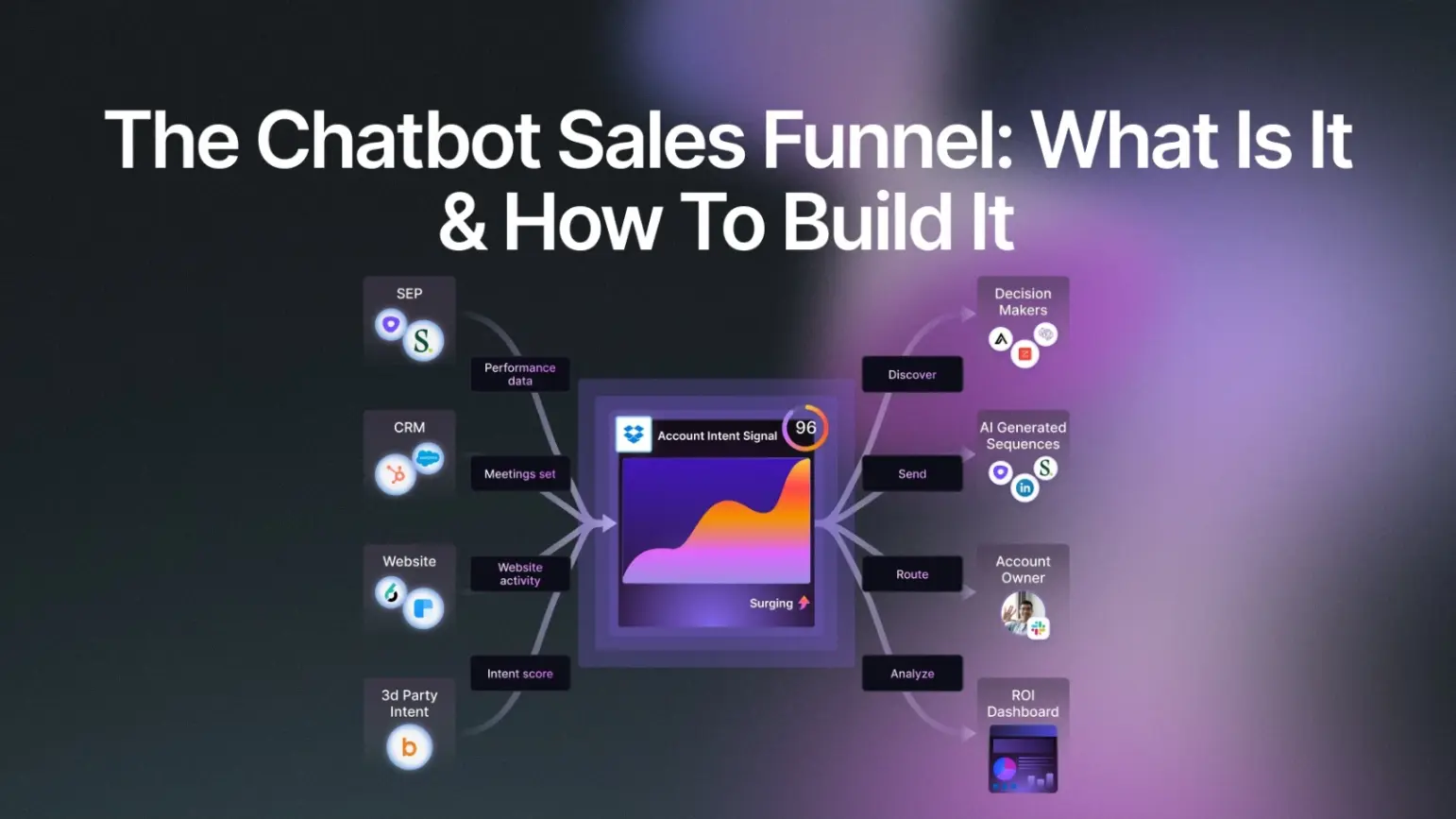
Even small obstacles during checkout can lead to lost sales. Chatbots help by guiding users through the process, answering last-minute questions, and resolving issues in real time.
For instance, if a discount code isn’t working or shipping costs seem unclear, the chatbot can step in immediately. This reduces frustration and prevents abandonment at the most critical stage of the funnel.
Source: Warmly,
Some advanced chatbots can even complete transactions directly within the chat interface, further simplifying the process.
Small friction points = lost sales.
Chatbots help by:
- Explaining shipping costs
- Fixing discount code issues
- Answering last-minute questions
Practical tip: Add a chatbot trigger on the checkout page: “Have a question before completing your order?”
4. Upselling and Cross-Selling in Real Time
Chatbots are uniquely positioned to suggest complementary products at the right moment.
If a customer adds a smartphone to their cart, the chatbot might recommend accessories like cases, chargers, or headphones.
These suggestions feel natural and helpful rather than intrusive, especially when they’re based on the customer’s behavior.
By integrating upselling and cross-selling into conversations, chatbots can significantly boost revenue without disrupting the user experience.
Example:
- Customer adds coffee machine → chatbot suggests filters or beans
- Customer buys skincare → chatbot recommends a bundle
This works especially well for small catalogs where curated suggestions feel personal.
How Chatbots Improve Customer Experience (Beyond Sales)
24/7 Availability Without Scaling Costs
Unlike human support teams, chatbots never sleep. They provide consistent, round-the-clock assistance, ensuring that customers can get help whenever they need it.
This is especially valuable for global eCommerce businesses operating across multiple time zones. Customers no longer have to wait for business hours to resolve issues or get answers.
Instant Responses Customers Expect
Speed is critical in customer support. Studies consistently show that customers expect responses within seconds, not minutes or hours.
Chatbots meet this demand by delivering instant replies to common inquiries, such as:
- Order status
- Return policies
- Shipping timelines
- Product details
By handling these routine queries, chatbots free up human agents to focus on more complex issues, improving overall efficiency.
Consistent, Reliable Answers
Human agents can sometimes provide inconsistent answers, especially in large teams. Chatbots, on the other hand, deliver standardized responses based on centralized data.
This ensures that customers receive accurate and reliable information every time, which builds trust and reduces confusion.
Seamless Handoff to Human Support
While chatbots are powerful, they’re not meant to replace human support entirely. Instead, they act as the first line of assistance.
When a query becomes too complex, the chatbot can seamlessly transfer the conversation to a human agent, along with all relevant context.
This eliminates the need for customers to repeat themselves and creates a smoother support experience.
The Business Impact: Cost Savings and Scalability
One of the most compelling benefits of chatbots is their ability to scale without significantly increasing costs.
Hiring and training support staff can be expensive, especially during peak seasons. Chatbots, however, can handle thousands of simultaneous conversations without additional overhead.
For small businesses, this is where chatbots shine most.
Instead of:
- Hiring 3–5 agents
- Training staff
You can:
- Deploy 1 chatbot
- Scale instantly
This makes growth far more manageable.
How Chatbots Turn Conversations Into Data
Chatbots are not just tools for interaction; they’re also powerful data collection engines.
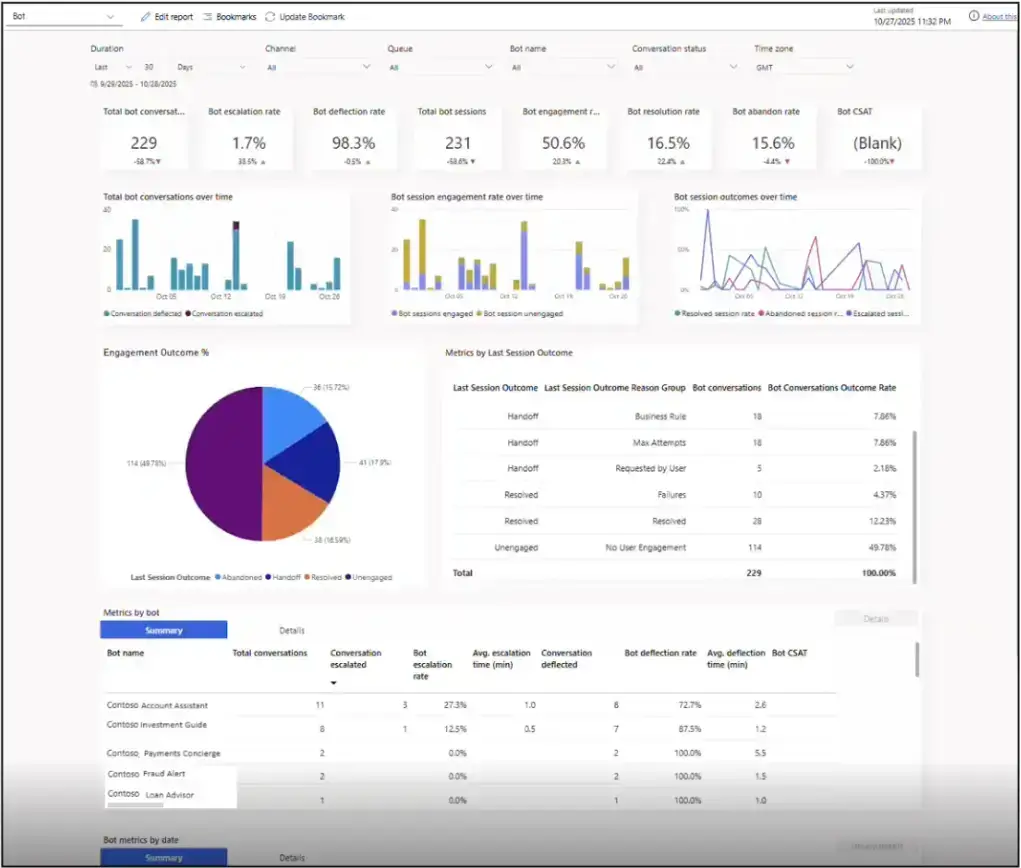
Every conversation provides valuable insights into customer behavior, preferences, and pain points. Businesses can analyze this data to:
- Identify common issues
- Improve product offerings
- Optimize website design
- Refine marketing strategies
Example: If customers keep asking, “Is this true to size?” → add a sizing guide.
Omnichannel Chatbots: Meeting Customers Everywhere
In 2026, customers interact with brands across multiple platforms: websites, mobile apps, social media, and messaging apps.
Modern chatbots can operate across all these channels, providing a unified experience. Whether a customer reaches out via a website chat widget or a messaging app, the chatbot can maintain context and continuity.
Customers are everywhere:
- Website
- Messenger
Modern chatbots unify all these channels.
Practical tip: Start with 1–2 channels (website + Instagram) before scaling.
This omnichannel capability ensures that customers receive consistent support regardless of where they engage with your brand.
The AI Behind Modern Chatbots
The effectiveness of chatbots today is largely driven by advancements in AI technologies.
Natural Language Understanding (NLU)
Chatbots can now interpret complex queries, slang, and even typos with remarkable accuracy. This makes interactions feel more natural and less rigid.
Sentiment Detection and Emotional Context
Advanced chatbots can detect customer emotions, such as frustration or satisfaction, and adjust their responses accordingly. For example, if a customer appears upset, the chatbot may prioritize empathy and escalate the issue more quickly.
Predictive Recommendations
By analyzing past behavior, chatbots can anticipate customer needs and offer proactive assistance. This creates a more personalized and engaging experience.
Source: Microsoft
Best Practices for Implementing Chatbots That Convert
To fully leverage chatbots, businesses need to implement them strategically.
1. Start With One Clear Goal
Before deploying a chatbot, identify what you want to achieve. Is your goal to reduce support workload, increase conversions, or both?
Clear objectives will guide the design and functionality of your chatbot.
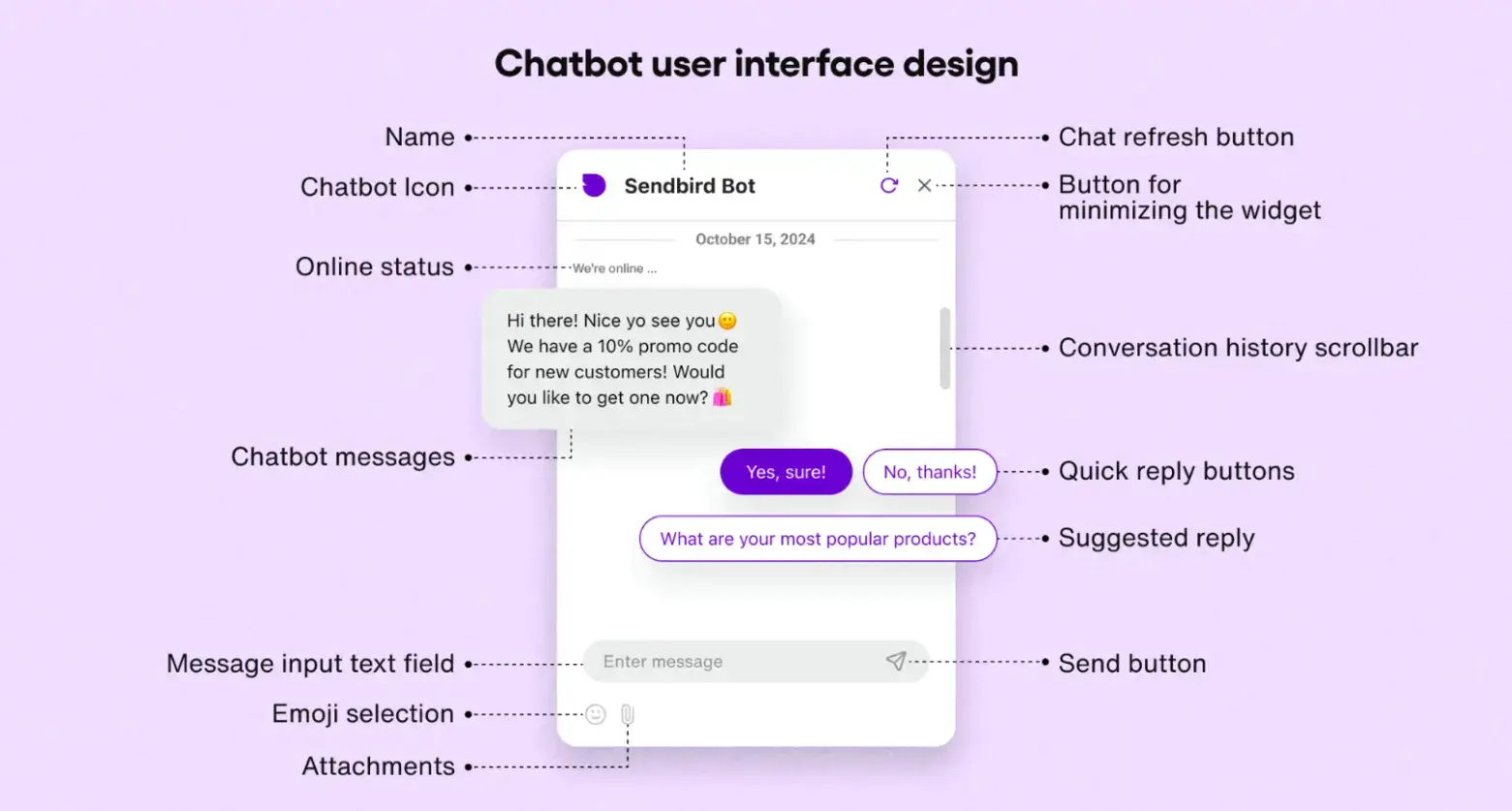
2. Design for Simplicity and Speed
A chatbot should enhance the user experience, not complicate it. Ensure that interactions are intuitive, helpful, and easy to navigate.
Avoid overly complex flows or excessive automation that may frustrate users.
Source: SendBird
3. Keep Conversations Human
Even the most advanced chatbot should feel approachable and human-like. Use conversational language and a friendly tone to create a positive impression.
4. Continuously Optimize Performance
Chatbots are not a “set it and forget it” solution. Regularly analyze performance metrics, gather feedback, and refine responses to improve effectiveness.
Common Chatbot Mistakes (And How to Avoid Them)
1. Misunderstanding User Intent
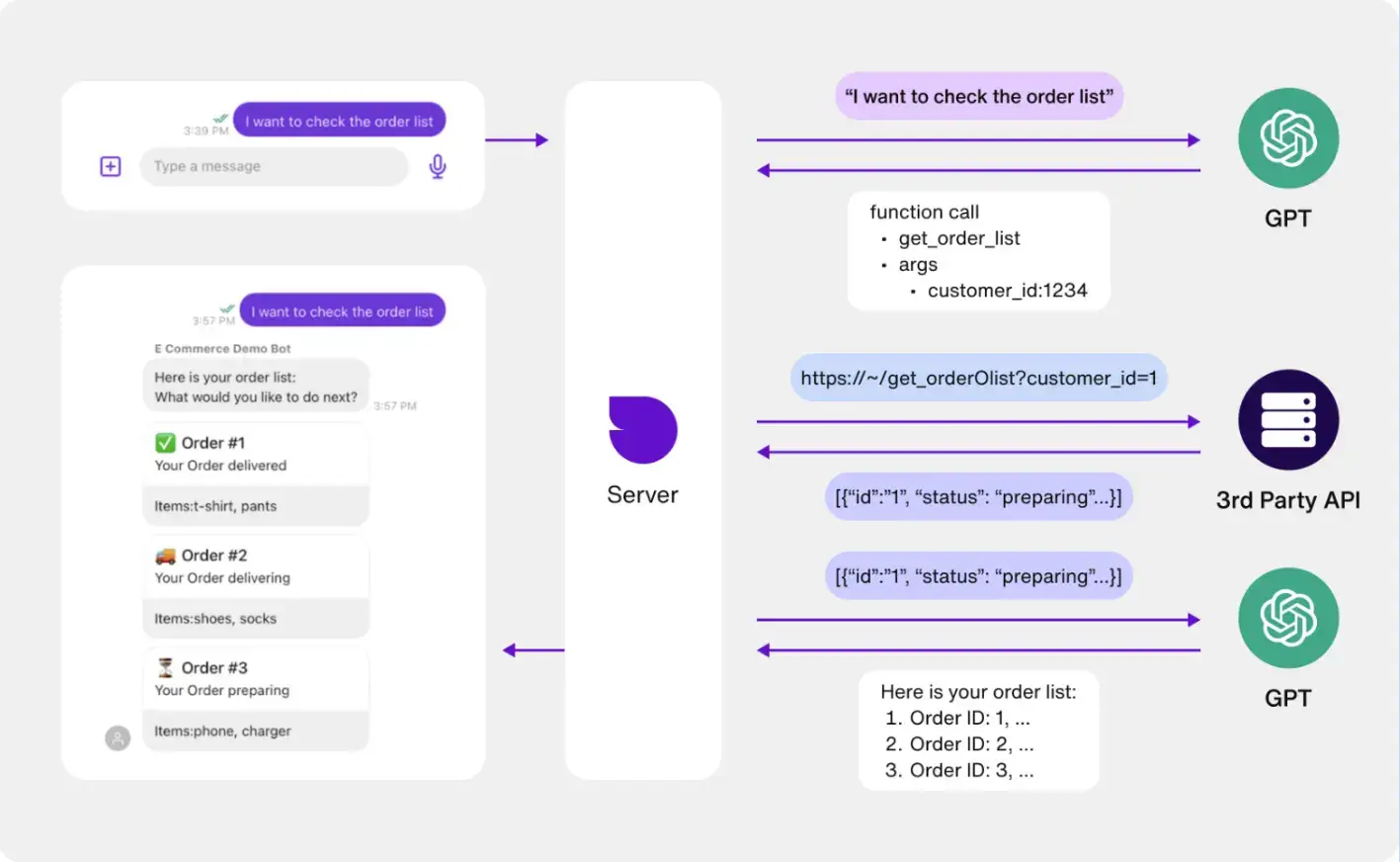
While AI has improved significantly, chatbots can still misinterpret queries. To address this, businesses should:
- Train models with diverse data
- Provide fallback options
- Offer easy access to human support
Source: SendBird
2. Over-Automation That Hurts UX
Relying too heavily on chatbots can lead to frustration, especially for complex issues. Balance automation with human interaction to ensure a smooth experience.
3. Poor Integration With Existing Systems
Integrating chatbots with existing systems (CRM, inventory, etc.) can be challenging. Working with experienced developers and using robust platforms can help streamline this process.
The Future of Chatbots in eCommerce
Looking ahead, chatbots will become even more integral to online retail.
We can expect:
- Voice-enabled shopping assistants
- Hyper-personalized experiences powered by real-time data
- Deeper integration with augmented reality (AR) and virtual shopping environments
As technology continues to evolve, chatbots will not just support the customer journey; they will actively shape it.
Conclusion: Chatbots as a Conversion Engine, Not Just Support
Chatbots have become a cornerstone of modern eCommerce strategy. By providing instant engagement, personalized recommendations, and efficient customer support, they play a critical role in boosting conversions and enhancing customer satisfaction.
In 2026, businesses that invest in advanced chatbot solutions are better positioned to meet rising customer expectations and stay ahead of the competition.
With the right approach, chatbots can transform your online store into a highly responsive, customer-centric platform that drives growth and builds lasting relationships.
The key is not just adopting chatbot technology, but leveraging it thoughtfully, combining automation with human insight to create experiences that truly resonate with your customers.
FAQs About eCommerce Chatbots
1. Are chatbots expensive for small businesses?
No. Many chatbot tools offer free or low-cost plans, making them accessible for startups. They reduce the need for large support teams, helping small businesses save money while scaling efficiently.
2. Can chatbots really increase sales?
Yes. Chatbots boost sales by answering questions instantly, reducing friction, and guiding users through purchases. They also enable upselling and personalized recommendations that improve conversion rates.
3. Do customers prefer chatbots over humans?
For simple questions, yes, chatbots provide instant answers. For complex or sensitive issues, customers prefer humans. A hybrid approach ensures both speed and personalized support when needed.
4. How long does it take to set up a chatbot?
Basic chatbots can be set up in a few hours using no-code tools. More advanced bots with integrations and AI features may take several days, depending on complexity and customization needs.
5. What’s the best place to add a chatbot?
Start with high-impact areas like the homepage, product pages, and checkout. These are key moments where customers need help, and timely support can significantly improve conversions.

Author Bio
Margarita Karpovich is a content strategist specializing in eCommerce and AI-driven customer experience. With a focus on helping small businesses grow, Margarita Karpovich writes about practical tools and strategies that drive conversions and improve customer engagement.