
If you run an online store and are looking for the best eCommerce funnel strategies, you've come to the right place.
This article will guide you through the secret tactics marketers use to convert customers at each step of the 4-stage eCommerce conversion funnel.
In this article:
- Why the eCommerce Sales Funnel Matters
- The 4 Stages of the eCommerce Conversion Funnel
- 1. Awareness Stage
- 2. Consideration Stage
- 3. Conversion Stage
- 4. Customer Loyalty Stage
- The Most Important eCommerce Funnel KPIs
- Awareness Stage Metrics
- Consideration Stage Metrics
- Conversion Stage Metrics
- Loyalty Stage Metrics
- 3 Real eCommerce Funnel Examples
- Huel’s Instagram Funnel Strategy
- Roma Jewelry’s Content Marketing Funnel
- Ruggable’s Pinterest Funnel
What is the eCommerce Conversion Funnel?
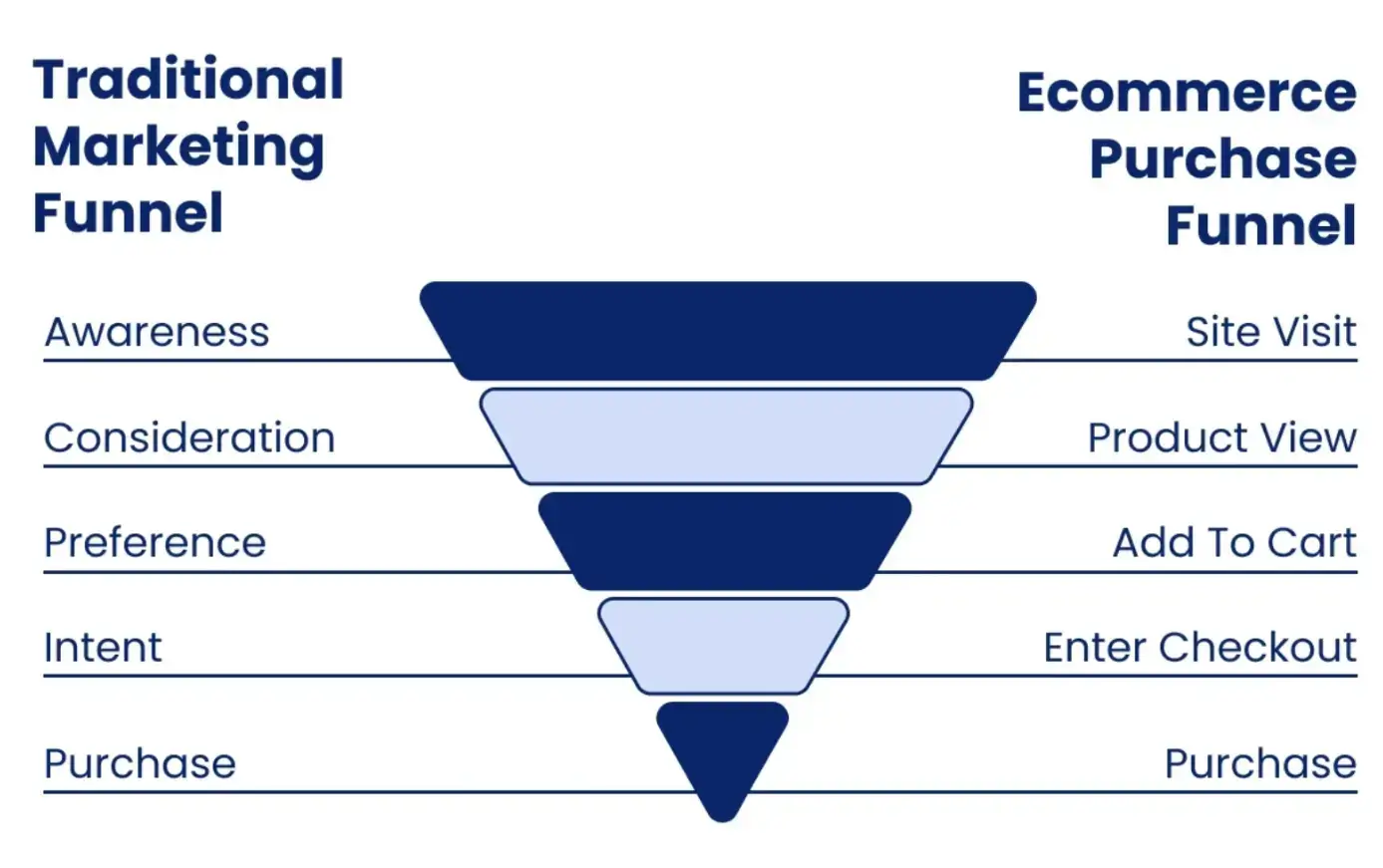
The eCommerce conversion funnel is a visual representation of the stages customers pass through on the way to a first or repeated purchase.
Usually, fewer leads move forward at each stage. That’s why the process is usually shown as a funnel:
Source: yespo
Let's say you're launching a new product.
A paid Instagram campaign might generate 100k impressions, 10k visits, 500 purchases, and additional repeat sales through follow-up email marketing.
The better you personalize the user journey at each step, the more purchases you'll get.
Why the eCommerce Sales Funnel Matters
These are the benefits eCommerce companies enjoy after implementing a conversion funnel:
- Better targeting and personalization: Customer interviews, surveys, and social media insights help businesses understand what their audience actually wants. This makes it easier to personalize offers, messaging, and product recommendations.
- Higher customer retention and brand loyalty: When customers see how their desires come true, they return to repeat this experience. A well-structured funnel helps maintain this engagement.
- More efficient marketing spend: You can prioritize your budget better and allocate it to strategies that are most likely to lead to conversions. As Mailchimp explains, lukewarm leads at the top of the funnel are useful. They help reveal what isn’t working and where your marketing can be improved to make your offer more appealing.
Sounds good, right? Here is how to achieve these perks 👇
The 4 Stages of the eCommerce Conversion Funnel
In short, there are four major stages: awareness, consideration, conversion, and loyalty.
The approach depends on what you’re selling. High-ticket or specialized products often focus on the consideration stage. The sellers invest in reviews, trust, and brand reputation.
Lower-priced products lean more on awareness and conversion, with strong ad creatives and a fast checkout experience.
Let’s analyze them step by step:
1. Awareness Stage
The main goal of marketers at this stage is to spread the word about the company's products.
Here you have a vast number of lead generation strategies.
The majority of companies start with paid ads. The secret sauce here is targeting your campaigns at specific audience tiers. It lies at the core of all the marketing tactics at the awareness stage of the eCommerce sales funnel:
- Choice of the social media strategies for your brand presentation.
- Influencers (with the relevant audience) to collaborate.
- SEO keywords to target with content.
- Referral/affiliate programs to launch.
2. Consideration Stage
Here we’re working with people who start thinking about a purchase, but still hesitate.
They visit your socials, read through your website (it’s high time to get that website app up and running if you haven’t yet), and look for answers on FAQ pages and blog posts.
Let’s say you sell an innovative tech tool for cleaning laptops. To convince gamers to buy it, you should explain how it helps them achieve their goals, like less heating. Or how it helps avoid pain points, like reduced performance.
What tactics do marketers use for the consideration step of the eCommerce sales funnel?
- Highlighting product benefits on its landing page and social posts.
- Publishing customer testimonials and reviews on social media.
- Collecting visitors’ emails and sending them promotional materials.
- Offering discounts and bundle deals.
- Launching retargeted ads.
- Retarget website visitors with social or display ads.
3. Conversion Stage
At this step, people decided to buy your product. Your goal is to make this step as easy as possible, with support available 24/7.
Ideally, there shouldn’t be any tech bugs or obstacles.
At this stage, strong customer service can directly impact conversions. Fast support, clear payment and shipping information, simple checkout flows, and tools like live chat or chatbots help customers resolve doubts quickly and complete purchases with less friction.
You can use customer service platforms like HelpCrunch, Zendesk, SleekFlow, or Intercom to cover these tasks.
Here are tactics to use at the conversion stage of a sales funnel:
- Sending personalized reminders or discounts on the chosen items to customers to reduce cart abandonment.
- Offering payment on delivery or buy-now-pay-later options.
- Having a 24/7 chatbot support to answer customers' questions instantly.
- Notifying customers that their fav item's stock is low through emails.
- Cross-selling and upselling relevant items.
4. Customer Loyalty Stage
This next stage has two goals: repeated purchases and user-generated content.
Here are tactics to promote customer loyalty:
- If you sell a specific item, explain how to care for it, how to style it, etc.
- Inform customers about new relevant items in stock.
- Offer a discount for sharing reviews, and explain how to do it.
- Engage them to join your loyalty program.
- Provide discounts for referrals.
Ok, but how do you track whether the eCommerce sales funnel strategy works?
The Most Important eCommerce Funnel KPIs
If you don’t measure something, you can’t improve it. To make your eCommerce funnel work, you should track each of the stages.
Let’s break them down one by one.
Awareness Stage Metrics
The main goal here is to capture the audience's attention. Depending on the chosen channel and method, the metrics can be:
Audience Reach
This is a core metric for paid ads and social media marketing campaigns. It evaluates how many potential customers saw your content.
If you launch campaigns on LinkedIn, just check the stats page:
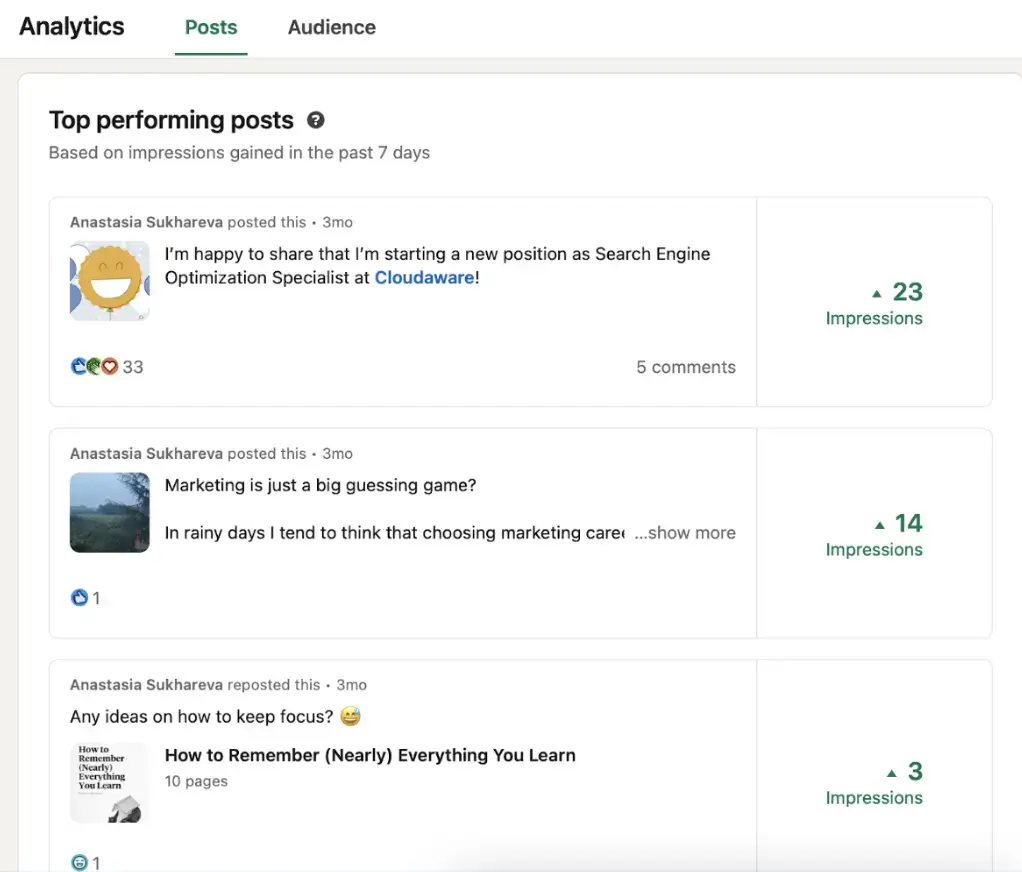
Say you want to count the average number of impressions:
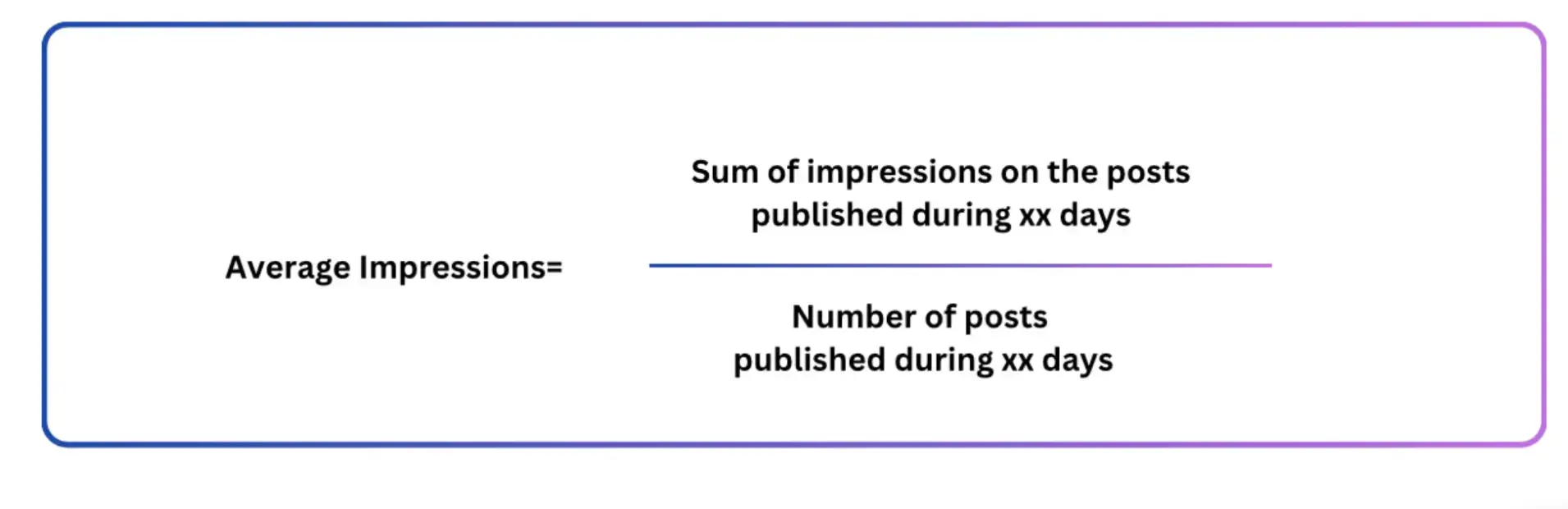
The paid ads formula is a bit different. To calculate the audience reach, you should divide the number of unique users who saw your ad by the number of people within your target audience.
Website Traffic and Unique Visitors
There can be new visitors and repeated visitors. Since this is the awareness stage, the latter is more important.
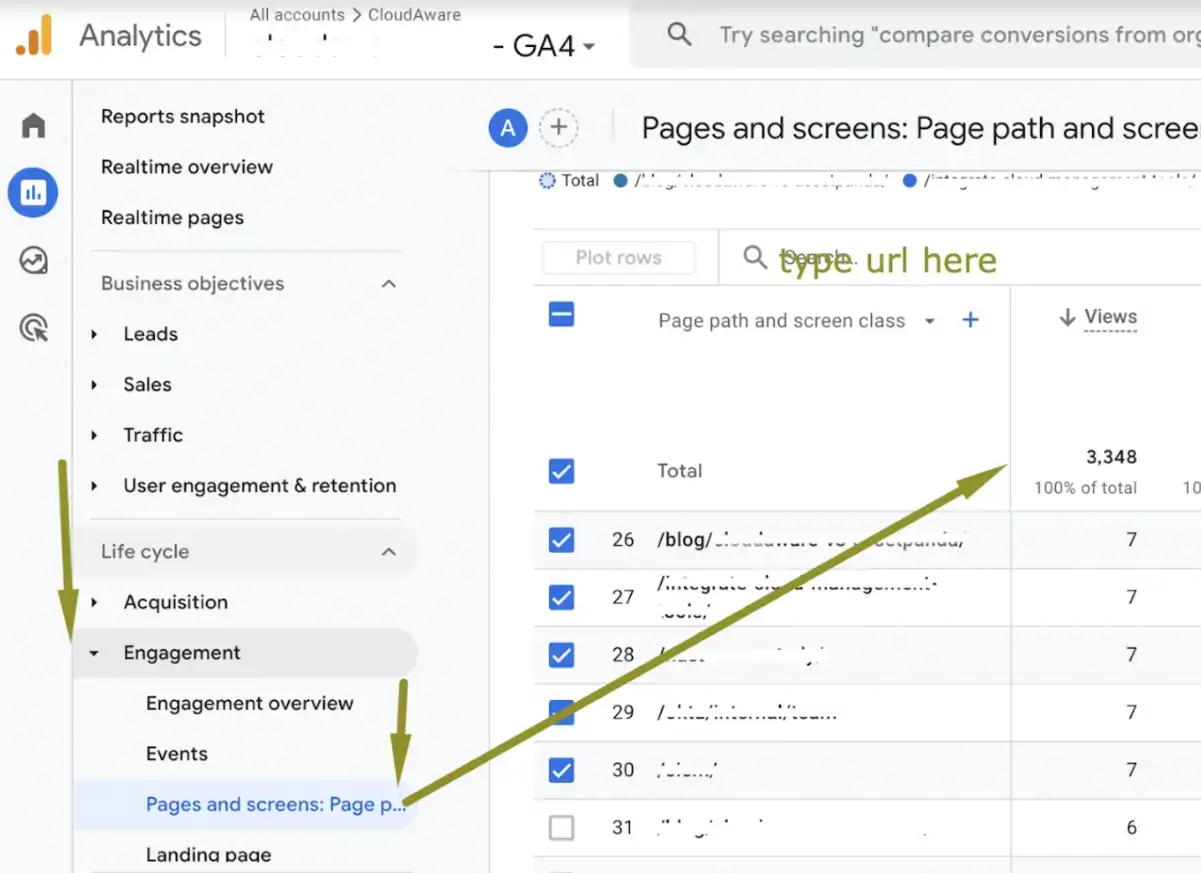
Usually, SEO managers measure unique visits. Let’s say Kate visited your site 5 times. In this case, she will be counted as 1 unique visitor.
This data is available in Google Analytics:
Consideration Stage Metrics
The people who saw your offer should perform some action: click a button and visit a website, subscribe to an email newsletter, add an item to a cart, etc.
Here are the most typical KPIs to track in the consideration funnel stage campaigns:
Click-Through Rate (CTR)
It’s the percentage of people who clicked on a target link.
The CTR formula:
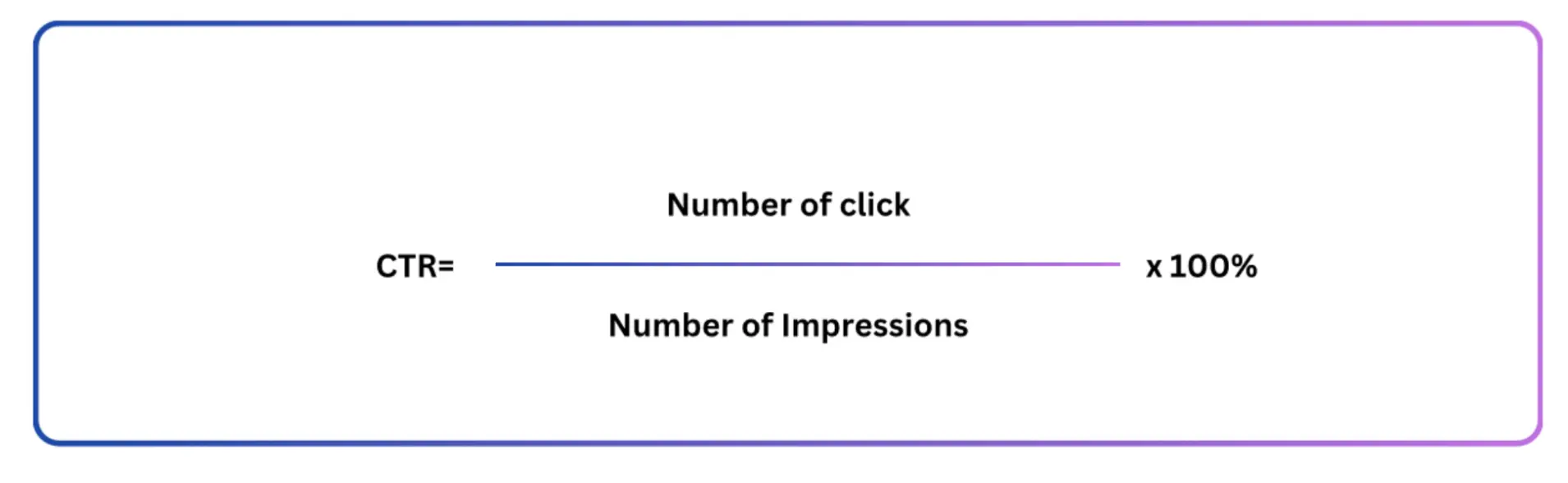
Let’s say your ad was displayed to 5k visitors. 500 of them clicked the “Latest running shoes for men online 70% off” title link. So your CTR would be 10%.
Email Sign-Up Rate
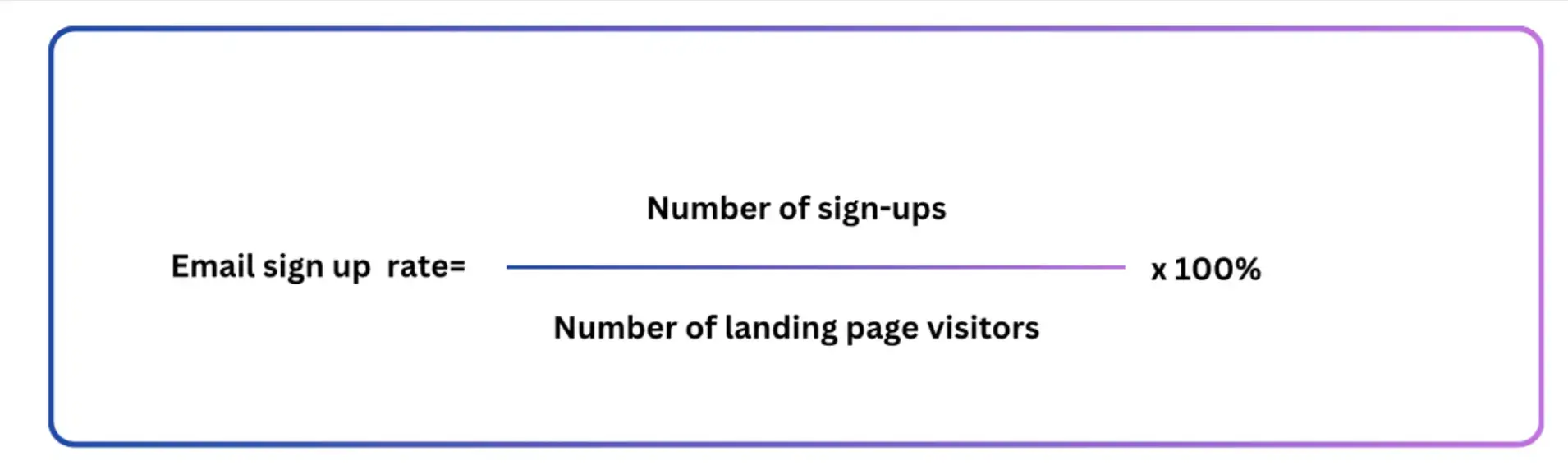
This one shows how many people subscribed to your email newsletter.
To measure the email sign-up rate, you should use the following formula:
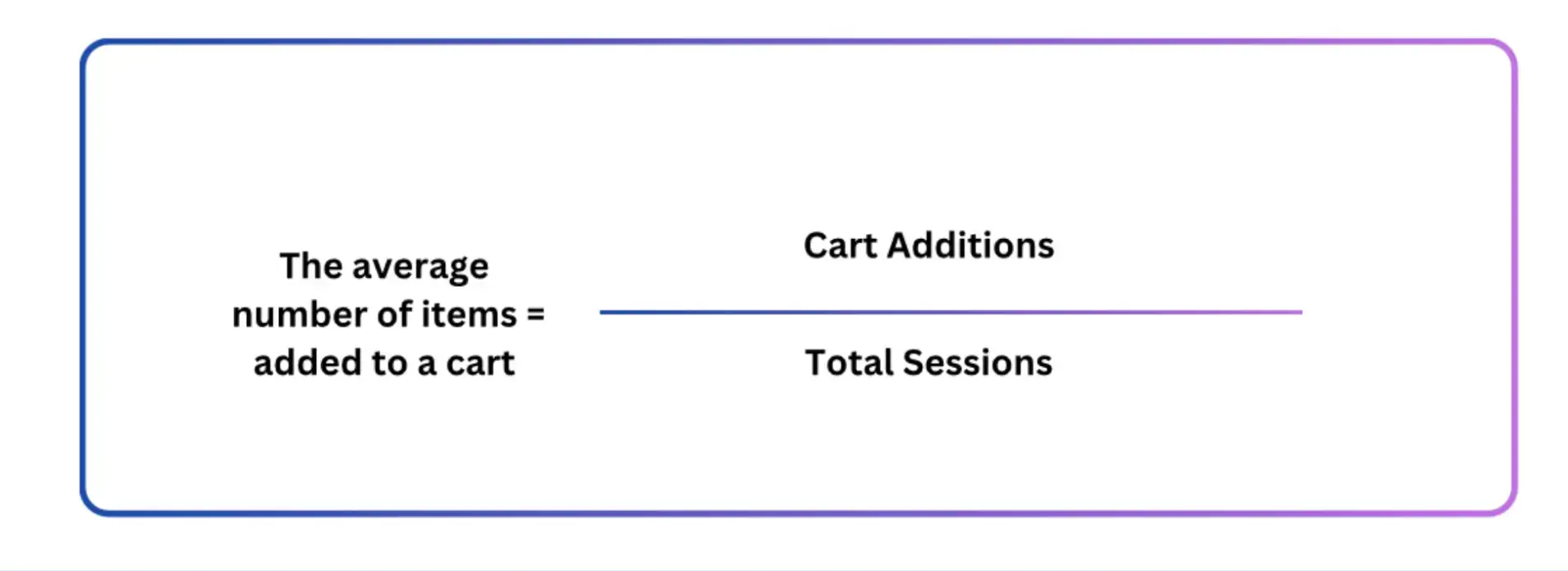
Average Items Added to Cart
The only item in a cart during a user session means a poor upselling strategy, prices being too high, or limited product variety.
Here is the formula to measure this KPI:
Conversion Stage Metrics
Surely, the main KPI here is the number of sales. But eCommerce marketers also track conversion rate, average order value, and checkout abandonment rate.
Let’s analyze them in detail:
Conversion Rate
It’s the percentage of visitors who actually buy. Its low rate indicates slow loading time, difficult navigation, or poor mobile optimization. High time to consider how to increase website conversion.
Here is the conversion rate formula:
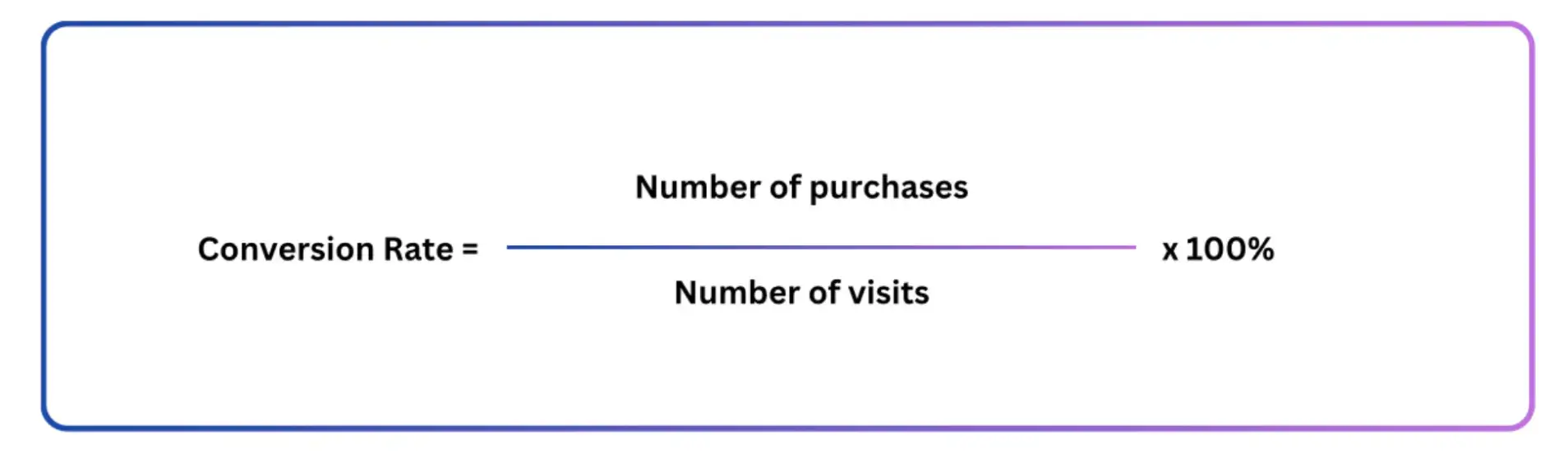
Thus, if you had 9k visitors during a month and 300 of them purchased, your conversion rate is 3.33%.
For reference, the average conversion rate across industries is 6,6%.
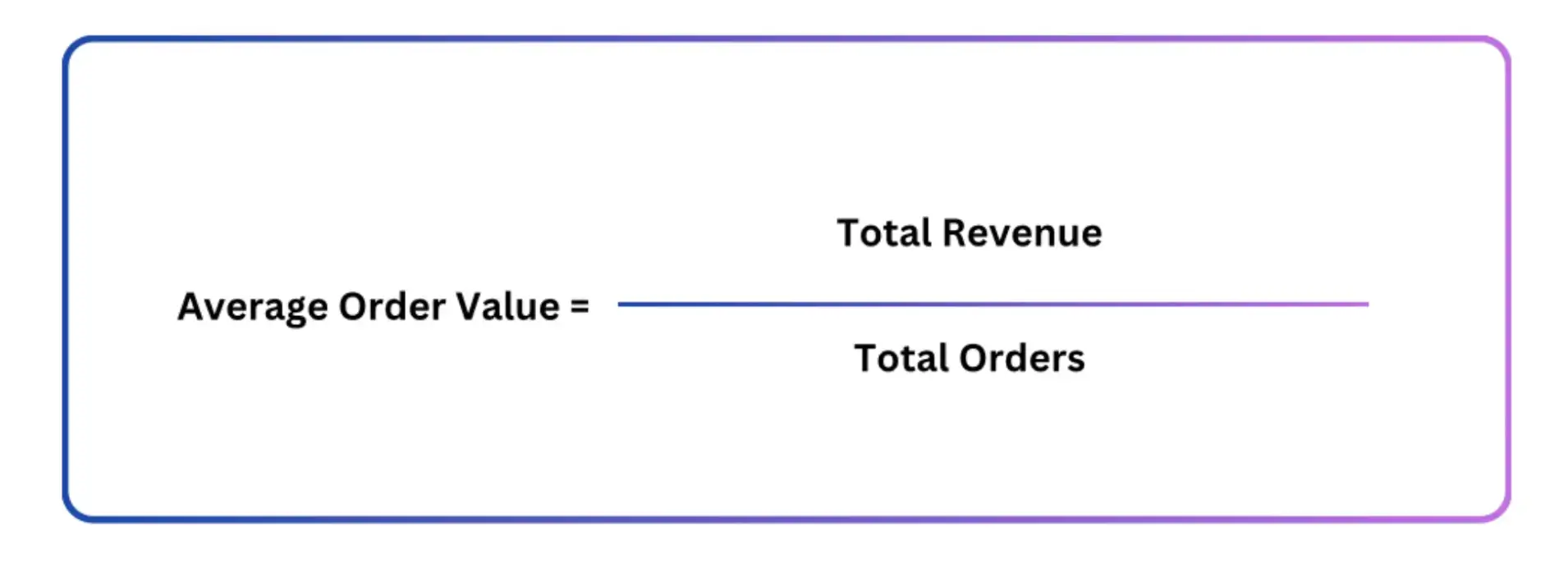
Average Order Value (AOV)
This KPI measures the amount of money customers spend per purchase. The higher it is, the more revenue you’ll get without any investment in attracting new visitors.
Checkout Abandonment Rate
Usually, eCommerce analytics platforms provide this data, but it is useful to know the process:
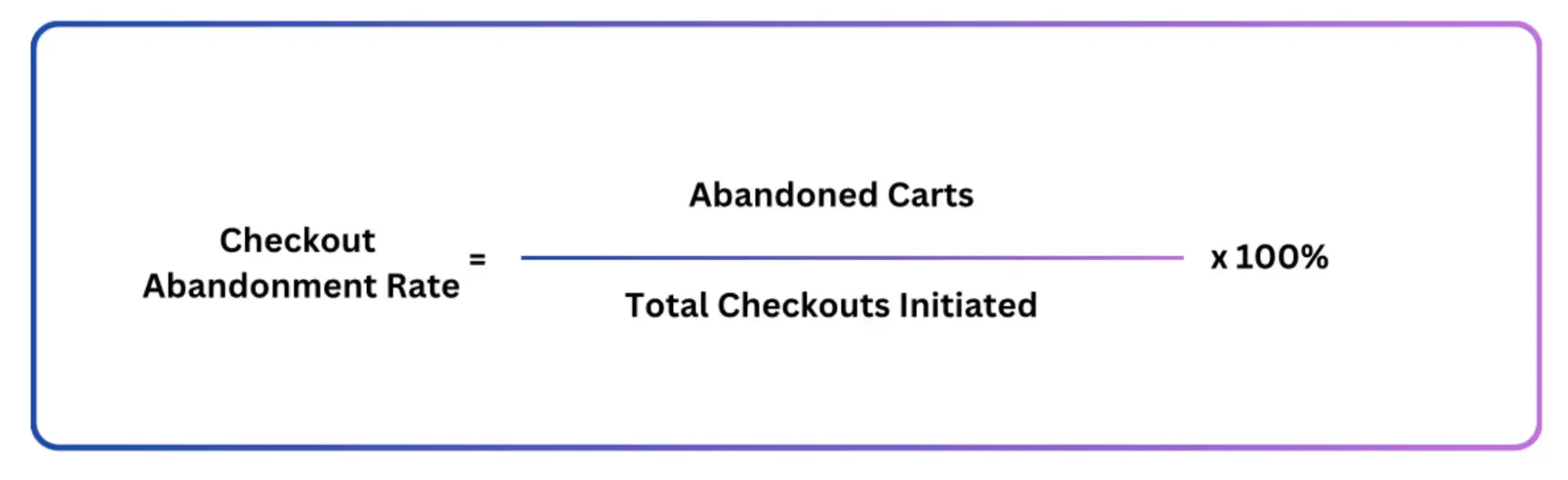
Note that you’ll see the issue only when tracking this metric dynamically.
Loyalty Stage Metrics
As HubSpot aptly notes, customer loyalty is difficult to measure as it is subjective and can vary by business. Still, there are some key metrics to define the success of the loyalty funnel step:
Customer Retention Rate
It is much more expensive to attract new customers than to keep old ones. You can track how many of your customers stay with you.
Formula:
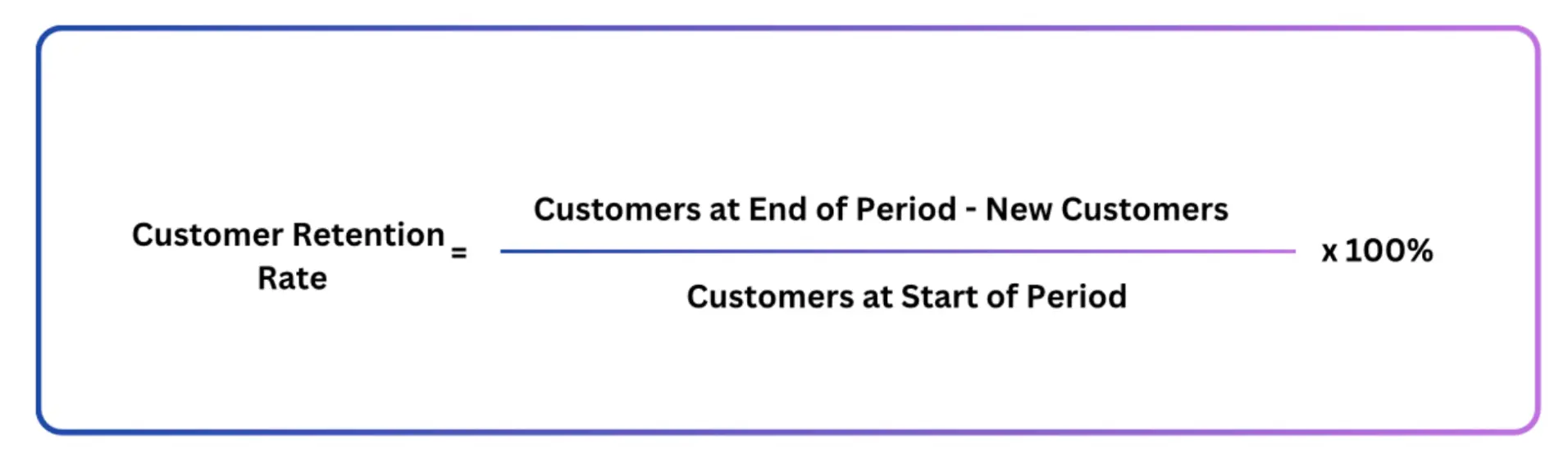
For example, when you start with 500 customers, get 200 new ones, and end with 600, your Customer Retention Rate will be 20%.
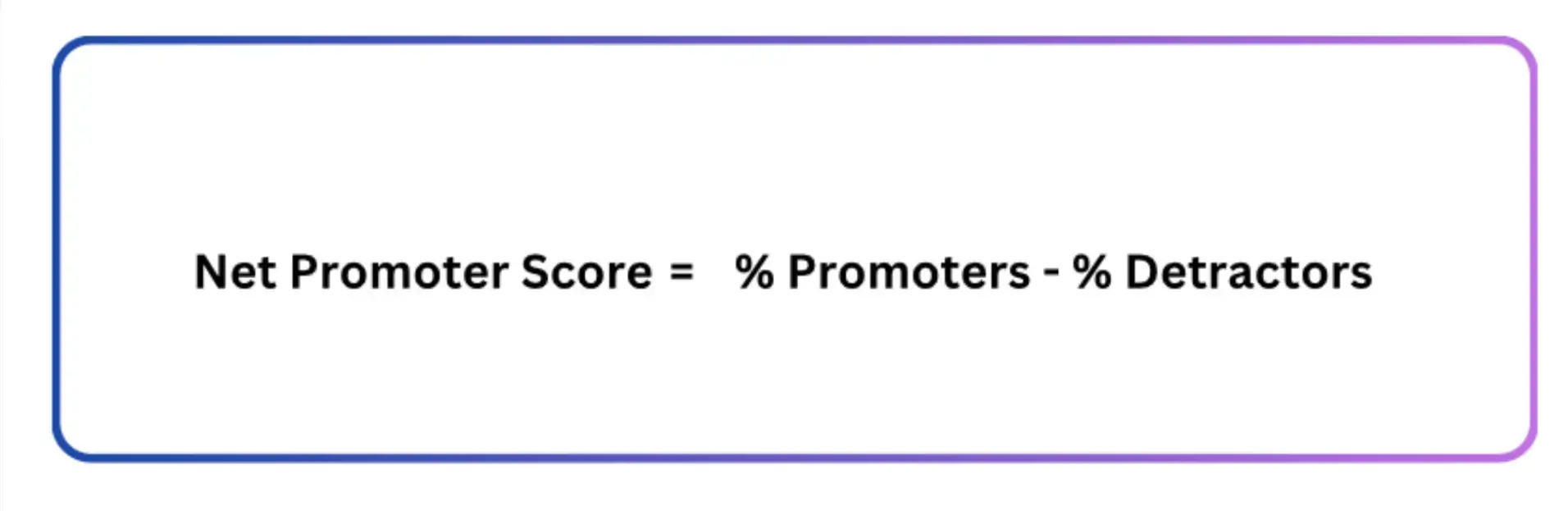
Net Promoter Score (NPS)
This is about how many people are ready to recommend your brand or products to others. To collect this data, you can conduct a relevant after-purchase survey:
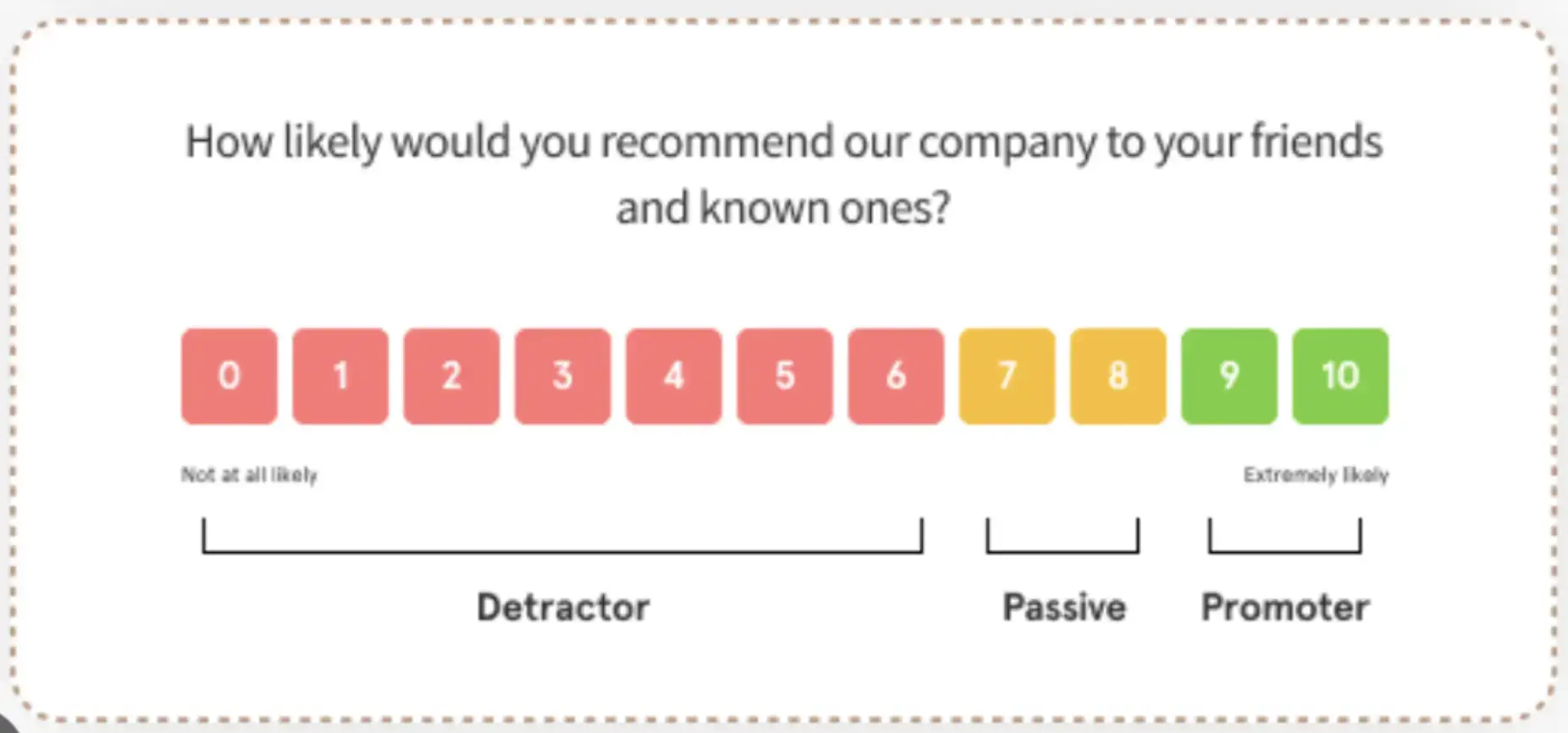
Source: Zonka
The survey results are often enough to identify overall customer sentiment. You can also calculate the NPS:
3 Real eCommerce Funnel Examples
Let’s now move from theory to practice and see how some companies implement conversion funnels.
Huel’s Instagram Funnel Strategy
Huel offers customers the opportunity to buy plant-based food directly on Instagram. It uses Instagram Shop to shorten the path between discovery and purchase.
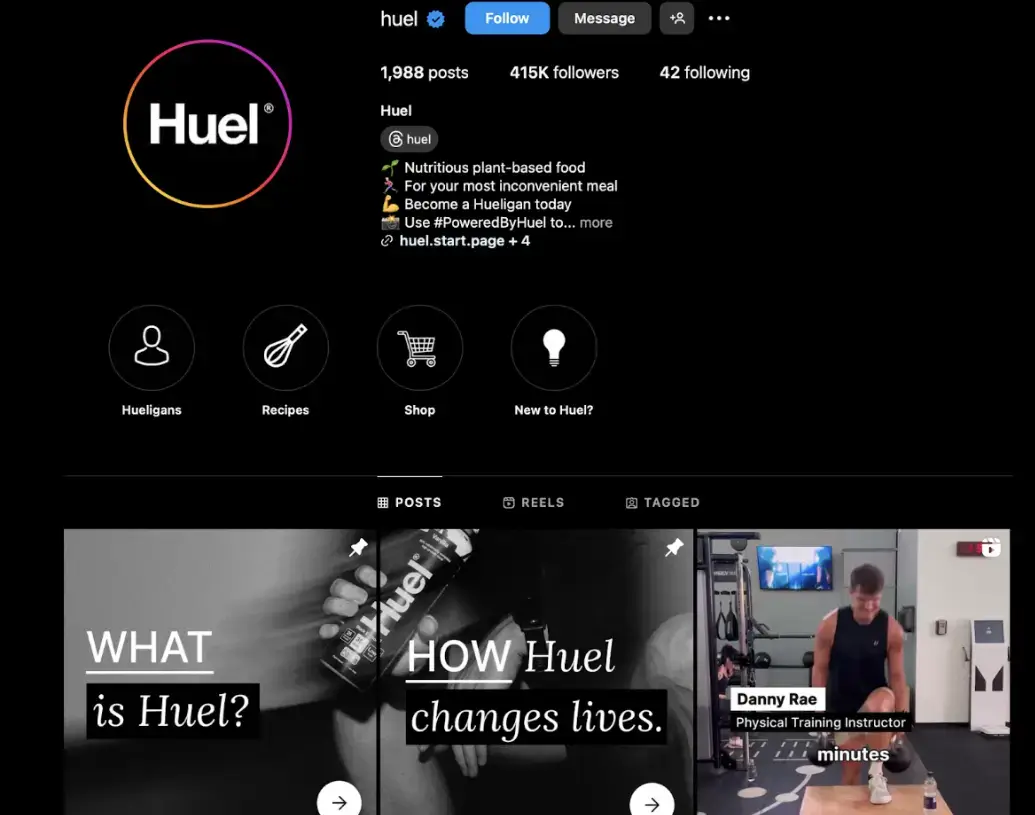
Source: Instagram
How Huel Reduces Purchase Friction
Instead of redirecting users through multiple platforms immediately, the brand lets potential customers explore products directly inside Instagram, reducing friction at the consideration and conversion stages.
Trust Signals Used at the Consideration Stage
To increase trust and push hesitant visitors closer to purchase, Huel also adds FAQs, expert testimonials, and welcome offers on product pages.
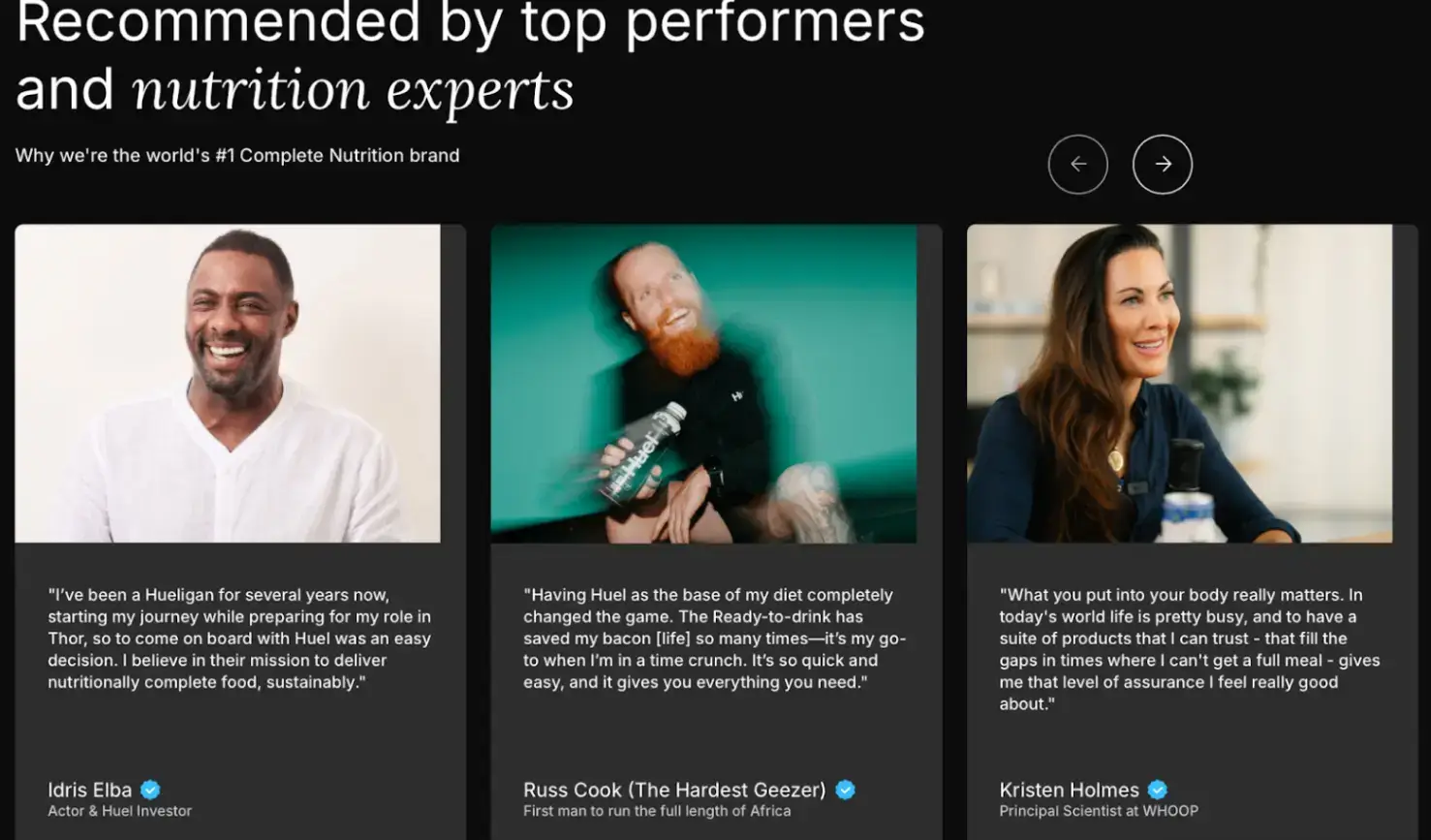
Roma Jewelry’s Content Marketing Funnel
Using SEO Content for Top-of-Funnel Traffic
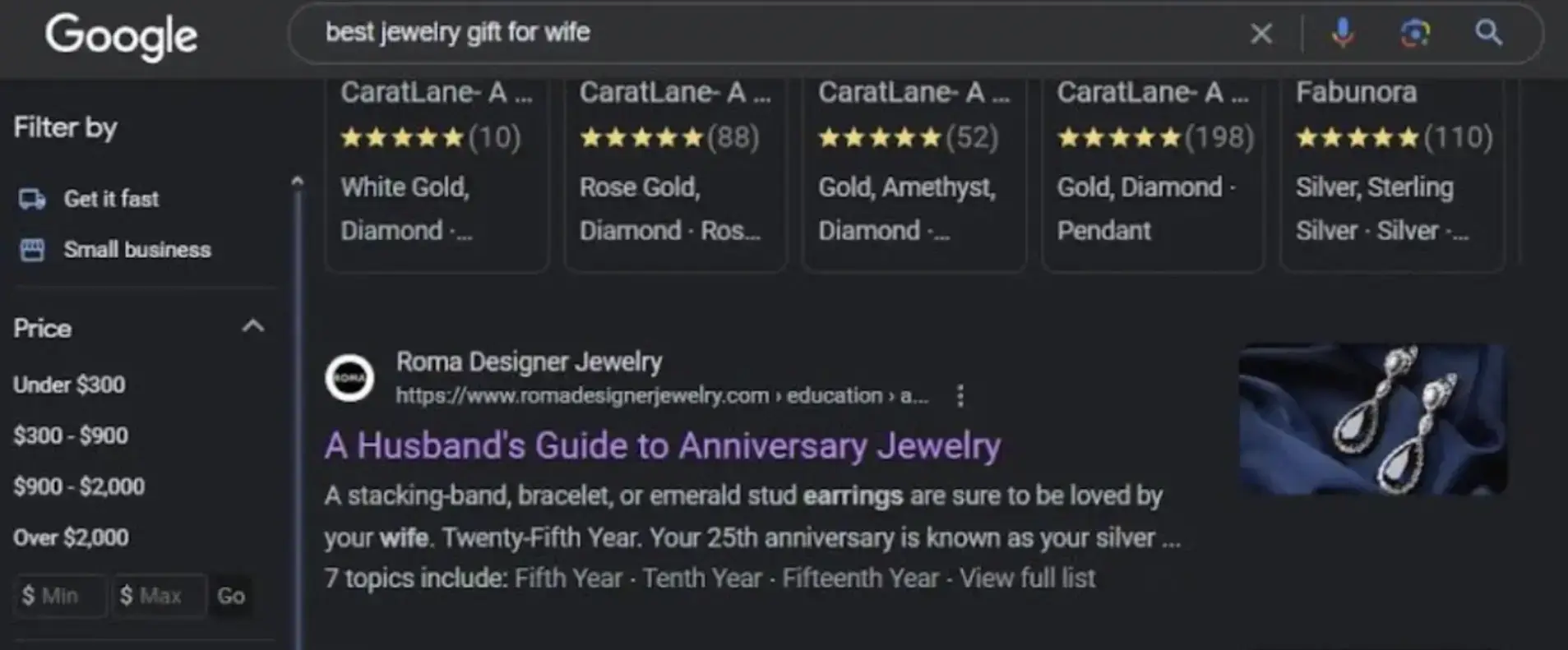
Roma Jewelry focuses heavily on awareness through SEO-driven content.
Articles like “A Husband’s Guide to Anniversary Jewelry” help the brand attract users already searching for gift ideas and purchase inspiration.
Source: GemPages
Moving Readers Toward Purchase Intent
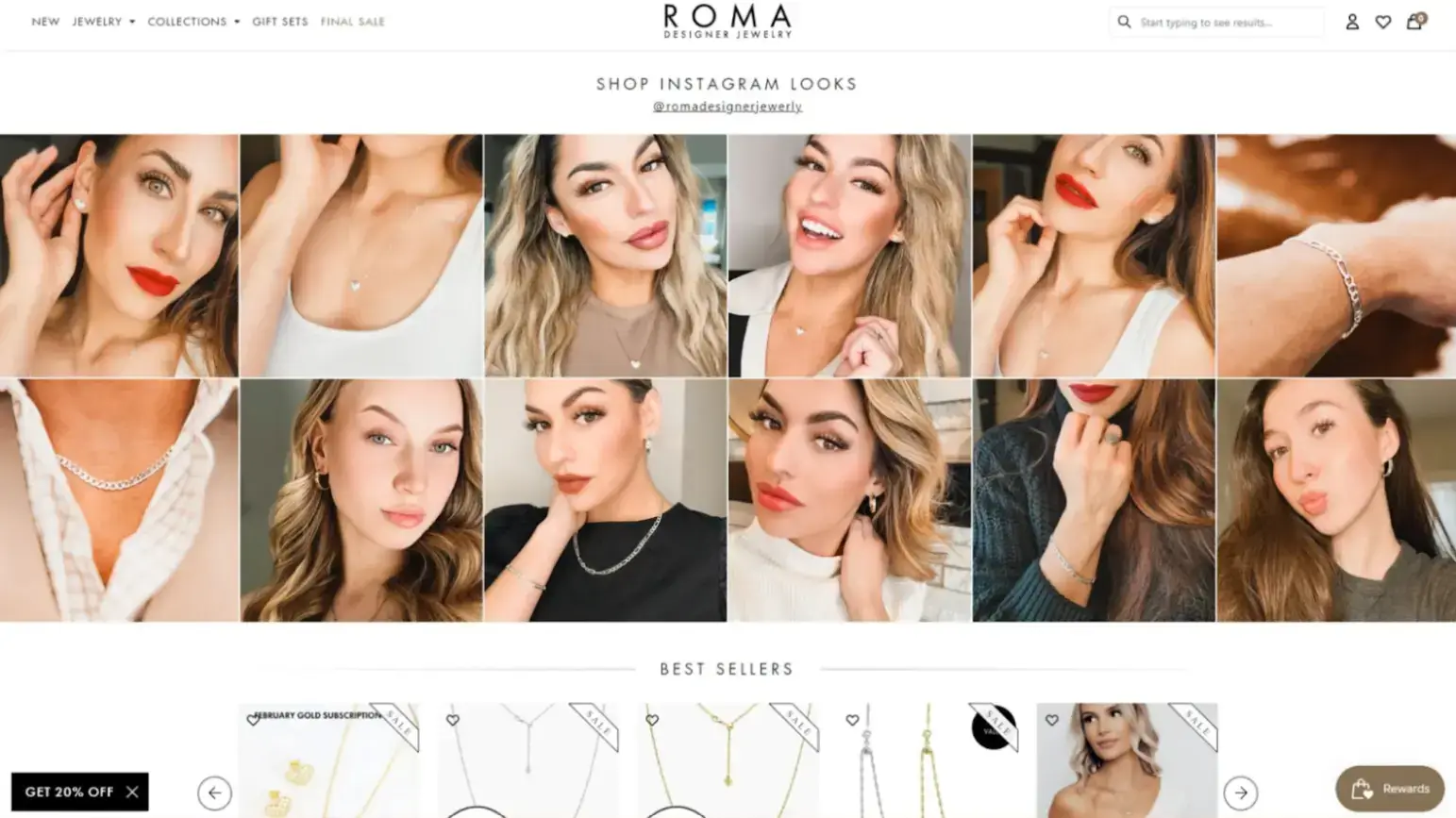
The strategy then smoothly moves visitors deeper into the funnel with product recommendations, Instagram-inspired shopping sections, newsletter discounts, and loyalty program offers.
Source: GemPages
Ruggable’s Pinterest Funnel
Using Visual Search for Product Discovery
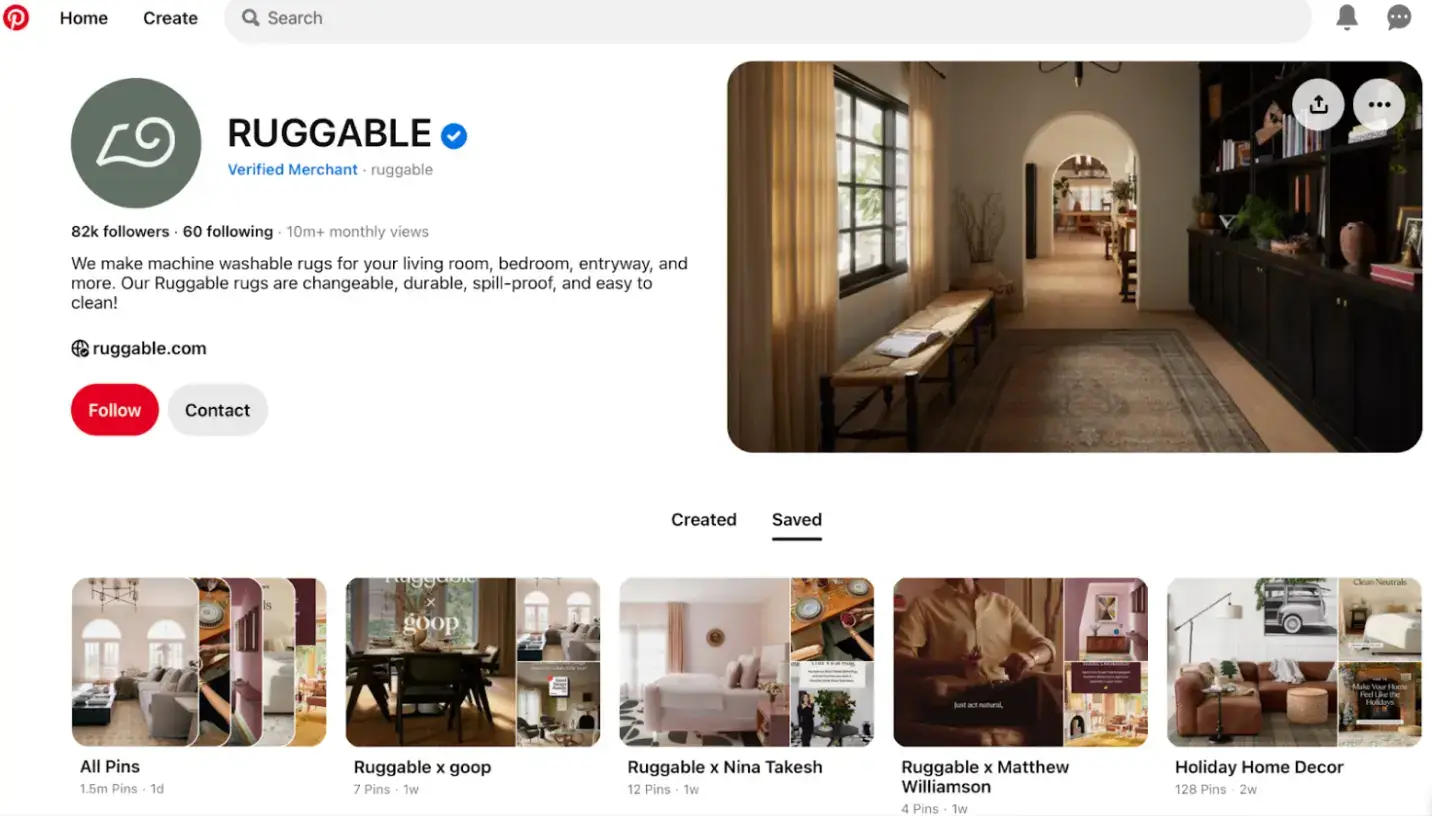
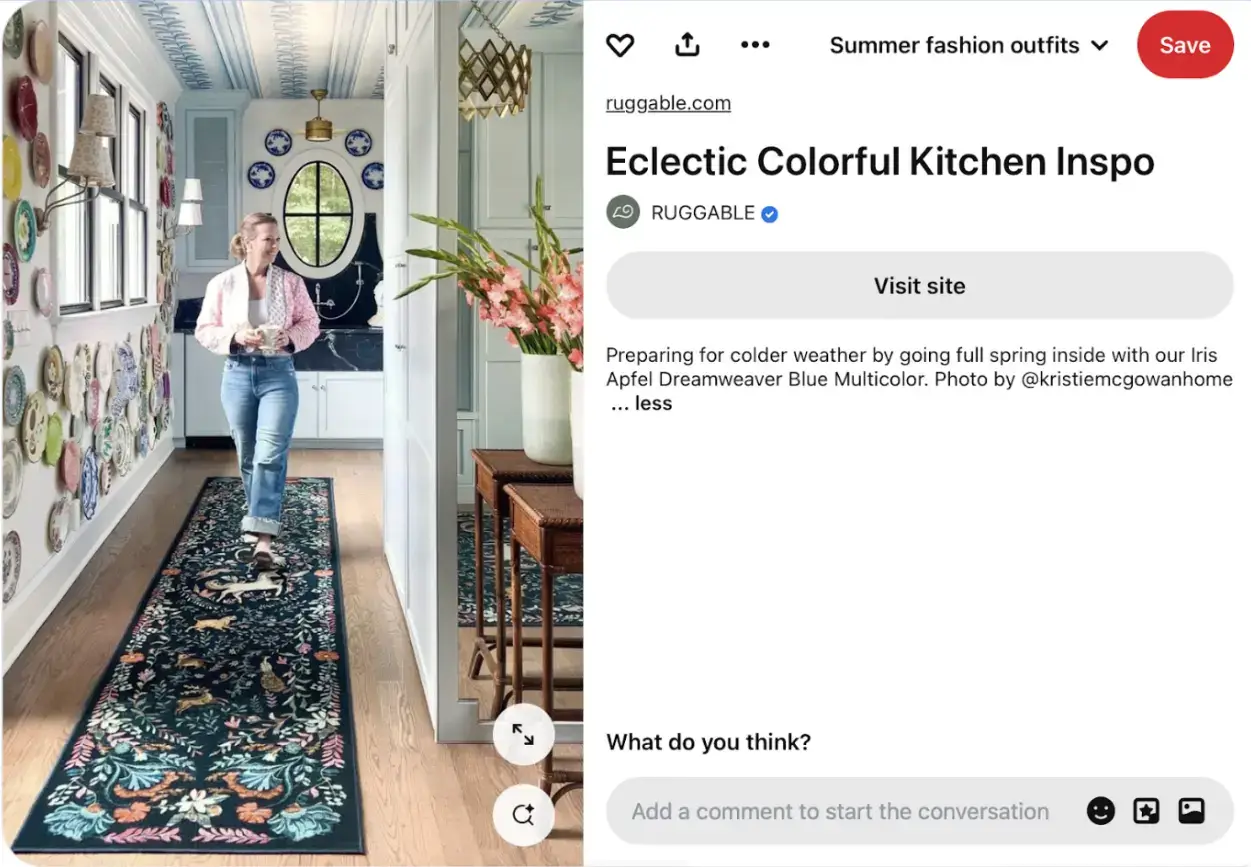
The machine-washable rug brand Ruggable uses Pinterest as a long-term discovery channel focused on visual search and inspiration.
The brand creates themed pin collections optimized around popular search queries like interior styles and home decor trends, helping potential customers discover products organically through Pinterest and Google results.
Turning Pinterest Traffic Into Buyers
Each pin then smoothly guides visitors to the relevant product page, turning visual interest into shopping intent.
To Summarize
Now you know everything about a successful conversion funnel analysis and implementation. We’d advise starting with the top of the funnel and, step by step, drilling deep into the stages.
At the same time, ensure your website is optimized to guide visitors smoothly through every stage of the funnel.
Good luck!
Frequently Asked Questions
What is a good eCommerce funnel conversion rate?
The average conversion rate of the eCommerce sales funnel is 2.5 - 3%, but this varies by industry and traffic quality. For example, in the beauty industry the rate goes up to 4,9% while in home and furniture it's only 1,4%.
What is another name for an eCommerce funnel?
You may find it titled a Sales Funnel and a Customer Journey Funnel. But don't confuse it with a marketing funnel. That one has different stages.
What are the most important KPIs in an eCommerce funnel?
The most important KPIs depend on the stage of the funnel. In awareness, focus on audience reach and website traffic. In consideration, track click-through rate and email sign-ups. In conversion, monitor conversion rate and average order value. In loyalty, key metrics include customer retention rate and net promoter score.
How do you build an eCommerce sales funnel?
Start with a detailed analysis of your target audience: what do they like, which social media platforms they use, and how do they make purchasing decisions. Then, choose what funnel stage to focus on, a goal, and KPIs to measure it. After the launch track conversions and, if needed, start the funnel optimization campaign.
What are the four stages of an eCommerce conversion funnel?
The main stages of an eCommerce conversion funnel are awareness, consideration, conversion, and loyalty. They represent the journey from first discovering a brand to evaluating it, making a purchase, and building long-term customer relationships through repeat engagement.

Author Bio
Julia Serdiuk is an Outreach Manager at HelpCrunch, an AI-powered customer service software. She specializes in enhancing customer service and fostering partnerships with SaaS-focused companies.
Outside of work, Julia is a dedicated bookworm and yoga enthusiast.
LinkedIn – https://www.linkedin.com/in/yuliia-serdiuk/