

Have you noticed? We’ve already stepped into the new era of digital marketing—Experiences: The 7th Era of Marketing (based on the same-name book by professional marketers, Robert Rose & Carla Johnson).
And content-driven customer experience is by far the most critical for brands these days.
In this article:
- What to Keep and Prioritize in Your Content Strategy
- What to Remove from Your Content Experience Checklist
- What to Add to Your Content Creation Checklist
In fact, it’s so important that the digital content creation market is projected to grow at a CAGR of 13.9% over the forecast period from 2025 to 2030.
But do you actually need to spray (and pray) tons of content pieces on your target audience so that they drown in them? Definitely not.
You shouldn’t let your company transform into a content marketing factory just for the sake of it.
For that, let’s do the spring cleaning with this content experience checklist for the future of marketing:
- Keep → Keeping all the necessary stuff (must-haves)
- Delete/Kill → Throwing away the unnecessary into the digital dustbin
- Create → Producing something else you haven’t considered (or hesitated to try) before
So, prepare your digital broom—and on we go!
What to Keep and Prioritize in Your Content Strategy
Let’s start with a few must-save things to give priority to.
Evergreen Educational Pieces
If we compared this process to wardrobe decluttering, then informative “evergreens” would be timeless classics you’d never throw away, even if they were 10 or 15 years old. And here’s the reason.
They remain relevant and valuable for your audience regardless of digital marketing trends or seasons. Plus, they have a noble mission—to educate your customers and create an enlightening content experience no matter what year it is.
Such evergreen types of content are as follows:
- Glossaries
- Explainer articles
- Video tutorials
- Tool listicles
- Comparison posts
- Troubleshooting guides, etc.
For example:
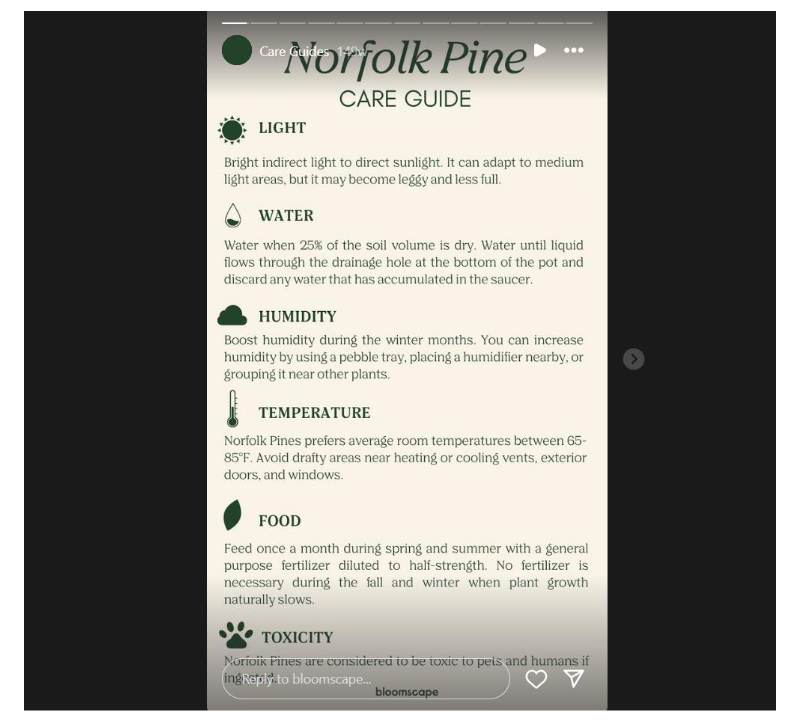
Look at these evergreen (sometimes literally!) plant care guides Bloomscape added as Story Highlights accessible right from the Instagram grid for convenience.
But don’t forget to update your evergreen content from time to time with fresh (and meaningful) information. It’s like dry-cleaning your favorite old coat—it still fits perfectly well, yet it looks fresher and shinier.
For example:
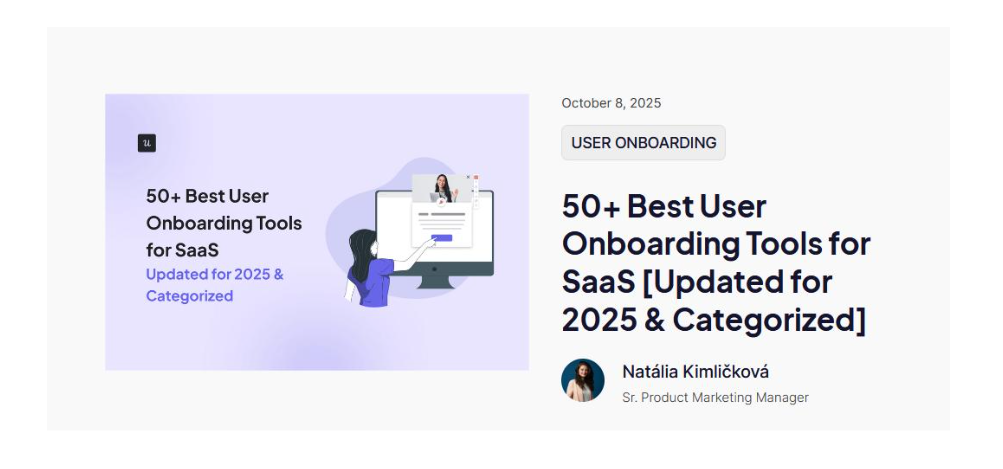
See how Userpilot edited the evergreen B2B content piece, a listicle featuring “50+ Best User Onboarding Tools for SaaS [Updated for 2025 & Categorized].”
News in the Niche (and Location if Applicable and Related to Your Business)
Do you have the “Industry News” section in your content plan?
Excellent! Keep and renew it systematically to share niche-relevant headlines that affect—or even reshape—your business, like this data-driven insight report from Shinesty.
According to Adrian Iorga, Founder & President of 617 Boston Movers (moving services in Boston, MA), staying up to date with community news is a must for small local businesses and their content experience checklists. He advises:
That’s the power of geo-targeted marketing in enhancing content experiences locally.
But!
It doesn’t mean you have to cover every single moment or event (unless you’re a news outlet, of course). Focus only on those that specifically relate to your business in one way or another.
For example:
The 617 Boston movers gave their local audiences a friendly heads-up on LinkedIn: “heavy traffic and strict parking restrictions” in the Fenway/Kenmore area due to the Red Sox season wrap-up. In other words, they turned a local news piece into a moving tip for that very neighborhood’s clients.

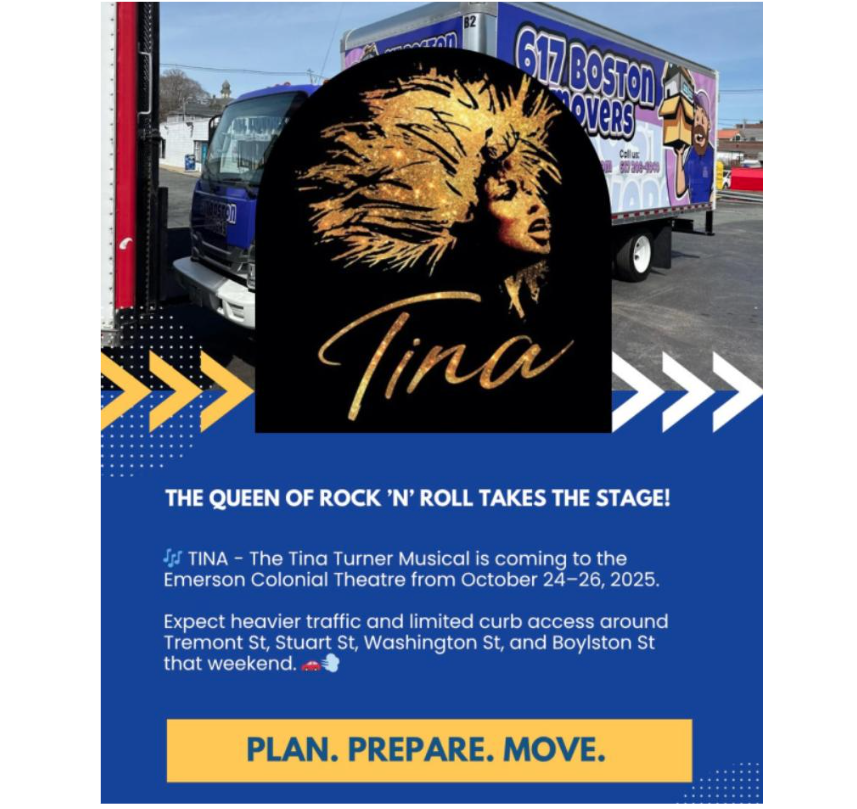
Or here’s another similar news piece (and movers’ advice) in the LinkedIn post about the Tina Turner Musical taking the stage.
Human Over AI-Generated Storytelling
Despite the boom of generative AI in content creation, people still trust other people’s viewpoints more. The following numbers clearly substantiate that.
More than half of people (55%) feel uncomfortable on websites that heavily rely on AI-generated blog articles.
On social media, users have mixed feelings when spotting AI content:
- For 19% → the brand lacks creativity and imagination.
- For 20% → it appears untrustworthy or even lazy.
- For 25% → it is impersonal.
On the contrary, as Jeffrey Zhou, CEO and Founder of Fig Loans, remarks:
For example:
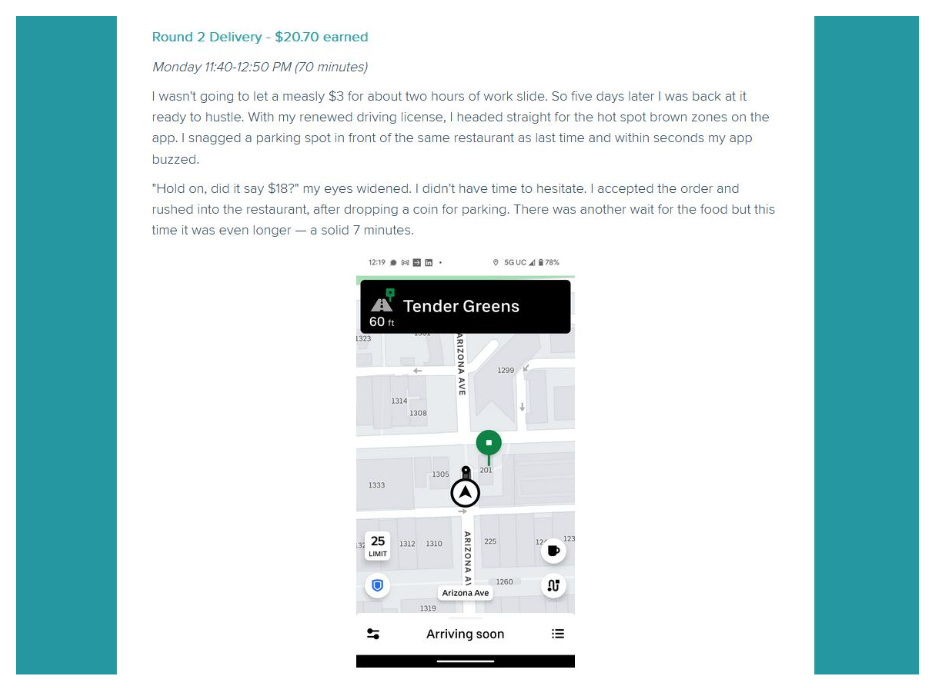
Living up to these words, the Fig Loans team tests different side hustles as earning opportunities—from dog walking to food delivery—with personal takes (“I” narration with screenshots and photos).
The goal? To help others make wiser financial decisions, one honest opinion at a time.
Here are some other ways for brands to make content sound more human (even if it was previously generated with AI):
- Behind-the-scenes
- Customer success stories or testimonials
- Days-in-the-life (authenticity gems for social media content specifically)
- Employees’ journeys
- Casual reflections
- Audio/video diaries
Have a secret confession like, “Why I love Monday mornings even when everyone hates them at work”? Spill it out. Recorded a video sneak peek from your office life? Share it! The key is to be authentic you.
What to Remove from Your Content Experience Checklist
This section is literally a digital detox for your brand. So, let’s get rid of content that neither engages nor converts your audience.
Past Seasonal Campaigns or Holiday Deals
Do you still have the “Summer Sale 2024” landing page for season-driven marketing?
We need to talk...
It’s 2025, summer has passed, and old seasonal promos or holiday marketing campaigns are like last year’s Christmas tree—sentimental, true, but very out of place by spring.
It’s time to let them go if you still have these:
- Valentine’s Day hearts from 2024
- Spring flowers from 2023
- Halloween jack-o’-lanterns, which have been hanging on your homepage since 2022
- And so on (you got it).
Such landing pages no longer bring value or traffic. So, why keep them?
The Best Alternative:
Delete or recycle the page (for sustainable content creation). Replace old holiday/seasonal promos with new ones. Update the year, headline, offer, visuals, or other elements (e.g., a holiday countdown timer).
For example:
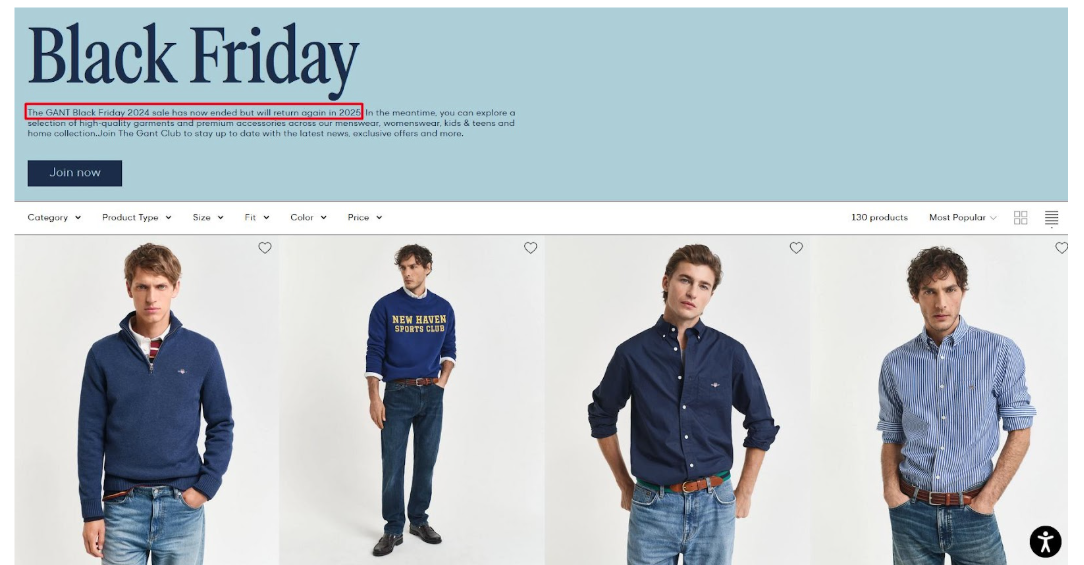
GANT keeps the same Black Friday landing page but updates it each year with new sales.
Manipulative Tricks
Manipulation is not marketing. Period. And when brands consciously manipulate customer psychology, they risk delivering terrible content experiences (and losing customer trust as a result).
For example:
You can clearly trace deception and manipulation in clickbait email subject lines, like this: “Hey, Please Don’t Forget to Confirm Your Orders!”
The Best Alternative:
Produce honest content that doesn’t deceive, yet still leaves the customer curious. A couple of curiosity-kindling subject line examples to increase open rates in email marketing, honestly and ethically:
- “My hubby raised an eyebrow at these!”—WUKA
- This is the secret to your glowiest skin ever—Glow
- Why is this dish on every restaurant menu now?—Eater
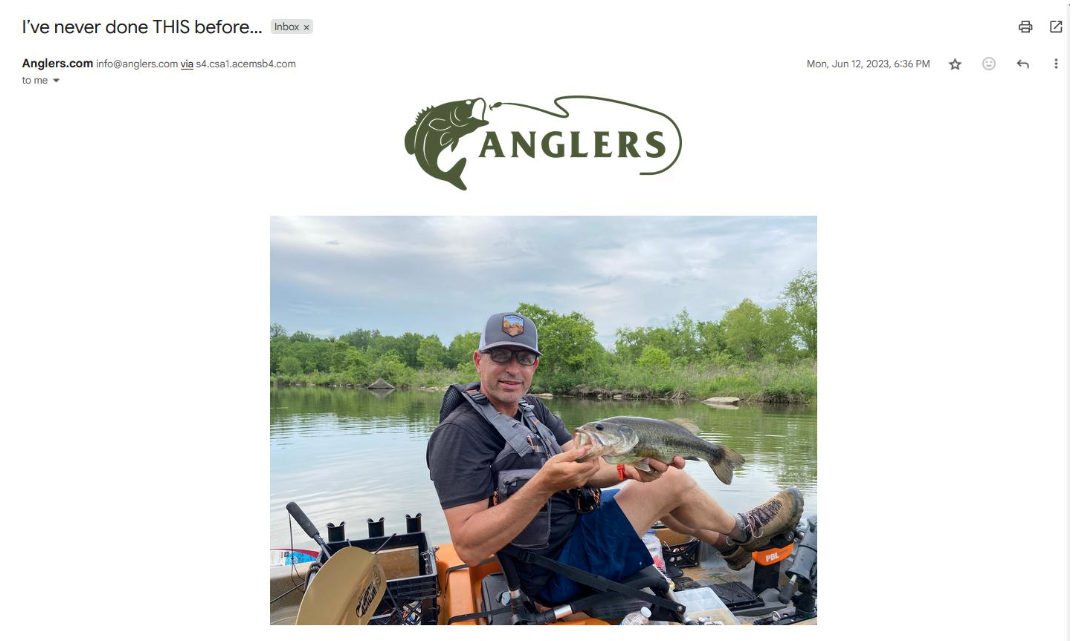
- I’ve never done THIS before...—Anglers.com
Outdated Keyword Overstuffing for SEO
Remember when keyword stuffing was on everyone’s SEO cheat sheet? Yeah, weird times. And they are (finally!) over.
Today, overstuffing your web pages with keywords is one of the worst SEO mistakes, silently killing your website’s performance and burying it deep in search results.
Google penalizes websites for that by lowering their rankings or even removing them from SERPs altogether.
Search engines like Google are smart, but your readers are even smarter. They can “smell” keyword spam like this from a mile away.
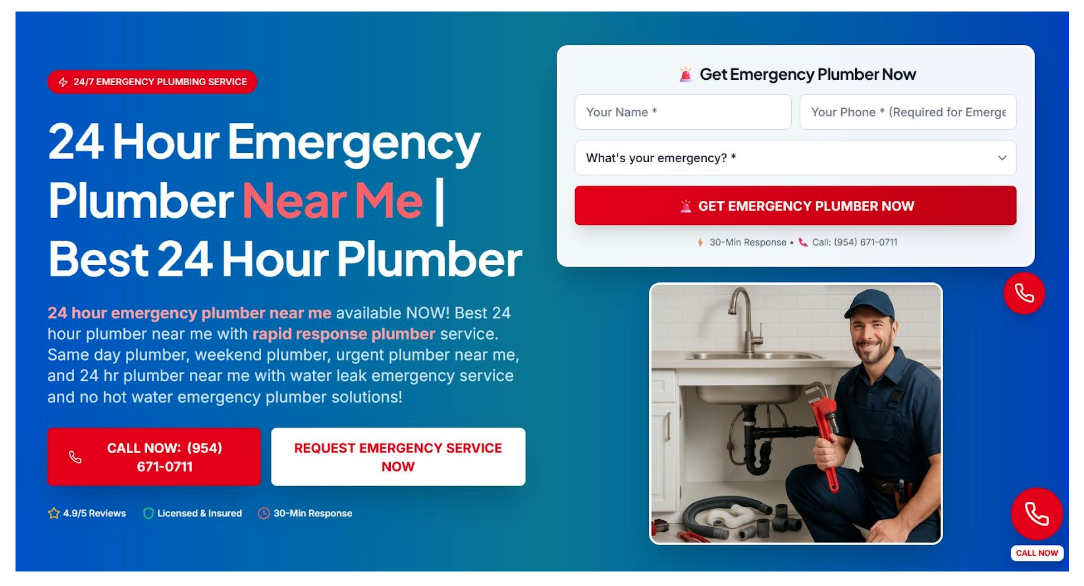
It doesn’t even read like a sentence (totally overstuffed for local SEO): “24-hour emergency plumber near me” or “urgent plumber near me.” And it feels unpleasant, to say the least, creating a poor content experience.
So, if you want an SEO growth hack for effective content marketing in 2025 and beyond, here it goes.
The Best Alternative:
Strive for more natural keyword placement and write content for people first. Sprinkle your keywords more naturally like seasoning, not like you have poured the whole pepper shaker in there (maybe nobody’s gonna know—well, they’re gonna know!).

What to Add to Your Content Creation Checklist
FAQs for AEO and GEO
Let’s face it—SEO is not a buzzword anymore. AEO (answer engine optimization) and GEO (generative engine optimization) are. And frequently asked questions are the bread and butter for both.
In addition to the general FAQ page on your website, consider adding an FAQ widget to each product page or blog post. It’s a fantastic tool to optimize your web pages for AEO and GEO when people seek direct answers.
This way, you will not only rank higher for Google’s answers or generative engines’ results but also build a positive content experience. How?
It all happens at the “Eureka!” moment when the website visitor (most likely, a potential customer) finds the needed information without going anywhere else.
For example:
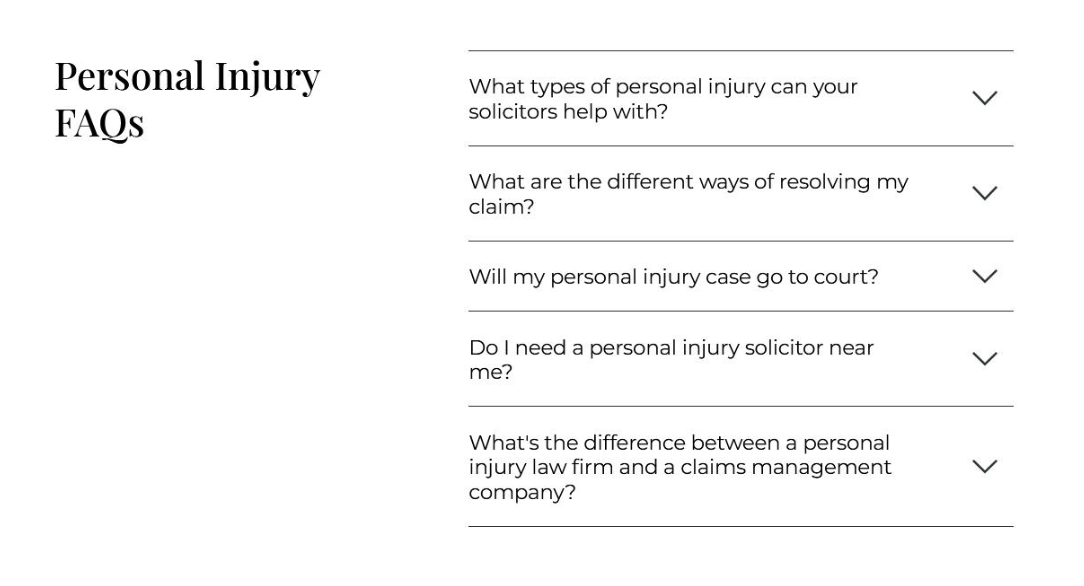
Learn from one of the UK’s law firms. The Osbornes solicitors embedded personal injury FAQs on the service page to improve the client experience and local AEO: “Do I need a personal injury solicitor near me?”
Interactive and Gamified Content
If you still try to captivate your audience with lifeless walls of text, it’s time to take your content to the next level of engaging customer experiences.
In the words of Anna Zhang, Head of Marketing at U7BUY, “static content is a thing of the past.” She notes:
Content Elements for Interactivity
- Product finder quiz
- Personality test
- Poll or mini-survey
- Dynamic infographic that involves hovering or sliding to reveal data
- Before-and-after slider
- Calculator
- QR code
For example:
Contiki created a personality quiz and shared it via email, too: “Which ‘Fourth Wing’ character are you?”

Content Elements for Gamification
- Mini video game (e.g. a 2D or 3D game)
- Scavenger hunt or quest
- Achievement badge
- Levels-based challenge
- Spin-to-win gamified pop-up
For example:
Look at this case of in-app gamification in online banking. To celebrate 10 million clients, Monobank launched a “Lemon Hunt” game.

The result?
User engagement soared sevenfold. At peak, approximately 750,000 users were simultaneously hunting for lemons in the app.
More Short-Form Videos
You can’t deny that short-form video marketing is a must in the era of social media craze driven by human impatience. In fact, 73% of consumers prefer short-form videos, and 56% favor those under 60 seconds.
In this context, the goldmines of user engagement and follower growth on social platforms are mainly these three:
- YouTube Shorts
- TikToks
- Instagram Reels (which brands often automatically share as Facebook Reels)
You can’t miss out on these types of video for your content creation checklist, particularly when you target Gen Z, hungry for visual micro-content that engages them to watch and, ultimately, converts to buy.
For example:
While targeting younger audiences on TikTok, the Ninja Transfers team engages them through video reply challenges. Here’s how.
They generate new TikTok videos as replies to users, who dare the company to try different DTF transfers on apparel. And here’s one from their custom T-shirt printing challenge: “Is it possible to print a realistic texture?”
@ninjatransfers Your request 💬 is OUR dtf transfer 😉 What other questions can we turn into transfers?! #dtfprinting #dtftransfers #dtftransfer #customapparel
♬ original sound - ALTÉGO
Follow This Checklist and Drive Fantastic Content Experiences
Now that you know what you must keep, delete, and create for 2025 and beyond, sweep your way to a smarter (and more interactive!) content experience management process.
And do it with POWR on your website. Explore POWR’s plugins and apps, from timers and sliders to interactive forms, popping up and turning your web visitors into doers (and then, ideally, buyers), not just idle stoppers-by.
