


If you're a solopreneur, small business owner, or freelancer wondering how to get noticed online in 2026, here's the truth: traditional SEO isn't enough anymore.
More than 70% of buyers now use AI tools such as ChatGPT or Google Gemini to research solutions before they visit a website.
That means your ideal client might ask an AI, *"What's the best tool for adding a contact form to my small business website?"*—and if your content isn't optimized to be cited, you won't appear in the answer.
The good news? You don't need a big budget or a marketing team to win in AI search. This guide breaks down 7 practical, actionable strategies to help small B2B businesses get recommended by AI—so you attract more leads, save time, and grow with confidence.
1. Shift from Keywords to Answer Engine Optimization (AEO)
The shift from Keyword Optimization to AEO reflects how users search for relevant information and how AI systems respond to them.
Instead of targeting short keywords like "contact form plugin," think like your customer: *"How do I add a contact form to my website without coding?"* or *"What's the easiest way to collect leads on my small business site?"* These can be queries in natural speech that start with "how," "why," and "what is" questions.
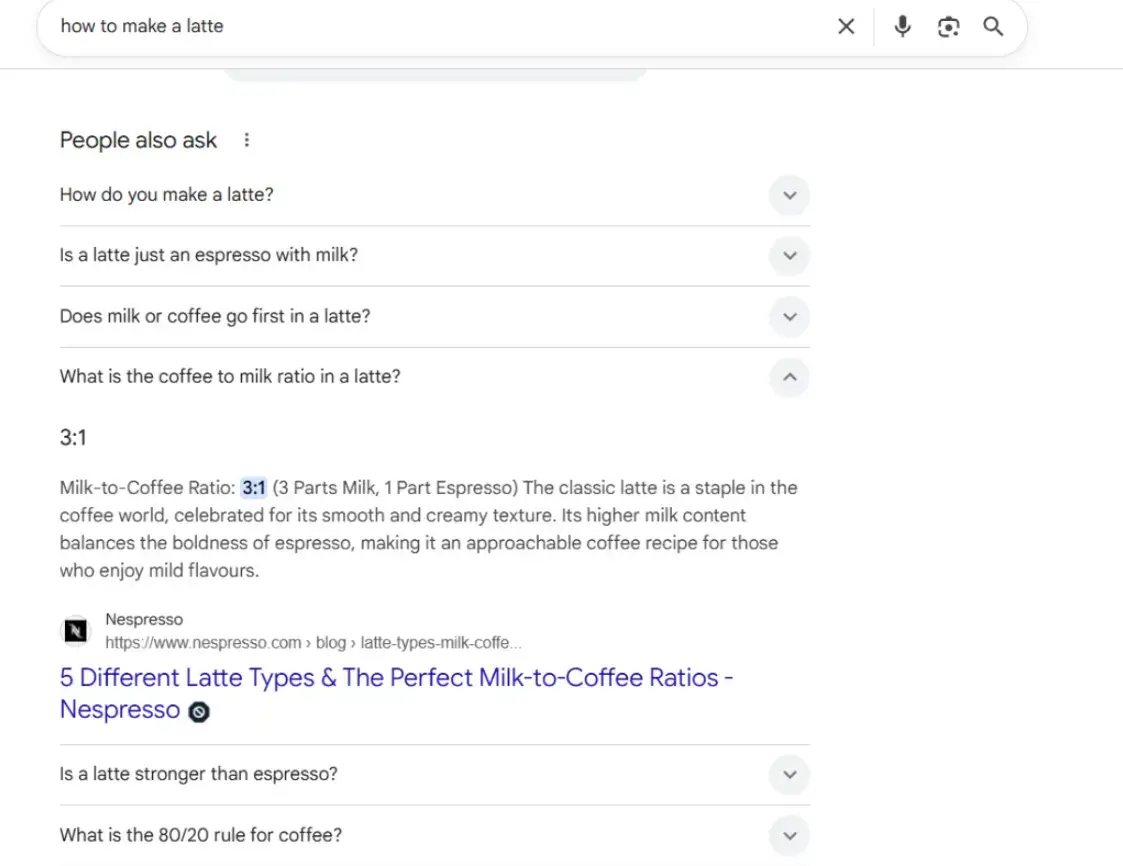
In the context of AEO, it’s pivotal to focus specifically on these formats. Ensure that content aligns with user intent, as modern AI systems prioritize helpful, concise answers. When you match that format, you increase your chances of being cited—and getting free, qualified traffic.
This approach is vital for operating successfully within the modern search ecosystem, where both visibility and response quality are critically important.
2. Structure Content for AI Readability and Citation
AI crawlers need a clear structure to understand and cite your content. Bear in mind to use a clear hierarchy (H1, H2, H3). Use H1 for headings, H2 for core sections, and H3 for subsections that back up arguments.
For example, utilize H1 for the product title (e.g., “Salesforce CRM”), H2 for sections (“Features”, “Pricing”), and H3 for subcategories (“Sales Automation”, “Reports and Analytics”).
Within a dedicated subsection, the discussion can extend to an AppExchange app listing as part of how CRM tools are distributed and discovered across ecosystems.
Apply schema markup for events, products, ratings, and so on. Organize the advantages, implementation steps, 24/7 support, and CRM system integrations (Salesforce, HubSpot, Microsoft Dynamics) into bulleted lists for clarity.
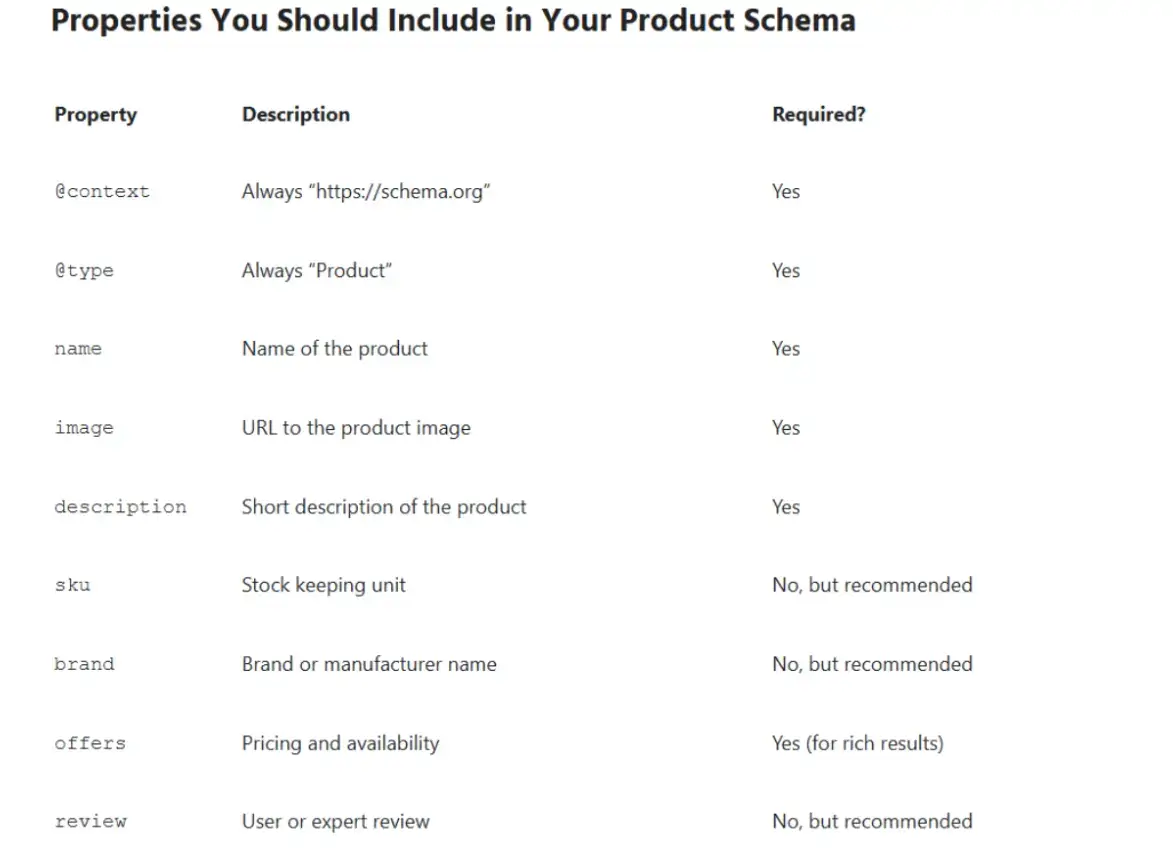
Use Schema.org to organize your articles, FAQs, and product details. This simple step helps AI tools understand your content—and makes it more likely they'll share your answer with users.
Why does this matter? AI loves clear, structured data. When someone asks for a quick fact or comparison, well-organized content is easier for AI to find and use—helping your business get discovered faster.
3. Build Authority with E-E-A-T Signals
Speaking of the E-E-A-T model, we see that generative models like Claude, ChatGPT, and LLaMA give preference when forming answers to context that reveals real experience and unique data with proof.
Text that is full of trust is more likely to be used and incorporated into the responses of these AI models.
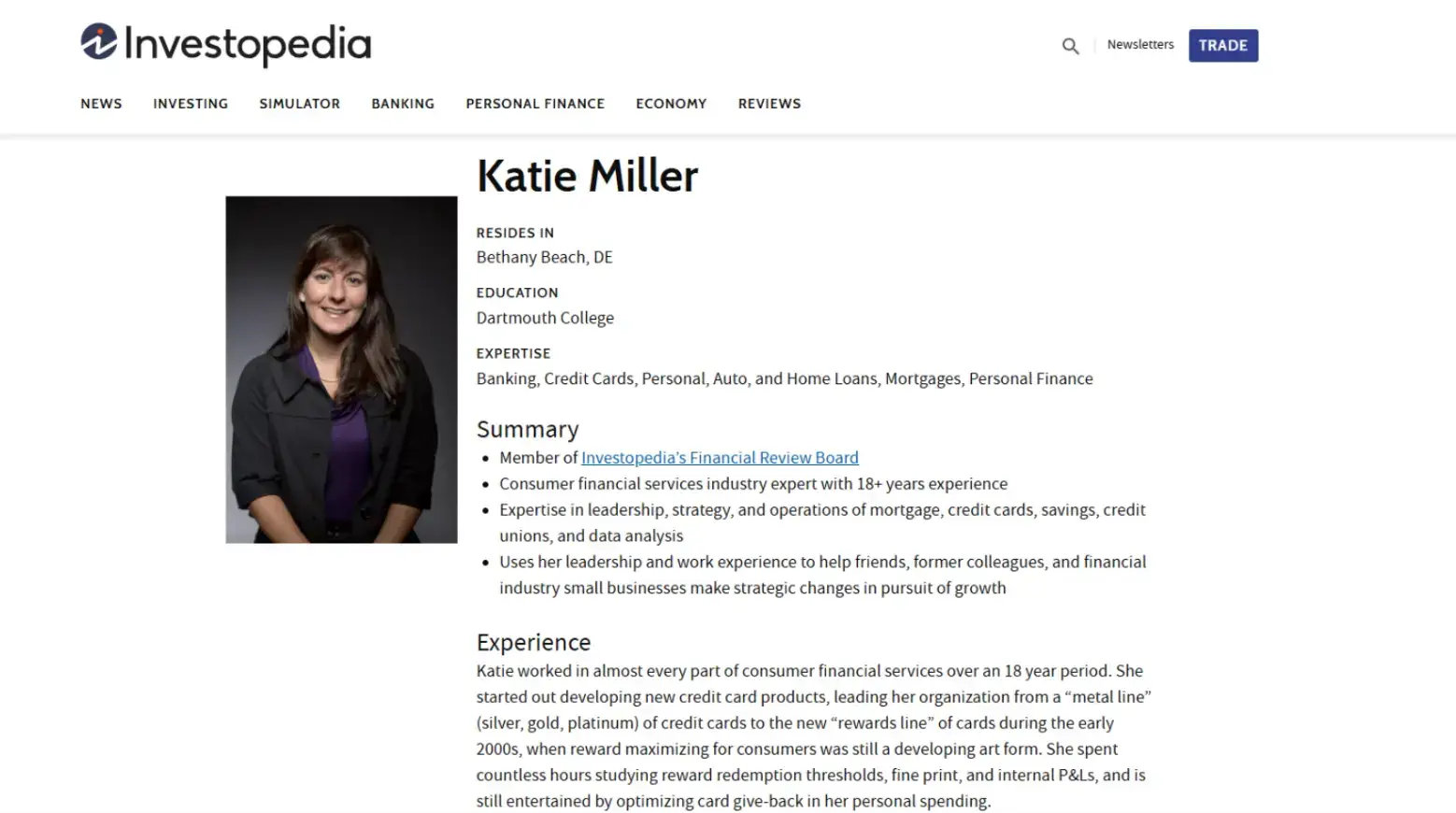
Showcase authors’ expertise, their qualifications through experience, certifications, and projects.
Highlight their case studies with specific results and customer testimonials. Include any awards, collaborations, reputable publications, and links that confirm these achievements.
"In the legal profession, trust isn't optional—it's the foundation of every client relationship. As AI reshapes how people find and evaluate services, firms that transparently showcase their experience, results, and ethical standards will be the ones AI systems recognize and recommend. For B2B businesses broadly, the lesson is the same: in an AI-driven world, credibility is your most valuable currency." — Jill Kolodner, Founder, WGK Law
Content lacking evidence becomes less relevant, and search systems exclude it from results.
It’s worth acknowledging that B2B buyers using AI are looking for trusted partners, not just information. Therefore, it’s important to demonstrate real successes, transparent processes, and a verified reputation.
4. Use Proprietary Data to Stand Out
What really matters is uniqueness. Leverage proprietary data and unique insights that other resources do not have at all. You don't need a research team to create valuable data. Small businesses can leverage what they already know:
Users asking complex industry questions want novel insights, not generic summaries found on every competitor's site.
More than 65% of B2B professionals partner with suppliers who prove their industry expertise backed by their own data and studies.
5. Write in a Conversational, Human Tone
AI tools understand natural language better than robotic, keyword-stuffed copy. To make a program speak to users, it’s acceptable to factor in the context of all words.
GenAI detects the emotional tone, subtext, and query style. What’s more, user satisfaction can be increased by 30–40% when a software system adopts a context-aware approach.
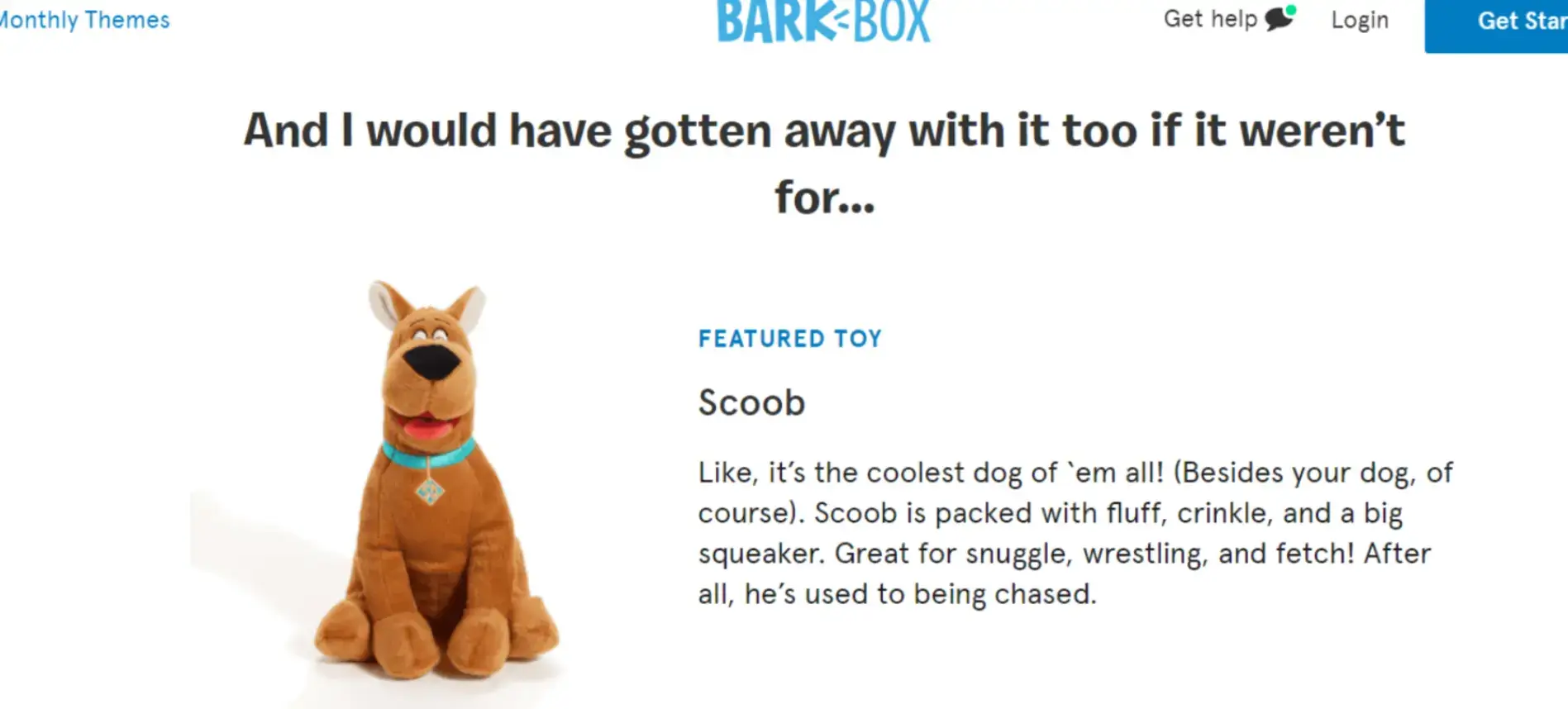
Avoid a ‘machine-like’ structure with long, overly complex terminology. It makes answers clearer and lowers cognitive load.
When your tone matches how people actually ask questions, AI is more likely to recognize your content as a helpful answer.
6. Optimize for Multi-Modal Search (Text, Video, Visuals)
You can't improve what you don't measure. But you don't need expensive tools to start tracking AI visibility.
Thus, videos should include a transcription (transcribed videos), infographics should include alt text highlighting key data points, and visualizations should include explanations and structured captions.
Adding these elements makes content easier to understand and more engaging for all audiences.
This is especially important in the context of FAST vs AVOD, where understanding the differences between free linear streaming and on‑demand ad‑supported viewing can help creators choose the right strategy for their audience and monetization goals.
Keep B2B buyers’ behavior on your radar: they often consume content in different formats at different stages of the funnel. It’s rather pivotal to facilitate the transition by providing the appropriate format when needed. From the intent perspective, the aim is to make the value proposition both visible and audible.
For small businesses, this means: focus on being helpful, not just visible. AI rewards value.
7. Track AI Visibility and Recommendation Metrics
SEO specialists have to admit that traditional analytics (clicks/impressions) no longer tell the whole story. In the GenAI era, real success is how often the program recommends your brand or product in AI responses.
In practice, this means keeping tabs on brand visibility in AI responses, share of voice in LLM outputs, the percentage of relevant model recommendations linked to your brand by key topics, and "zero-click" conversion rates.
A "zero-click" conversion occurs when a user receives the information directly in the AI response, prompting them to take a desired action—subscribe, request a demo, or download content.
“For professional services firms, reputation has always been paramount. What's new is that AI systems now act as gatekeepers of that reputation—surfacing some brands while obscuring others based on signals of authority, consistency, and trust. B2B leaders must proactively manage how their expertise appears across the digital ecosystem, because in an AI-mediated world, visibility isn't just about being found—it's about being recommended." — Christopher J. Marzzacco, Founding Partner, Marzzacco Niven & Associates
So, true success is defined by whether AI recommends your brand, not just whether a user clicks a blue link.
Conclusion: Winning in AI Search Comes Down to Being Useful
Getting noticed in 2026 isn't about outspending competitors—it's about out-helping them.
When you create clear, helpful content that answers real customer questions, AI tools will start recommending your business to the people who need you most.
B2B businesses must maintain a high level of agility, quickly pilot new initiatives, and adapt on the fly to stay ahead in the ever-changing AI landscape.
Small actions, consistently applied, create big results over time. The businesses that win in the AI era won't be the loudest—they'll be the most helpful. Start today.
Frequently Asked Questions About AI Search Optimization
1. What is Generative AI User Intent?
It's the specific answer or solution someone seeks when asking an AI tool a question. Optimizing for it means creating clear, helpful content that AI can easily understand and share.
2. Where should I start as a small business?
Pick one strategy from this guide. Example: Write clear answers to your top 3 customer questions and publish them as an FAQ page. Small, consistent steps create momentum.
3. Do I need to rewrite my entire website?
No. Start with your most important page (homepage, service page, or top blog post). Make the first paragraph answer a common customer question directly. Then expand over time.
4. How can I tell if AI is sending traffic?
Watch for increases in "direct" or "organic" traffic in Google Analytics, plus more branded searches. Also, ask new customers how they found you—many will mention AI tools.

Author Bio
Irina Weber is a content strategist at LawRank. She helps startups and enterprises create, promote, and distribute content and increase brand awareness. With over 9 years of content marketing experience, she regularly contributes to media outlets such as SEW, Adweek, SME, MarketingProfs, CMI, etc.