
Do you want to learn how to give each of your email subscribers the best experience possible? If so, it's time to think about segmenting your audience.
When marketers send generic, one-size-fits-all emails, they almost always result in low engagement and missed opportunities. People are more interested in personal messages that resonate with their goals, needs, and pain points.
Email segmentation gives you the opportunity to deliver on this by ensuring each person receives messages that actually matter to them. As a result, you can expect to see greater engagement and higher conversion rates across your campaigns.
Today, we will show you exactly how you should segment your audience for the biggest impact. You'll find actionable strategies, examples, and much more.
In this article:
- 6 Actionable Types of Email Segmentation
- Best Practices for Effective Email Segmentation
Why Email Segmentation Matters
Email segmentation is a foundational part of creating personalized messages. It allows you to tap into what your audience needs and connect with them in ways that can't be done with generic messages.
The way it works is simple: a business gathers information about its audience through market research, buyer personas, and direct user data, such as purchase history and feedback.
When used effectively, this is the best way to improve how people interact with your brand. If you’re wondering about the impact, consider that 72% of online shoppers prefer to interact only with personalized messages.
With that in mind, let's explore the key benefits.
Send Relevant Messages
Segmentation allows you to send the right emails to the right people at the right time. Highly targeted emails stand out, capture attention, and lead to genuine engagement.
Boost Opens
Personalized emails lead to higher open rates. When content is tailored to each person, subscribers feel more compelled to open and click. This relevance boosts CTRs and overall engagement.
Improve Conversion Rates
Targeted offers sent to interested segments significantly improve conversions. Relevance reduces unsubscribes and improves long-term retention.
Build Stronger Customer Relationships
Showing people you understand their needs builds trust and loyalty. They begin to view your brand as a valuable resource that supports their success.
Maintaining list hygiene is just as important as sending relevant content. Giving subscribers the option to easily manage or unsubscribe from unwanted emails not only improves deliverability but also protects sender reputation.
You can also improve how you manage incoming messages by applying strong email organization habits. For example, using proven email productivity tips can help you stay on top of conversations, reduce clutter, and respond more efficiently.
6 Actionable Types of Email Segmentation
Now that you know why email segmentation matters, let's look at six core strategies that will help you segment effectively.
1. Demographic Segmentation
Group your audience by observable traits such as age, gender, location, income, education, or job title.
Demographics help you build buyer personas and understand what people want from your brand.
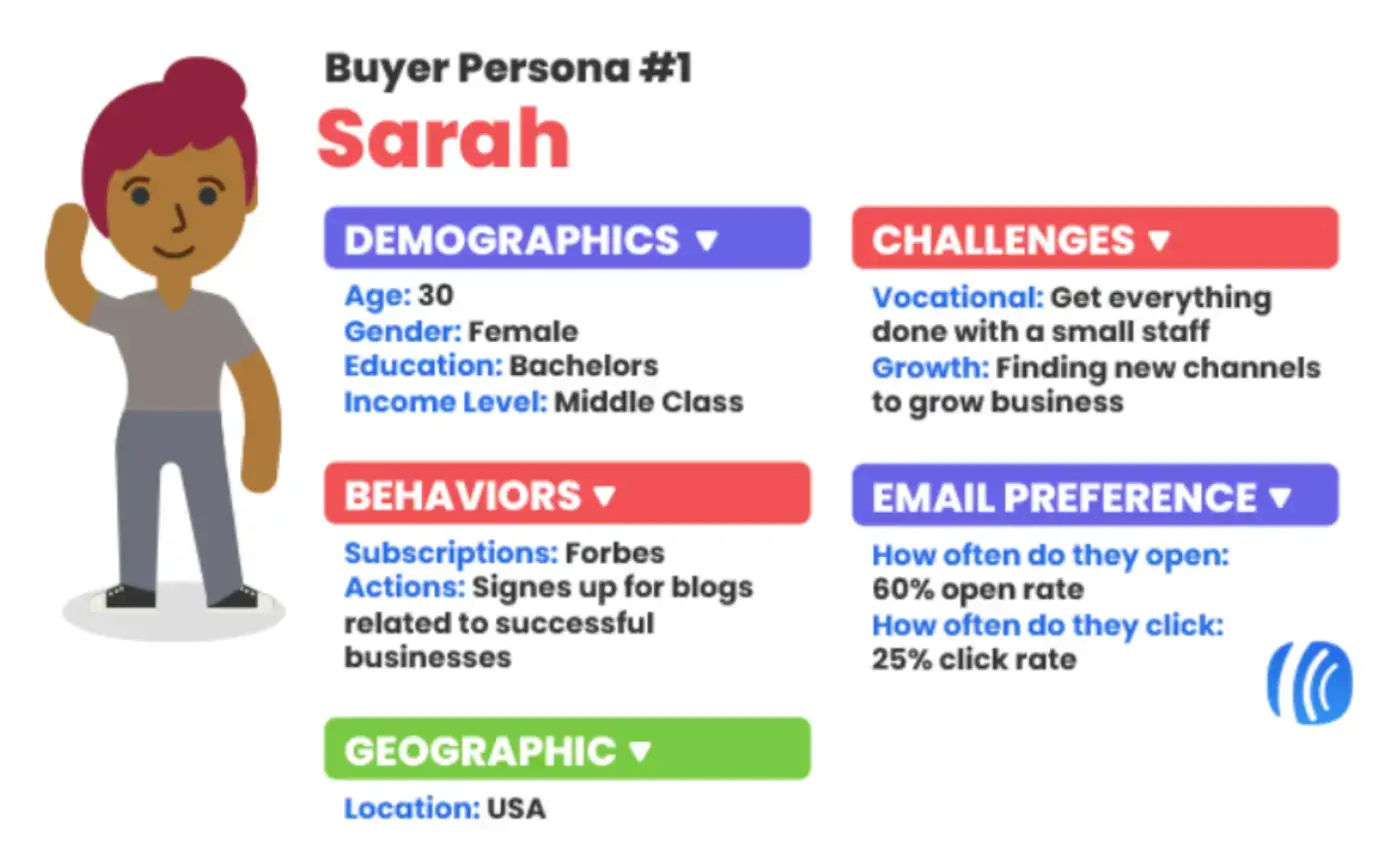
Source: AWeber
Collect demographic data through signup forms, optional survey fields, or profile preferences. Keep forms brief and clearly explain why you’re collecting the data.
2. Psychographic Segmentation
Psychographics go deeper by segmenting based on lifestyle, interests, values, personality traits, and opinions.
Collect psychographic data through surveys, quizzes, social media engagement, website analytics, and customer feedback.
3. Behavioral Segmentation
Group subscribers based on how they interact with your brand.
Behavioral data points include:
- Purchase history
- Website activity
- Email opens and clicks
- Inactivity or cart abandonment
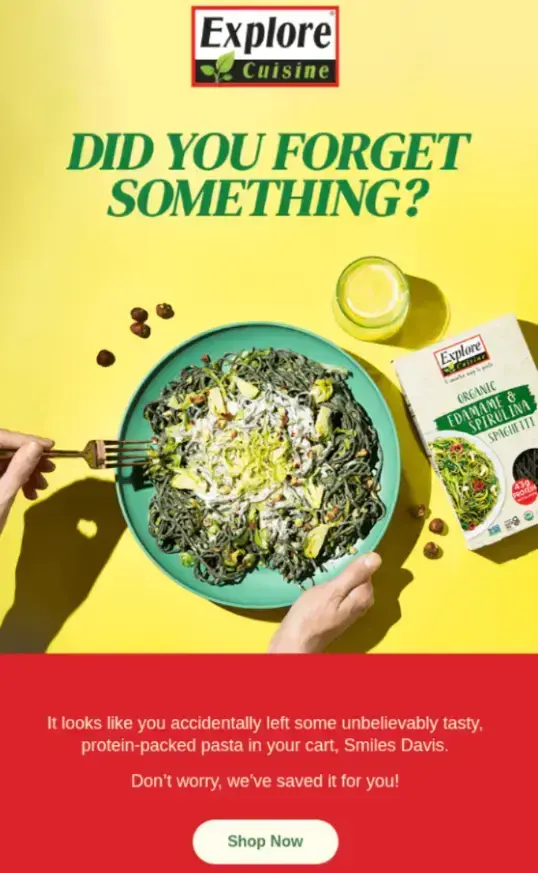
Source: Really Good Emails
Use Google Analytics, CRM tools, and your email platform to track behavior and create dynamically updating segments.
4. Segmentation by Customer Journey Stage
Understand where a subscriber is in the buying journey: awareness, consideration, decision, retention, or advocacy.

Source: NN/g
Track metrics like signup date, first/last purchase, and email engagement metrics to build lifecycle automations.
5. Segmentation by Device Usage
Most people use multiple devices, especially smartphones — there are over 6.5 billion smartphone users globally.
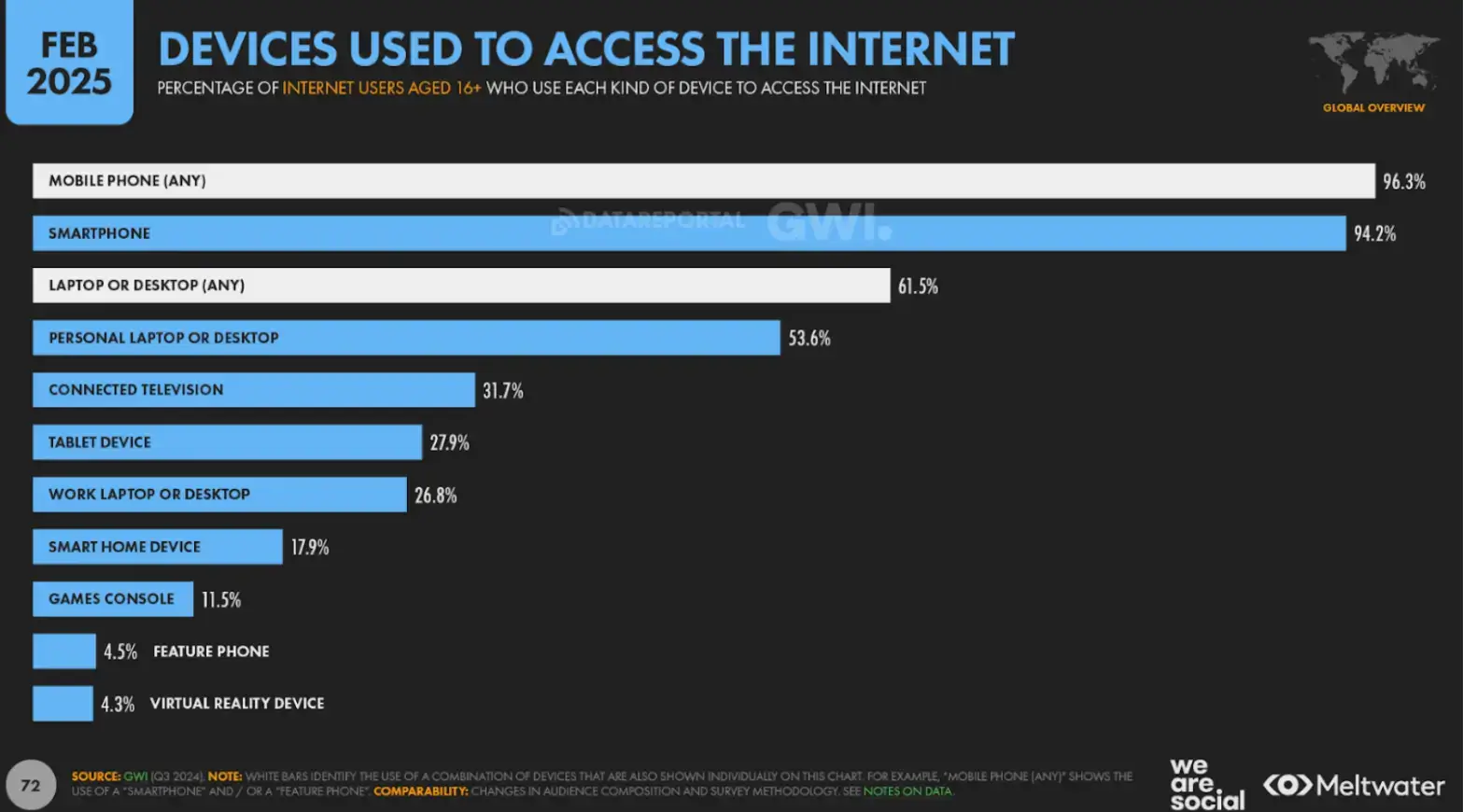
Source: DATAREPORTAL
Segmenting by device helps optimize:
- Layout
- Fonts
- CTA button sizes
- Image loading times
Responsive design helps, but device-based segments allow for deeper optimization.
6. Value-Based Segmentation
Not all customers contribute equally to your bottom line.
Value-based segmentation groups subscribers based on metrics like:
- Customer lifetime value (CLV)
- Average order value (AOV)
- Purchase frequency
Use CLV data to identify VIPs, high-potential customers, and low-value groups. Then tailor your nurturing campaigns accordingly.
Best Practices for Effective Email Segmentation
Here are the essential best practices to maximize your segmentation efforts:
- Start Simple — Begin with demographic segmentation before expanding.
- Collect Data Ethically — Be transparent, obtain consent, and respect preferences.
- Use the Right Tools — Choose platforms with robust automation and segmentation features.
- Test and Refine — Continuously A/B test and optimize.
- Avoid Over-Segmenting — Too many segments become unmanageable.
- Keep Your List Clean — Regularly remove inactive or uninterested contacts.
FAQs
1. What is email segmentation, and why is it important?
Email segmentation divides your subscribers into smaller groups based on demographics, behavior, or interests. This boosts opens, clicks, and conversions by delivering relevant content.
2. How do I start segmenting my email list if I'm a beginner?
Start with simple demographic or signup data, then expand into behavioral and engagement-based segmentation.
3. How many segments should I create?
Start with 3–5 key segments based on your business goals. Expand gradually as you gather more high-quality data.
4. Can email segmentation help reduce unsubscribe rates?
Absolutely. People don’t unsubscribe from content they find valuable and relevant.
5. What data should I collect?
Collect:
- Basic demographics
- Behavioral data
- Engagement metrics
- Preferences and interests
The best segmentation combines multiple data types for deeper personalization.
Final Thoughts
Segmentation is one of the most impactful strategies in email marketing. It ensures every subscriber receives an engaging, personalized experience.
The strategies in this guide will help you build a strong foundation and steadily improve your campaign performance.

Author Bio
Syed Balkhi is the founder of WPBeginner, the largest free WordPress resource site. With over a decade of experience, he's the leading WordPress expert in the industry. Follow Syed to learn more about his portfolio of companies.