

With society becoming increasingly more visual in nature, digital signage is one of the most important communication and promotional tools. These screens are applicable in businesses, educational institutions, and public places, and are a good means of bringing valuable information.
Digital signage has revolutionized the way organizations interact with their audiences, from retail stores to their corporate offices.
Knowing the necessity of this choice, you can attain more results using this digital solution. The hardware that you choose directly affects the visual quality, system reliability, and overall return on investment.
Understanding the Role of Digital Signage
Digital signage is an interactive means of relaying the message to the intended audience. It may indicate advertisements, messages, or interactive information.
This flexibility provides organizations with the means to reach audiences in a new way. But the success of such communications will depend primarily on the hardware that drives such displays.
High-quality digital signage equipment ensures you have a bright image, and it makes your presentation look its best, which will be more effective in conveying the message better.
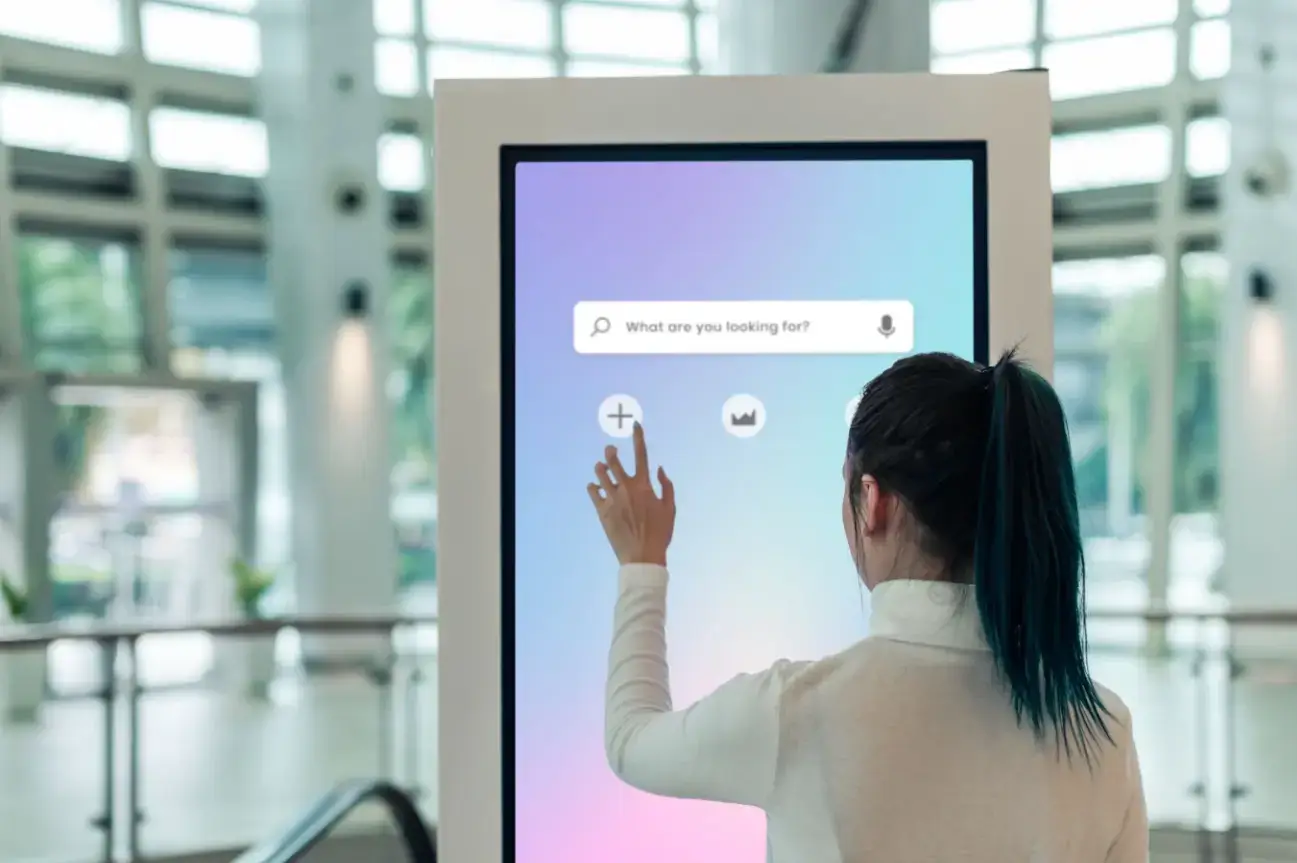
The study by Intel and Lavi Industries revealed that digital signage has the capability of increasing brand awareness up to 47.7% and changing the purchase behaviors of close to 30% of customers.
Regardless of whether you are providing promotional information in a retail space, sharing important announcements in a business area, or sharing wayfinding information in public spaces, the hardware is the backbone of a successful communication process.
Failure to make the right hardware choices may result in failure to display, delivery of inconsistent messages, and frustrated audiences, which negatively affect your communication objectives.
Key Components of a Digital Signage System
When choosing the appropriate components, there are a few points that one should take into consideration. The most important elements of excellent digital signage include:
- Displays: High-resolution screens ranging from basic monitors to advanced touchscreens
- Media Players: Devices that control content delivery and playback
- Mounting Systems and Installation Hardware: Hardware to secure and position displays properly
- Connectivity and Network Solutions: Network infrastructure for remote management
Each component plays an important role in the overall performance of your digital signage solution.
According to the digital signage expert Adrian Cotterill, the founder of DailyDOOH, "The display is your window to the customer—if that window is dirty or broken, no amount of great content will save your message." The decision of the various kinds of display will depend on its intended usage and who will use it.

Outdoor installations will require displays that have higher brightness levels and are weather resistant, and indoor environments can be concerned with color accuracy and viewing angles.
The weight of the display is held by safety mounts to get it to the right angle. Plug-in mounts are flexible so that the display can be moved back and forth.
The mounting solution should be suitable for your own installation area, whether wall-mounted, ceiling-mounted, or free-standing.
Having it properly mounted is more secure, it does not harm the costly equipment, and it also offers the best viewing angles to your target audience.
Ensuring Compatibility and Seamless Integration
When designing your digital signage implementation, you should consider how the equipment will fit in with your current infrastructure:
- Will it integrate with your content management system?
- Can it connect to your network securely?
- Does it support the software platforms you plan to use?
- Is it compatible with your existing technology stack?
These are the questions that are necessary to guarantee a successful implementation and prevent expensive compatibility problems in the future.
As per a study by Grand View Research, the market in digital signage is set to expand in the world, with the ability of integration being a major factor in the uptake of digital signage by medium and small-sized businesses.
How Hardware Quality Impacts Audience Engagement
People will not consume content that is not presented through the correct hardware. The bright visual displays attract visitors with eye-catching displays, and the interactive capabilities are inviting.
As an example, touchscreens enable users to touch the content. Such interactivity particularly comes in handy in the classroom and retail environment, where interaction is of utmost importance.
It’s also essential for meeting room signage, as these devices allow people to book a workspace on the spot.

According to Nielsen research, in comparison to a static display, digital signage draws 400% more attention, and 8 out of 10 customers have walked into a store due to better digital signage.
On the other hand, quality hardware that facilitates clear images and quick responses generates good moments that will make the audience stay active and open to whatever you are conveying.
"In today's retail environment, digital signage is no longer a luxury—it's a necessity for staying competitive," as per digital signage retailer Sarah Chen, founder of RetailTech Advisors. "But the hardware you choose determines whether your investment pays off or becomes a costly distraction."
Balancing Cost and Long-Term Value
Take into account the overall cost of ownership and not merely the purchase cost. Factor in:
- Energy consumption and utility costs
- Maintenance and repair requirements
- Warranty coverage and support services
- Expected lifespan and replacement cycles
- Training and implementation costs
Even cheaper computer hardware with frequent repairs or replacement after every few years can cost more than high-quality hardware at the beginning.
Moreover, quality hardware will allow making fewer service calls and spending less time troubleshooting issues, making it more productive in terms of devising a content strategy and connecting with the audience.
Environmental and Energy Efficiency Considerations
Sustainability has become a key consideration when making technology decisions these days. Using power-preserving hardware will reduce the carbon footprint and may help pay less in electricity.
The majority of manufacturers also provide environmentally friendly alternatives, such as LED displays that consume less power compared to traditional screens.
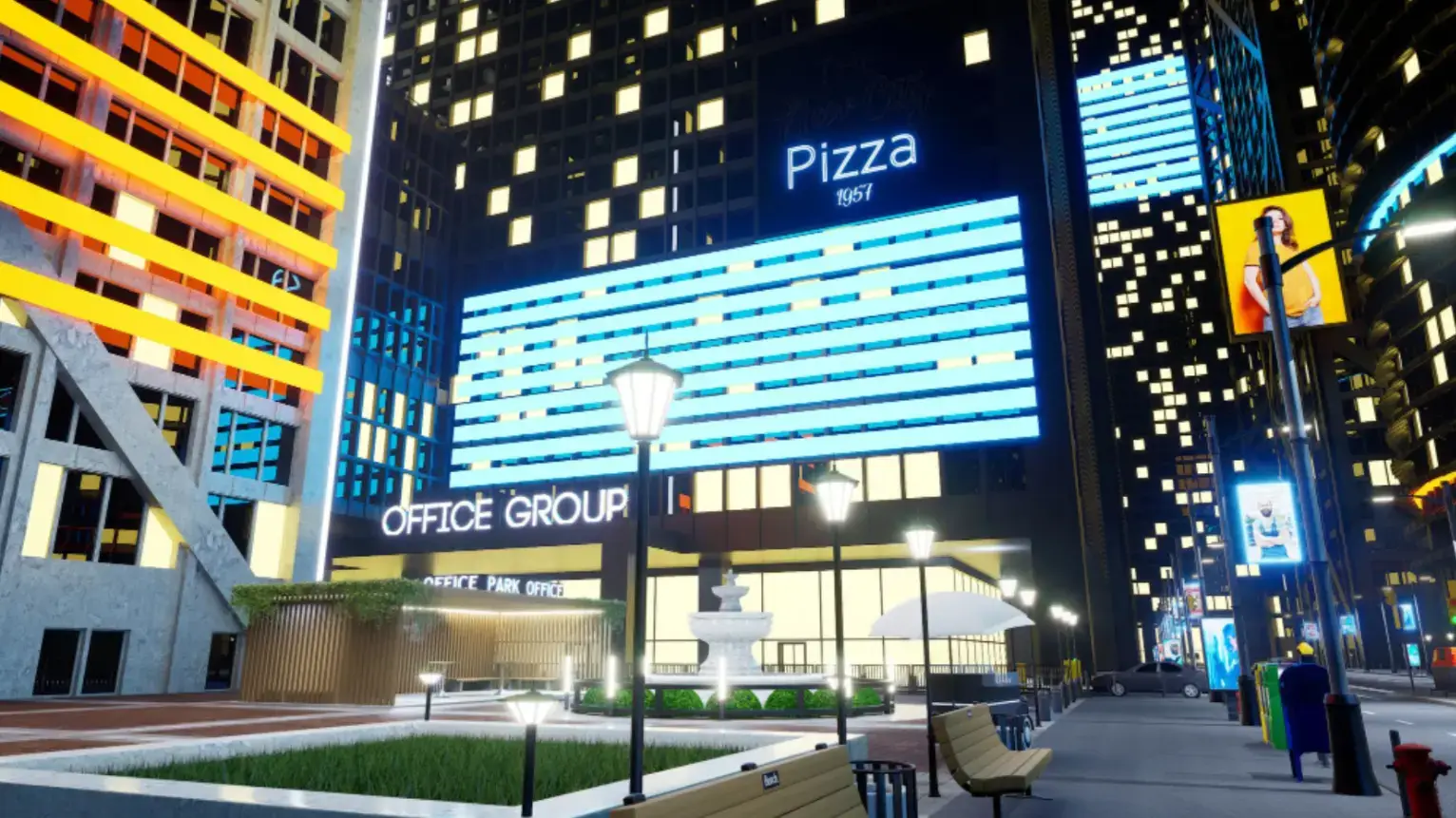
In addition to energy efficiency, take into account the environmental effect of the disposal and recycling of hardware:
- Look for manufacturers with take-back or recycling programs.
- Choose products made with recyclable materials.
- Select ENERGY STAR-certified displays when possible.
- Consider products with longer lifespans to reduce e-waste.
Energy-efficient displays are also environmentally friendly and produce less heat, which could end up saving you money in cooling expenses.
The U.S. Department of Energy states that LED displays consume less than 75% of the energy that traditional lighting does and have a life that is 25 times longer.
Modern displays include automatic brightness control and programs that are also capable of lowering energy consumption during off-peak hours.
Conclusion — Building a Future-Proof Digital Signage Strategy
The appropriate investment in hardware will be the foundation of a successful digital communication strategy that will be adaptable and expandable to the needs of your organization.
With a close assessment of your needs, a focus on quality and compatibility, and future planning, you will be able to develop digital signage systems that will provide you with outstanding quality and performance over the years.
Looking for a digital signage setup that performs effectively and supports future growth?
Evaluate Today!
FAQ — Common Questions About Digital Signage Hardware
1. What are the essential components of digital signage hardware?
The key elements are displays (monitors/touchscreens), media players to control content, and mounting systems to position displays securely.
2. How does hardware quality affect audience engagement?
The high-quality hardware will also give clear, bright screens and interactive features such as touchscreens, which will make users feel like they are directly engaging, thus resulting in high engagement rates.
3. Is investing in expensive hardware worth it?
Yes, good hardware reduces future expenses by decreasing replacement costs, decreasing maintenance costs, and decreasing downtime, which makes it a good investment even though the initial costs are higher.
4. How can I future-proof my digital signage system?
Select portable hardware packages that are easily upgradeable and compatible with future technologies so that the investment you make in one remains relevant as technology advances.

Author Bio
Nitika is a content strategist with a degree in Commerce. A writer by day and amateur illustrator by night, she loves reading, pop culture, and marketing gimmicks. Nitika is a content strategist with a degree in Commerce and a passion for storytelling. She specializes in creating SEO-driven content that boosts visibility and engagement. A writer by day and amateur illustrator by night, she loves reading, pop culture, and marketing gimmicks.