

If you're looking to start an online business and are confused about the type of website you should build, look no further–in this article, we'll discuss what eCommerce websites are and how they differ from other types of websites.
Updated 11/14/2025
If you're considering venturing into the world of online retail, partnering with a reputable eCommerce web development company can be a game-changer.
An e-commerce website offers many opportunities to market to a worldwide audience and increase sales, regardless of the size of your business, making it one of the best website builders for small businesses.
We'll also discuss the benefits of eCommerce websites and key considerations when designing one. Let’s begin!
What is an eCommerce Website?
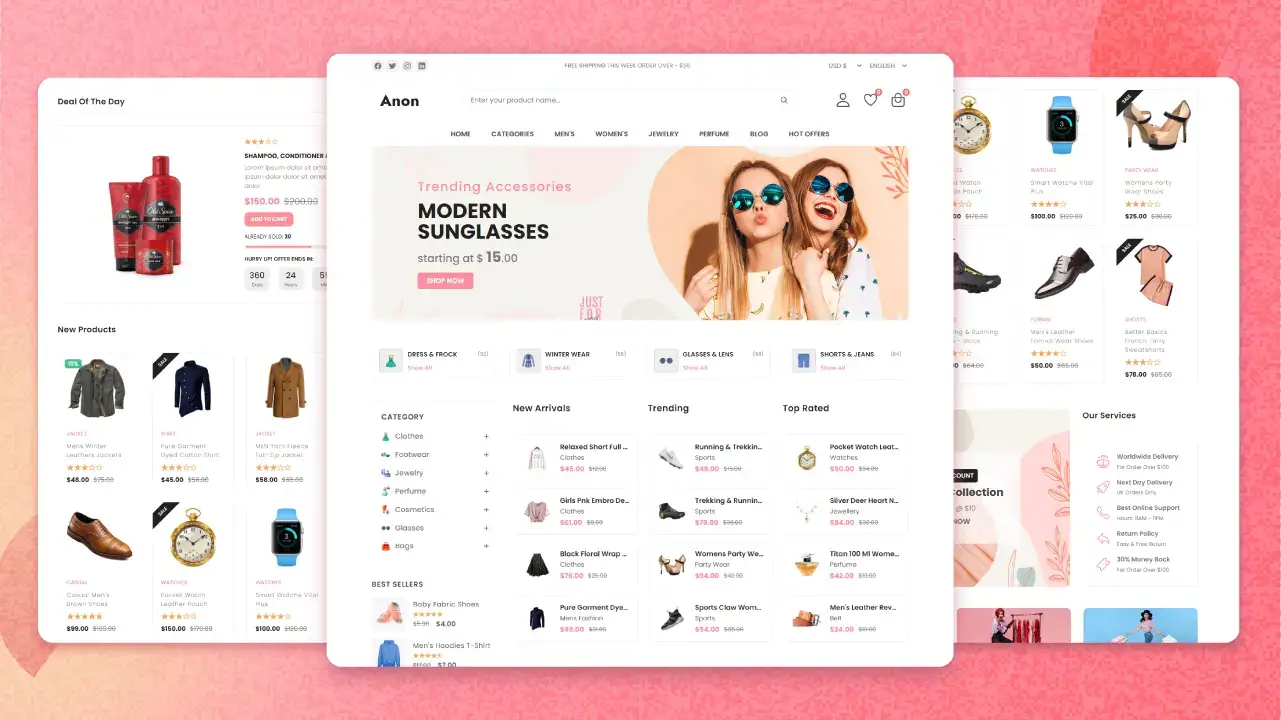
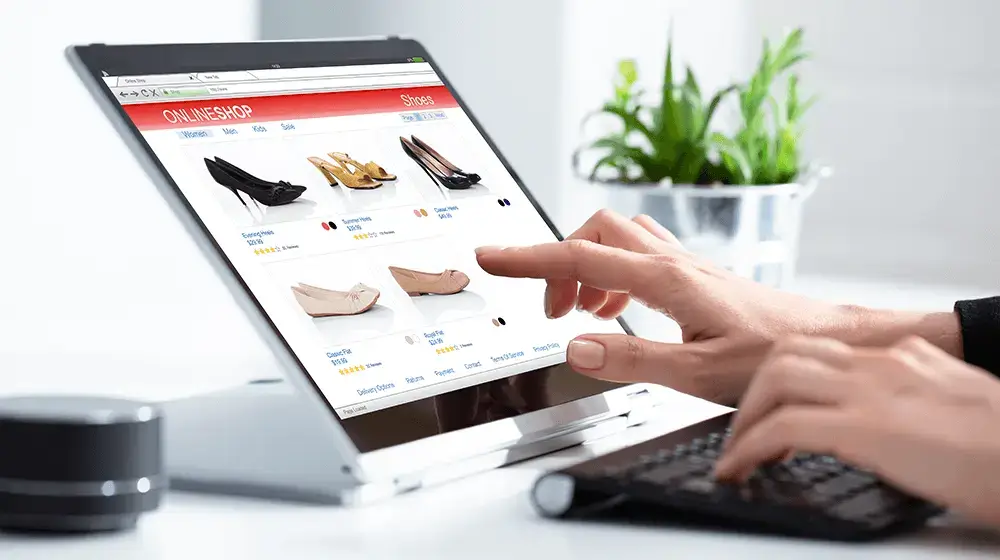
An eCommerce website is an online store that allows customers to purchase products or services from the comfort of their homes.
eCommerce is a shortened term for ‘electronic commerce’.
You've probably come across many eCommerce websites, even if you didn't realize it. Amazon, eBay, and Etsy are all examples of great eCommerce websites. And with a Shopify app detector like Koala Inspector, you can reveal the secrets behind them.
How do eCommerce Websites Differ from Other Types of Websites?
The main difference between an eCommerce platform and other website types is that eCommerce sites allow for transactions to occur online.
This means that customers can browse your products, add them to their cart, and purchase them without ever stepping into a physical store.
Other types of websites, such as informational or business websites, don't allow transactions. They exist primarily to provide information or promote a brand rather than to sell products.
Because eCommerce websites are designed to sell products, they are heavily focused on conversion. Conversion, in this case, means converting customers into buyers.
eCommerce websites also use lead generation strategies to attract strangers and convert them into potential customers. To understand how they do this, check out our blog post on how eCommerce websites generate leads.
What are the Benefits of an eCommerce Website?
An eCommerce website has many benefits, both for you and your customers.
An eCommerce website also allows businesses to sell to customers who cannot visit a physical store, such as those with disabilities.
Moreover, for entrepreneurs looking to enter the digital marketplace, understanding how to start an eCommerce business is crucial to setting up a successful online store and reaching a wider audience.
In addition, the industry keeps growing exponentially: according to eCommerce statistics, in 2023, eCommerce will account for 22% of global retail sales with an expected sales value of $6.3 trillion.
eCommerce websites are also less expensive to set up and maintain than physical stores, especially when you use ready solutions like Pimcore development or platforms such as M5azn, a leading KSA Dropshipping solution provider, which handles logistics, storage, and shipping without upfront inventory costs.
They don't require the same level of investment in money and time, and because they can be run from anywhere in the world, they offer businesses significant flexibility.
For your customers, the biggest benefit of an eCommerce website is convenience.
They can shop anytime, anywhere in the world. eCommerce websites also offer a wider range of products than most physical stores, and it's easy to compare prices before making a purchase.
3 Things to Keep in Mind When Designing an eCommerce Website
1. Design for max conversions
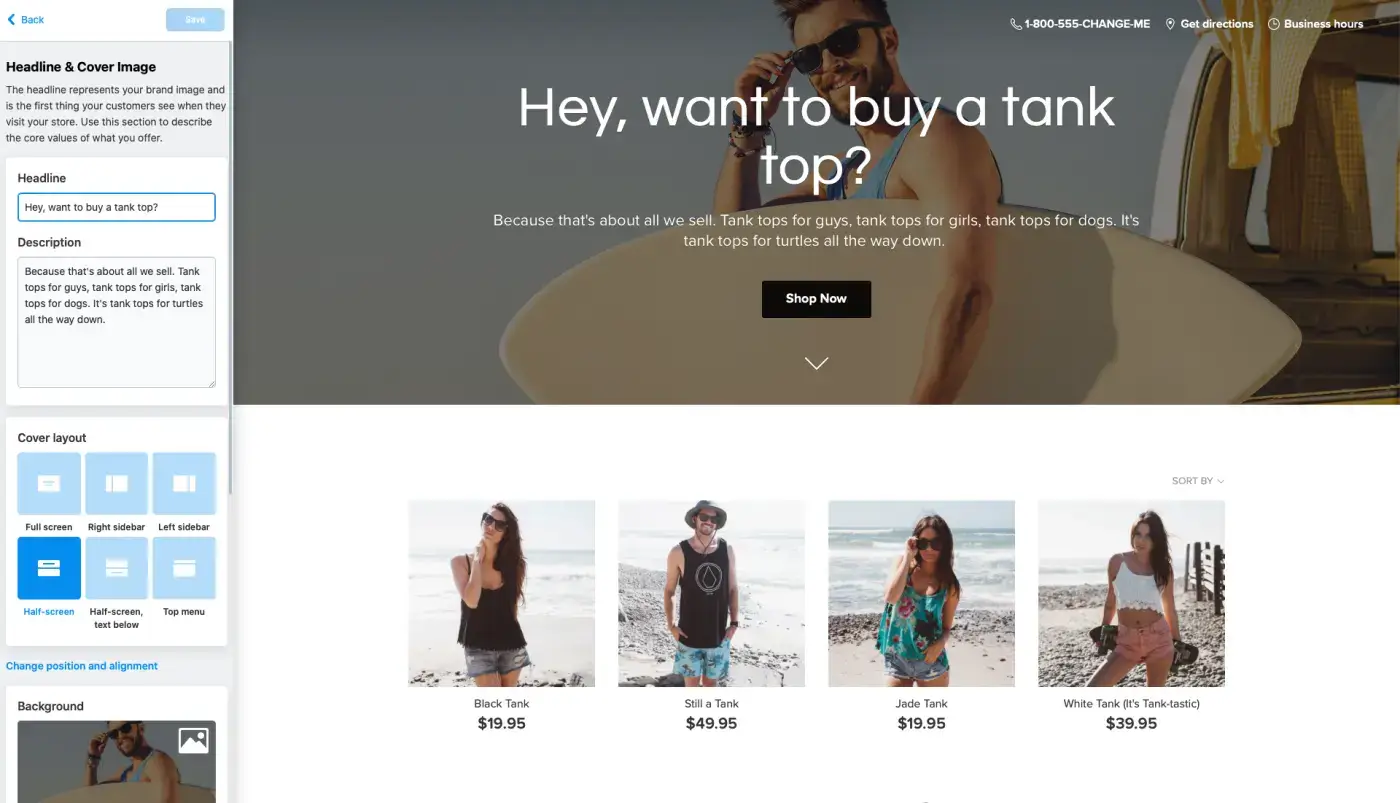
The purpose of an eCommerce website is to sell products, so you'll need to design it accordingly.
Be sure to check your website's health and include clear calls to action, easy navigation, and enticing product descriptions. A freelance copywriter can be very helpful in this regard.
2. Security is the top priority
Ensure that all payments are made through a secure server and that customer data is protected. The last thing you want is for the customer's personal information to be compromised.
3. Optimized for mobile
More and more people are using their phones and tablets to shop online, so your website must be easy to access and use to boost mobile conversions. This means you must ensure your site is responsive and easy to use on any small screen.
In Summary
When designing an eCommerce website, prioritize conversions, ensure payment and customer data security, and optimize for mobile devices.
eCommerce websites have many benefits for businesses, including reaching a larger audience and lower setup and maintenance costs. Customers enjoy the convenience, wider product selection, and easy price comparison.
If you’re ready to take the leap into online retail, collaborating with web development companies in Philadelphia can set the foundation for a successful eCommerce business.
