
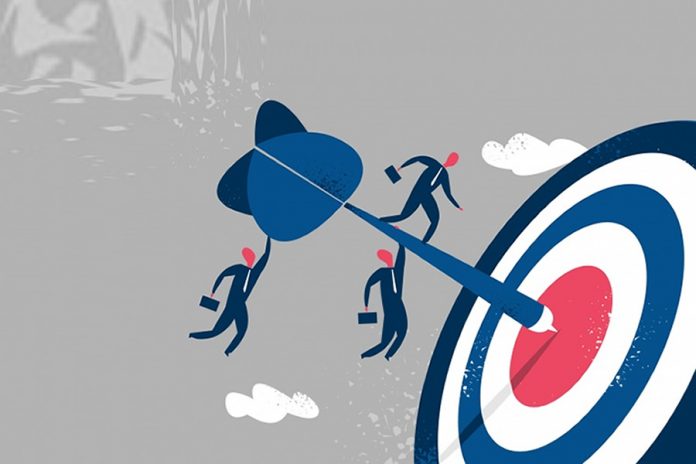
Targeted marketing is a direct way to get products and services known to the target audience they were created for; it's the top-notch magic trick every business owner needs.
Instead of trying to appeal to everyone, target marketing focuses on identifying specific customer groups that are most likely to buy a product or service and tailoring marketing messages directly to them.
The trick is to use targeted marketing to grow any business. It raises awareness of what you're selling or offering to the right people or groups who need your products and services.
Targeted marketing allows you to reach consumers who want to use your products and services. For example, with the Koala Inspector, you can discover the winning formula for your dropshipping e-commerce store.
You can create targeted sales by analyzing any Shopify store in just one click: find the best products, pricing, site traffic, ad campaigns, themes, plugins, and more.
Koala will help you discover which store features are performing best, thereby mitigating the risk of trying new dropshipping products.
This doesn't necessarily mean your target audience will be your only consumers. It just means they are a more specific group among the total number of consumers you could potentially have.
Targeted marketing is not just another type of marketing strategy.
It is also very effective at getting products and services to the right people or to a specific audience; this kind of marketing raises awareness through advertising tools such as billboard ads.
For example, you could have a billboard advert about an alcoholic beverage of some sort, the billboard in question will have to define whom this product is targeted at, and there would also be a direct personalized message, like a one-liner, addressed to the target audience.
In this case, it could be a particular group or subset, specifically the male gender.

Source: The Total Entrepreneurs
What is Targeted Marketing?
Targeted marketing is an effective strategy used by businesses to increase sales. They do this by reaching their target audience through various channels, including advertising.
The targeted audience depends on whom the marketer has in mind for the product, meaning the marketer would go after consumers more likely to use the product or service.
Thus, the target audience is a subset of the total potential customer base. Businesses identify particular customer segments based on shared characteristics such as:
- demographics (age, gender, income)
- location
- interests and behaviors
- purchasing habits
Once these segments are identified, companies tailor their marketing messages, product positioning, and advertising channels to resonate with those audiences.
For example, a company selling fitness equipment might target:
- home workout enthusiasts
- personal trainers
- busy professionals looking for quick workouts
By focusing on a defined audience, businesses can create more relevant messaging and improve marketing efficiency.
Targeted marketing involves analyzing your current customer base; you need to identify the most appealing audience for your business and then market your services to reach them.
Part of target marketing also involves choosing a specific demographic. You must start by evaluating your product and deciding which demographic within the entire population will be drawn to what you're trying to market.
Four target marketing strategies are sure to help with the entire process: mass marketing, segmented marketing, concentrated marketing, and micro marketing.
These strategies help determine your customer base. It helps you decide how broadly or even narrowly you would like to market to your selected consumers.
Ultimately, the choice significantly impacts the brand's success.
Finally, you will have to choose a segment of the population that aligns with your product so that the segment you select helps your business grow.
The Good: Highly Beneficial (High ROI)
Targeted marketing allows marketers to get their brands, products, and services to the top of the marketing food chain. In target marketing, the marketer identifies a specific audience and reaches it, which is highly beneficial to the business.
Targeted marketing drives sales and returns and helps your brand stand out from competitors in the broader market.
Targeted marketing is also great for the target audience because they enjoy products and services designed with them in mind; improvements to these products and services will also result from direct feedback.
This means your message must speak directly to the category of people you have grouped as your target audience.
For example, you could market products exclusive to women. In this case, your copywriting or ad will have a message directed only to women, not men and women; this helps you narrow your target audience and makes your message more precise and concise.
Targeted marketing will rely heavily on a driven marketing team to make the most of it.
In general, having a target audience takes the edge off. Focusing on a specific subset of people will make the marketer's job much easier and even more fun.
Targeted marketing has many benefits; it serves the whole world in many ways and benefits not just brands and marketers but also consumers.
More effective marketing campaigns
When businesses understand their target audience, they can create messaging that directly addresses customer needs and motivations.
Better return on advertising spend
Instead of advertising to everyone, companies can focus their budget on audiences most likely to convert.
Stronger brand positioning
Target marketing helps brands develop a clear identity that resonates with specific customer groups.
Improved customer relationships
Personalized marketing messages make customers feel understood and valued, increasing loyalty and repeat purchases.
3 Benefits of Target Marketing
- Increase in sales
- Sustains relationships
- Narrow your audience
1. Increase in sales
The thing about targeting a particular audience type is that your message is more precise, catchier, and more appealing to the audience you're trying to reach. This means they'll receive it better, leading to more sales of your goods and services.
2. Sustains relationships
The thing about target marketing is that it builds a relationship between brands and their clients, which also helps build trust.
3. Narrow your audience
When narrowing your audience, you don't have to try to reach an entire population; you can focus on a subset of people who will help your product even more effectively.
The Bad: Misrepresentation and Time Consumption
While target marketing can improve marketing performance, it also presents certain challenges.
The plain truth is that target marketing can be time-consuming; the evaluation of the brand and the target audience will follow a specific due process that might take a long while to go and could lead to much time spent just deciding the target audience to go for.
The next thing you'll have to worry about is a misrepresentation, or you could even go as far as stereotyping the group of people you have selected as your target audience. When that happens, you'll spend a lot more time reevaluating your audience.
When you spend a lot of time figuring out your target audience, you should also make sure you weigh all your options for the message your copy will convey.
We live in a world where every single message could be politically incorrect; for example, if you're marketing a particular lipstick or makeup brand to a target audience that is classified normatively as women in today's day and age, your message will have to be inclusive to other gender-fluid persons who might take offense at being left out.
If you pass along a message they don't relate to or understand, it will negatively affect your brand.
This misrepresentation could also lead to an unhealthy omission of some of your target audience if you're advertising a product mainly used by men and a small number of women; you have to be careful not to omit women altogether when it comes to that product.
It should be inclusive without being obvious.
The Ugly: Stiff Competition
Target marketing can also raise ethical concerns when businesses misuse customer data or rely on overly aggressive targeting strategies.
The thing about any marketing at all is that you're bound to run into one kind of competition or the other; in some cases, competition could be very high, and you will have no breathing space to relax after all the work is done. This is because the work is never really done.
When it comes to target marketing, you'll have to note that many other brands may offer the same goods and services to the same target audience you are offering yours to.
If one brand fails a particular demographic, that demographic won't just sit around and wait for the brand to improve; they will move on to the next one because there is always another competitor around the corner waiting to take away your client base.
This is why marketers must do due diligence by researching their target audience, collecting data, and researching what they will and won't like. If possible, you could also open the lines of communication to get their feedback.
When conducting technology due diligence, it is important to analyze the target company's marketing strategies to assess the effectiveness and potential risks of its marketing approach.
Using a due diligence data room is one of the best ways to ensure you’re using the right data room. You may want to test the platform before committing, and a free trial allows you to do so.
Many users struggle to decide which virtual data room software to use because they don't understand what they need in an online data room.
Electronic data rooms were designed to facilitate due diligence and negotiations during the mergers and acquisitions m&a data room process.
However, the needs of the modern business world have outgrown the capabilities of the original VDRs. The modern dataroom demands document management functionality and security that only complex systems can provide.
Data room software can greatly enhance the security and effectiveness of targeted marketing by providing a secure and organized platform for sharing sensitive information with potential customers or partners.
This will help you improve the products and services in every area that needs improvement.
Companies and brand owners are expected to conduct research on their customers. These data could be either primary or secondary, helping them develop marketing strategies that will surely be helpful to their business.
Types of Target Marketing
Businesses often segment their target markets using several common approaches.
Demographic targeting
This method groups customers based on characteristics such as age, gender, income, education, or occupation.
Geographic targeting
Geographic targeting focuses on customers in specific regions, cities, or countries.
Behavioral targeting
Behavioral targeting analyzes customer actions such as browsing history, purchase patterns, or engagement with marketing campaigns.
Psychographic targeting
This approach segments audiences based on values, interests, lifestyle choices, and personality traits.
Combining these methods helps businesses develop more accurate and effective marketing strategies.
3 Ways POWR Can Help Your Target Marketing Goals
- Popups
- Form Builder
- Countdown Timer
POWR has some handy plugins that aid target marketing. These plugins help you capture hot leads from engaging website visitors, gather product and service feedback, and display offers to boost sales.
1. Popups
POWR Popup helps you collect emails from website visitors. You can create different types of pop-ups without having any coding knowledge.
These pop-ups can help you 10x your sales, collect more email addresses with their exit-intent technology, and remind customers of their abandoned cart, which drives even more sales and increases overall conversions on your website.
2. Form Builder
POWR Form Builder helps you build beautiful forms on your website to collect feedback from existing customers or clients.
This data can be repurposed to improve your retargeting campaign, as you now have more information about your target audience.
3. Countdown Timer
POWR Countdown Timer helps you reduce sales time, boost sales, and reduce bounce rate by creating a sense of urgency for your website visitors.
You can display different countdowns to different target audiences, making this tool very powerful.
What Would a World Without Targeted Marketing Look Like?
Without targeted marketing, brands would have to resort to undifferentiated marketing or mass marketing. This is where they would treat everyone as a potential customer.
In some ways, this could be beneficial, but it will also come with disadvantages.
This works in cases where the product or service appeals to the general public; there is no need for a target audience, since everyone is a potential consumer.
Target marketing is highly beneficial when the general public isn't a potential client, certain groups or members of society use specific products, and without targeted marketing, selling a particular brand to a specific audience would be uneven.
The whole point of targeted marketing is to create ads that speak directly to consumers. If there weren't target marketing, you would only have ads that say the same thing to everyone, making it seem like the ad is speaking to no one in particular.
Targeted marketing is here to stay because it offers many benefits for a subset of the population. It is also safe to say that targeted marketing is also very digital.
The internet works based on targeted marketing; without it, there would be many setbacks in the marketing world.
FAQ
1. What is targeted marketing?
Targeted marketing is a strategy that promotes a product or service to a specific group of people most likely to want it (based on factors such as demographics, interests, behavior, or needs). The goal is to increase relevance, engagement, and conversions.
2. How do I choose the right target audience?
Start by analyzing your current customers and identifying patterns (who buys, why they buy, and what problems you solve). Then define segments based on attributes such as age, location, job role, interests, and buying behavior. Test messaging with small campaigns and refine based on results.
3. What are the biggest risks of targeted marketing?
The biggest risks are misrepresenting or stereotyping your audience, excluding potential buyers, and spending too much time over-optimizing the “perfect” segment. To reduce risk, use real customer data, keep messaging inclusive, and iterate based on feedback and performance metrics.

Author Bio
Paul Aroloye is the founder of PaulAroloye.com. He simplifies SEO for online entrepreneurs and businesses, helping them 10x their organic reach with their websites/blogs and YouTube channels. You can connect with him here.