

Spend any time on the internet, and you’ll see the term ‘social proof’ more often than ever before. Why? Because we are bombarded with so much information online, it’s hard to tell what’s true and what isn’t.
Anyone about to spend their hard-earned money on something wants to be sure the purchase will be worth it. And that’s why they seek social proof.
What is Social Proof?
Social proof is a psychological tendency to follow what others do when unsure of a situation.
Robert Cialdini discussed this idea in his book Influence: when people don’t know what the proper behavior is in a particular situation, they look to others' actions to conform.
The 3 Principles of Social Proof
Social proof has three main principles:
Uncertainty
When people face new and unfamiliar situations that cause doubt and uncertainty, they’re unsure how to behave and which actions to take.
They often feel the need to look to others for guidance. And that’s what they do.
Similarity
People are more likely to follow the actions of others they view as similar to themselves when making decisions in novel circumstances.
If people who share their background, beliefs, or needs are taking these actions, then it would be suitable for them to make the same decision.
Expertise
In unfamiliar situations, people often seek guidance from people and organizations they deem experts in that space. Logic says that people with more expertise tend to make better-informed decisions.
Is Word-of-Mouth a Marketing Tactic?
82% of Americans seek recommendations from friends and family before they purchase most things.
Word-of-mouth marketing or recommendations from satisfied customers has been one of the most valuable forms of advertising a brand can get.
It’s powerful because it comes from a genuine third party. It isn’t from someone they paid for a review. It’s from a real customer who has a positive experience to share.
Word-of-mouth recommendations come in the form of written reviews, ratings, and other social networks in the form of user-generated images and videos, and these help with your conversion rate optimization, according to Systeme.io.
When shopping online, people can’t physically see, touch, or experience the items they want to buy. That’s why written and visual social proof is more critical than ever for inspiring consideration and purchase.
The 7 Types of Social Proof
Expert proof
People look for expert advice when they’re unsure what decision to make. It’s true for big-ticket purchases, including homes, cars, computers, and other sporting equipment.
By creating content from experts, you can improve your credibility and provide the validation that helps them move from “maybe I need it” to “I must have it.”
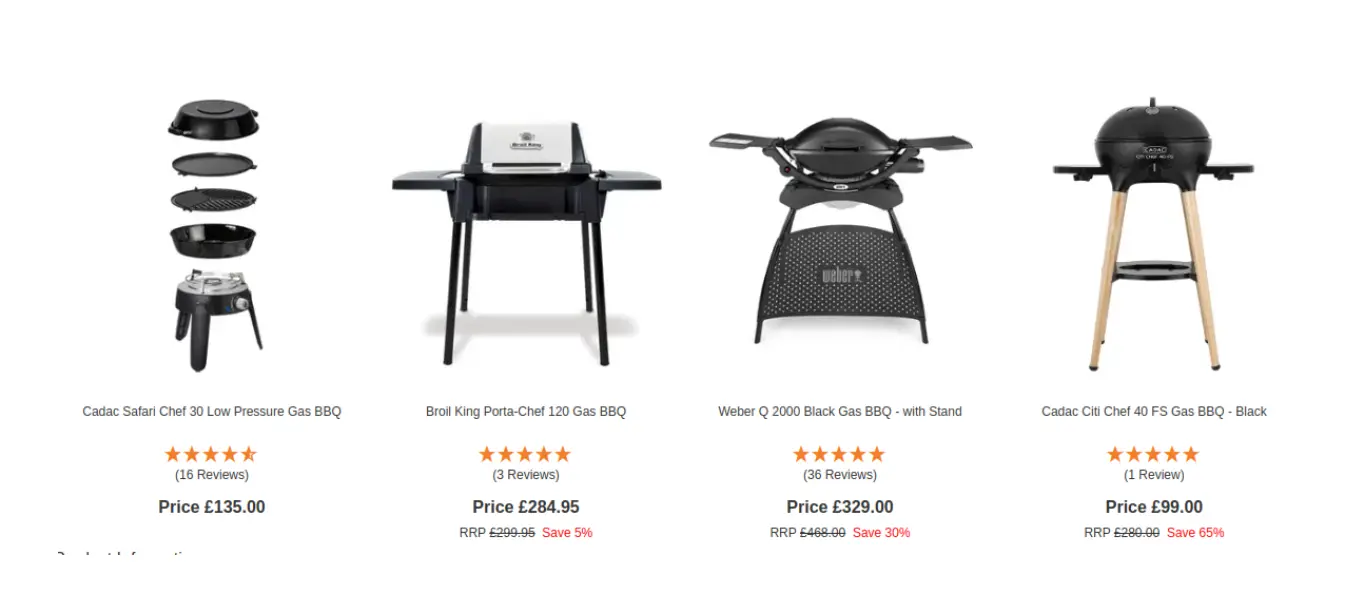
Customer reviews and ratings
Online product reviews and ratings are other forms of social proof. You can find them on eCommerce sites like Amazon, Tripadvisor, and others.
The best platform to build an e-commerce site would allow reviews and ratings to be posted publicly.
When did you last book a hotel, visit a new restaurant, or purchase a new product without looking at what other guests and customers had to say?
You always read reviews and ratings before making a purchase. Keep in mind that you don't have to limit yourself to a specific section; you can spread customer testimonials throughout your website.
Here are some examples of how you can incorporate customer reviews into your website.
Source: BBQWorld
User-generated content (UGC)
Social proof is only real when people see it.
User-generated content includes many forms, like posts, images, videos, and reviews, created by consumers on social networks or other channels.
Here’s an example in a video from Nike. Product ratings and reviews fall into the category, with visual content being the clear leader, with billions of photos, videos, etc., that people post online.
Influencer endorsements
Influencer marketing has become a new form of celebrity endorsement. These people built their followings on social media platforms and have a highly enthusiastic fan base to help grow brand awareness.
Influencer endorsements are compelling in the fashion industry and beauty & wellness industries.
Influencer marketing is one of the most powerful tactics, so working with opinion leaders always brings results, even if you need more money to afford popular influencers in your niche.
At the same time, you can always search out financial services at Fiona to invest in influencer endorsements and get the payoff.
Dior, for instance, partnered with 67 different influencers to spread the word about its brand.

Source: Hello Partner
Testimonials
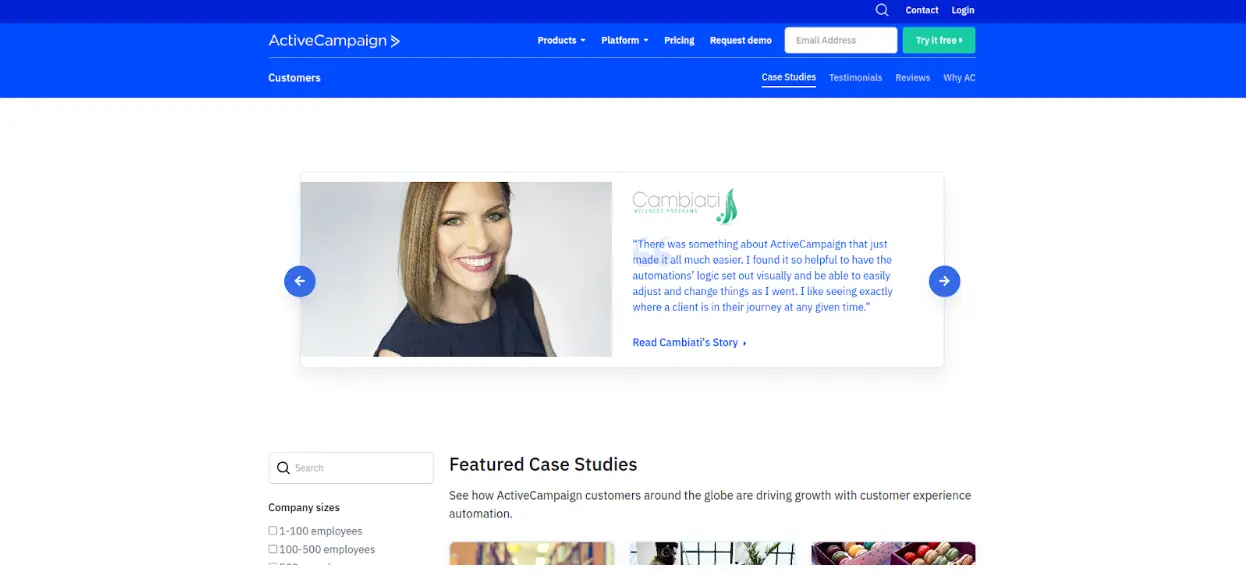
Don’t shy away from asking for testimonials from happy customers and then use them to promote software products. As longer written forms of endorsements—testimonials can be very persuasive.
It’s especially true for intangible purchases like software, such as CRMs.
Don’t be shy about asking for testimonials from happy customers, then place these valuable pieces of social proof in prominent places when working on your web design.
To get testimonials, jump on a Zoom call with your prospects by booking easy appointments.
To automate testimonials and reviews, the best thing you can do is feed customer emails into your sales software or CRM, then use it to send automated review requests.
ActiveCampaign has a case studies page that serves as an extended testimonial.
Source: ActiveCampaign
Social connections
Show how many people connect to your brand on social platforms to demonstrate your creativity. Platforms like Facebook, Twitter, and LinkedIn often have plug-ins that make it easy.
Social shares
Similarly, social connections go a long way in providing your site’s popularity if you share social media share counts on your web pages.
However, a low social share count can reduce the trust in your brand. Use the right hashtags and graphic design tools to boost the reach of your post sharing over social media platforms.
Using Social Proof in Advertising
Social media advertising is a vital aspect of any successful eCommerce strategy. It can be hard to break through the noise when the competition for attention is sky-high.
Visual social proof is one of the best ways for paid social ads to stand out.
Old Spice is a good example.
They roped in Dr. Corely L. Harman to create content for them.
Dr. Hartman is a Birmingham board-certified dermatologist who works on the upcoming launch of Old Spice’s Ultra Smooth and Gentleman’s Blend lineup. He gave credibility to their formula.
He is the director of Skin Wellness Dermatology. He works with the brand to share the latest products with the public and discuss its tested benefits with his 20,000+ Instagram followers.

Source: 280 LIVING
Best Places to Show Social Proof
Nowhere does it say you can only have social proof on one webpage or another? Or that you need a dedicated webpage just for social proof.
Let’s look at different pages, places, and ways to use and display social proof.
Homepage
The homepage is the face of your brand online.
Most eCommerce platforms let you customize the look of your homepage and other pages. To create a great first impression and inspire site visitors, showcase the best social proof on your homepage.
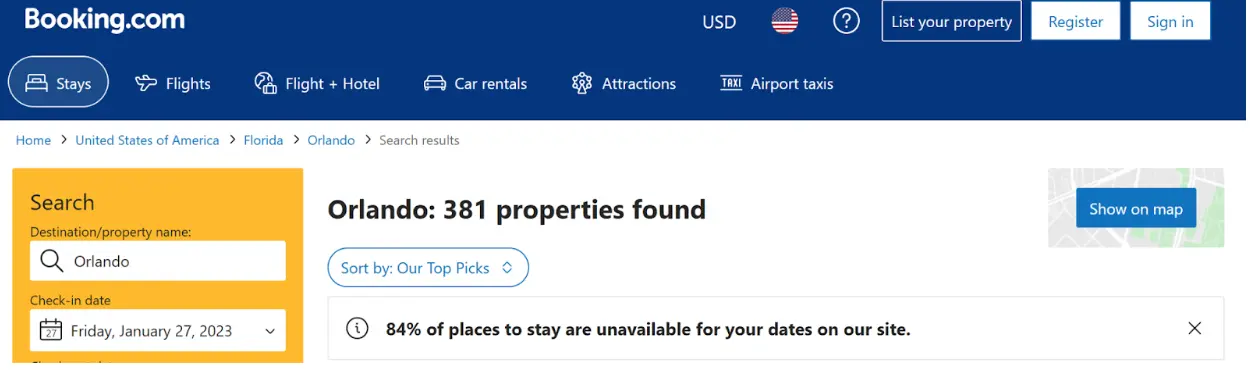
For example, Booking.com is a popular online travel booking site. It highlights reviews on the homepage to showcase written and visual social proof.
Underneath each hotel, car, or attraction they feature, there’s a section featuring user testimonials.
Source: Booking.com
Below, they feature top ratings and reviews from real customers, getting visual inspiration.
Product pages
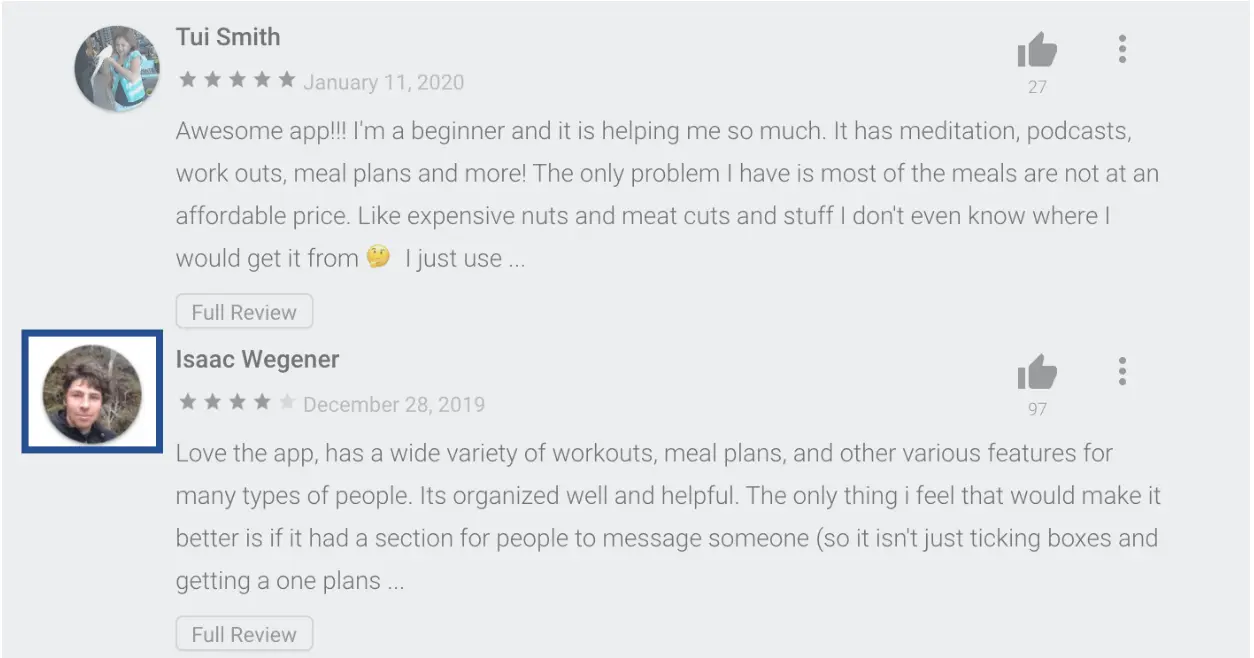
Customers are six times more likely to purchase when social media images are used. Going beyond the homepage to feature compelling social proof can boost online conversions.
Here are some of the best ways to display social proof on a product page:
- Indicate how many people have already bought the product.
- Emphasize customer testimonials, product reviews, and ratings.
- Display visual user-generated content of the product.
- Offer a comparison table with reviews and ratings.
- Offer free product trials to generate social proof.
Source: Google Play
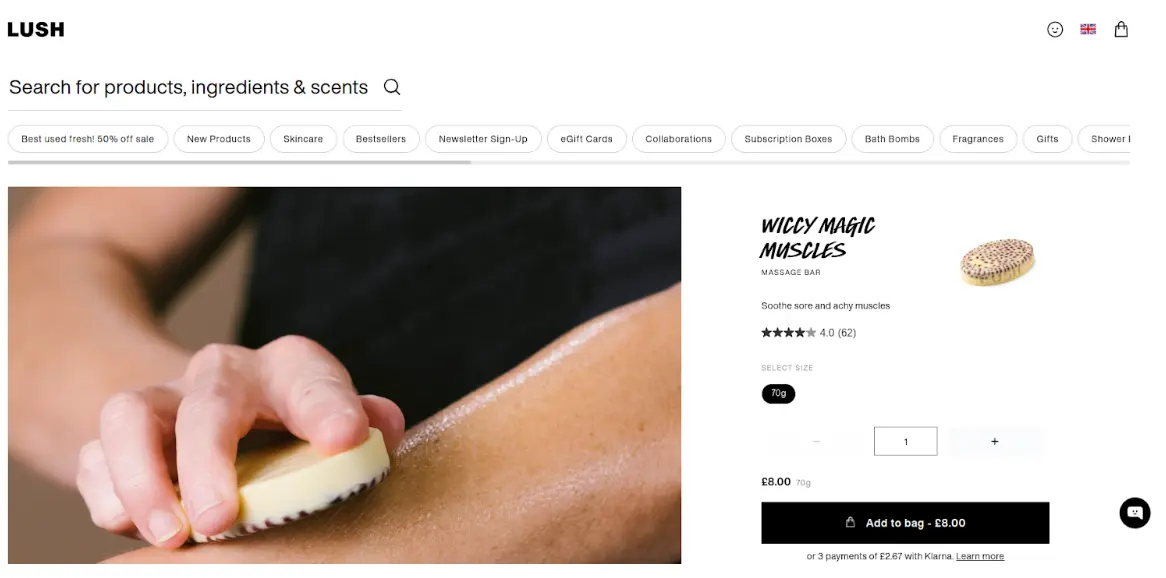
Source: Lush
Community page
Your customers are your greatest asset. The more you can turn customers into loyal fans, the more successful your brand will be.
Transactional & promotional emails
Social proof doesn’t stop after the customer makes the payment. A successful strategy leverages social proof to deliver more engaging and personalized emails.
Glossier, for instance, sends emails that include social proof. They keep audiences engaged and maintain high email performance by featuring UGC across different types of outreach.
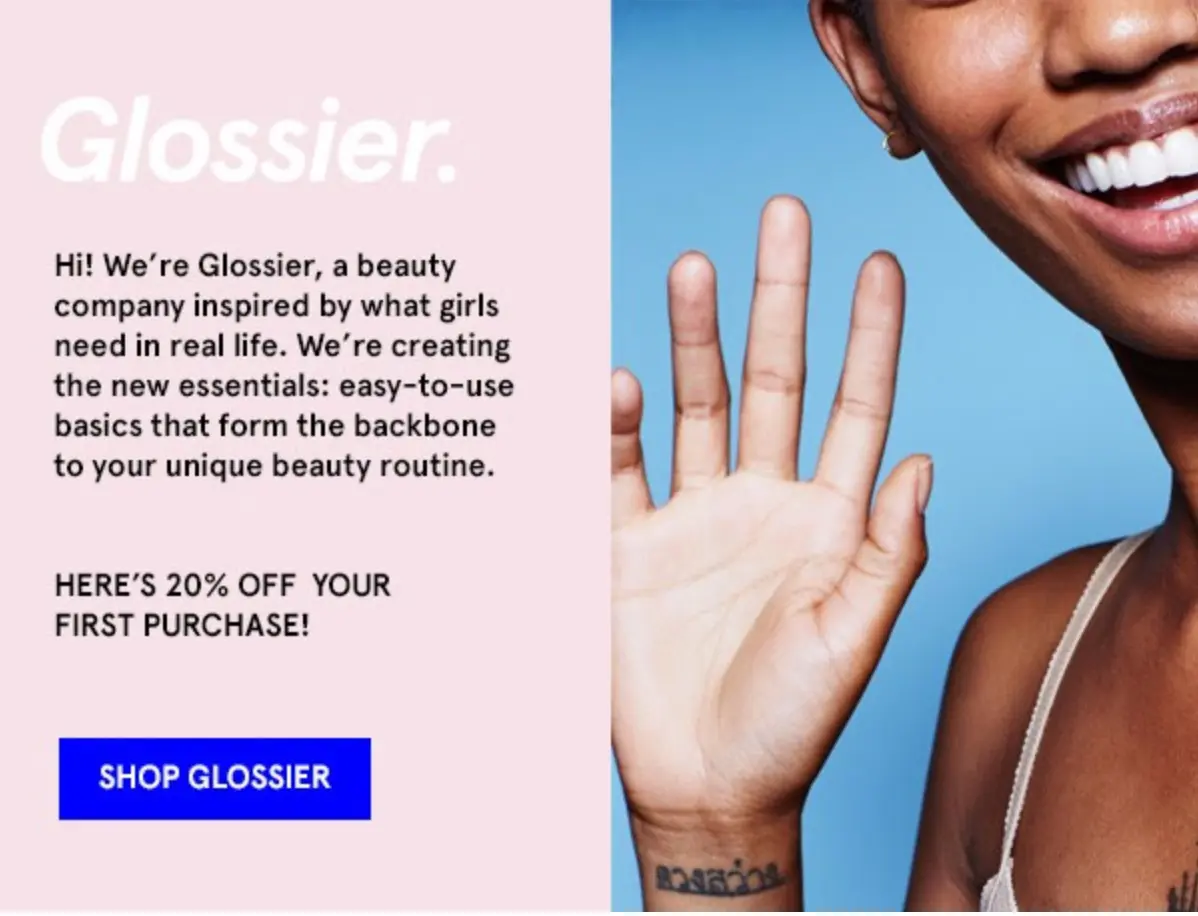
Source: beefree
A shopper who signs up for the newsletter receives a welcome email with a UGC gallery that says, “see you on Instagram.”
When visitors view a product page after completing a purchase, they receive an email with social images of the products in their carts.
After the product is delivered, they receive an email asking them to leave a review of their last purchase. All these communications reinforce a sense of community while personalizing the customer experience.
How to Ask for Social Proof
Once you know the type of content audiences respond to, you can start building your content plan. All you need to do is ask the community to create it, and they will. You generally get what you ask for—or don’t.
Send a request after the purchase
Make sure to send them emails for feedback. You can offer a 10% additional discount on their next purchase to encourage them to return.
Here’s an example from Cat Caboodle, offering buyers a 20% discount.
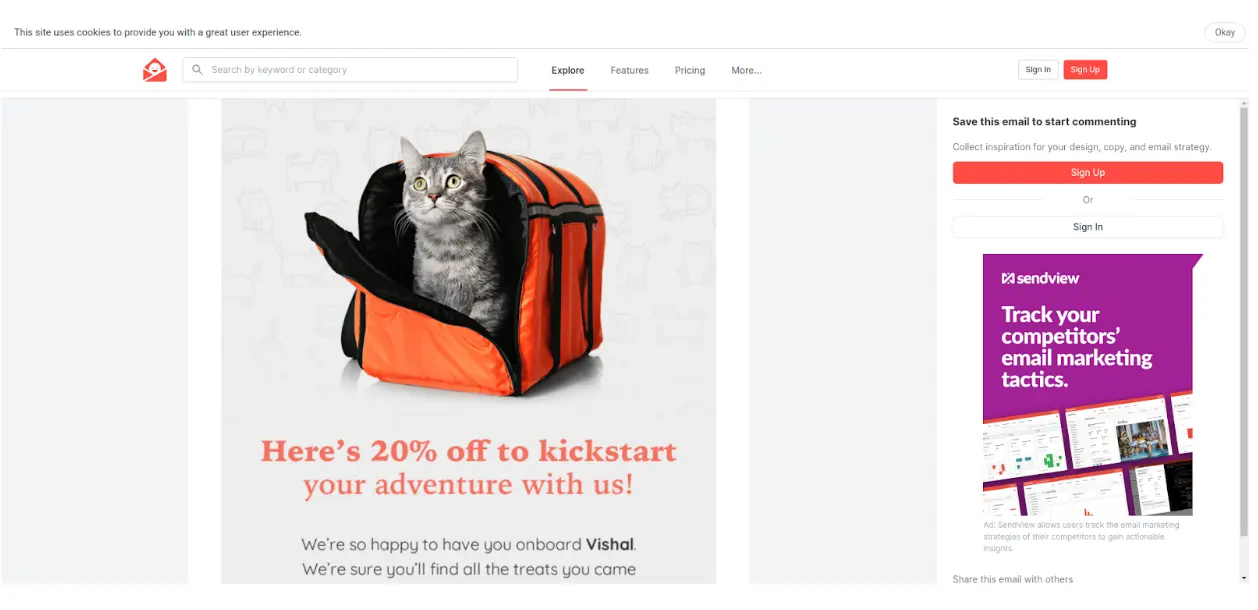
Source: really good emails
It motivates them to share their feedback. For added encouragement, you can also drop in an incentive, such as a 10% discount on their next purchase.
Conclusion
Social proof can take many forms. There are several ways you can use it to your benefit.
One thing is for sure: if you intend to scale your business and sell more products, you’ll need proof from past and current customers that you’re a reliable company and that your product or service is worth their money.
What do you think of the tips in this article about showcasing your social proof? Let us know in the comments below!
FAQ
1. What is social proof in marketing?
Social proof is a psychological concept where people rely on the actions and opinions of others to guide their decisions, especially when they feel uncertain. In marketing, it often appears as reviews, testimonials, ratings, influencer endorsements, or user-generated content that helps build trust and credibility with potential customers.
2. Why is social proof important for eCommerce businesses?
Social proof helps online shoppers feel confident about their purchasing decisions. Since customers cannot physically see or try products online, reviews, ratings, and customer experiences act as evidence that the product or service is trustworthy and worth buying.
3. What are some common types of social proof used in eCommerce?
Common types include expert endorsements, customer reviews and ratings, testimonials, influencer recommendations, user-generated content (UGC), social media shares, and visible follower counts. These elements show potential buyers that others already trust and value the brand.
4. Where should social proof be displayed on a website?
Social proof works best when placed where customers make decisions. This includes the homepage, product pages, checkout pages, email campaigns, and dedicated testimonial or community pages. Showing reviews and ratings near product descriptions is especially effective for improving conversions.
5. How can businesses collect more social proof from customers?
Businesses can collect social proof by asking customers for reviews after purchases, sending follow-up emails to request feedback, offering small incentives such as discounts, encouraging user-generated content on social media, and highlighting testimonials from satisfied customers on their website.

Author Bio
George is a blogger and writer at Kamayobloggers, a site he started to share cutting-edge marketing advice.