
TL;DR
- Marketing automation for niche businesses helps personalize communication through micro-segmentation, behavioral drip journeys, and thoughtful retargeting.
- Automate educational content, customer reviews, and repurposed assets to build trust, credibility, and consistent brand visibility.
- Use lead scoring and internal workflow automation to identify high-intent buyers, stay organized, and grow efficiently with a small team.
Most marketing advice out there is made for big brands with huge audiences and even bigger budgets. But if you run a niche business, you know the one-size-fits-all strategy doesn’t work. Your audience is smaller, more specific, and often harder to reach.
You can’t afford to blast generic campaigns and hope something sticks. That’s why marketing automation is the best solution for you.
Because it helps you save time, reach the right people, and stay consistent — all without doing everything by hand.
So let’s get into the top 8 marketing automation strategies that are made for niche businesses.
1. Micro-Segmentation Based on Real Buyer Signals
Most niche businesses don’t have a huge audience. But that’s actually a good thing. It means you can pay closer attention to what people really care about.
Instead of sending the same message to everyone, break your audience into smaller groups.
For example, you might have one group that’s new and just learning. Another that’s comparing options. And another that’s ready to buy. Each group needs different content.
Edward Tian, CEO of GPTZero, explains,
Think of it like fine-tuning a machine. A small adjustment in settings can dramatically change the results. The same principle applies to audience segmentation: the more precise you are, the sharper your communication becomes.
When you’re sloppy with segmentation, your messages miss the mark. But when you’re exact, every word feels like it’s written for that person — and that’s where trust and conversions begin to build naturally.
That kind of precision is why micro-segmentation matters. Even simple actions like which page someone visits or which guide they download give you context. Instead of sending blanket emails, you’re creating messages that actually line up with their journey.
Bill Sanders, from QuickPeopleLookup, adds,
This perspective highlights how even the tiniest clue — like a click, a search, or a download — carries meaning. Those clues aren’t noise; they’re signals waiting to be read.
When you catch them early and act with care, your brand feels less like a business and more like a guide who understands what the customer is really after.
Segmentation works because it makes communication feel personal. It’s the difference between sending “Hey, check out our features” and “Since you viewed our pricing page, here’s a quick breakdown.” One feels random. The other feels relevant.
Desmond Dorsey, Chief Marketing Officer at Bayside Home Improvement, says,
Search intent is one of the clearest examples of how context changes meaning. Someone exploring “how it works” isn’t ready for a sales pitch — they’re still gathering information.
Micro-segmentation makes sure you don’t jump the gun. Instead, you match the conversation to their mindset, creating a flow that feels natural instead of forced.
2. Build Behavioral Drip Journeys
Most businesses send emails based on fixed schedules — day 1, day 3, day 7 — no matter what the person does in between. But for niche brands, this approach often misses the mark.
Some studies show that emails triggered by user behavior get 70.5% higher open rates and 152% more click-throughs than regular newsletters.
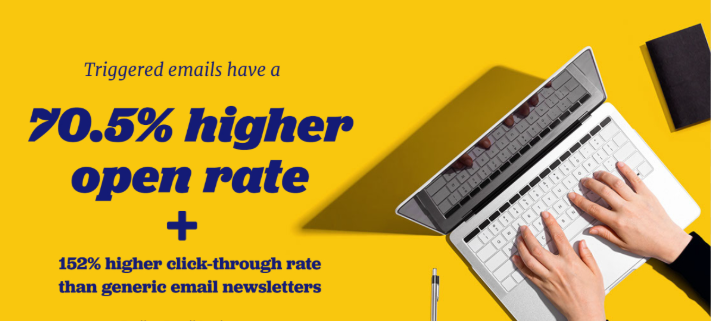
Source: Small Biz Marketing Tips
That’s a huge difference, especially for businesses with smaller audiences where every click counts.
In outreach campaigns, timing is everything. Send the right pitch at the wrong moment, and you lose. Drip journeys work the same way — when your message reacts to someone’s action, it feels like a conversation, not a campaign.
Behavior-triggered emails consistently outperform bulk blasts. They show higher open and click-through rates because they’re timely and relevant. Every small signal becomes a chance to follow up in a way that feels helpful instead of intrusive.
Promotional products work best when they arrive at the right time — like handing someone a useful item exactly when they need it. Emails are no different. Catch someone right after they’ve shown interest, and your message sticks..
You don’t need dozens of complicated flows to start. Just a few smart triggers — pricing page viewed, demo watched, checkout abandoned — can make the customer journey feel more personal.
That’s the power of behavioral drip journeys. They don’t just remind people you exist — they show that you noticed. And being noticed is what builds stronger, lasting relationships.
Omer Cevikol, Founder & CEO of Nextday Cleaning, mentions,
3. Automate Educational Content That Solves Problems
If you’re in a niche market, chances are your customers have specific questions or challenges. They don’t just want to buy, they want to understand what they’re buying and why it matters. And automated educational content plays a key role here.
Instead of only sending promotions, set up a short email series that teaches something useful. Think of it like a mini-course. One email can explain a common problem, the next can share tips or mistakes to avoid, and another can show how your product fits in.
For example.
- A skincare brand for sensitive skin might send 5 emails on how to avoid irritation.
- A small B2B software tool can share 3 short tips to improve team workflow.
- A handmade coffee brand might explain brewing methods to get better flavor.
Karen Noryko, Career Content Director at Jobtrees, says,
Why does this work? Because useful content builds trust. According to a report, brand content can increase purchase intent by 131%.
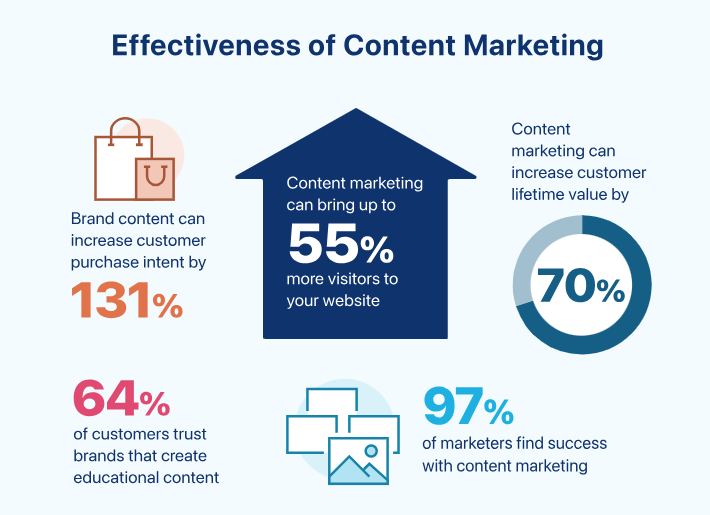
Source: Fit Small Business
On top of that, content marketing can bring up to 55% more visitors to your website and even increase customer lifetime value by 70%. If you give them that through automation, you stay top-of-mind without being pushy.
And once the emails are set up, they keep working for you. Every new subscriber starts the journey from the beginning, and you don’t have to lift a finger. Just make sure the content is short, clear, and truly helpful.
4. Use Retargeting to Stay Visible Without Being Annoying
In a niche business, people don’t always buy right away. They browse, get distracted, compare, and sometimes forget. That doesn’t mean they’re not interested, it just means they need more time or a small reminder. This is where retargeting helps.
Retargeting simply means showing ads to people who’ve already interacted with your business. Maybe they visited a product page, signed up for your email list, or downloaded a guide.
You already know they’re interested, so instead of targeting strangers, you focus on bringing these warm leads back.
Htet Aung Shine, Co-Founder of NextClinic, explains,
But don’t go overboard. One of the biggest mistakes small brands make is showing the same ad too many times or using generic messages. That’s how you annoy people.
Instead, personalize your retargeting. If someone visited your pricing page, show them a customer success story. If they viewed a blog post, offer them a downloadable checklist or a short email course.
Relevance is the only thing keeping retargeting alive. Show the wrong message too many times, and people block you. Show the right one once, and you win their attention.
Platforms like Facebook, Instagram, and even LinkedIn let you set this up without needing a big budget. And because your audience is small, you can stay visible without spending much. Use frequency caps to control how often people see your ads, and refresh your creatives so they don’t go stale.
Sinead Corceran, Yoga Trainer ERYT200 & Course Director at All Yoga Training , adds,
Retargeting works best when it feels like a gentle nudge, not a pushy reminder. It helps you stay in sight while people are still thinking — and that small touch can make a big difference when they’re finally ready to buy.
5. Score Your Leads So You Focus on the Right People
Not every person who visits your site is ready to buy. Some are just browsing. Others are curious but not sure if your product is for them.
And then there are the ones who are actually close to making a decision. The problem? It’s hard to tell who’s who — unless you set up lead scoring.
Lead scoring is a simple way to rank your leads based on their actions.
For example, someone who just opened an email gets a low score. But someone who watched your full demo video, visited your pricing page, and downloaded a guide? That person should have a high score.
Anastasia Sartan, CEO of GetGenAI, shares,
Once you have this system in place, you don’t waste time chasing cold leads. You can set up automation to send personal follow-ups to people with high scores. Or alert your team when someone reaches a certain level of interest.
Bill Sanders, from CocoFinder, adds,
This makes your process cleaner and more focused. Instead of guessing, you’re working with signals — real actions that show who’s ready and who’s not.
“Selling RVs online showed us that not every lead is equal. Someone looking at floor plans casually doesn’t have the same urgency as someone running cost comparisons. Scoring ensures you follow up with the right buyer at the right time,” adds Sam Mattingly, President of RVPostings.com.
In the start, you can start with a few key actions:
- Visited pricing page = +10
- Opened email = +2
- Downloaded guide = +5
- Watched full video = +15
Once someone crosses a score like 30 or 40, you can trigger a special offer, a consultation invite, or even a direct message.
In software, we track engagement like video downloads or repeat visits. Those actions are gold. Without scoring, you treat every click the same, and that’s a mistake. Lead scoring shows you who’s actually leaning in.
It helps you spend your energy on the people who actually want what you’re offering. And when you apply it consistently, it turns your pipeline from guesswork into a system.
6. Repurpose Your Best Content Automatically
Creating fresh and quality content all the time is difficult, especially when you're running a niche business with a small team.
That’s why repurposing is a smart move. It saves time, keeps your message consistent, and helps you get more out of the content you’ve already worked hard to create.
 Mick Essex
Let’s say you wrote a helpful blog post that explains a common problem your audience faces. Instead of leaving it on your website, break it down into smaller pieces.
Turn key points into LinkedIn posts, short videos, carousel slides, or even a simple email series. You can also pull out quotes for social captions or use parts of it in an ad.
Efficiency is everything. Repurposing content is like reusing clean code — you don’t reinvent the wheel each time, you adapt it for different use cases. That’s how small teams punch above their weight without burning out.
Plus, you can automate a lot of this. Tools like Buffer, Missinglettr, or even Notion AI workflows (if you’re using them smartly) can schedule and distribute content across different platforms without needing you to be online every day.
Experts from Lashkaraa.com — Sharara specialists, adds,
This strategy works well for niche businesses because your message doesn't have to change constantly. It just needs to reach people in more ways.
Some people prefer reading blogs. Others respond better to emails or short Instagram videos. Repurposing helps you meet them where they are.
Joe LeBlanc, Founder & CEO at High Noon Home Buyers, mentions, “In performance marketing, reach and repetition drive results. Repurposing lets you show up on the channels your customers actually use, without multiplying effort.”
By leaning on repurposing and smart automation, you stretch the life of your best ideas. And instead of scrambling for fresh content every week, you keep showing up consistently where it counts.
7. Use Simple Automation to Collect Testimonials and Reviews
Social proof matters, especially when you’re selling to a small, specific audience. People want to see that others like them have had a good experience with your product or service.
But most businesses forget to ask for reviews, or they ask too late when the excitement has faded. And now, you can use automation to handle this stuff.
You can set up a simple follow-up email or message that goes out a few days after someone makes a purchase or finishes using your service.
Ask how things went, and if they’re happy, invite them to leave a review or reply with a short testimonial. You can also include a direct link to your review page or a quick form to make it easy.
 Mick Essex
Even in education, feedback loops are essential — students grow by hearing what they did well and where to improve. Businesses can apply the same principle. Automating review requests ensures you’re constantly gathering insights, not just waiting for them to appear.
If they had a great experience, they’ll usually be happy to share, especially if you catch them at the right time. And if something went wrong, you hear about it early, giving you a chance to fix it before it becomes a public complaint.
PR lives and dies on credibility. Testimonials are a brand’s credibility in action. If you automate the process of collecting them, you’re not just getting stars on a page — you’re building a steady stream of proof that your reputation is real.
And nearly 95% of people read online reviews before making a purchase.
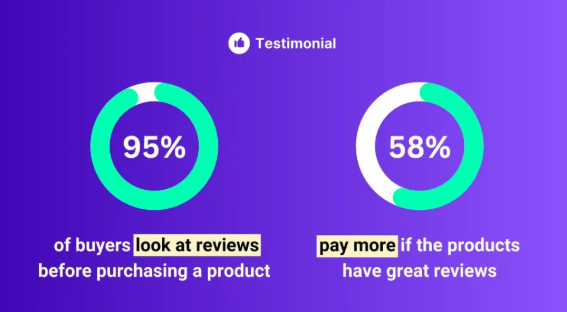
Image Source: Wiser Notify
That’s a huge part of the buying decision you can’t ignore.
Trust signals are now as important as product features. A single authentic review can tip the scale for a buyer more than any sales pitch.
Automation just makes sure you never miss the chance to capture those signals at the right moment.
8. Use Internal Automation to Stay Organized and Act Fast
Marketing automation can also make your day-to-day work easier. For small or niche businesses, staying organized is key. You don’t have a big team, so every lead, every follow-up, and every missed opportunity matters.
Marissa Burrett, Lead Design for DreamSofa, adds,
Internal automation helps you respond faster and avoid things slipping through the cracks. For example, you can set up alerts when someone fills out a contact form, watches a demo, or reaches a certain lead score. That way, you or someone on your team gets a notification right away.
You can also create automated tasks inside your CRM or project management tools. Let’s say someone books a call. The system can automatically create a task to prepare for it, assign it to the right team member, and add notes from past interactions.
These small systems save time and reduce stress. You don’t have to rely on memory or manual steps to keep things moving. Everything is tracked, sorted, and ready, so you can focus on decisions, not admin work.
If you’re handling multiple moving parts at once, automation takes the pressure off. It ensures nothing important gets lost, so your focus stays on the actual work rather than chasing admin.

Wrapping Up
Marketing automation doesn’t need to be complex or robotic, especially for niche businesses. When done right, it helps you stay consistent, save time, and connect with the right people in a smarter way. You don’t need a huge budget or a full team. Just a few well-planned strategies can go a long way.
Start with what matters most to your audience, build simple workflows around real actions, and keep things personal. Over time, these small systems will help you grow with less stress and more focus, so you can spend more time doing the work that matters.
FAQ: Marketing Automation Strategies
What is marketing automation for niche businesses?
Marketing automation for niche businesses involves using tools and workflows to streamline repetitive marketing tasks like email campaigns, lead nurturing, and social media posting—allowing you to reach the right audience with minimal manual effort.
Why is marketing automation important for niche markets?
Because niche audiences are highly specific, automation helps deliver personalized content at scale, improving engagement rates and conversions while freeing up time for strategy.
Which automation tools work best for small niche businesses?
Tools like HubSpot, ActiveCampaign, and MailerLite are excellent choices, offering affordable automation, advanced segmentation, and CRM features ideal for niche audiences.
How can automation improve customer retention?
By setting up personalized email sequences, loyalty programs, and behavior-based follow-ups, automation keeps customers engaged, informed, and connected to your brand long-term.
What metrics should I track for marketing automation success?
Monitor open rates, click-through rates, lead-to-customer conversion rates, and ROI to measure how effectively your automation campaigns are performing.
 Mick Essex