

Content creation is only half the run. If you have great content, but no effective strategy for distributing it, it is of no use. Moreover, today, it is not just about creating and posting content online.
With the advent of technology and intense market competition, businesses have become more astute. They are adopting modern-day content distribution strategies to stand out from the crowd.
While AIs like ChatGPT and Gemini have made content creation extremely easy, AIs have also helped brands leverage data for targeted advertising, product recommendations, and customer segmentation.
All these applications are a crucial part of modern-day content distribution strategies. Let’s read ahead and learn how these strategies can help businesses grow.
In this article:
- Top 10 Content Distribution Strategies for B2B in 2025

Source: Freepik
Top 10 Content Distribution Strategies for B2B in 2025
Whether you're using a video, an infographic, a blog, or something else, pitching it to the right audience at the right time is what content distribution is all about. Here are some effective content distribution strategies:
1. Segment Your Target Audience
While video is one of the most commonly used marketing tools (91% of businesses use it), it may not be suitable for every member of the audience.
For example, in a B2B business model, video content can resonate more effectively with mid-level managers.
However, if the person is a C-level executive, such as the CFO, COO, or CEO, white papers will have a more significant impact. Therefore, an innovative segmentation approach is necessary for effective content distribution.
Using B2B marketing automation platforms can make this segmentation and targeted delivery process much more efficient.
2. Collaborate with Influencers
If you use social media, you may have seen influencers promoting B2C brands such as Nestlé, Boat, and JBL. The same can be done with B2B brands, but in a different way. B2B businesses can collaborate with niche micro-influencers to expand their reach and increase brand awareness.
For example, if you are a brand specializing in packaging, you can collaborate with influencers who run a dropshipping knowledge channel.
You can find such influencers on Upfluence and HypeAuditor. Moreover, when approaching influencers, it is essential to be strategic.
As a B2B business, you must aim for a long-term partnership, and to do so, you need to be patient. You must start small by engaging with their content via comments and reposts.
Once you've caught their attention, you can pitch your content in formats such as reels, posts, interviews, podcasts, and long-form videos.
GE partnering with influencers to promote its innovations via “Instawalk” is a prime example of B2B influencer marketing.
3. Build Content Partnerships
Influencer marketing is not the only content partnership that you can build. You can also create collaborations with complementary businesses, professional associations, and thought leaders.
For example, a brand that builds an employee productivity management tool can collaborate with another company that builds a project management tool.
They can collaboratively create e-books and case studies and host podcasts and webinars, or even align with a specialized content marketing and distribution partner to maximize reach and engagement.
Source: Content Marketing Institute
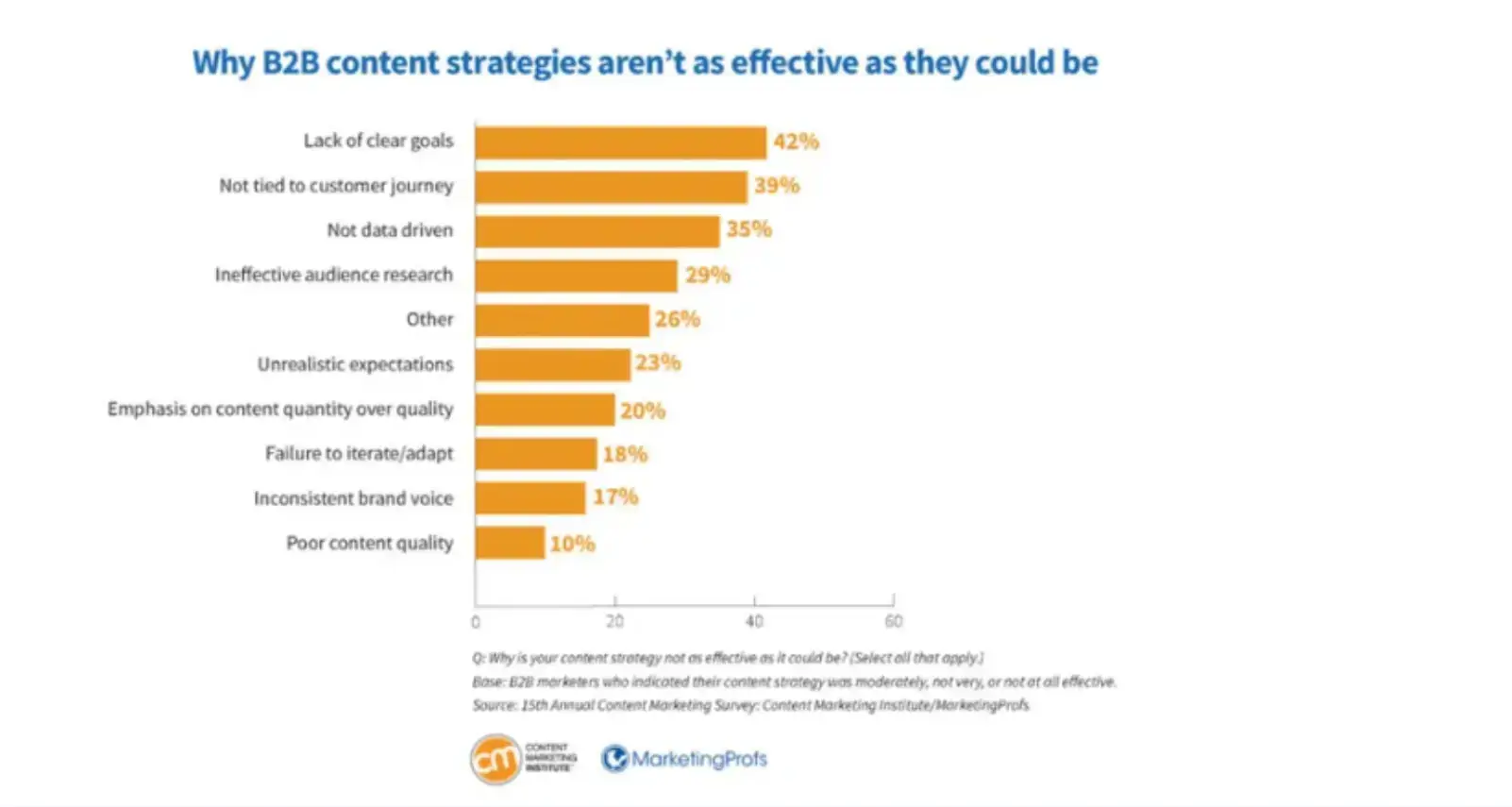
This co-creation and co-promotion of content by both businesses expands their reach and boosts credibility via third-party validation.
Sam Meenasian, founder of USA Business Insurance, recommends the following: “You should first start by researching the specific needs of your target audience. Partner with other businesses that support your efforts to strengthen your initiatives. Utilize various types of content, such as articles, videos, and social media posts, to disseminate your message effectively and expand your reach to a broader audience.”
4. Repurpose Existing Content
Creating new content is not always the answer. Building brand visibility takes time, and sometimes it is more effective to use existing content than to create new content. Therefore, you can repurpose existing content to expand your reach. How?

Source: EMBRYO
You can find and transform existing high-performing pieces into new formats suited for different platforms and audience preferences.
For example, you can collect essential details (data, quotes, listicles, or images) of a content piece, such as a blog, and convert them into an infographic, LinkedIn carousel, email series, podcast topic, or video tutorial.
This strategy increases content lifespan, expands reach, and improves SEO by targeting multiple keywords and touchpoints.
5. Build Engaging Multimedia Content
The extensive reel content on social media channels is proof that multimedia content, including videos, audio, and images, is the future of content marketing.
By creating and distributing engaging multimedia content, B2B businesses can capture attention and foster a deeper understanding of their products and services.
Businesses can use dynamic elements to convey complex solutions clearly, such as:
- Interactive infographics
- Video case studies
- Animated explainers
- Virtual product demos
6. Use PPC Advertising
PPC advertising includes the use of paid ads to distribute your content.
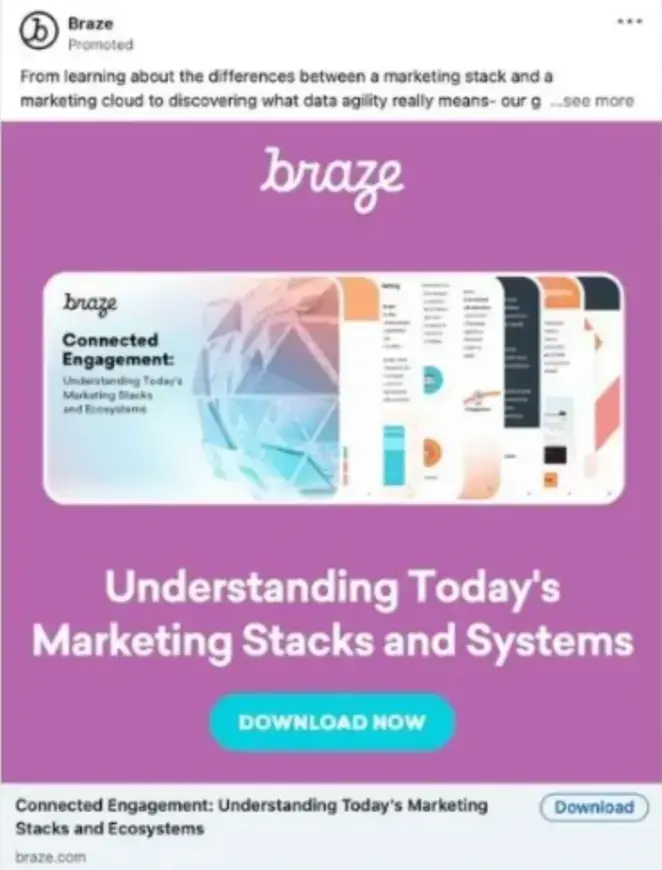
There are several ways to conduct PPC advertising, including Google Ads, social media ads, and search ads. These ads can help boost your product sales, but there are a few key considerations to keep in mind.
Source: WordStream
To make your PPC ad campaign successful, ensure that you combine it with effective SEO strategies.
Persuasive ad copy backed by careful keyword research and a clear call to action can boost visibility, drive qualified traffic, and increase sales.
Moreover, it is necessary to select the right channel based on campaign goals and the target audience to achieve optimal results.
“Combining a carefully planned PPC campaign with a robust SEO strategy can significantly enhance your results and increase your ROI,” noted Craig Rosenbaum, Founder of Rosenbaum & Rosenbaum. “We regularly check our campaign data, including A/B tests and conversion tracking. This enables us to make informed decisions based on data and refine our marketing campaigns.”
7. Leverage Professional Social Networks
A professional social network like LinkedIn is the best platform for delivering content to B2B businesses. Why?
LinkedIn has accounts for businesses, managers, CEOs, CFOs, COOs, and other key decision-makers. Therefore, it can serve as a direct touchpoint for B2B brands to capture their clientele’s attention.
Goldman Sachs utilizes B2B LinkedIn Groups to connect directly with potential clients and attract them by showcasing investment opportunities.
8. Conduct Content Audits
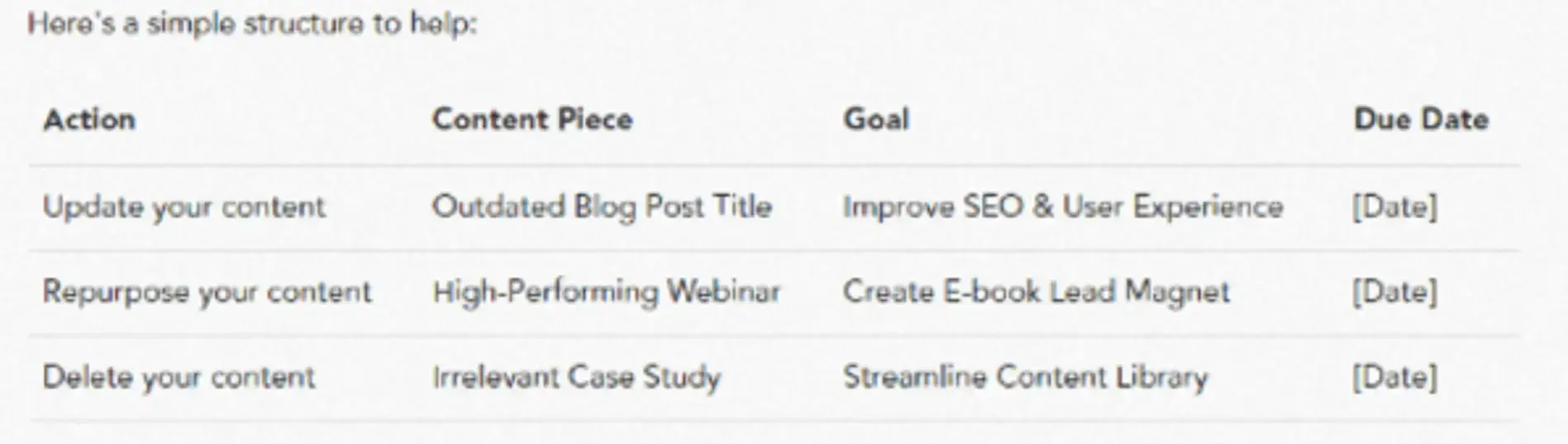
Regular content audits help identify what’s working, what’s outdated, and where gaps exist in your B2B content strategy. You must analyze performance metrics like:
- Traffic
- Bounce rates
- Time on page
- Conversion rates
These KPIs will help you understand which content formats and topics resonate the most with your target audience.
Moreover, these insights also enable smarter distribution, allowing you to promote top-performing content more aggressively and refresh or retire underperforming pieces. It also ensures consistency across messaging and branding.
Source: HubSpot
“A content audit helps us evaluate the relevance, quality, and accuracy of our legal content. It ensures alignment with business objectives and addresses the needs of our target audience,” says Justin Watkins, Founder of Battle Born Injury Lawyers. “By leveraging these insights, we can strategically plan to enhance the effectiveness and efficiency of both current and future content initiatives, ultimately strengthening our content strategy.”
Source: THE MANIFEST
9. Optimize Content for Search Engines
Search engine algorithms are constantly evolving. Therefore, it is crucial to optimize content for search engines periodically to ensure optimal visibility.
For example, when optimizing content today, you must make it ideal for Google AI Overviews and align it with the E.E.A.T. guidelines.
Furthermore, you must also focus on the following pointers to optimize content:
- Keyword research
- Meta tag optimization
- Internal linking
- Content coverage
- Information gain
- Mobile-friendliness
- Schema markup
High-quality, keyword-rich content ranks higher and drives long-term organic traffic, making it a cost-effective and faster content-distribution strategy.
Pro tip: Creating content tailored to the stages of the marketing funnel (TOFU, MOFU, and BOFU) can help you close deals with B2B clients more efficiently.
10. Host Virtual Events and Webinars
Virtual events and webinars are powerful tools for distributing B2B content in a live, interactive format. They allow you to share in-depth knowledge, showcase product value, and directly engage with your target audience.
Additionally, you can promote these events across various channels, including email, social media, and paid advertising.
Furthermore, you can also repurpose recordings into gated content, blog summaries, or short video clips. Webinars also generate high-intent leads when paired with registration forms.
FAQs
1. What is B2B Distribution?
B2B, which stands for "business-to-business," distribution is a crucial process that involves selling and delivering goods directly to other businesses. This approach not only streamlines supply lines but also fosters stronger partnerships and drives mutual growth.
2. What is B2B Content Distribution?
It is a strategy for sharing and promoting content for B2B businesses. It helps reach the right people at different stages of the sales process through various marketing channels.
3. What are the Best Channels for B2B Content Distribution?
The most effective B2B content distribution channels, according to the Content Marketing Institute, include email, LinkedIn, Facebook, Twitter, and YouTube.
4. Which Content Format is Effective for B2B Marketing?
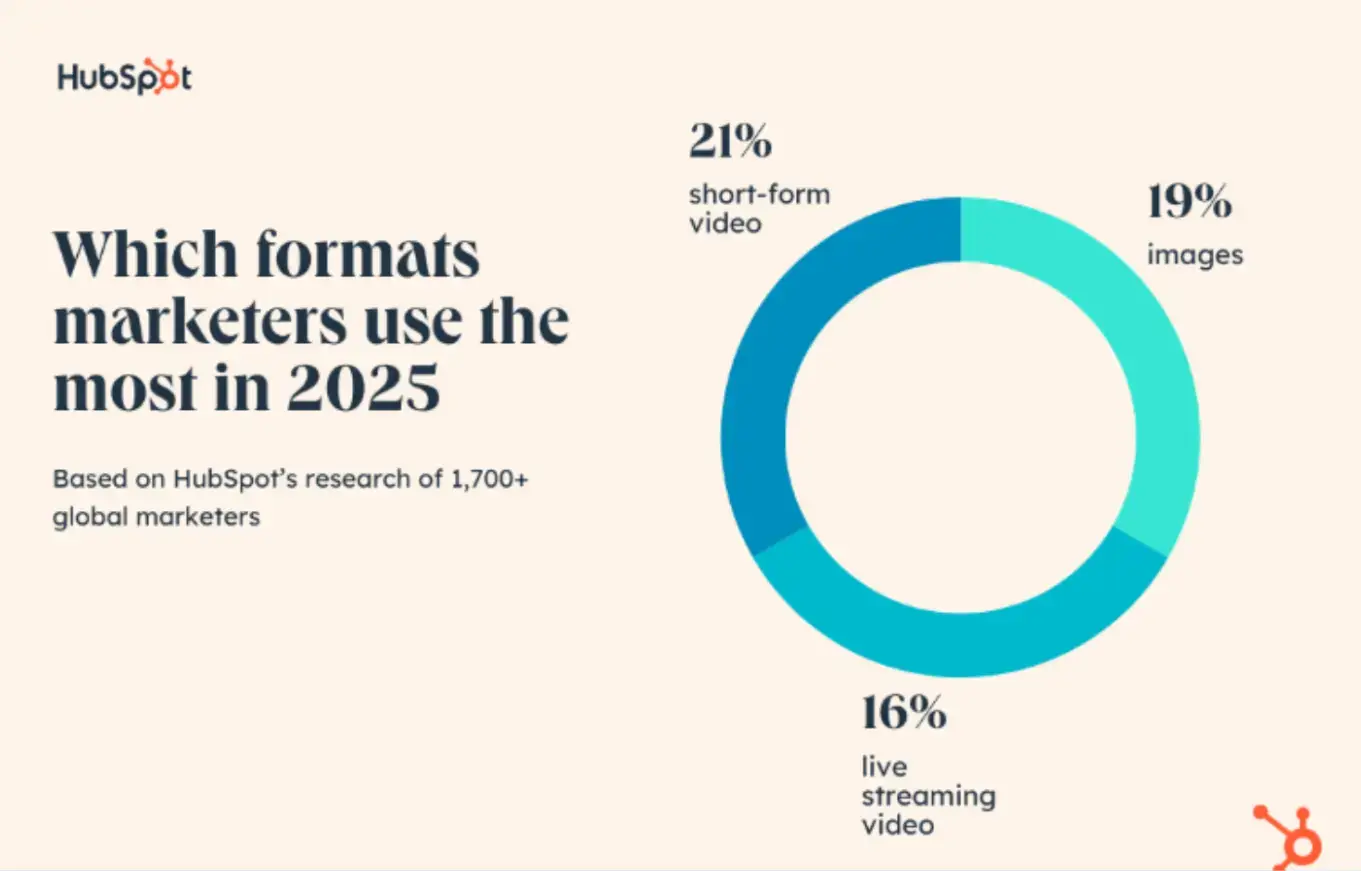
According to HubSpot’s study, images, live streaming, and short-form videos are among the most effective B2B content formats for delivering information to your target audience.
5. Is the Content Distribution B2B or B2C?
B2B content distribution refers to the transfer of products from one business to another. In contrast, B2C distribution involves delivering products directly to the end user.
Conclusion
Currently, ranking in the top Google results, also known as Google AI Overviews, is a catalyst for faster business growth, whether it is B2C or B2B.
While all these strategies are tried and tested in the market, some of the best ones for B2B businesses that get clients faster are using professional social networks, PPC ads backed by GEO, collaborating with niche influencers, and building content partnerships.
By implementing these proven content distribution strategies, you can expand your reach, attract higher-quality leads, establish authority, and accelerate your sales pipeline.

Author Bio
Irina Weber is a content strategist at LawRank. She helps startups and enterprises create, promote, and distribute content and increase brand awareness. With over nine years of content marketing experience, she regularly contributes to media outlets like SEW, Adweek, SME, MarketingProfs, CMI, etc.