

Necessity is the mother of invention. Today, this age-old wisdom is more relevant than ever. Client demands are steadily increasing, putting businesses under relentless pressure to innovate and pioneer new solutions.
Take digital menus, for instance. They're displayed on screens or tablets, completely replacing the traditional paper ones.
And it's not merely an eco-friendly decision — it's a direct reflection of our hyper-digital era, where every aspect of life is online.
In this article:
- Choosing the Right Software for Your Digital Menu
- Designing Your Digital Menu
- Training Your Staff
- Improving Customer Engagement Strategies
Living in such times has its perks and downsides. One massive advantage of digital menus is their flexibility: a few clicks and you can update dishes, prices, even specials. It's as simple as that.
If you're curious about why digital menus make a strong investment or wondering how to integrate them into your restaurant, read on.
Why Digital Menus Are a Smart Choice
Digital menus are swiftly gaining traction in restaurants and cafes, and it's easy to understand why. The allure isn't just about convenience—it taps into our intrinsic fascination with shiny, high-tech gadgets.
Humans inherently gravitate toward flashy, newfangled things. And these digital menus? Well, they fit the “shiny stuff” mold perfectly.
Still undecided? Let’s dive into the myriad of benefits digital menus bring to the table.
- Digital menu boards eliminate the painstaking task of manually updating your menu. One click and — voilà — you can tweak prices, spotlight new specials, or strike out sold-out items.
- Engagement: Digital menus captivate customers instantly, making your dishes look irresistible—like a silent salesman that never sleeps.
- Eco-friendly: By going digital, you dramatically cut down on paper usage while reducing costs and carbon footprint.
- Informational gold mines: They can showcase nutritional facts and ingredient lists—crucial for folks with dietary restrictions.
Choosing the Right Software for Your Digital Menu
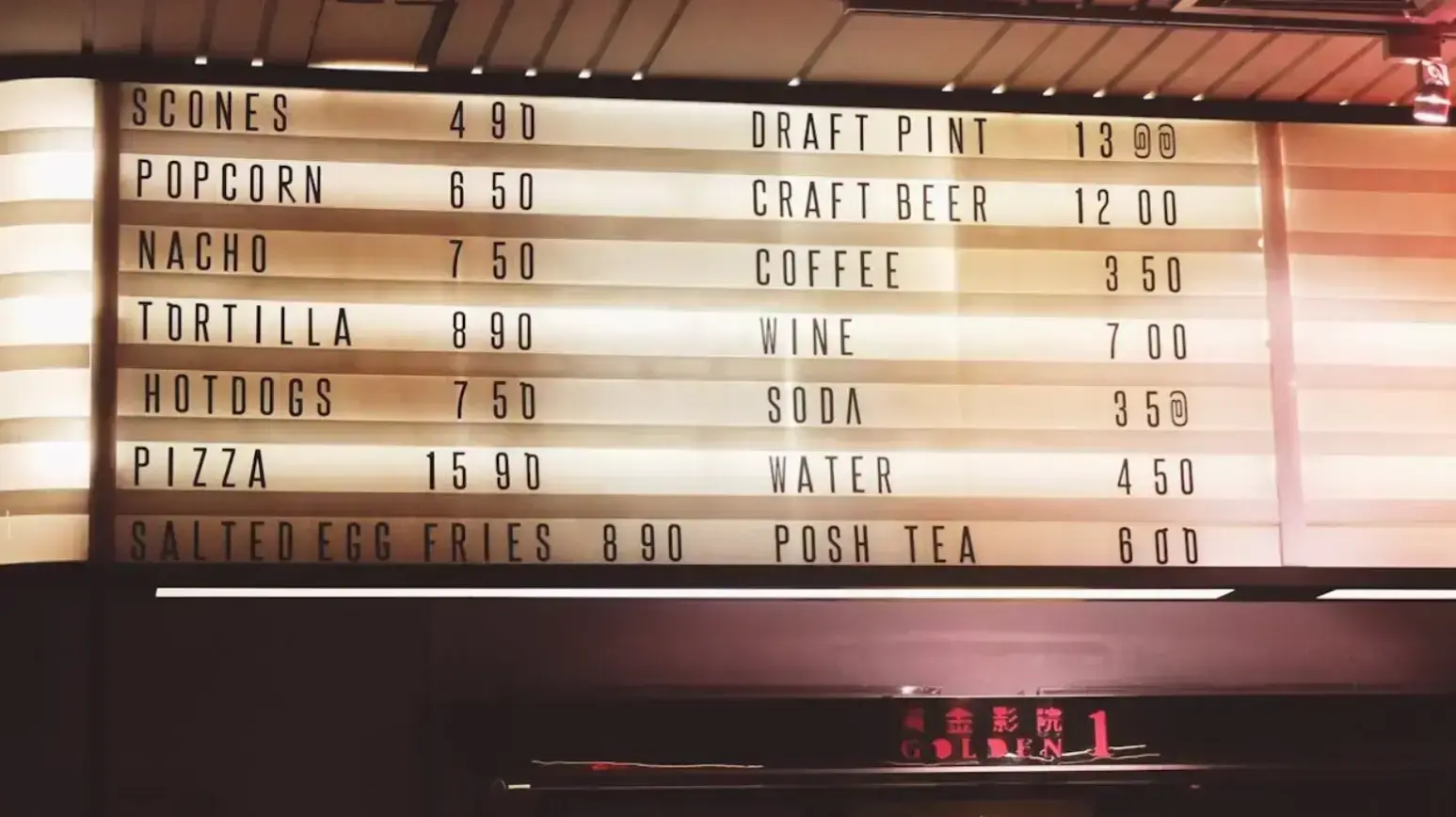
Source: Pexels
When selecting digital menu software, find a platform that balances user-friendliness with customization. It should meet your restaurant's unique needs seamlessly.
Your software must enable easy updates while ensuring compatibility with your current POS system to avoid unexpected costs.
Price is always a factor—but don’t sacrifice reliability. Read reviews and other owners' experiences to guide your choice.
Key features to look for in menu software
- customizable templates
- content scheduling
- easy content management
- integration options
- analytics and reporting
Presence detection integration
Presence-detection tech uses sensors to detect when a customer is nearby and adjusts the displayed content. It’s simple on the surface, but the possibilities are huge.
Imagine walking by a digital sign that instantly switches to a personalized deal. Magic, right?
Key advantages:
- Real-time content tailoring
- Attention-grabbing for drive-throughs or low-foot-traffic areas
- Relevant content display increases conversions
Designing Your Digital Menu

Source: Pexels
Creating a visually appealing and user-friendly digital menu is key.
- Use top-notch photos and ensure your typography is readable.
- Use clear menu categories to divide items into appetizers, mains, and desserts so customers can quickly find what they want.
- Regularly add specials to keep things fresh.
Additional design tips
You're not just selling food—you’re selling an experience.
- Add motion graphics for dynamic appeal
- Use contrast for readability
- Keep the design uncluttered
Size and display factors
The size and placement of your digital menu dramatically affect customer experience.
Too small? People squint.
Too big? Overwhelming.
Outdoor boards should be larger; indoors requires balance and clarity.
Also consider:
- Visibility under low light
- High-quality displays with great brightness/contrast
- Smooth transitions for time-based or promo-based menu changes
Training Your Staff
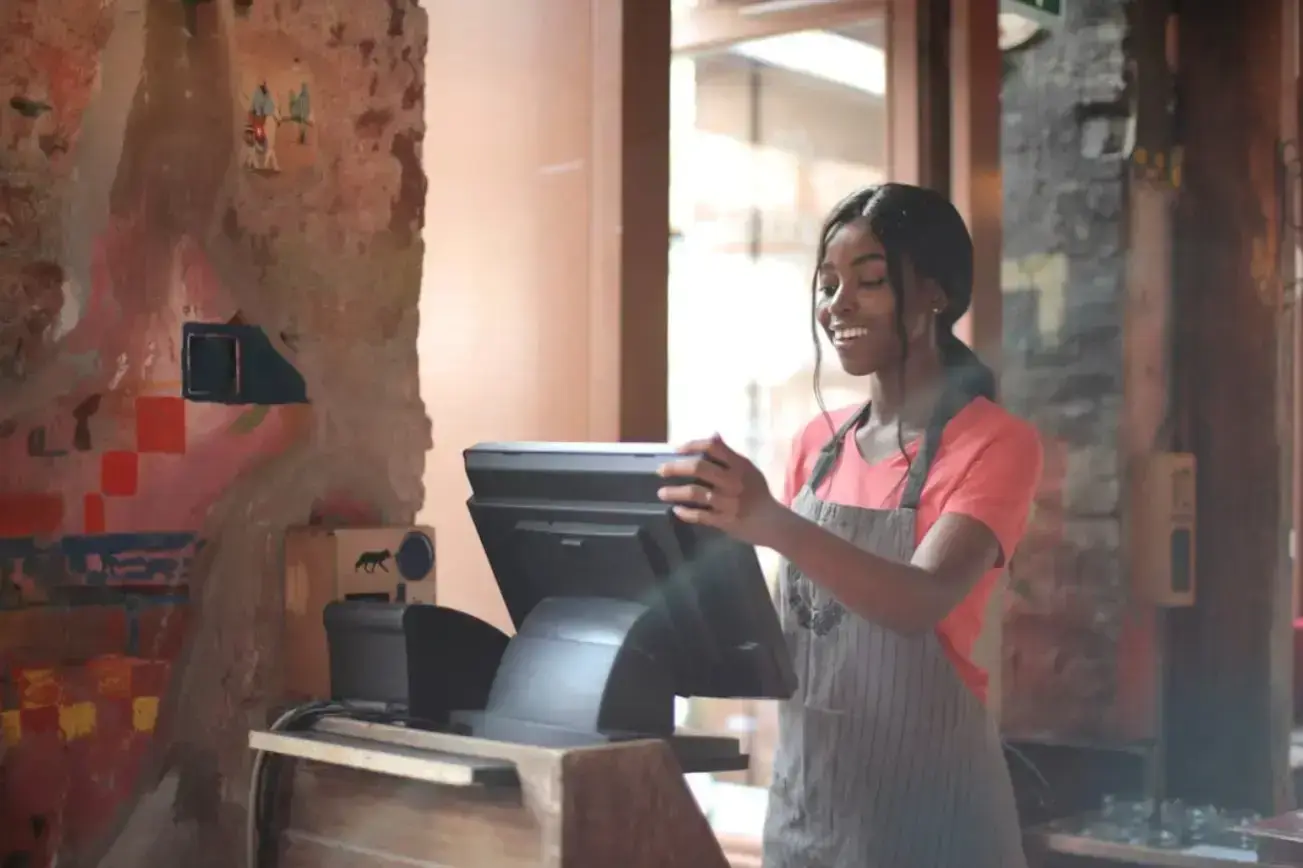
Source: Pexels
If you want digital menus to shine, start by training your staff to use them effectively.
Begin with basics:
- navigating the system
- making updates
- troubleshooting common issues
Schedule regular refreshers. Tech evolves, and so should their knowledge. Let them offer feedback — their daily use gives them unique insights.
Improving Customer Engagement Strategies
Here are three effective ways to boost customer engagement:
1. Interactive features
Add reviews, dish ratings, and customization options to personalize the experience.
2. Promotions and rewards
Use your menu to highlight deals or loyalty rewards — ideal for improving customer loyalty.
3. Visual appeal
High-quality images and clean navigation keep customers engaged and encourage order exploration.
Final Thoughts
Digital menus aren’t just a tech upgrade — they're a strategic leap into the future of dining.
Competition is fierce. A digital menu gives you an edge with:
- faster ordering
- more interactive dining
- real-time updates
Customers see, swipe, order.
Simple.
Digital menus help you stay ahead — turning your eatery into the spot everyone talks about.

Author Bio
Przemysław Puternicki is a content writer passionate about new technologies and innovative applications. He has written extensively about AI and its impact across industries.
Over the years, his work has appeared on websites focused on cybersecurity, business growth, and digital marketing. When not writing, he’s watching documentaries or gaming.