

According to Customcy, 1.18M new e-commerce stores were launched globally in Q4 2025 alone, but only 15-20% of them are still operating after five years.
Most online stores don’t fail because the idea was bad; they fail because the business fundamentals break down early.
As Steve Blank said, “No business plan survives first contact with customers.” They blindly run into execution without realizing there are a lot of things in the backend that you need to take care of.
To ensure you're set up for success, we've created an ecommerce checklist to help you launch your first online store. This list of actions will help you plan the processes and assets you need before launching your store.
Let’s get into the list.
Your 5-Step Ecommerce Store Launch Checklist
This checklist outlines the steps to launch your online store. It covers both basic concepts and action steps that business owners take when starting their own online businesses.
Step 1: Define Your Niche and Ideal Customer
Before you think of domain names or color palettes, pause. Business breaks because they don't know the real reason you want to do this?
Your “why” isn’t a fluffy statement; it's the base of your entire operation and the compass guiding your decisions.
Identify Your Ideal Customer Avatar
You think you know who you are selling to, but do you actually? and the compass guiding your decisions. It's about understanding your customer’s psychology; their interests, values, pain points, aspirations, and online behavior.
- Who is your ideal customer (your "avatar")?
- What problems do they have that your product solves?
- Where do they hang out online? (This is crucial for marketing!)
- What are their spending habits?
Tools like Google Trends, social media groups, or even simply talking to potential customers can provide invaluable data.

For instance, designing custom posters with platforms like Printful can be highly effective for a creative entrepreneur or artist who wants to create and sell high-quality, personalized wall art without holding inventory.
Analyze Your Competitors
Don’t be afraid of your competitors, embrace them! Competitors demonstrate a market for your product.
But, more importantly, they offer a real case study on selling your product:
- Who are your direct competitors?
- How do they market themselves? (Look at their social media, email campaigns, and ads.)
- What are their prices like?
- What unique value proposition can you offer that they don't? (This is your secret sauce!)
- What do customers love (and hate) about them? (Check reviews!)
Understanding your competition isn’t about copying; it's about learning, identifying gaps, and figuring out what you can do better to differentiate yourself.
For those curious about innovative ways to generate income, especially younger audiences, exploring making money online as a kid can provide valuable insights into entrepreneurial ventures tailored for children.
Step 2: Choose the Right Ecommerce Business Model
A business model describes how your business is structured, including your products or services and the customers you serve. Like, what do you sell? And how do you sell it? In fact, you can use more than one model for the same business.
Own Inventory vs Dropshipping vs Print-on-Demand
Where will your products come from? This is a huge logistical and financial decision.
- Own inventory: Holding inventory gives you complete control over the product and its delivery to your customer, including shipping monitoring. Buying in bulk offers better supplier pricing and higher margins, but it also requires managing inventory yourself while accounting for physical and cost constraints.
- Dropshipping: It's another supply chain model in which a retailer doesn’t maintain a physical inventory but instead forwards a customer’s order directly to a wholesaler. However, you’ve limited control over customer experience and profit margins.
- Print-on-demand: Print-on-demand is a specialised form of dropshipping in which products are produced only after a customer places an order. The key difference is that these products are custom and feature your own designs. For example, if you want to sell custom hats, print-on-demand platforms like Printful or Printify are a great way to create and sell them without holding inventory.
This model is the best of both worlds. It allows sellers to sell an unlimited range of unique products without worrying about inventory or unsold stock.
There are also hybrid models! Maybe you dropship some items, but hand-make your hero product.
DTC vs Marketplace: Which Should You Start With?
If you want complete control over your customers’ experience and can drive visibility for your products without collaborating with intermediaries such as wholesalers, distributors, or retail stores, then DTC is a great choice.
Between 2021 and 2024, the DTC market in the US has exploded, growing from $128 billion to $213 billion, which is a jaw-dropping 66% increase. The growth of DTC is particularly striking.
On the other hand, marketplaces like Amazon and Etsy provide immediate exposure to large, trust-driven audiences. If you have limited resources and want to reach a wider audience without investing in traffic acquisition, this can be a great place to start.
Step 3: Select the Best Ecommerce Platform
This is the digital home for your products. An ecommerce platform is designed to enable online buying and selling. Your platform choice will depend heavily on the product type, pricing, technical complexity, and desired feature set.
Here are a few platforms you can check out:
Shopify
One of the most popular e-commerce platforms is suitable for businesses of all sizes. It's designed specifically for online selling.

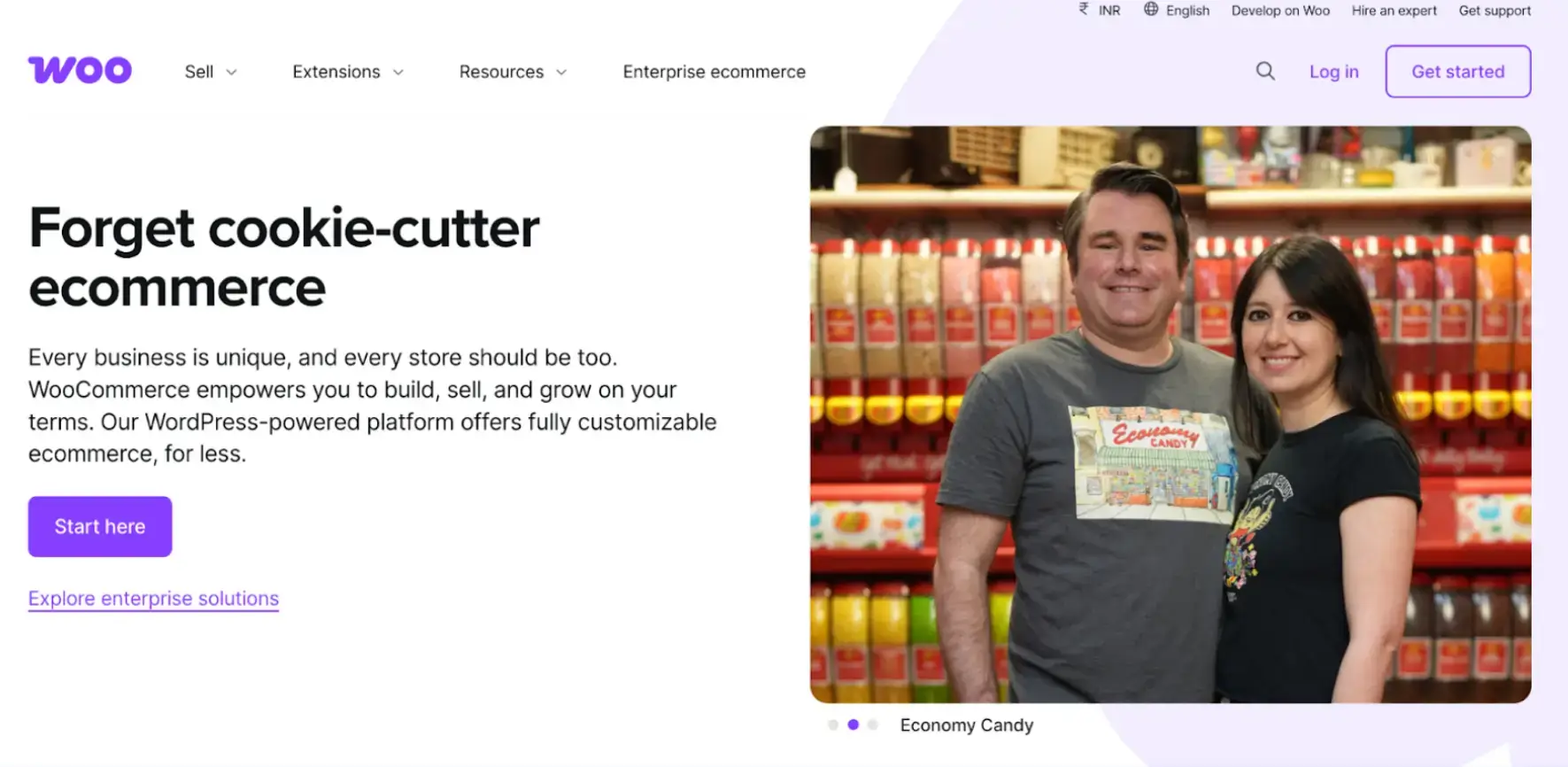
WooCommerce
WooCommerce is a free, open-source e-commerce platform built on WordPress. You just need to add.
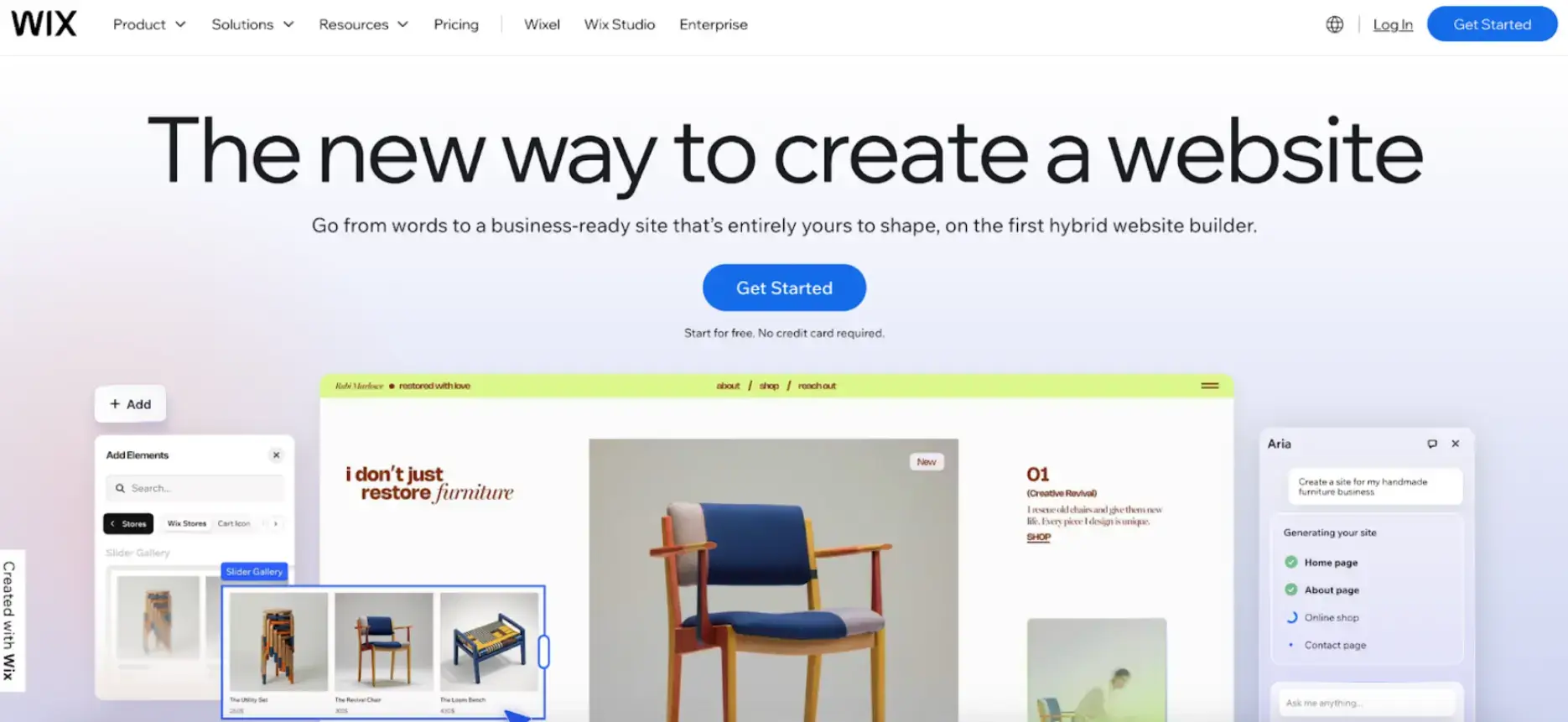
Wix
Wix is a website builder with integrated e-commerce capabilities. With comprehensive management tools, multichannel integrations, and a highly resilient infrastructure, the platform is trusted by some of today’s fastest-growing companies.
If these ecommerce platforms start to limit your vision or you need advanced integrations, AI features, and a fully customised experience, a tailored build may be the smarter option.
In that case, partnering with QuantumXL for ecommerce website development ensures your store is built around your product, audience, and long-term growth goals.
Step 4: Set Up Essential Ecommerce Integrations
This section might not be as exciting as choosing fonts, but it's absolutely vital for actually running a legitimate business.
Payment Gateway Integrations
These integration decides how you’ll get paid:
- Popular options: Stripe, Square, PayPal, and Shopify Payments (built-in for Shopify stores).
- Considerations: Transaction fees, supported currencies, ease of setup, and security (as an SSL certificate is a must!).
- Offer Variety: Customers prefer multiple payment options (credit card, debit card, Apple Pay, PayPal, etc.).
Payment integration is one of the most important aspects of running an ecommerce business.
Ensure your chosen platform integrates seamlessly with your preferred payment gateway. Also, make sure security is paramount; customers need to feel safe sharing their financial information.
Analytics & Tracking Setup
Analytics and tracking decide how well you understand your business performance and customer behavior.
Without clear data, you’re operating on assumptions instead of insights.
- Popular options: GA4, Meta Pixel, Google Tag Manager, Shopify Analytics, Hotjar, and competitor research platforms like adspy tool to complement internal analytics with external market insights.
- What to track: Traffic sources, conversion rates, cart abandonment, average order value (AOV), customer acquisition cost (CAC), and lifetime value (LTV).
- Considerations: Data accuracy, ease of setup, privacy compliance (GDPR/CCPA), and proper event configuration. Poorly set tracking can lead to wrong marketing decisions and wasted ad spend. Manual data export and tracking can lead to inaccurate reports. You might want to automate data collection from multiple sources and create auto-refreshing performance dashboards in your favorite reporting tool using a no-code data integration platform.
This is the backbone of smart ecommerce growth. Ensure your store is correctly set up from day one so every decision, marketing, pricing, and product, is backed by reliable data, not guesswork.
As your customer base grows, integrating CRM software can further strengthen your data foundation by centralizing customer interactions, purchase history, and engagement patterns, helping you personalize marketing and improve retention.
You can implement referral or affiliate software to encourage customers and creators to promote your products in exchange for commission.
Inventory Management Systems
Inventory management determines how well you balance product availability, cash flow, and customer satisfaction.
- Popular options: Shopify Inventory, Zoho Inventory, TradeGecko (QuickBooks Commerce), NetSuite, and in-built inventory tools offered by ecommerce platforms.
- Considerations: Stock tracking accuracy, real-time updates across channels, low-stock alerts, ease of syncing with your store and shipping partners, and scalability as your catalog grows.
- Offer Control & Visibility: A good inventory system should support variants (size, color, SKUs), handle multiple locations or warehouses, and provide clear insights into fast-moving vs slow-moving products.
Your chosen platform should integrate seamlessly with your storefront, order management, and fulfillment tools.
Step 5: Optimize Your Product Setup for Conversions
In ecommerce, first impressions matter, and nothing creates a stronger first impression than compelling product imagery. For online shoppers, high-quality images and accurate product setup are not just luxuries but necessities.
High-quality Product Images
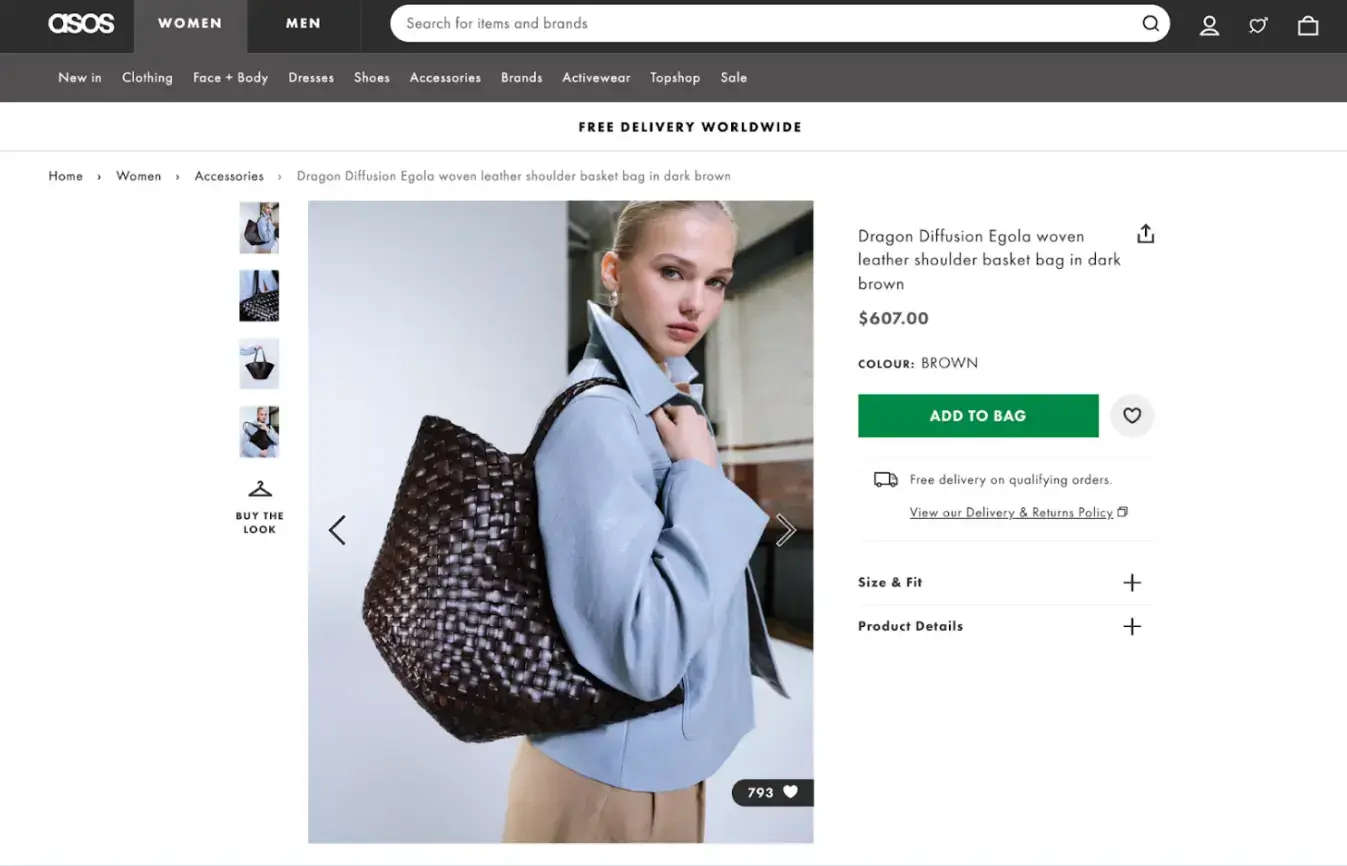
High-quality product imagery lets you showcase your products from all angles, providing a comprehensive view that builds consumer trust. This cannot be stressed.
Your products are the closest your customers can get to actually holding your item.
- High Resolution: Crisp, clear, zoomable images
- Lifestyle shots: Show the products in use; this helps customers visualize themselves with it
- Video: Adding short, compelling videos can dramatically increase engagement and sales. An interactive video tutorial can further help customers understand features, setup, and usage before purchase.
- Multiple Angles: Show your product from all sides.
Invest in a decent camera or use your smartphone to get the perfect shot. If you can afford a professional photographer, that would be a great investment.
An AI-powered video generator tool can help founders produce product videos and promotional creatives more efficiently.
For instance, many large ecommerce retailers provide multiple product images and short videos to reduce purchase hesitation and increase buyer confidence.
Writing Product Descriptions That Convert
Product descriptions do two things in your ecommerce store: they educate visitors about the product and then persuade them to buy. It is a great way to sprinkle brand personality in a place most people don’t expect.
- List all product information: List everything from the product’s manufacturing date, specifications, and benefits.
- Get to the point: Your product description should be long enough to cover the essentials but short enough to keep it interesting.
- Use social proof to build trust: Add product reviews on your site, Google, or marketplaces to show how people perceive your products.
Your product description should be written for humans. They will review your products, read the information, and decide whether to purchase them.
Pre-Launch Checklist: Final Review Before Going Live
Launching an ecommerce store isn’t just about putting products online; it’s about building systems that support sustainable growth.
They validate their niche, choose the right business model, install the right tools from day one, and track performance with clarity. They treat their store like a real business before the first sale ever comes in.
If you’re a solopreneur or small business owner, your advantage isn’t size, it’s agility.
You can test quickly, adapt faster than larger competitors, and build a brand that genuinely connects with your audience. But that flexibility only works when it’s supported by strong fundamentals.
Before you launch, walk through this checklist carefully:
- Is your niche clearly defined?
- Is your business model sustainable?
- Are your payments, tracking, and inventory systems set up correctly?
- Does your product page truly build trust?
Excitement may spark the idea — but preparation protects your investment.
Build it right the first time, and you won’t just launch a store. You’ll launch a business designed to last.
Frequently Asked Questions About Launching an Ecommerce Store
1. How do I choose the right niche for my ecommerce store?
Focus on a clearly defined audience, a real problem you can solve, and verified demand using tools like Google Trends and competitor research.
2. What is the best ecommerce business model for beginners?
Print-on-demand or dropshipping works well for beginners since they don’t require upfront inventory investment.
3. Should I start with DTC or a marketplace?
Start with marketplaces for quick exposure, or pursue a DTC model for full control over branding and customer data.
4. Which ecommerce platform is best for new store owners?
Shopify is beginner-friendly, WooCommerce suits WordPress users, and Wix works well for simple stores.
5. What payment methods should I offer in my online store?
Offer credit/debit cards, PayPal, Apple Pay, and local payment options to reduce checkout friction.

Author Bio
Oliver Baker is the Managing Director of QuantumXL, an AI software development agency based in the UK. He spends his days bridging the gap between cutting-edge AI research and turning complex business challenges into systems that actually work in the real world. With over a decade of experience in AI engineering and applied machine learning, Oliver specialises in helping businesses move from proof of concept to production with clarity and precision. He holds professional qualifications in PRINCE2 and APM, reinforcing his structured, outcomes-driven approach to AI delivery.