

In 2026, marketing for small businesses will be like that of a sniper: one shot, one customer who will be loyal.
While technologies and algorithms go into chaos, winners are not those who shout the loudest, but those who manage to be useful at the right moment.

Source: Unsplash
Why Traditional Marketing Methods No Longer Work
Classic sales funnels have been breaking down for a long time.
On top of that, the technological barrier to entry has dropped to a minimum.
If earlier creating a complex product required a whole team of engineers, now a software development company can deploy an MVP in a matter of weeks, and an entrepreneur can assemble a solution from no-code tools over a single weekend.
This has created brutal competition where the winner is the one who adapts the fastest.
Zero-Click Content: How to Win Customers Without Website Visits
Zero-click content is a strategy in which you deliver value to users right in their social feeds or search results, without requiring them to visit your website.
Sounds counterintuitive? Maybe. But in 2026, platforms (LinkedIn, X, and Instagram) downrank posts with links to keep users on their own turf.
- Give away the most valuable things immediately: If you write a post like “5 ways to save on taxes,” reveal all 5 ways right inside the post.
- Optimize for AI Overviews: Your content should be structured so clearly that Google Gemini or ChatGPT can easily “read” it and present it to the user as a ready-made answer.
- Build a brand, not traffic: When a user gets an answer from you right in their feed, they remember the expert. Next time, they will come to you intentionally.
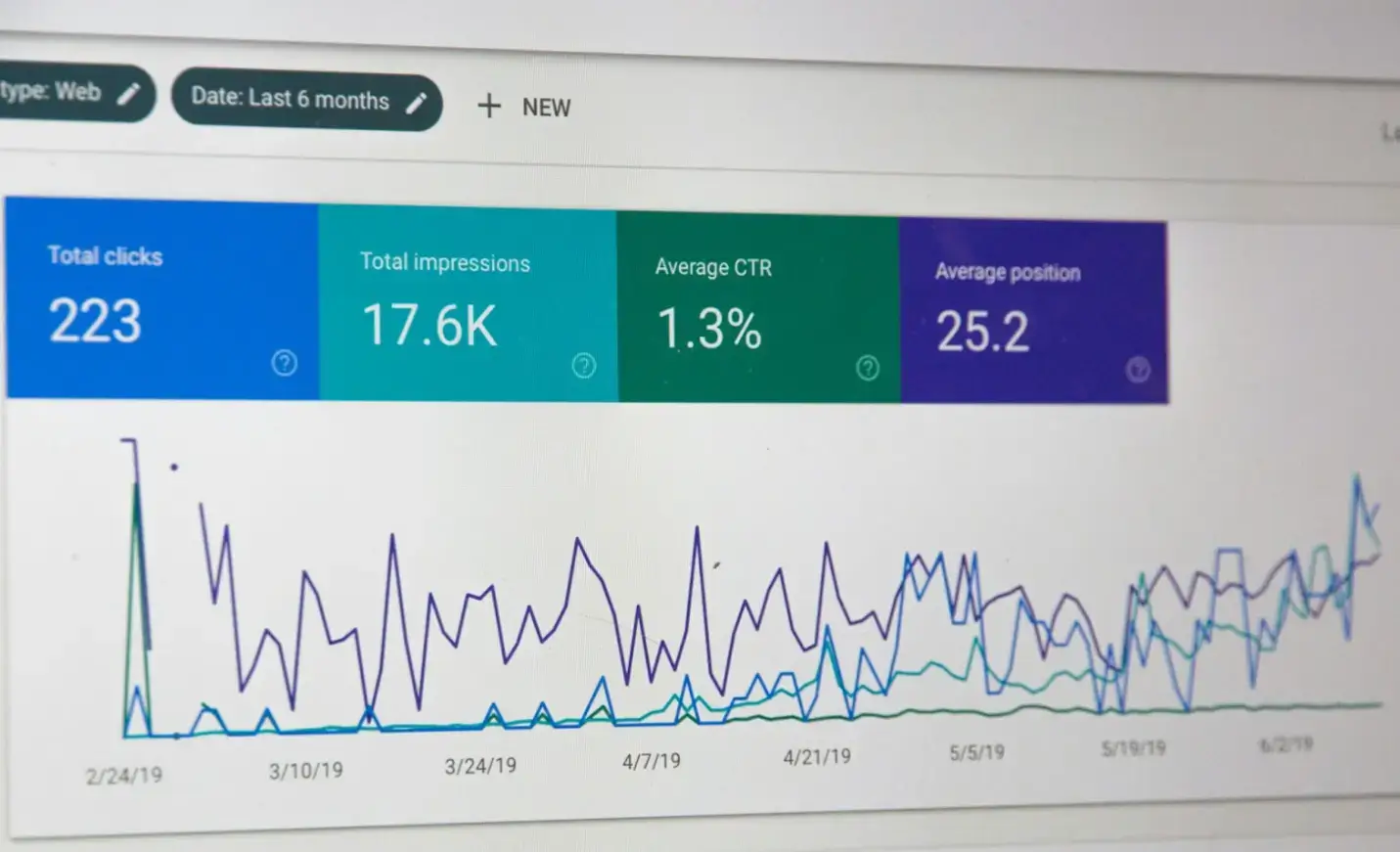
This means algorithms now look for deep expertise, not just a pile of keywords, and this must be clearly understood.
Source: Unsplash
Hyper-Personalization 2.0: Predicting Customer Needs Before They Act
Hyper-personalization, which is currently happening, involves anticipating what a customer wants even before they know it themselves.
Data from user activity enables us to develop smart landing pages that are tailored to each visitor to your site.
Tools for implementation:
- AI analytics: Platforms like Google Analytics 4, when paired with AI, allow you to segment audiences by their likelihood to purchase.
- Dynamic content: Email marketing tools can now generate unique email blocks for each segment. By the way, you can learn how this works in practice in our article Which Cold Email Software Boosts Response Rates Most?
- Next-generation chatbots: They don’t just follow a script; they remember a year’s worth of conversation history and suggest products based on past dialogues.
And for those who want to dive even deeper into the technical side, we recommend reading 17 Must-Have Tools to Improve Website Performance. There, you will find specific software to automate these processes.

Source: Unsplash
Video Marketing in 2026: Short, Vertical, and Value-Driven
Short-form videos (Reels, TikTok, and YouTube Shorts) remain the king of content. But in the year 2026, the attention has moved from entertainment videos like dances to packed value.
Small businesses use this format for:
- Showing behind-the-scenes: Show how you pack an order; it builds trust.
- Answering questions: A video reply to a customer comment works better than ten text posts.
- Educational content: A one-minute tutorial, such as “How to use our product,” reduces the load on customer support.
But despite video dominance, text is not dead. It has simply transformed.
So the idea that text is dead is simply wrong.
Source: Unsplash
SEO in the Age of AI: How Search Has Fundamentally Changed
With the arrival of SGE (Search Generative Experience), search engines generate answers themselves. Your task is to become a source for that generator.
This requires rethinking the link-building strategy. The number of links now matters less than their quality and relevance. And if an authoritative resource in your niche links to you, it signals to AI that you can be trusted.
 Gaukhar Murzagaliyeva
Essential Growth Marketing Resources for 2026
To keep yourself updated, we suggest that you save the best guides, which will help you dive deeper into growth marketing:
- Knowledge base: The Ultimate Guide to Growth Marketing, a fundamental guide from HubSpot that covers everything.
- Toolkit: Growth Resources, an excellent collection of templates and checklists for daily work.
- Strategy: Growth Marketing Strategy: But Really, What Is It?, an article that helps distinguish real growth hacking from noise.
- Trends and Careers: 50+ Marketing Resources to Help You Make an Impact in 2026 is an extensive list of resources for a marketer’s professional growth.
It is now seven times more costly to acquire a new customer than to retain one, and that is precisely what smart strategies are all about: LTV (Lifetime Value).
There is no one magic tool that can make growth in 2026 a secret. You can use AI to do the tasks you can easily automate, but not communicate and be creative.
So, just be omnipresent with your customer, but not obnoxious.
Frequently Asked Questions About Growth Marketing in 2026
1. What marketing channels will be most effective in 2026?
A combination of Shorts/Reels, personalized email marketing, and zero-click content on social platforms.
2. Is AI necessary for small business marketing?
Yes. An advantage of neural networks is that they enable the business owner to concentrate on other activities.
3. What is zero-click content and why does it matter?
This is content that answers a question completely without needing a click. This matters because platforms downrank links, and users want information instantly.
4. How has SEO changed in 2026?
Google has shifted its focus to expertise and behavioral factors rather than keywords. AI search engines (SGEs) are based on the idea that useful content should demonstrate real experience (E-E-A-T) and answer in a complete and thorough way, rather than relying on text optimization.

Author Bio
Russel Burg is a growth marketing strategist helping small businesses scale in the age of AI. Expert in zero-click content and hyper-personalization, turning chaotic algorithms into loyal customers.