

Standing out as a small business can be extremely difficult — particularly in competitive or oversaturated markets dominated by big corporations.
Nevertheless, it’s not impossible. It does, however, necessitate the right approach to engaging and converting potential prospects into clients.
One of the most effective ways to accomplish this goal is to focus on trust. As a key driver of consumer purchasing behavior, trust can boost conversion rates and even allow you to charge more for your solutions.
Not convinced? Just consider the fact that 87% of shoppers would pay more for trusted brands, even in today’s volatile economy.
With this in mind, it’s essential that you harness the power of the modern trust factor. This article will teach you everything you need to know about how small businesses can earn customer confidence and drive more sales, along with great examples for incorporating each strategy into your online presence.
Build Trust via Familiarity
One of the most effective ways to earn customer confidence is to make your small brand better known in your target industry.
This works because familiarity breeds trust, which automatically removes some of people’s most common conversion obstacles.
In fact, if you look at the research on how shoppers choose which companies to buy from, you’ll discover that 82% of people choose a familiar brand for their first click on Google. Plus, 71% of people say it’s important that they recognize a brand before making a purchase decision.
This is why it’s crucial for your business to have a strong, recognizable online presence and to engage potential customers even when they’re not actively shopping.
The great news is that you can easily accomplish this with a value-driven social media marketing strategy or by producing and distributing customer-centric content on your blog.
For instance, Sewing Parts Online focuses the majority of its social posts on educational and entertaining content. This works because it presents prospects with value; more importantly, it creates visibility for the brand, which is exceptionally effective at differentiation and building trust through familiarity.

Source: TikTok
Prioritize Customer Value Above All Else
Sometimes, the key to earning customer trust isn’t to position your brand as an industry expert or your products as high-quality solutions.
Instead, and especially as a small business, the best way to build customer confidence and loyalty is to ensure you present potential prospects with value at all times.
If you look at how consumers feel about brands, you’ll find that they don’t always feel seen or appreciated.
According to research from Salesforce, 61% of people feel that most companies treat them as a number. Yet, to 80%, CX is just as important a purchase factor as product and service quality.
So, if you want to convince your target audience to trust your business (and maximize their chances of converting), explore opportunities to make web visitors and social followers feel appreciated.
The best way to do this is to present them with free value (without commitment or ulterior motives).
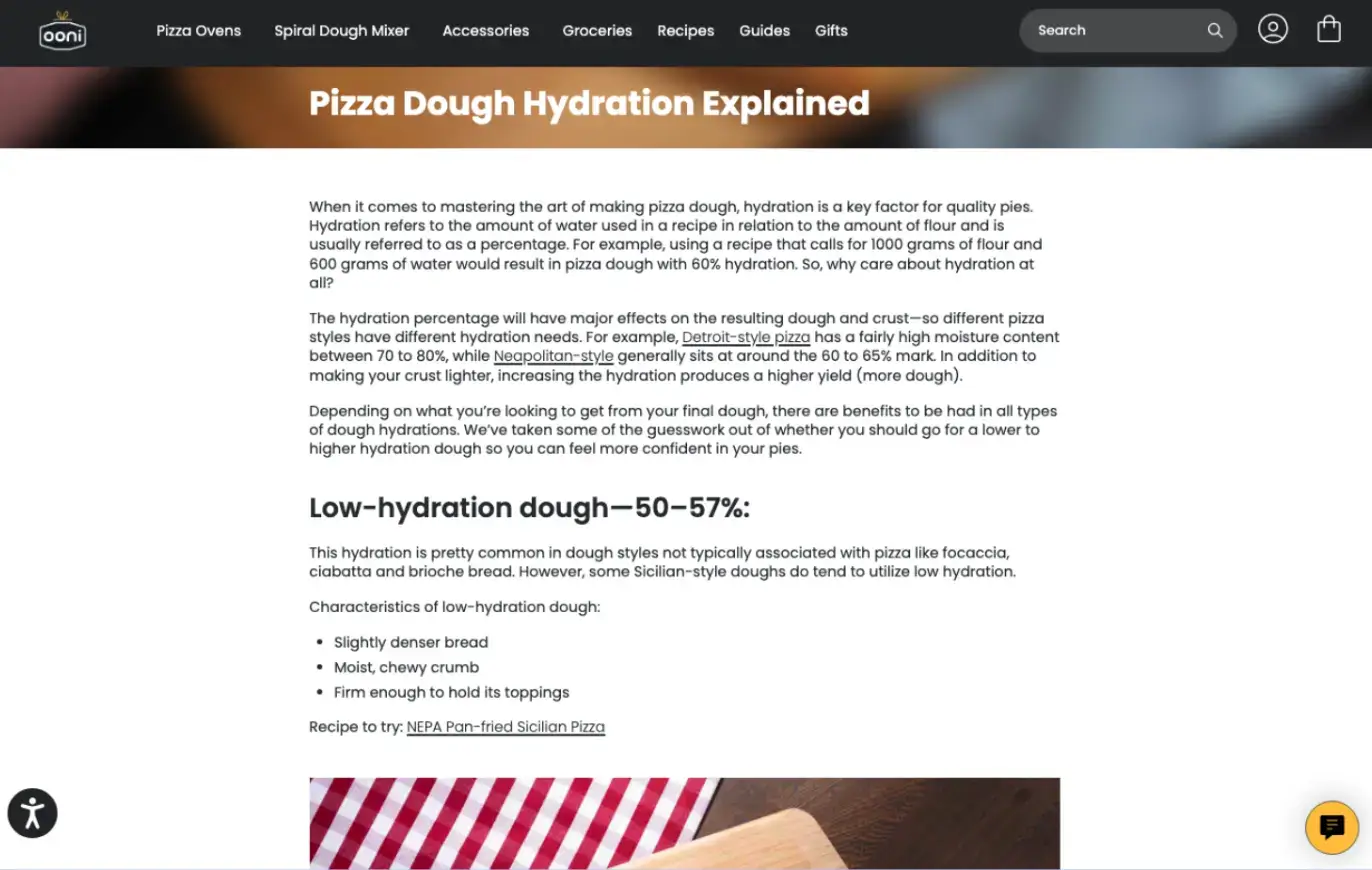
Something as simple as producing high-quality educational content — like the instruction articles on Ooni — is more than enough to provide your audience with unique and relevant value and show your brand’s benevolence.
Moreover, it’s a marvelous way to establish your business as their go-to when they're looking for information, which can slowly increase their purchase intent and make it more likely they’ll choose to buy from your brand once they’re at the appropriate stage of the buyer’s journey.
Source: Ooni
Use Trust Signals to Establish Instant Credibility
Another elementary tactic for earning consumer confidence and convincing more prospects to convert into customers is to use your website to establish credibility through competence.
Essentially, people trust organizations that exhibit the following characteristics:
- They are experts in a relevant field, enabling them to remove consumer pain points effectively.
- They are customer-centric and not solely profit-oriented.
- They act with integrity and deliver a consistent level of quality (both in product quality and the customer experience).
So, if you want to earn customer trust (and use it to boost sales), it’s a great idea to utilize proof elements that can convince your target audience of your brand’s credibility.
By incorporating a variety of trust badges into your web design (and your online presence, in general), you can effectively communicate competence and trustworthiness and encourage your audience to progress through the buyer’s journey toward a purchase.
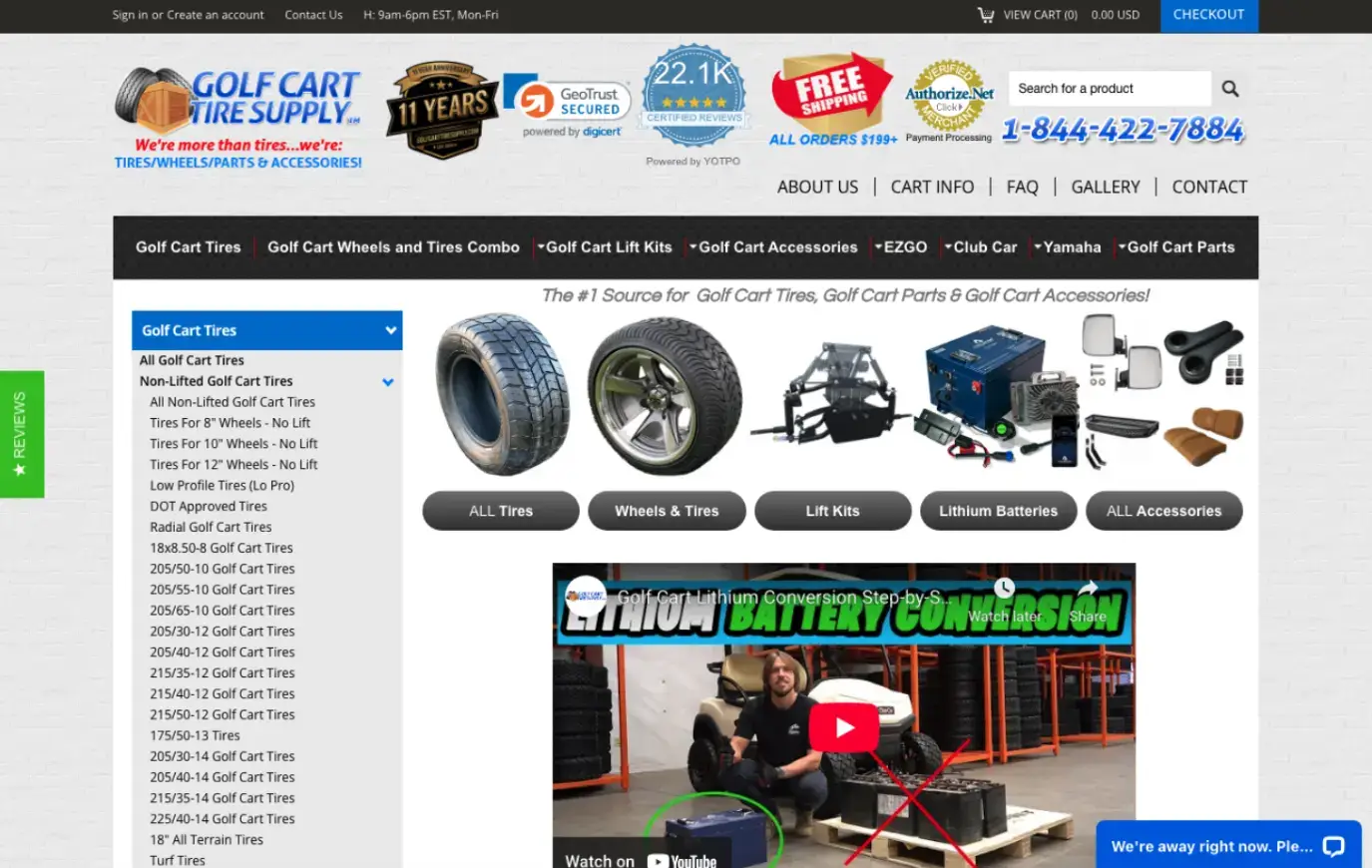
For example, check out the Golf Cart Tire Supply homepage. This brand understands the importance of reliability in its market.
That’s why it populates its ecommerce website with a number of visual trust badges, showing new leads that the team has experience (over 11 years of it, to be exact), that the business has 22.1k certified reviews, that it uses secure payment processing, as well as that the website is protected by a GeoTrust SSL/TLS certificate (meaning it uses an encrypted connection and keeps user data safe).
Source: Golf Cart Tire Supply
Strengthen Claims with Third-Party Certifications
In the same vein that trust badges establish credibility by communicating expertise, third-party certifications build customer confidence by supporting your claims with research or backing by institutions people already trust.
This format of social proof is effective for several reasons.
For starters, it adds leverage to popular claims (like sustainability or social commitment). Secondly, it reduces the perceived risk associated with conversion. And finally, it signals a certain level of accountability. After all, not everyone can qualify for B Corp status.
Additionally, consumer research found that shoppers genuinely care about this type of social proof.
Additionally, many consider this type of information to be a sign of transparency, which 81% of shoppers find important.
If you operate in low-trust or competitive industries where standing out as the most credible option in the market could help you drive more sales, using third-party certifications is an excellent way to earn customer confidence.
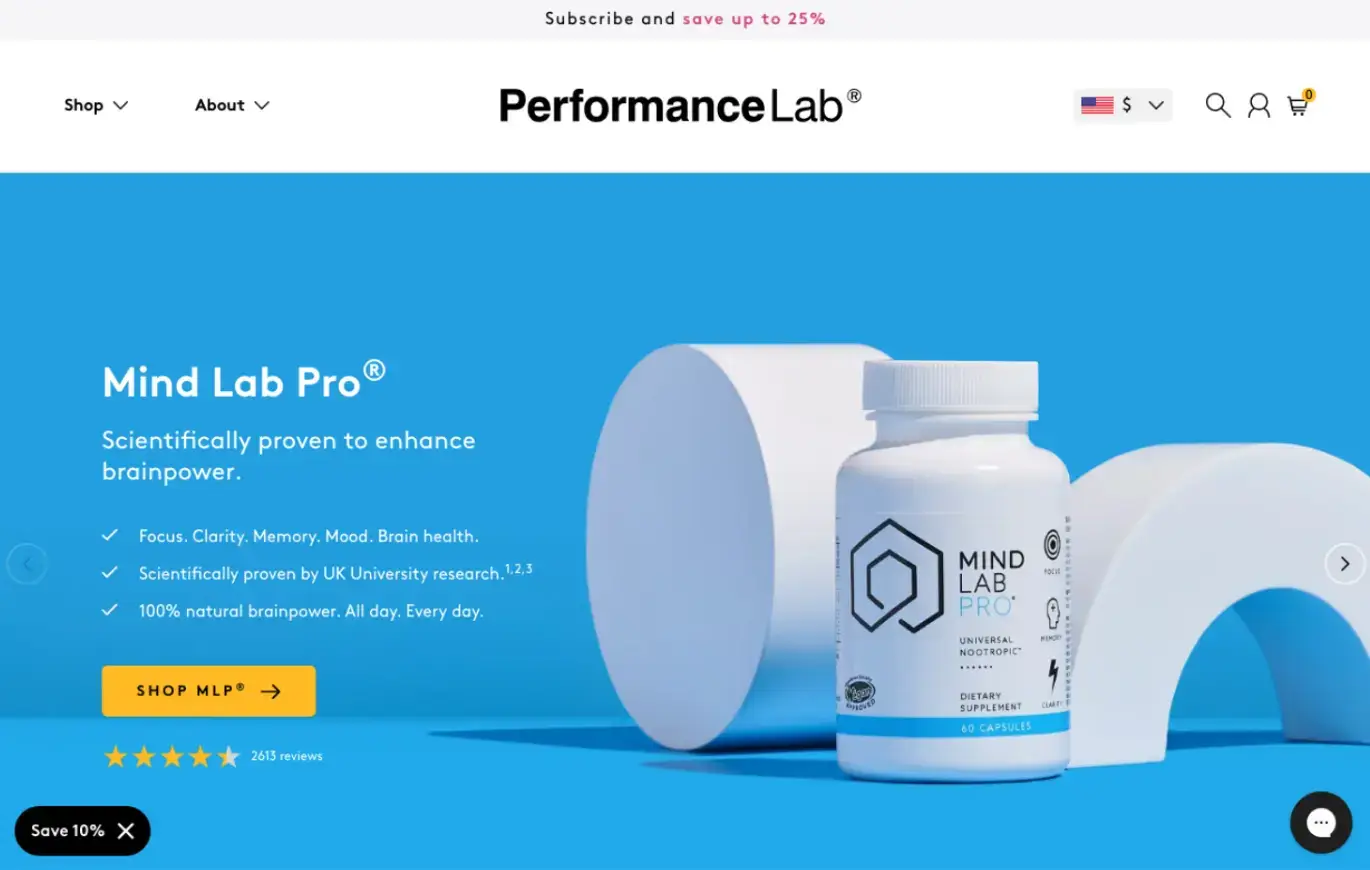
Check out how Performance Lab does it: it includes clickable reference links right next to its claim, stating that its products are scientifically proven by UK University research.
Source: Performance Lab
Leverage Authentic User-Generated Content (UGC)
One of the most commonly overlooked facts about earning customer trust is that consumers don’t automatically trust brand claims.
According to research from Edelman, people’s mistrust and fear of being lied to (by government leaders, businesses, and reporters) is at an all-time high. And they’re not as willing to believe in claims as they once were.
This doesn’t mean you can’t earn customer confidence and convince your prospects to convert. Instead, you have to know how to build credibility and drive purchase intent effectively.
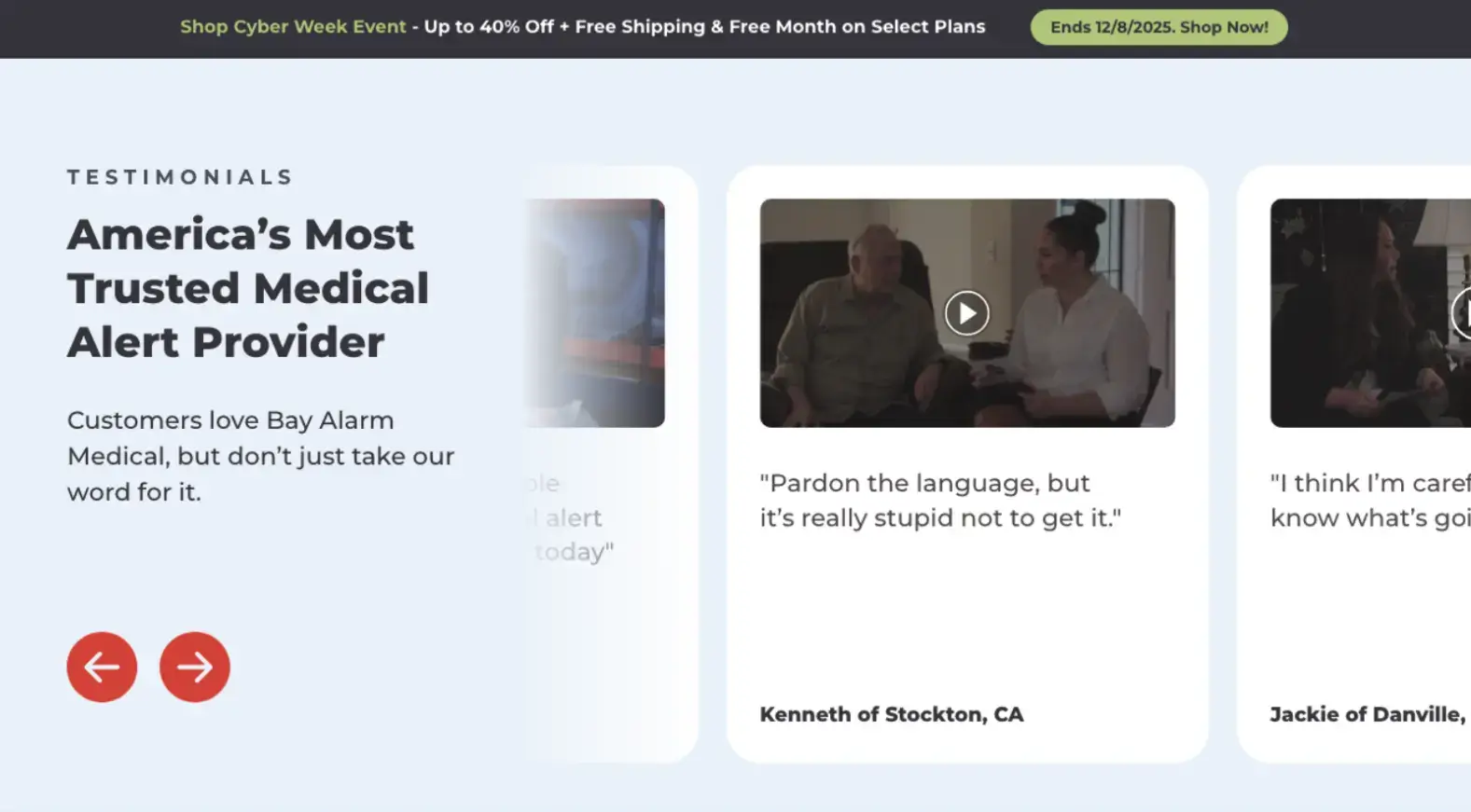
The one thing to keep in mind when exploring opportunities to incorporate UGC into your online presence is to make it as authentic and unfiltered as possible. The customer interviews on the Bay Alarm Medical homepage are a great example.
Of course, you could also source and embed content directly from social media if that works better for your business and target audience.
Source: Bay Alarm Medical
Reduce Buyer Uncertainty Through Product Understanding
Finally, as you explore strategies to earn customer confidence and to drive more sales, it’s essential that you understand why shoppers stall in the sales funnel.
In most cases, a failure to convert comes down to uncertainty. Sometimes, buyers aren’t sure that a particular product is the right choice for them. Other times, they don’t feel competent enough to make a smart and future-proof buying decision.
When aiming to nurture such leads into customers, your top priority should be to present them with non-aggressive, highly personalized messaging that demonstrates why your product delivers the type of value they seek.
In many cases, the best way to do this is to incorporate product understanding-boosting content into your online presence.
In fact, something as elementary as a How it Works section — like the one on Custom Sock Lab — is more than enough to communicate to your leads that they are, indeed, in the right place to solve their pain points.
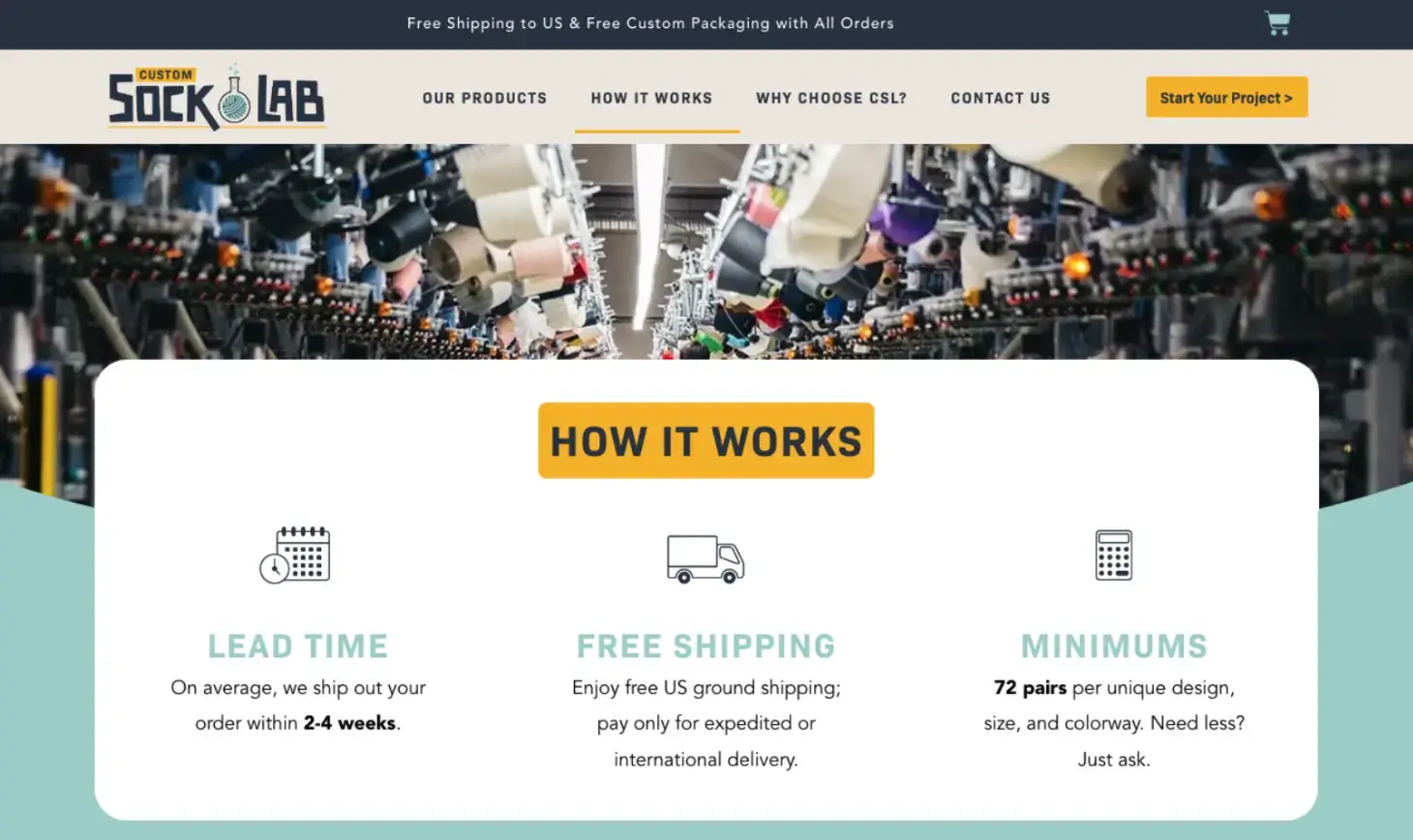
Source: Custom Sock Lab
Final Thoughts
As you can see, there are many ways to earn customer trust and nudge your prospects closer to conversion.
The ideal strategy will, of course, depend on your target audience’s identity and preferences.
However, by focusing on the foundations of trust — proving your expertise, building familiarity, prioritizing customer value, and ensuring product understanding — you can effectively establish your brand’s credibility and convince more consumers to choose your brand and invest in your products.
Frequently Asked Questions About Building Trust
Isn’t Traditional Social Proof Enough?
Technically, it can be. But here’s the deal. All of your competitors are probably already using reviews and ratings to earn customer confidence. So, while you can add these to your trust-building repertoire, it is also a good idea to experiment with more advanced confidence-boosting tactics.
What’s the Best Way to Source UGC?
While there are many tactics for getting your customers to talk about your products, there are a few simple tricks to encourage more UGC for marketing. For starters, allow buyers to upload images and videos when submitting reviews. Encourage your online community to post their impressions about your offer (unboxing videos and similar content). And don’t underestimate the power of an attractive incentive — rewarding your customers in return for UGC gives both parties a win.
Where Should Trust Badges Be Placed?
Yes. When positioning these elements, consider the one that will have the greatest impact on your visitors. This includes high-traffic sections of your homepage or landing pages (such as the header or hero section). Additionally, try to include trust elements in areas where your prospects are likely to make purchase decisions — near CTAs or on product pages.
How Do I Know What Content My Audience Values?
Seeing that familiarity and benevolence both drive trust, investing in high-value content can be an effective way to earn customer confidence. However, if you’re not sure what your potential customers enjoy, the best thing you can do is experiment. Identify your audience’s primary pain points and explore opportunities to solve them. Additionally, consider producing highly engaging content that showcases your expertise, whether that includes giving general advice, answering customer questions, or conducting and publishing original research on topics your competitors haven’t covered.

Author Bio
Natasha Lane is a writer with more than a decade of experience in design, branding, digital marketing, and business growth. Outside of work, she enjoys art in all its forms and the occasional grilled tofu.