
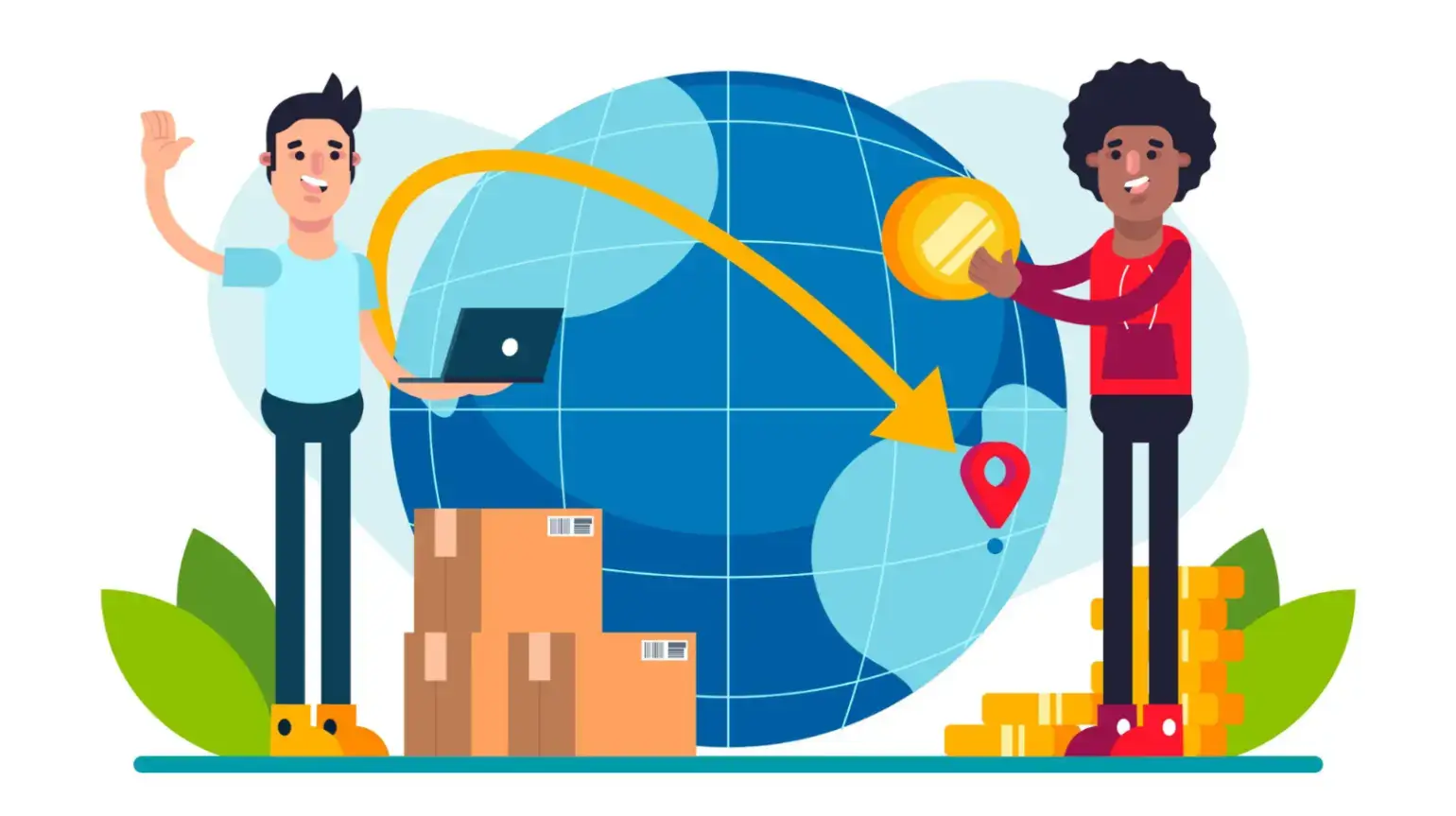
Most "global traffic" doesn't fail because of product quality; it fails because of uncertainty. What will I pay? When will it arrive? Can I return it? These questions stand between your international visitors and your checkout button.
With roughly 70.19% of online shopping carts abandoned on average, and unexpected costs triggering 48% of cart abandonments, the stakes couldn't be higher for ecommerce businesses targeting international markets.
In this article:
- What Localization Elements Actually Increase Conversions?
- The Ranked Localization Elements by Conversion Impact
- Why Currency, Shipping, and Returns Outperform Translation Alone
- Implementation Roadmap: What to Build First
- Real-World Insights from Ecommerce Merchants
- The International Conversion Rule: Certainty Wins
The global cross-border ecommerce market, valued at approximately $477.51 billion in 2024, represents a massive opportunity.
Yet conversion rates tell a sobering story: the average conversion rate of e-commerce businesses equals 1.65%. When international buyers encounter unexpected costs, unfamiliar payment methods, or unclear delivery timelines, they simply leave.
Localization isn't a nice-to-have; it's a trust engine that transforms hesitant browsers into confident buyers.
What Localization Elements Actually Increase Conversions?
To understand which localization elements deliver the biggest conversion lift for international visitors, we analyzed performance data across multiple markets, including the EU, UK, North America, and Africa/MEA.
The goal: rank localization elements by their actual impact on conversion rates, cart completion, and customer confidence.
Our methodology tracked five key metrics across product pages and checkout flows: conversion rate, add-to-cart rate, checkout completion rate, bounce rate, and post-purchase contact rate.
Each localization element was scored on conversion lift, impact on cart abandonment, implementation effort, and risk reduction.
The Ranked Localization Elements by Conversion Impact
1. Currency & Pricing Clarity (Highest Impact)
Average Conversion Lift: 30-40%
Local currency display emerged as the single most powerful conversion driver.
92% of global shoppers prefer to purchase items from sites that display prices in their local currency, and 49% of surveyed US and UK consumers would abandon the purchase altogether if they couldn't use their own currency.
Beyond currency symbols, pricing clarity means showing the total landed cost upfront. Unexpected extra costs, including shipping fees, taxes, and duties, are the most common reason shoppers abandon carts.
According to Baymard Institute's 2024 research, 48% of online shoppers abandon carts due to unexpected costs, making transparent pricing non-negotiable.
Best Practice:
Display prices in local currency from the first product view. Include VAT, duties, and import fees in the displayed total. Use dynamic pricing that accounts for regional shipping costs and taxes.
If you only do one thing:
Implement automatic currency detection and display with clear "all fees included" messaging at checkout. This single change addresses the primary friction point for international buyers.
2. Shipping Certainty (Delivery Time, Cost, Tracking)
Average Conversion Lift: 25-35%
Delivery uncertainty kills international conversions.
Shoppers need three pieces of information before they'll complete a purchase: delivery time estimate, shipping cost, and tracking expectations.
International buyers especially value delivery tracking, a critical factor influencing cross-border purchase decisions.
62% of consumers won't spend with a retailer without free shipping, and 47% are willing to spend the minimum amount to get it.
Without clear delivery timelines, buyers hesitate. With transparent shipping information and country-specific delivery estimates, conversion rates climb significantly.
Best Practice:
Show delivery ETA by country on product pages. Display shipping costs before checkout. Mention local carrier names when possible to build familiarity and trust.
Quick Win:
Add a shipping calculator on product pages that shows estimated delivery dates and costs based on the visitor's location.
3. Returns & Refunds Trust (Risk Reduction)
Average Conversion Lift: 20-30%
Returns policies directly address purchase anxiety.
For international buyers, the question "What if I need to return this?" carries extra weight because of higher return shipping costs and greater complexity.
A clear, localized returns policy reduces perceived risk and builds the confidence needed to complete a purchase.
When shoppers understand the return window, process, and who pays for return shipping, they feel more confident clicking "buy." The easier you make returns, the more likely international customers are to take on the initial purchase risk.
Best Practice:
Display returns information in the local language with region-specific policies. Specify return windows clearly (e.g., "30-day returns in EU"). State whether returns are free or paid and provide local return addresses where possible.
Implementation:
Create a dedicated returns page for each market with clear, concise information. Link to it prominently from product pages and checkout.
4. Payment Method Localization (Market-Specific)
Average Conversion Lift: 15-25%
Payment preferences vary dramatically by market.
Stripe reports that businesses offering additional relevant payment methods saw an average 7.4% increase in conversion and a 12% lift in revenue in 2024.
Digital wallets now account for about half of global e-commerce transactions, but wallet preferences vary widely by region.
In the Netherlands, supporting iDEAL increases conversion by 39%. Regional payment methods aren't optional; they're essential for market penetration.
Best Practice:
Research payment preferences by target market. Offer credit cards plus regional favorites (PayPal in the US/EU, Alipay in China, iDEAL in the Netherlands, BNPL options globally).
Strategic Priority:
Focus on the top 3-5 payment methods in each market rather than supporting every option globally.
5. Language & Microcopy Localization (Foundation Layer)

Source: Freepik
Average Conversion Lift: 15-20%
Professional translation matters, but it's particularly critical in checkout flows. Error messages, form labels, size charts, and address formats must feel native to inspire confidence.
Research shows that 76% of online shoppers prefer to buy products with information in their native language, and 40% will never buy from websites in other languages, making translation a baseline requirement rather than an optimization.
At the same time, AI translation workflows have matured beyond “pick one engine and hope.” Consensus-based approaches can reduce the risk of obvious misfires and minimize the manual effort required to compare multiple model outputs.
However, machine translation has evolved significantly. Consensus-based systems like SMART on MachineTranslation.com compare outputs from multiple AI engines (reported as 22 in launch coverage) and select the version the majority agrees on per sentence; in internal evaluations cited in the same coverage, this approach reduced visible AI errors and stylistic drift by roughly 18–22% versus relying on a single engine.
Best Practice:
Translate the entire checkout flow, including error messages. Localize date formats, address fields, and size charts. Use professional or advanced AI translation for customer-facing content.
Cost-Effective Approach:
For businesses with limited budgets, prioritize translating checkout flow and product pages before marketing content. These have the highest conversion impact.
6. Local Proof & Trust Signals (Social Validation)
Average Conversion Lift: 10-18%
Reviews from buyers in the same region carry more weight than generic testimonials. When a French shopper sees reviews from other French customers, or a Brazilian buyer sees local trust badges, perceived risk decreases.
Best Practice:
Filter and display reviews by buyer location. Add region-specific trust badges (e.g., Trusted Shops for Germany). Provide localized customer support contact options, including local phone numbers or WhatsApp, for regions where it's popular.
Low-Effort Tactic:
Even if you can't filter reviews by region, translate existing reviews into the local language to demonstrate international customer satisfaction.
Why Currency, Shipping, and Returns Outperform Translation Alone
The data reveals a clear pattern: international buyers can tolerate a partially translated site, but they won't tolerate pricing uncertainty, shipping surprises, or unclear return policies.
These three elements directly address the biggest conversion killers:
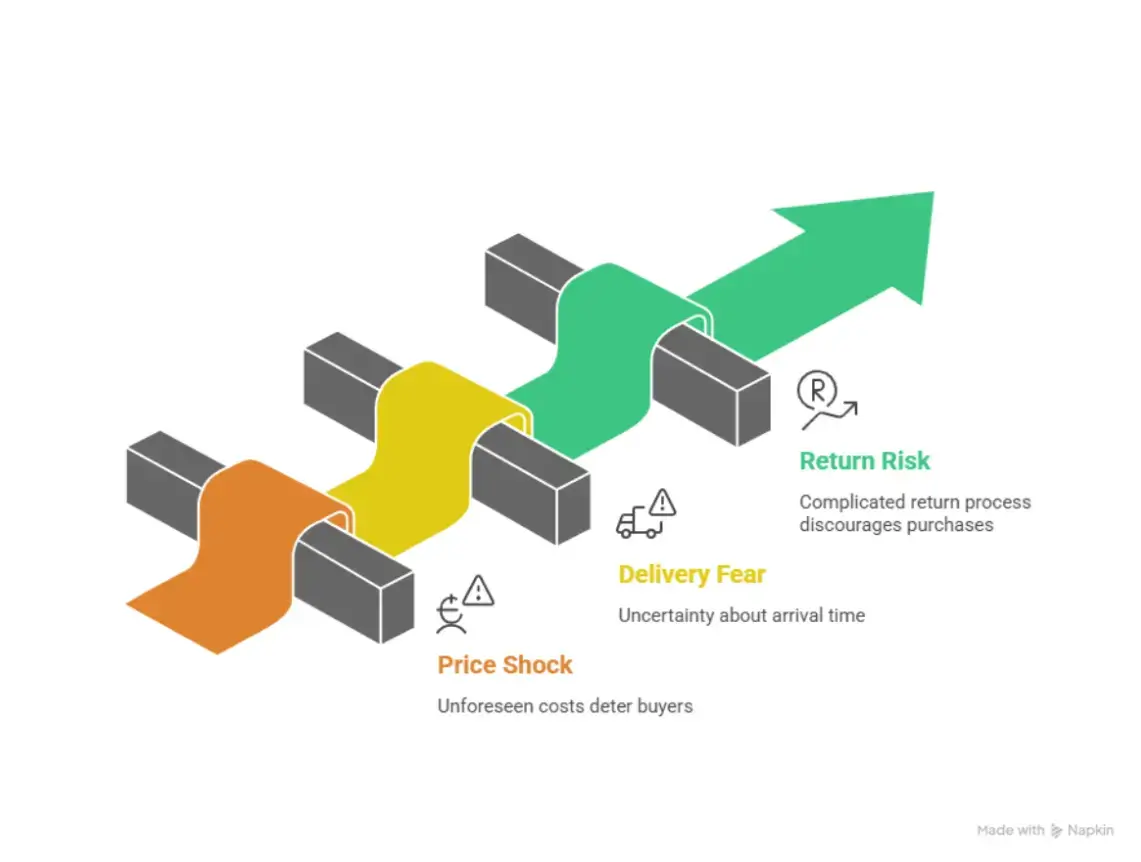
Translation creates familiarity, but certainty creates conversions. A perfectly translated site with hidden costs converts worse than a partially translated site with full pricing transparency.
Implementation Roadmap: What to Build First
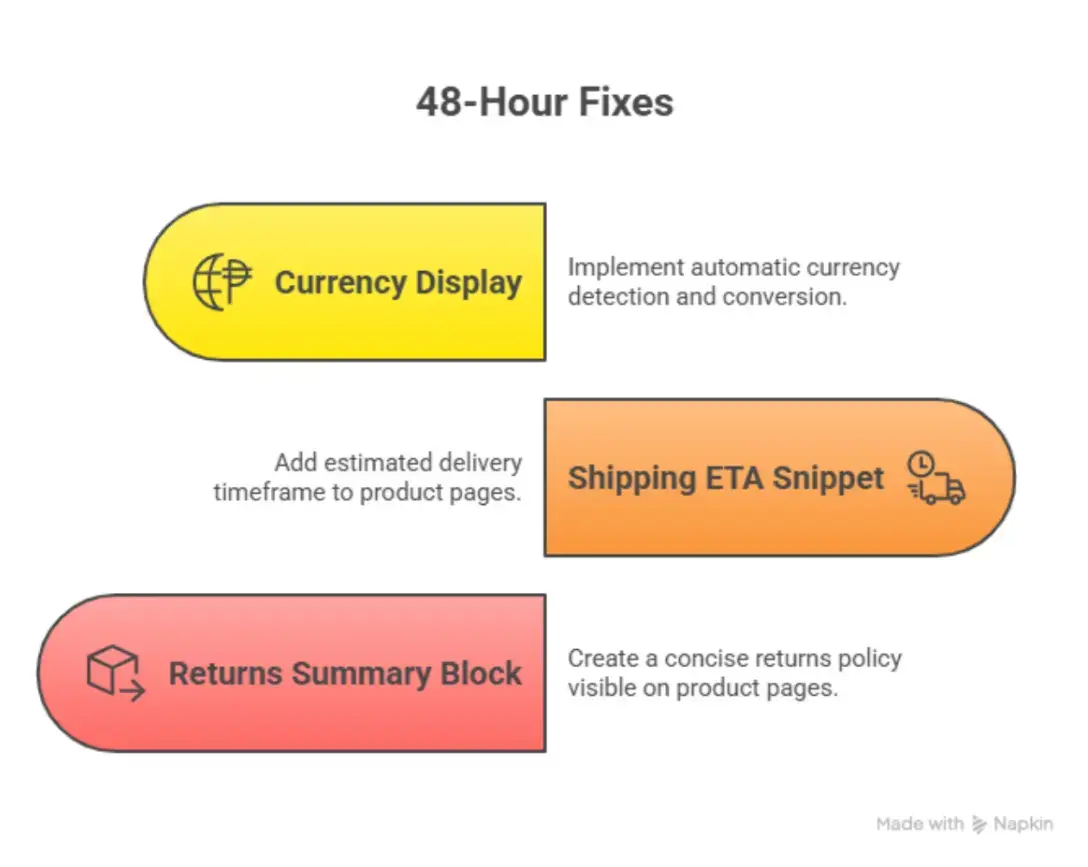
These changes require minimal development but deliver immediate conversion improvements.
High-Impact, Low-Effort Changes (1–2 Weeks)
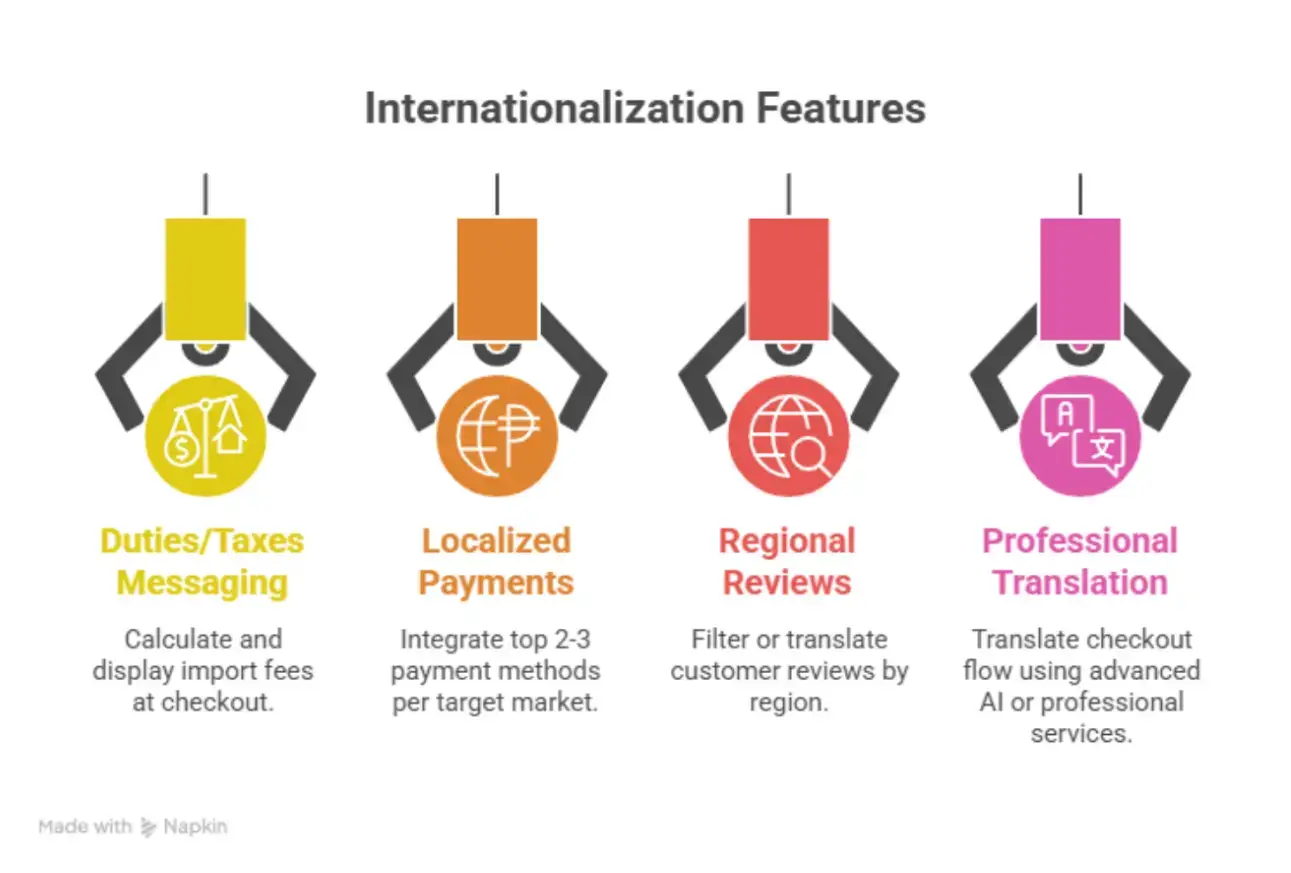
Advanced Localization Investments (Long-Term)
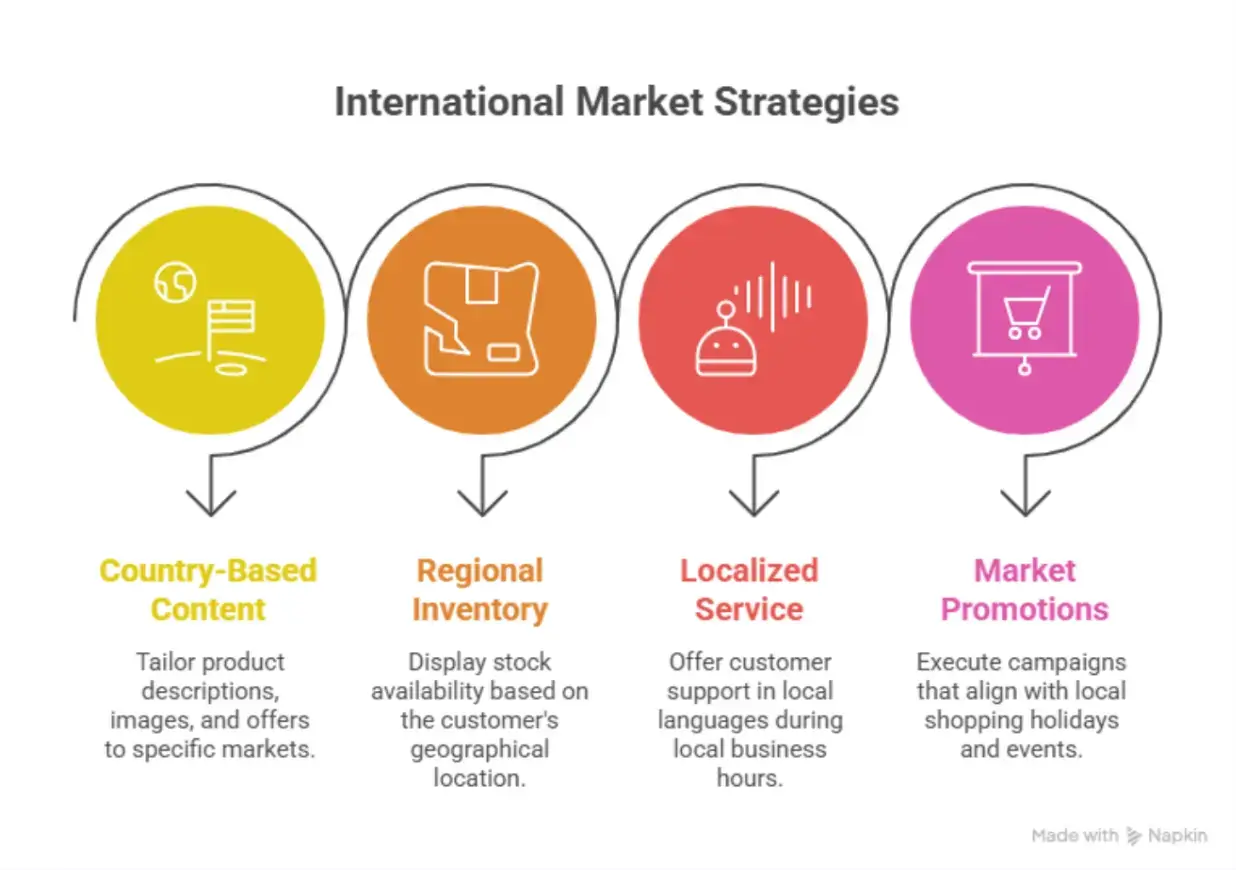
Real-World Insights from Ecommerce Merchants
Ecommerce merchants share common challenges when expanding internationally. Discussions across communities reveal that businesses often underestimate the impact of transparent shipping costs until they see the data.
A relevant discussion on r/ecommerce explores cross-border shipping strategies, with merchants reporting that simply showing shipping costs earlier in the funnel, before the cart page, significantly reduces abandonment.
Similarly, currency confusion remains a persistent issue. Merchants report that even small businesses shipping to 10+ countries see measurable conversion improvements when switching from USD-only pricing to automatic local currency display.
The International Conversion Rule: Certainty Wins
International buyers don't need perfect localization everywhere. They need certainty at the moment of decision. The winning formula prioritizes:
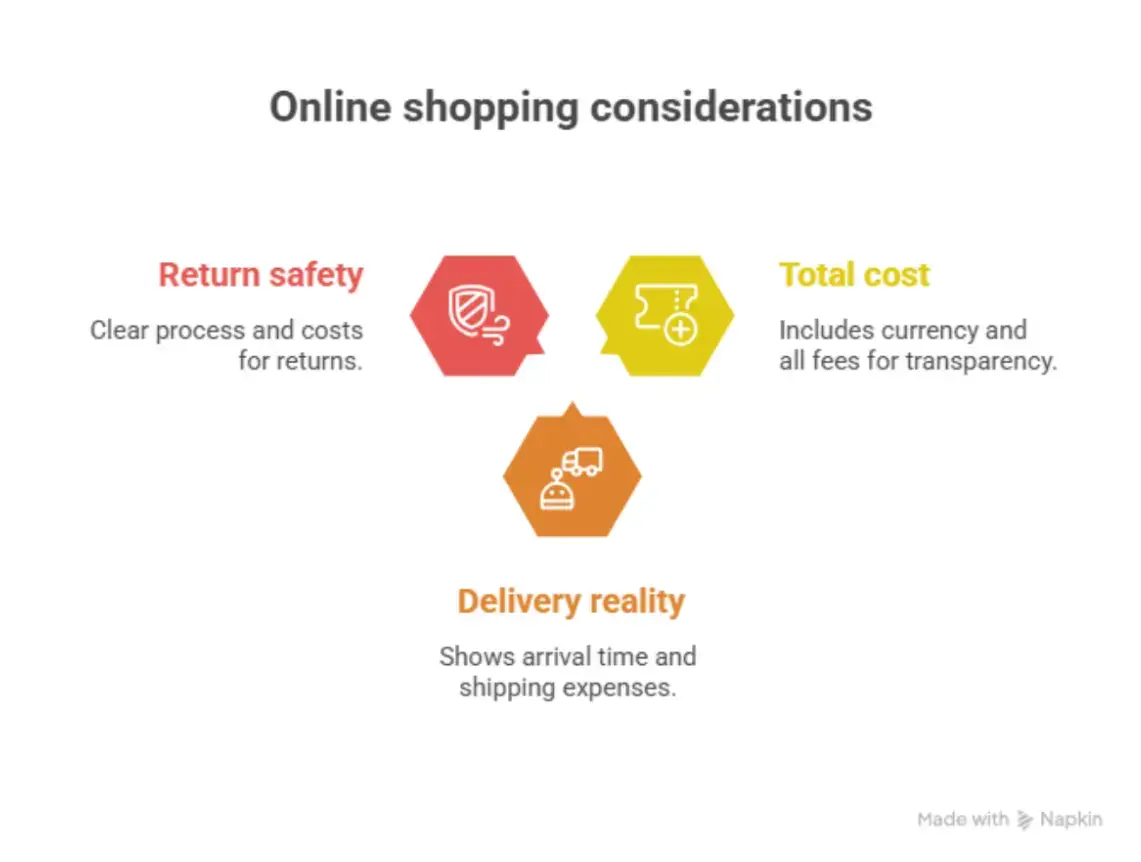
Get these three elements right, and you'll convert international traffic at near-domestic rates. Neglect them, and even a perfect translation won't save your conversion rate.
For businesses serious about international growth, the path forward is clear: start with pricing transparency, add shipping clarity, secure the returns process, then layer on payment options and language support.
This sequence maximizes conversion lift per hour of implementation.
How to Improve Your International Checkout Experience
As you optimize your international checkout, consider how other site elements contribute to conversion.
Our guide on building effective website forms can help you streamline your checkout process, while understanding website analytics ensures you're tracking the right metrics to measure localization success.
The international buyer benchmark is clear: address uncertainty first, optimize experience second.
When international visitors know exactly what they'll pay, when they'll receive it, and how to return it, conversion stops being a challenge and becomes a predictable outcome.
Ready to optimize your international conversions? Start with transparent pricing, add shipping certainty, and build trust through clear returns policies.
These three elements alone can dramatically improve your international conversion rate, +no perfect translation required.
Frequently Asked Questions
1. What localization element has the biggest impact on conversions?
Currency and pricing clarity have the greatest impact on conversion. Displaying prices in local currencies, including taxes and duties upfront, reduces cart abandonment and builds trust with international buyers.
2. How do I reduce cart abandonment from international shoppers?
Focus on transparency. Clearly show shipping costs and estimated delivery times before checkout. Also, include detailed return policies to reduce perceived risk and increase confidence.
3. Is translation more important than pricing and shipping clarity?
Translation helps, but it's not the top priority. International customers are more likely to convert on a partially translated site with clear pricing and shipping than on a perfectly translated site with hidden costs.
4. What payment methods should I offer globally?
Go beyond credit cards. Offer region-specific payment options such as iDEAL (Netherlands), Alipay (China), and PayPal (US/EU). These increase conversion and trust by aligning with customer preferences.
5. How should I localize returns for international markets?
Clearly explain return windows, who pays for shipping, and where returns should be sent. When possible, offer local return addresses or free returns to reduce friction.

Author Bio
Shiela May Esquejo is a Content Manager at Tomedes, where she works on content and product-focused initiatives covering localization, AI translation, and international growth strategies for global businesses.