
If you run a SaaS product, you’ve probably seen that your site starts ranking for more keywords, organic traffic goes up month after month, and the SEO reports look great.
But when you check the numbers that actually matter — product signups, demo requests, or free trial users — the impact is much smaller than expected.
A lot of SaaS companies are dealing with the same problem right now: plenty of traffic, but very little conversion.
The reason is simple. Much of the traffic SaaS websites attract comes from people who are only researching or learning about a topic. They read the article, maybe bookmark it, and leave. They were never looking for a tool in the first place. That gap between visibility and real demand is where many SEO strategies fall short.
In 2026, SaaS SEO needs to be much closer to the buying journey.
The goal is to reach people who are already exploring software options, comparing products, and deciding which tool fits their needs. When your pages appear during that stage of research, organic search becomes far more valuable.

1. Build High-Intent Bottom-of-Funnel Content
One mistake many SaaS teams make is spending months publishing informational blog posts while giving far less attention to pages that actually attract buyers. The result is usually the same.
Traffic goes up, dashboards look better, but signups barely move. That happens because much of that traffic comes from people who are still learning, not people who are close to choosing a tool.
High-intent content focuses on people who are already evaluating solutions. These are searches where someone is comparing tools, looking for alternatives, or trying to figure out which software is worth paying for.
When someone types queries like that, they are much closer to making a decision.
That is why this type of SEO content tends to perform better from a business standpoint. It may not always bring the biggest traffic numbers, but it usually brings visitors with much stronger commercial intent.
A person searching “best CRM for startups” or “top invoicing software for freelancers” is not casually browsing. They are actively looking for a solution.
There’s also a strong opportunity here from a ranking perspective.
According to research from Backlinko, the first result in Google receives about 27.6% of all clicks, which shows how valuable it is to rank for searches where buyers are actively evaluating products.
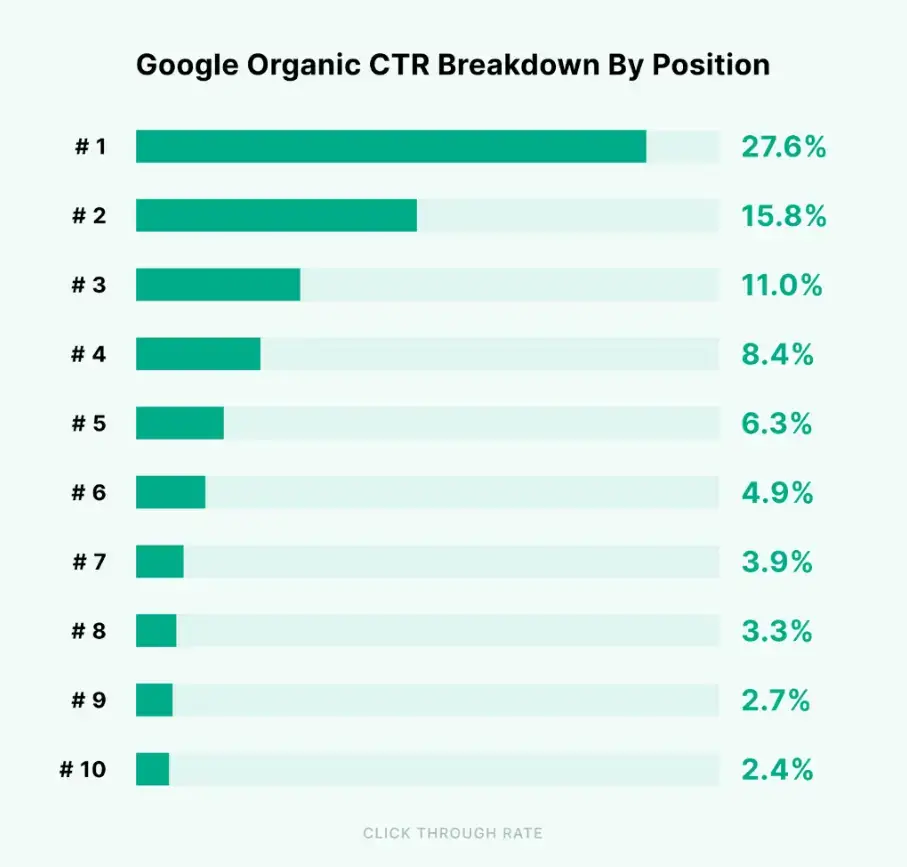
Source: Backlinko
That makes the quality of these pages even more important. If you can earn visibility for high-intent keywords, you are not just getting traffic; you are getting high-intent traffic.
You are getting access to the exact people most likely to convert.
What works best here is creating pages that genuinely help people compare and evaluate tools. Focus on content that answers the questions buyers ask right before choosing a product.
Clear comparisons, honest pros and cons, use-case fit, and realistic expectations all help. When those pages are useful, practical, and trustworthy, they do more than just bring traffic. They bring visitors who are already thinking about signing up.
2. Create Product-Led SEO Pages
Another approach that works extremely well for SaaS companies is building SEO pages around how the product is used in real situations.
Many SaaS websites publish plenty of industry content, but very few pages actually show how their software solves a specific problem. That gap costs them conversions.
Think about how people search for software when they need it. They rarely type something broad like “what is project management.” More often, they describe the exact situation they are dealing with.
Someone might search for a CRM for startups, invoicing software for freelancers, or task management software for remote teams.
These are not top-of-funnel curiosity searches. These are problem-specific searches coming from people who already know they need a tool.
That is where product-led SEO pages become powerful. These pages are built around a specific problem, audience, or workflow, and then show how the product solves it.
Rather than sending someone to a general article, you take them to a page that feels directly connected to their search.
This works because it shortens the gap between search intent and product understanding. The visitor does not have to dig through blog posts and then figure out how the tool applies to them. The page already makes that connection. It speaks to their exact use case and shows how the software fits.
When someone lands on a page that clearly explains their problem and immediately shows a working solution, the path to trying the product becomes much shorter. It feels less like marketing and more like a useful recommendation.
That is why these pages often convert better than broad educational content.
3. Capture Comparison and Alternative Searches
When people start comparing tools, they are usually very close to making a decision. At that stage, they’re no longer just exploring a topic. They’re actively trying to figure out which product fits their workflow, budget, or team.
That’s why comparison and alternative searches are some of the strongest opportunities in SaaS SEO.
Searches that include terms like “vs,” “comparison,” “alternatives,” or “best” usually come from users who are evaluating different options.
Someone searching for comparisons between two tools is already aware of the category and is likely deciding which platform fits their needs.
These users are far more likely to sign up for a trial or request a demo compared to someone reading a general educational article.
Data shows that around 77% of B2B buyers say their latest purchase was very complex or difficult, which means buyers spend a lot of time comparing products before making a final decision.
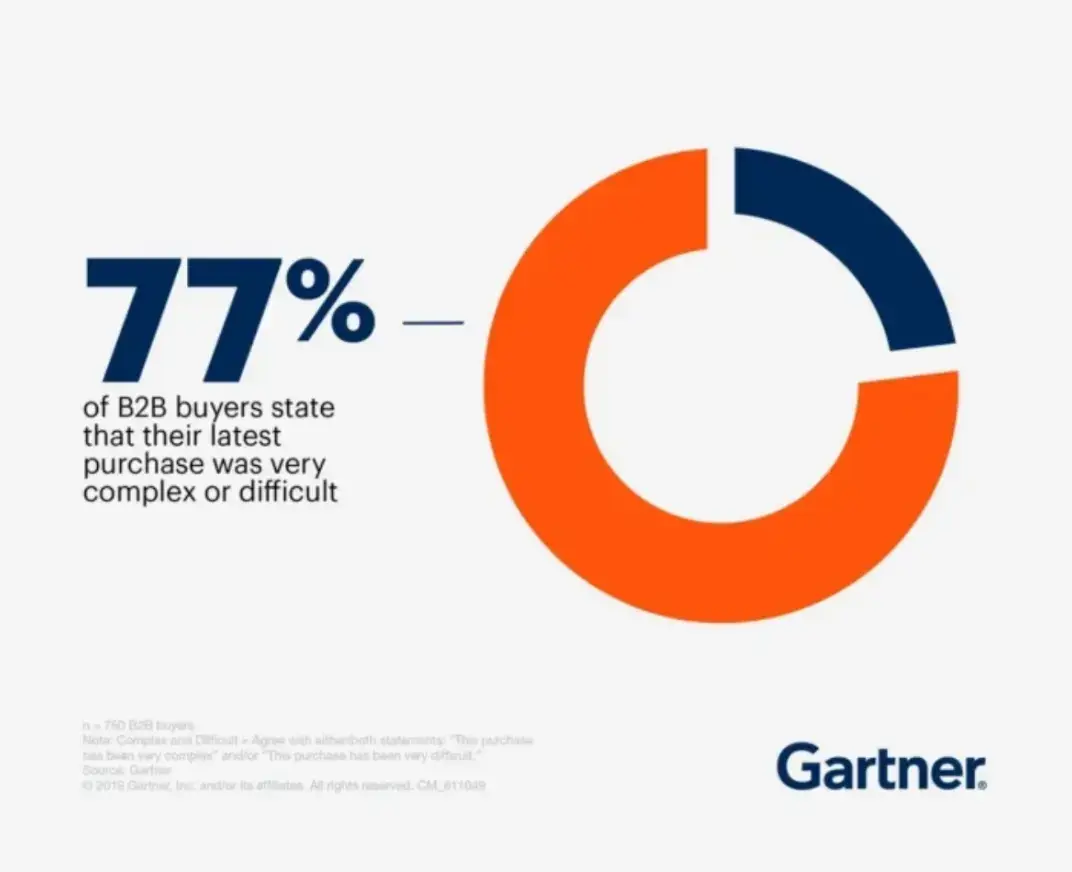
Source: Neil Patel
That comparison stage is exactly where SaaS companies should aim to appear.
Well-structured comparison pages can help users understand the differences between tools, highlight their strengths, and explain which type of customer each product best suits.
When written honestly and transparently, these pages build trust rather than feeling like sales material. Readers appreciate clear explanations that help them make a decision instead of overly promotional content.
4. Build Authority Through Digital PR and Editorial Mentions
Search engines and AI-driven search tools now place a lot of emphasis on trust. Publishing content on your own website is helpful, but it is rarely enough on its own.
Strong credibility usually grows when other trusted websites mention your brand. Once respected publications start talking about a product, it signals that the company is established, relevant, and recognized beyond its own marketing.
Editorial mentions on well-known websites help create that trust.
When a SaaS product appears in expert roundups, industry blogs, or software recommendation lists, it shows that the tool is being discussed outside its own website. These mentions often include backlinks, and those links still play a big role in rankings.
In fact, a study of 11.8 million search results found that the #1 result in Google usually has about 3.8× more backlinks than pages ranking in positions 2–10.
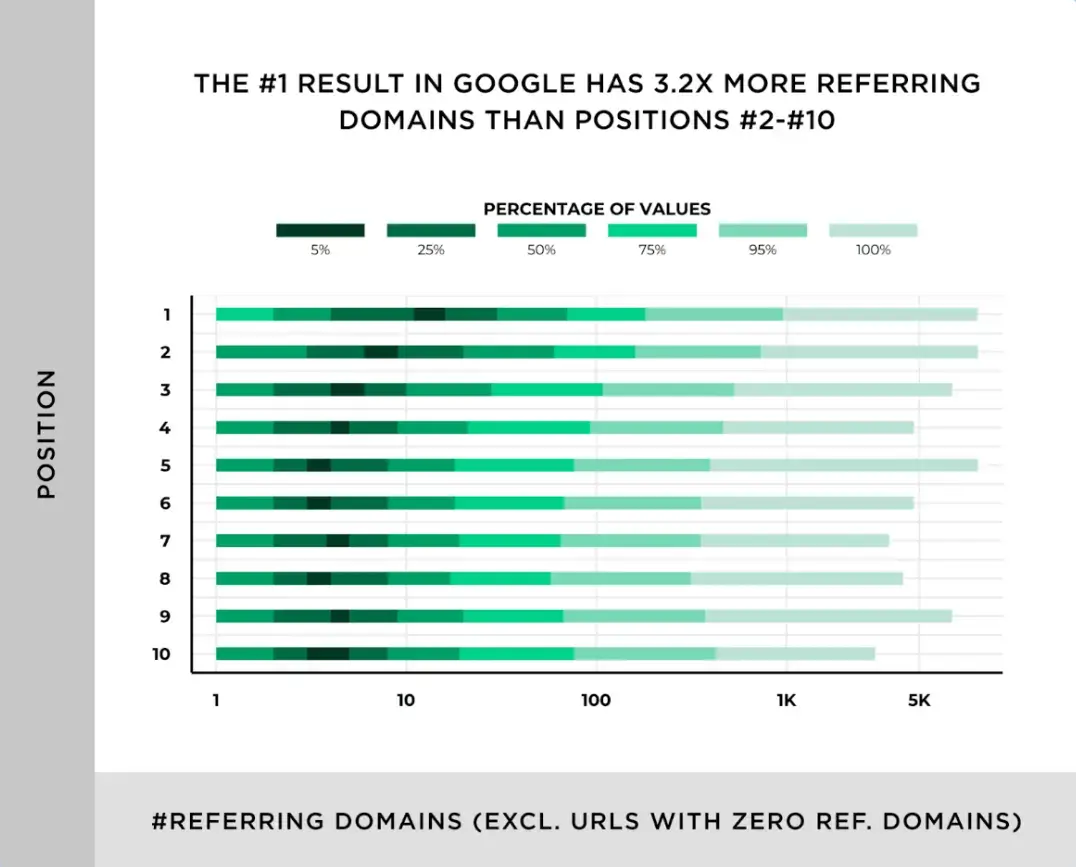
Source: Backlinko
Digital PR is one of the strongest ways SaaS companies earn these mentions. By sharing expert insights, quotes, or useful data with journalists and writers, companies can get included in industry articles and reports.
5. Optimize for AI Search and Recommendation Engines
More people are now discovering software through AI tools rather than relying solely on traditional search results.
Someone might open ChatGPT, Perplexity, or another AI assistant and ask a simple question like “What are the best CRM tools for startups?” or “Which project management tool is good for small teams?”
Rather than reading ten separate blog posts, they often get a short list of suggested products right away.
This change affects how SaaS companies think about SEO. It’s also about whether your product shows up in the places AI systems look for information.
These systems often rely on trusted websites, software comparison pages, expert roundups, and well-known publications when suggesting tools.
When a SaaS product is mentioned across several respected websites, it becomes easier for search systems to understand the product's category and the problem it solves.
If a tool keeps appearing in articles about “best help desk software” or “tools for remote team management,” that repeated context helps connect the brand to those use cases.
6. Turn Free Tools and Templates Into SEO Growth Engines
One strategy that has worked very well for many SaaS companies is creating free tools or templates that help people complete a small task.
Instead of only publishing articles, companies build something visitors can actually use. These pages often attract steady traffic because people search for tools they can use right away.
Examples include calculators, generators, checklists, templates, or simple planning tools. Someone might search for a marketing budget template, a pricing calculator, a headline generator, or a project planning sheet.
These searches usually come from people trying to solve a problem quickly, which makes tool pages very attractive.
Free tools also keep visitors on the page longer because they are interacting with something instead of just reading.
While using the tool, visitors naturally learn about the product behind it. The tool handles a single small task, while the product demonstrates how it can manage the larger process.
7. Strengthen Conversion Paths on High-Traffic Pages
Many SaaS websites already have pages that attract significant organic traffic, but those visitors often leave without taking any action.
This usually happens because the page was written only to answer a question, not to guide the reader toward trying the product.
Instead of creating new content immediately, it is often more effective to review your existing high-traffic pages.
Look for articles that already rank well and bring visitors every month. Then ask a simple question: What should a reader do next after reading this page?
Sometimes the fix is small. Adding a short product walkthrough, a practical use case, or a clear call to try the tool can make a big difference.
If someone reads an article about solving a problem, showing how the product handles that same problem can naturally move them closer to a trial.
Even simple improvements can help. Clear CTAs, product screenshots, short demo videos, or contextual links to product pages can guide readers toward the next step.
When the content naturally connects to the product, visitors do not feel pushed into marketing — they feel they have found a useful solution.
8. Align SEO With the Full SaaS Buying Journey
One reason many SaaS SEO strategies struggle to convert is that they focus too heavily on the top of the funnel. Educational content can bring visibility, but it rarely captures users who are already close to choosing a product.
A stronger strategy is to build content that supports every stage of the buying journey. That means creating different types of pages for people who are learning, comparing options, and getting ready to make a final decision.
When these stages are connected clearly, visitors can move through the site more naturally. Rather than reading one article and leaving, they keep exploring and start to see how the product fits their needs.
That flow matters because most buyers do not jump straight from a blog post to a signup. They move step by step.
Final Thoughts: The Future of SaaS SEO
SEO for SaaS in 2026 is less about attracting large volumes of traffic and more about reaching the right users at the right moment.
When someone is researching software, comparing options, or trying to solve a specific problem, that is when SEO has the greatest impact on product growth.
For SaaS teams looking to improve results, the first step is reviewing whether current content truly supports potential buyers.
Identify pages that already attract organic traffic and strengthen them with clearer product context, use cases, and natural paths toward trials or demos.
At the same time, create new pages around comparisons, alternatives, and problem-specific searches where users are actively evaluating tools.
It is also important to build credibility outside your own website through digital PR, editorial mentions, and trusted third-party coverage.
When these efforts work together, SEO becomes a consistent driver of qualified users who are ready to explore your product.
FAQs About SaaS SEO in 2026
1. What is SaaS SEO in 2026?
SaaS SEO in 2026 is the practice of optimizing software-as-a-service websites to rank in both traditional search engines and AI-driven generative engines, focusing on intent-based content that moves users from discovery to product sign-up.
2. How does Generative Engine Optimization (GEO) impact SaaS?
GEO ensures your software is cited as a top solution in AI-generated summaries. By structuring content for "answerability" and clarity, you gain visibility in the AI snapshots that now dominate the top of search results.
3. Why should I focus on “zero-volume” keywords?
Many high-converting SaaS queries are so specific that tools report them as having zero volume. Targeting these hyper-niche pain points allows you to capture buyers who are ready to solve a specific problem immediately.
4. Is backlink building still relevant for SaaS?
Yes, but the focus has shifted to Brand Authority. Instead of bulk links, search engines now prioritize mentions from reputable industry sites, peer review platforms (like G2), and technical documentation that proves your software's legitimacy.
5. How do you measure SaaS SEO success beyond traffic?
Success is measured through Product Qualified Leads (PQLs), trial sign-ups, and demo requests. In 2026, raw traffic is a vanity metric; the real goal is to track how many organic visitors actually activate in your software.
