

Asset tracking has become essential for businesses seeking control over their resources. With technological advancements, companies can now monitor their assets in real-time, allowing better management and reducing losses.
This post explores how a scalable asset tracking system can transform operations and drive success. Modern companies implementing these systems see immediate productivity and cost savings improvements.
The Importance of Asset Tracking
Asset tracking involves monitoring the location and condition of physical items. It helps businesses maintain an accurate inventory, reduce theft, and enhance productivity.
By knowing the precise location and status of assets, organizations can make informed decisions. This leads to improved operational performance and cost savings.
Key Features of Scalable Systems
Scalability is crucial in asset tracking systems, and adhering to IT asset management best practices helps businesses scale smoothly without performance slowdowns.
As your business expands, its needs shift. Your systems should handle the scaling of your small business and scale smoothly without causing significant slowdowns.
Real-Time Monitoring
Real-time tracking provides up-to-the-minute information on asset locations.
Companies with a considerable amount of products on hand really benefit from this, as do businesses that run operations in more than one place. Quick info means your operations stay busy, and you get peak performance from every piece of equipment.

Easy Integration
A scalable system should integrate with existing software. Imagine your numbers talking to each other; you then get a clear, complete picture of all your operations. Compatibility with enterprise resource planning systems and other tools is essential.
Customizable Alerts
Alerts can notify managers of important events, such as unauthorized movements or maintenance schedules. Setting up alerts precisely as needed means vital details get to the correct people immediately. This quick communication dramatically lowers the chance of valuable items being damaged or lost.
Benefits of Scalable Asset Tracking
Implementing a scalable asset tracking system offers numerous advantages. These benefits go beyond simple inventory and truly affect the business's operations.

Improved Decision-Making
Access to accurate data enables better decision-making. Managers review the data, use it to get more from their equipment, and set better goals.
Gaining this insight helps companies form smarter strategies, which often translates into significantly better performance.
As Bernard Marr, Futurist and Author, rightly points out in his appearance on The Data Chief by ThoughtSpot, implementing asset tracking involves engaging your team and creating a culture of data-driven decision-making.
“If all the decision-making in the organization has concentrated to the top, you will not have an innovative environment where you democratize data to allow everyone in the organization to make better decisions. So with giving people the ability to access data and analyze data, you also have to give them the authority and the freedom to make better decisions based on that data.”
Enhanced Security
Having a way to track assets really locks down your security. It monitors where things are moving and ensures they don't wander off from their proper places.
Stopping theft and unapproved use keeps valuable stuff safe and helps maintain the trust of everyone who matters.
Improved Operations
Automating asset tracking processes improves operations. Less grunt work means fewer mistakes creep in, so teams can dedicate their brainpower to work that truly matters. Employees perform with increased effectiveness and greater output.
Choosing the Right System
Selecting the right asset tracking system requires careful consideration. For any business, getting clear on its actual needs comes first. Only then can it choose the best option to achieve its bigger goals.
Assessing Business Needs
Understanding the unique requirements of the business is the first step. This includes considering the size of the inventory, the number of locations, and specific industry regulations. These points will shape which features to pick for the system.
Evaluating Technology Options
Various technologies are available for asset tracking, including GPS, RFID, and barcode systems.
Every piece of technology has its own advantages and disadvantages. What you pick depends on what your business needs most and how much cash you have available.
Vendor Reputation
Choosing a reputable vendor is essential to maintain quality and support. Scrutinizing consumer critiques and gathering personal endorsements clarifies a system's dependable operation and functional success.
IoT-enabled tracking allows for proactive maintenance, richer insights, minimal downtime, and cost savings, as this quote by Knud Lasse Lueth, CEO at IoT Analytics, explains.
“Predictive maintenance continues to be one of the leading use cases for Industry 4.0 and digital transformation, especially in process industries where asset failures can quickly go into the hundreds of thousands of dollars.”
Integration with IoT
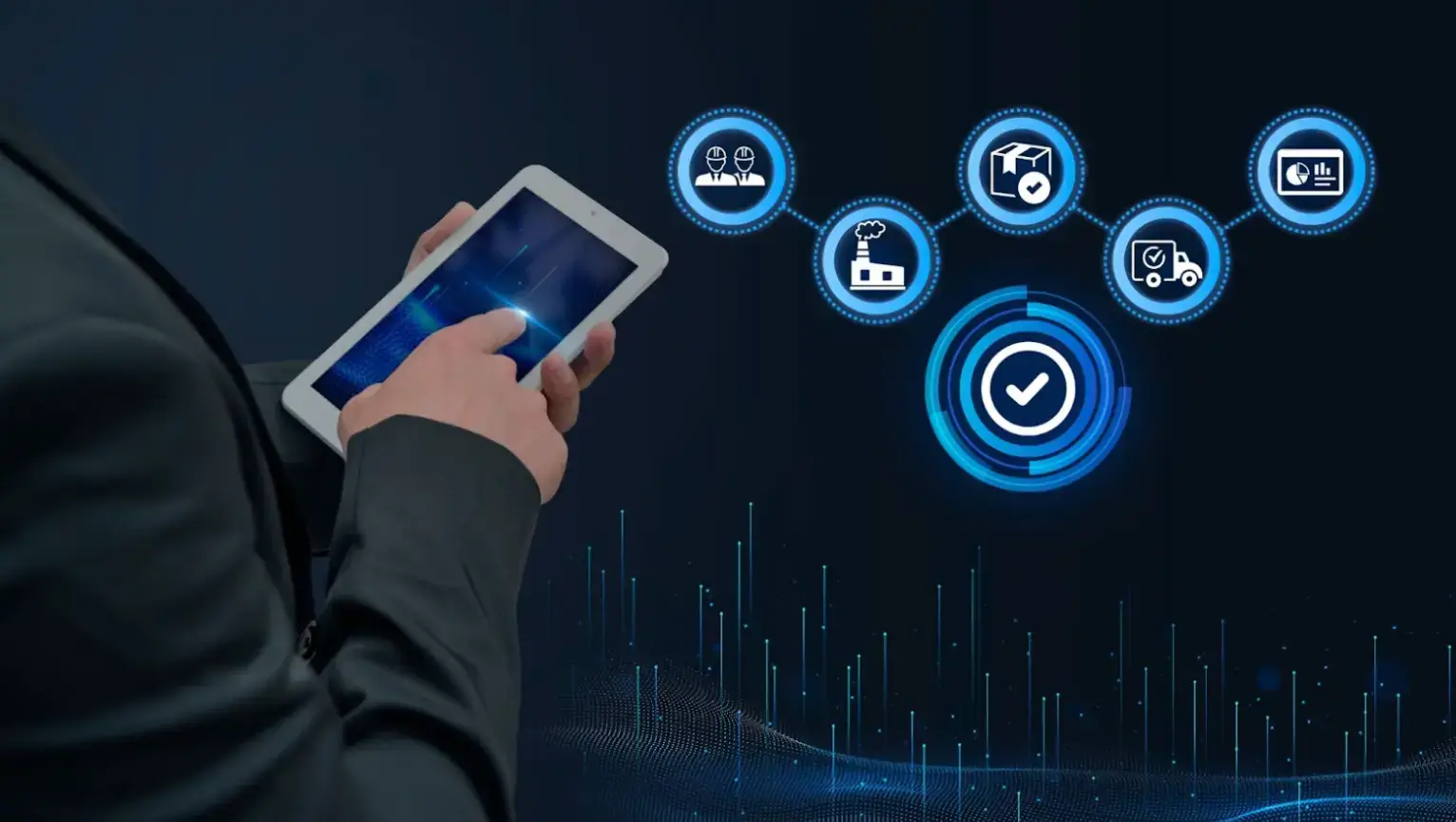
The Internet of Things (IoT) is set to revolutionize asset tracking. IoT gadgets will soon provide richer information, allowing companies to monitor assets better and fix problems before they fail.
Enhanced Data Analytics
Advanced data analytics will play a more critical role. When you dig into all that company information, you start seeing connections and big ideas that were invisible until now. The oversight of financial holdings will grow more accurate.
Increased Automation
Expect automation to grow. It will simplify many jobs, cutting back on the hands-on effort people put in. Businesses will have more money and people available, so they can concentrate on inventing new things and growing their company.
Conclusion
Businesses today gain real strength from asset tracking systems that can expand. You'll see instant data, work gets done faster, and your information stays secure.
Staying ahead means businesses must grab hold of the best tools and lean into what's coming next. This keeps them strong and growing, no matter how the market twists.
You'll find that daily tasks become much simpler when you use these systems, and they also help your company build a solid future and keep winning.
Frequently Asked Questions (FAQs)
1. What is an asset tracking system?
An asset tracking system is a tool that helps businesses monitor physical items like laptops, machinery, or inventory. Think of it as a digital logbook that updates itself in real time; no more guessing games.
2. Why should small businesses care about asset tracking?
Small businesses care, as every dollar counts, and misplaced gear or missing stock can drain profits fast. With tracking in place, owners get visibility and peace of mind. That clarity can stop losses before they snowball.
3. Is cloud-based tracking secure enough?
Yes. Reputable providers use encryption and multi-layered access. That means your data isn’t floating around unprotected. For a small team, that level of safety is usually more than enough.
4. How much does an asset tracking system cost?
The prices of an asset tracking system vary. Barcode systems tend to be cheaper. GPS and RFID can cost more but also deliver richer insights. Many vendors offer flexible plans, so even the smallest shops can get started.
5. Can asset tracking really help me grow my business?
Absolutely. Asset tracking frees up time and money by reducing waste, keeping staff focused, and spotting patterns in usage. That’s fuel for growth. And let’s be honest, who doesn’t want fewer headaches and more profit?

Author Bio
Nitika is a content strategist with a degree in Commerce. A writer by day and amateur illustrator by night, she loves reading, pop culture, and marketing gimmicks. Nitika is a content strategist with a degree in Commerce and a passion for storytelling. She specializes in creating SEO-driven content that boosts visibility and engagement. A writer by day and amateur illustrator by night, she loves reading, pop culture, and marketing gimmicks.