

In the vast majority of teams, the clues regarding their best customers are already gathered - screenshots of feedback, snippets of the sales calls, support tickets, and post-demo debriefs. Enough is enough, trouble of volume and of shape.
Evidence shows an accumulation in different locations and forms, leading to the shaping of a profile that prioritizes opinions over facts.
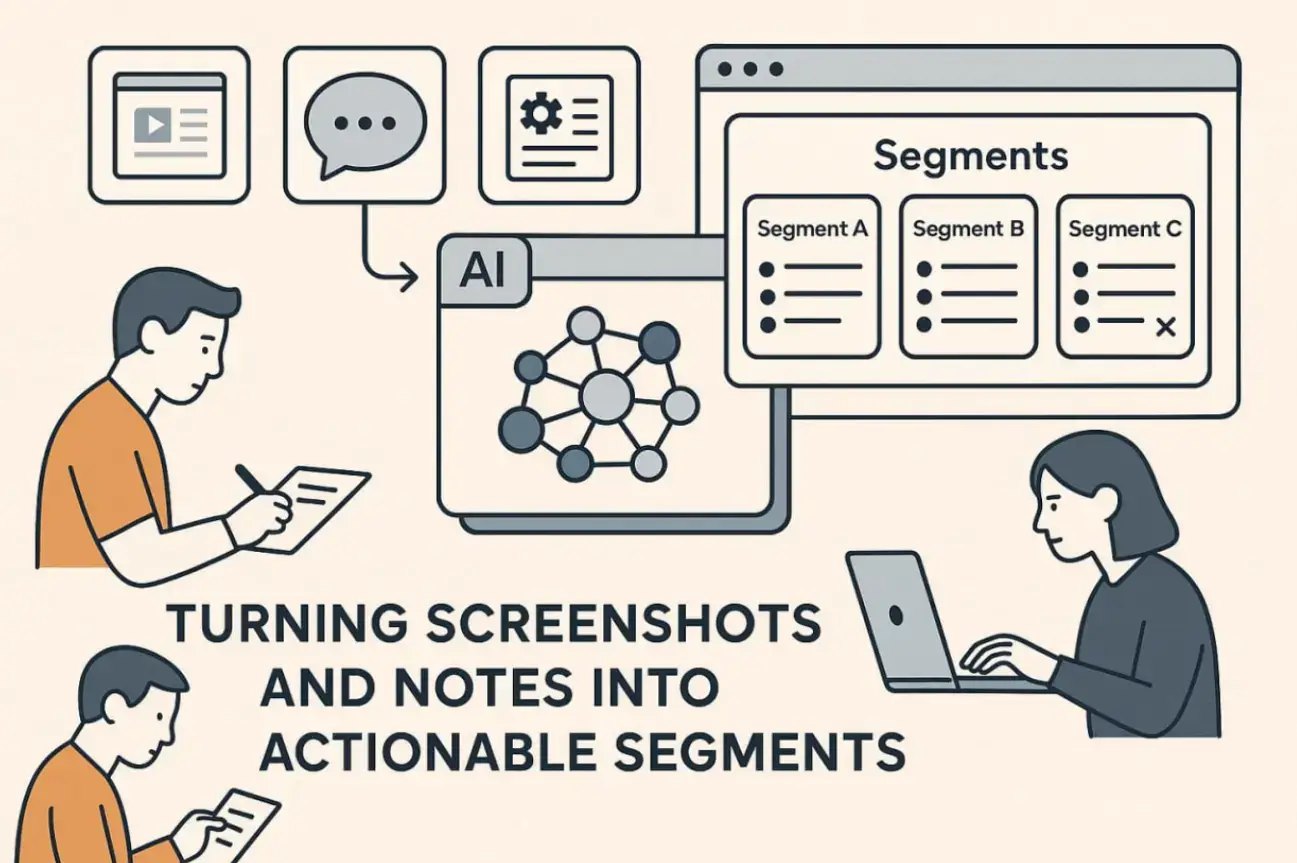
A simpler approach is to normalize the inputs, have AI group patterns, and then transform the output into groups that can be effectively utilized by targeting tools and sales processes in reality.
The payoff is practical. Defined segments decrease the amount of ad money spent on waste, reduce discovery calls, and allow for faster and easier copywriting because the message aligns with actual pains and triggers, rather than assumptions.
Why Quick Clustering Beats Slow Workshops
Customer profiles often fail due to predictable reasons: scattered data, fuzzy language, and a lack of ownership. A streamlined flow keeps the signal intact.
Begin by compiling screenshots, notes, and brief transcripts into a single intake. Then run them through an ai icp generator that groups similar needs, flags disqualifiers, and proposes draft segments with crisp definitions – industry and size ranges, buying triggers, blockers, and “no-go” criteria.
AI is not a replacement for judgment – it is a speed boost for synthesis.
The team still challenges the draft against numbers and local context, but the heavy lifting of sorting and labeling happens in minutes instead of weeks.
A Lean Workflow: From Raw Notes to Usable Segments
Scope the win first. Define the action that proves fit – a qualified lead, trial activation, or first value reached – and pick a time window. Without this, segments drift toward vanity traits.
Collect tight inputs. Screenshots of customer chats, support tickets in the customer’s words, short win-loss notes, and a few product slices (who reaches first value fastest) cover most use cases. Tag each item by source so claims can be audited.
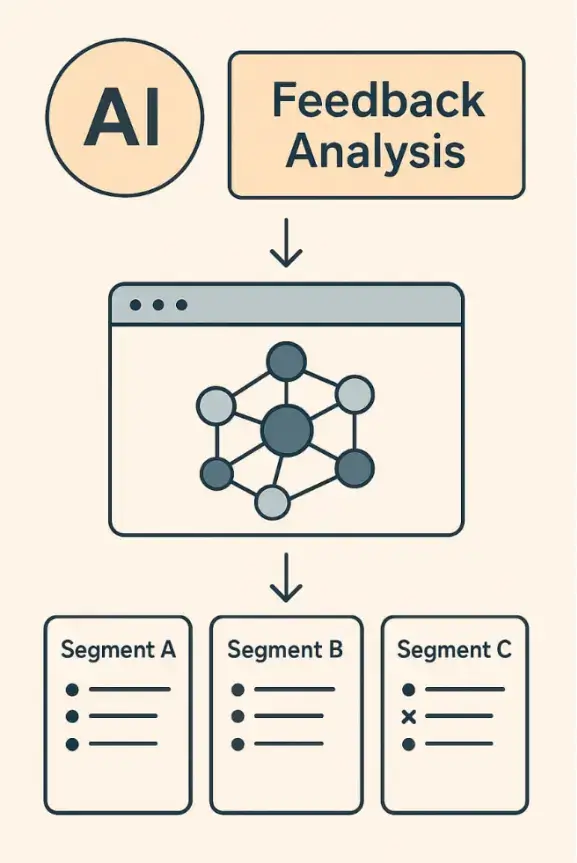
Generate the draft.
Feed inputs into the tool to produce candidate segments with pains, jobs-to-be-done, triggers (events that start buying behavior), and disqualifiers. Keep attributes targetable – firmographics, stack clues, location markers – not slogans.
Pressure-test with humans and data. Sales contributed three recent deals that contradict the draft. Analytics confirms whether “fast activators” retain or churn.
Adjust segments to match reality; document changes in a short log so new teammates trust the text.
Wire to execution. Translate segment fields into ad filters and exclusions, CRM picklists, and landing-page briefs. When segments control spend and scripts, they stay alive. When they live only in slides, they fade.
What “Good” Segments Look Like
Segments should be specific enough to target and stable enough to reuse.
Two rules help.
First, write pains and triggers in observable terms. “Wants efficiency” is fluff; “manages 5-15 client projects across two tools, losing status visibility, deadline slippage” is a targeting asset.
Second, tie each segment to a first outcome – the smallest proof that the product helps. That outcome anchors onboarding, copy, and success metrics.
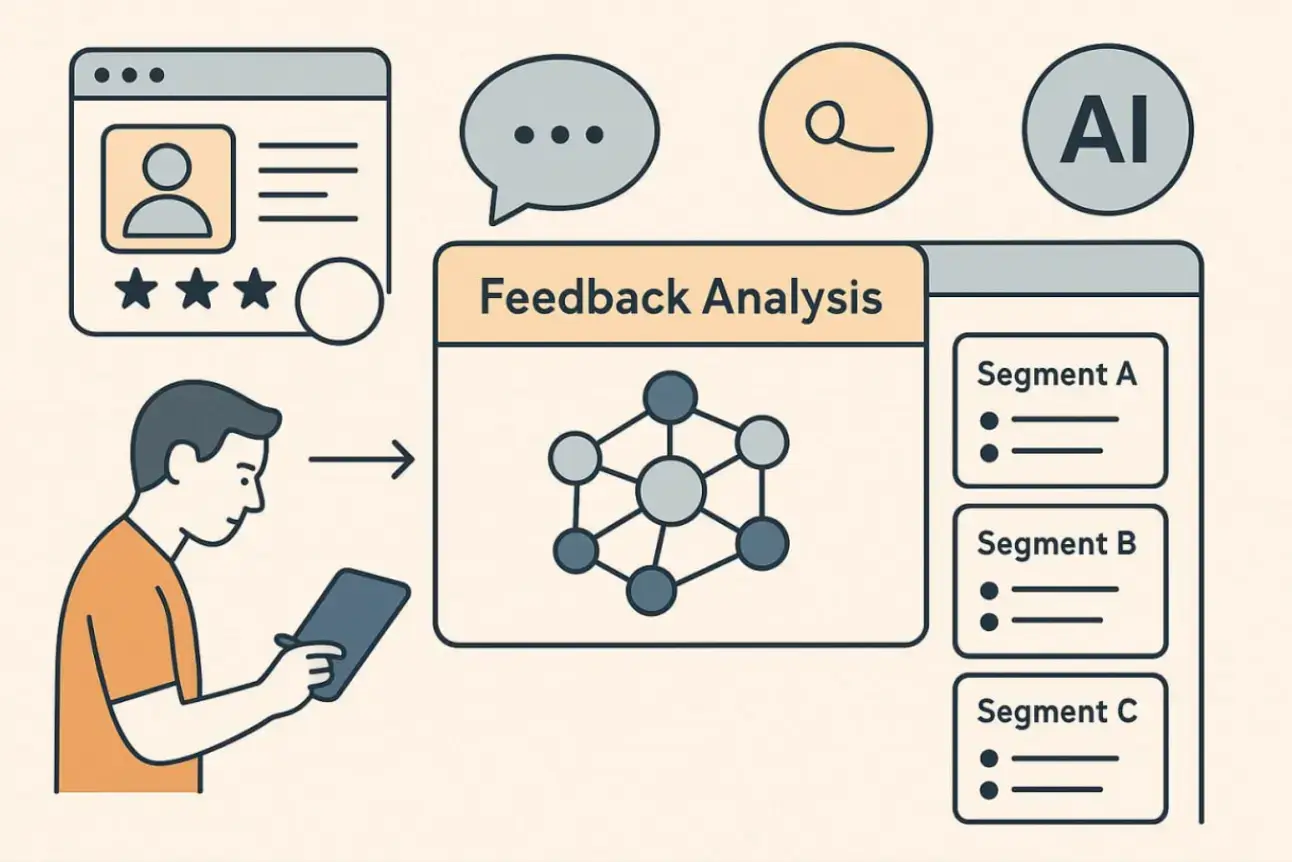
Strong segments also include clear “no” lines. Exclusions lower CAC faster than any creative tweak.
If franchise models cannot adopt the workflow, mark them out. If solo operations churn after trial, avoid the polite waste by excluding early.
Immediate Wins from Segmenting Screenshots and Notes
Ad clarity. Paid social and search work better when inclusion and exclusion filters mirror real traits. Copy mirrors the segment language, so the first headline feels familiar rather than generic.
Onboarding lift. Day-3 and day-10 nudges address the exact barrier each segment faces on the path to first value – a single step-by-step, not a broad tutorial.
These wins compound. Each cycle through the workflow sharpens segments, lowers spend on non-fit traffic, and stabilizes conversion variability across weeks.
Common Pitfalls — and How to Avoid Them
Overfitting is the most common trap – a single hot campaign or neighborhood outperforms, and the whole profile is rewritten. Mark such insights as hypotheses and require a second, different proof-point before changing the core.
Another trap is non-targetable attributes. If a description cannot be filtered in ads or reflected in a CRM field, translate it into firmographic or behavioral proxies.
The last frequent issue is ownership. Segments without a single, named owner become a committee sport. Assign stewardship, publish the source-of-truth link, and keep a short change log that explains what changed and why.
Measurement That Keeps Teams Honest
A handful of leading indicators show whether segments are doing real work. Qualified rate by segment should rise without CAC ballooning. Time-to-first-value should shorten for the latest cohort in each priority segment.
Refund, downgrade, or early churn rates should fall where disqualifiers were added. If one segment underperforms despite good top-of-funnel stats, revisit the trigger – the event assumed to start the buying journey may be wrong or incomplete.
Reviews stay short when the document is living. Hold a monthly 20-minute check on these metrics and a quarterly deeper pass for structural changes. Mid-quarter, apply “hotfixes” only for lines that block execution – a new disqualifier or trigger wording – and leave larger edits for the scheduled refresh.
Make Segments Visible Where Work Happens
Visibility, not ceremony, keeps profiles useful. Place segments in the tools that spend money and talk to customers – ad platforms, CRM picklists, playbooks, and the wiki.
Provide exactly one paragraph of copy per segment that writers and sellers can paste without editing. Include a single proof line per segment – a metric or testimonial – so the message doesn’t feel like a claim without evidence.
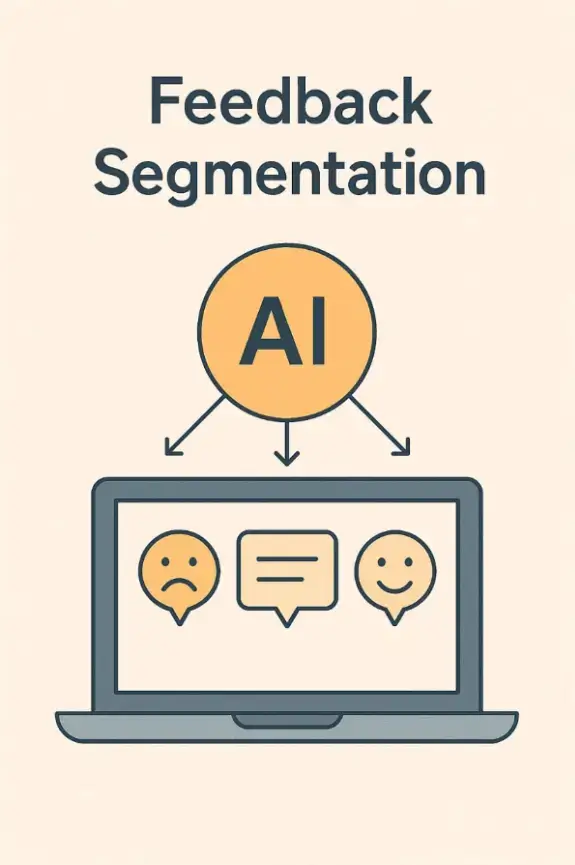
Finally, keep the intake open. Each week, add a few more screenshots and notes.
The system learns in the background, and the next refresh starts closer to the truth. With this rhythm, customer profiling stops being a workshop and becomes infrastructure – quiet, repeatable, and aligned with outcomes.
A Calmer Way to Reach the Right People
Turning messy screenshots and scattered notes into actionable segments is not magic – it is discipline and a little AI. Standardize inputs, generate a draft quickly, challenge it with evidence, and wire it into the places where decisions are made.
When that loop runs, teams spend less time arguing about who the customer is and more time serving the customer who is actually ready to buy.
Frequently Asked Questions
1. What does an AI ICP generator actually do?
It speeds up synthesis by clustering similar needs, flagging disqualifiers, and proposing draft segments with clear fields – industry and size range, buying triggers, blockers, and “no-go” criteria. The team still validates and edits.
2. What inputs produce the most useful segments?
Short, auditable artifacts: screenshots of customer chats, support tickets in the customer’s words, concise win–loss notes, and a few product slices showing who reaches first value fastest. Tag every item by source.
3. How do we know segments are working?
Track leading indicators by segment: qualified rate up without CAC spiking, shorter time-to-first-value for new cohorts, and lower refund/downgrade/early churn where disqualifies were added. If top-of-funnel looks good but conversions lag, revisit the trigger.
4. Where does segmentation usually break – and how do we avoid it?
Common failure points are overfitting to a single hot campaign, non-targetable attributes, and no clear owner. Treat spikes as hypotheses until a second proof point, translate fluff into firmographic/behavioral proxies, and assign a single steward with a brief change log.
5. How do we keep segments alive in daily work?
Wire fields into ad filters and exclusions, CRM picklists, playbooks, and landing-page briefs. Provide one paste-ready paragraph and one proof line per segment. Maintain a cadence: quick monthly metric checks and a deeper quarterly refresh.

Author Bio
Daryna Markova is a 21-year-old English SEO copywriter with four years of hands-on experience. She works freelance and collaborates with NeedMyLink, crafting data-driven articles, landing pages, and guest posts that align with precise anchor strategies and on-page SEO standards. Daryna specializes in B2B SaaS and e-commerce, turning complex briefs into clear, search-focused copy. Known for fast iteration, clean structure, and consistent results, she delivers content optimized for intent, readability, and measurable growth.