
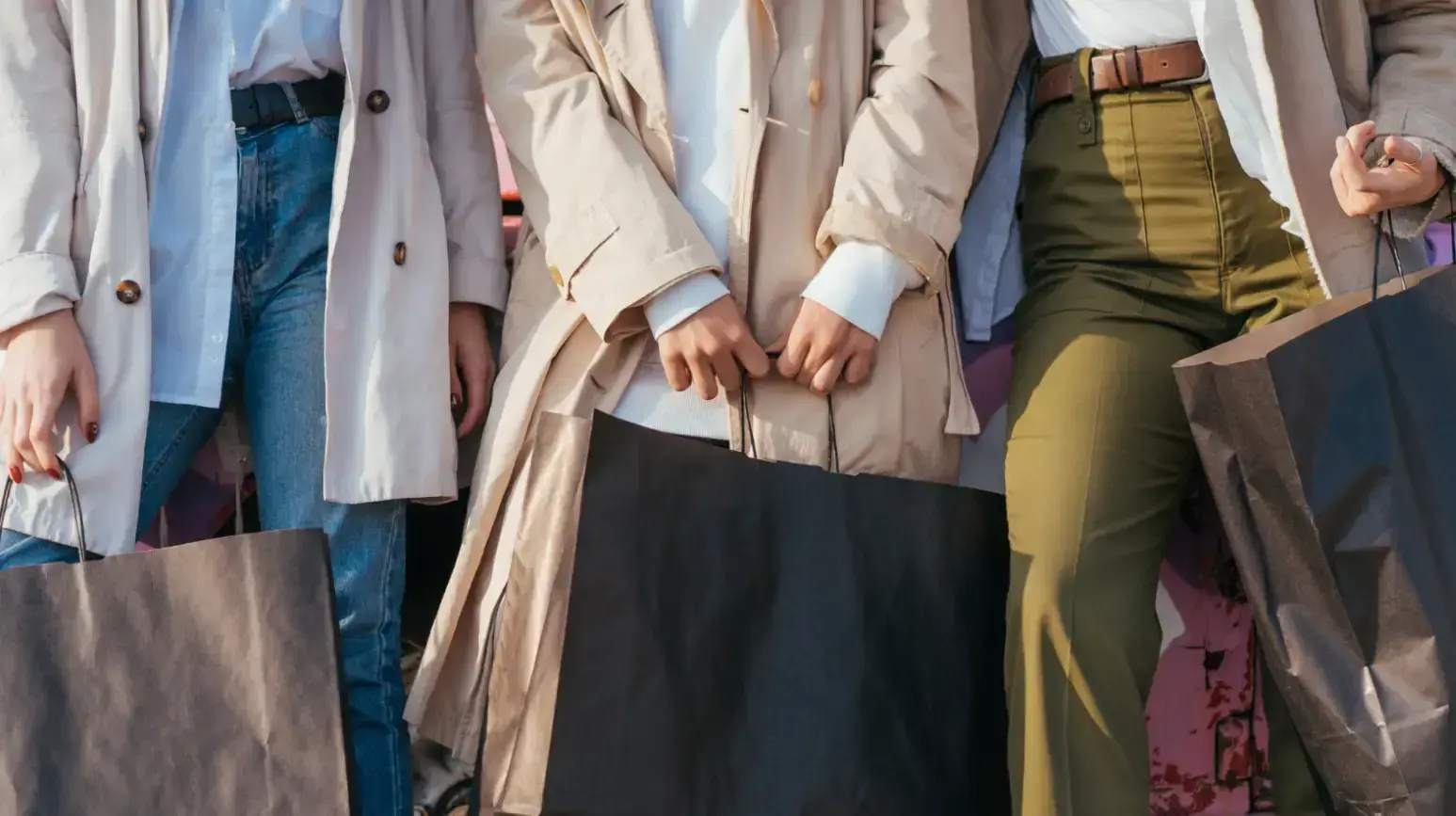
In fashion, yesterday’s trends are ancient history, and 2025 waits for no one. The savviest brands aren’t just picking out fabrics; they’re weaving in digital tricks, eco-friendly swaggers, and influencer psychology slick enough to make your head spin.
Aside from what you read from the latest issue of your favorite fashion magazine, this cheat sheet on how top brands are staying ahead of the game can give you the inside scoop you won’t find elsewhere.
Want to know what keeps them at the top (or just looking to shop a bit smarter)? Dive in and get ready to see these marketing trends before they trend.
1. Enhanced Online Visibility and Engagement
Since the pandemic, online shopping has evolved from a luxury to an everyday convenience. Consumers now expect fashion brands to engage with them online – and the stakes are high.
With everyone from luxury labels to streetwear icons jostling for attention, 2025 demands that brands innovate their online presence to stand out and sustain customer interest despite ever-growing attention fatigue.
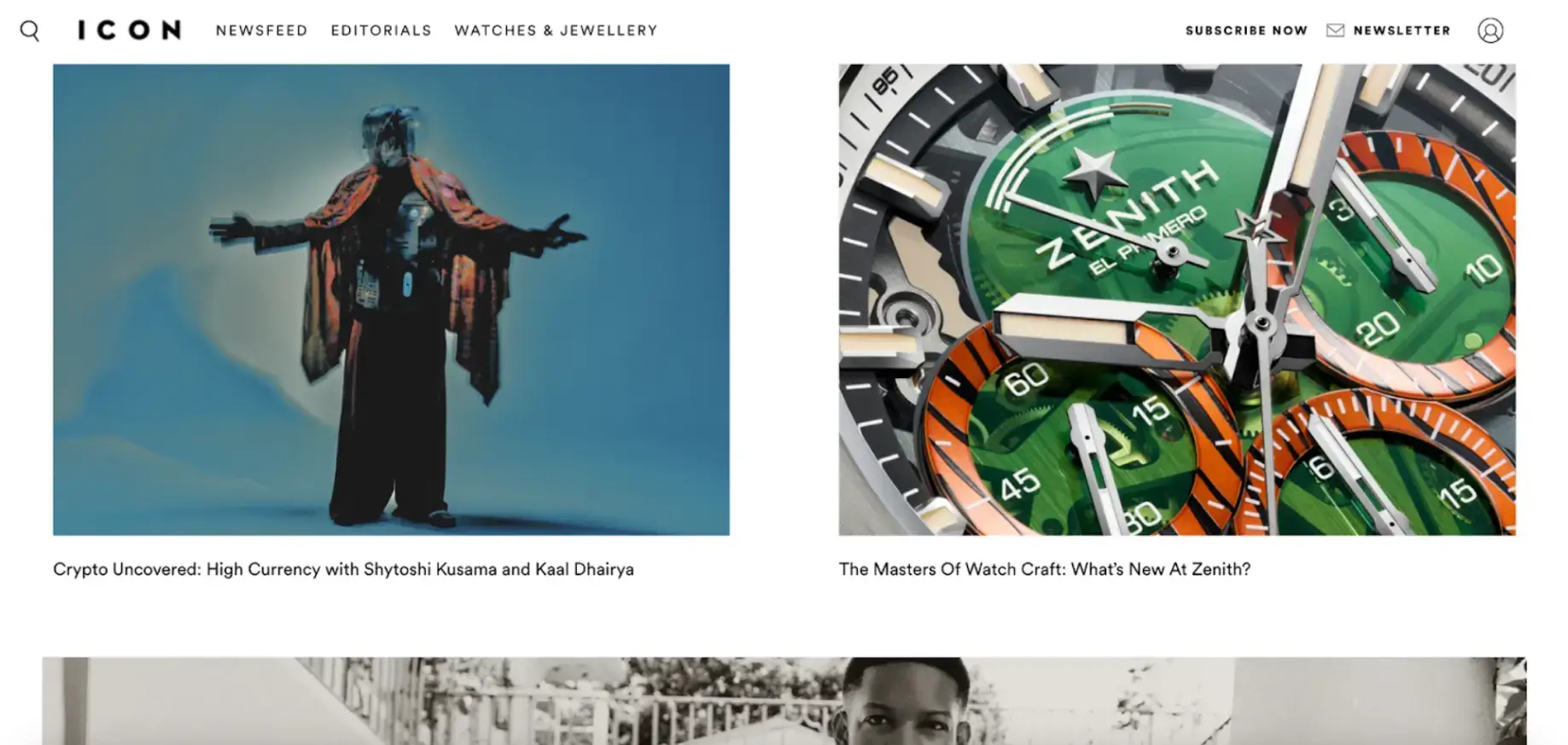
Nowadays, even your favorite fashion magazine is expected to go digital. Take ICON as an example.
The magazine was first released in 2003! After 21 years, they are fully digital, providing their readers with the newest updates in the fashion industry:
Source: ICON
Today’s smart brands constantly refine their marketing innovations to make digital experiences memorable. Social media, a major driver of this engagement, requires brands to do more than just “post and hope.”
Instagram and TikTok continue to lead in visual appeal and reach among younger audiences.
Fashion brands are doubling down on Reels and TikTok videos, creating high-impact visuals that combine humor, music, and style to grab the attention of Gen Z and Gen Y.
However, for the more mature Gen Xers and boomers, Facebook and Instagram still hold sway, with visual theatre–like creative camera angles, quick cuts, and layered storytelling – being particularly effective.
Many brands have shifted toward a quality-over-quantity strategy to keep audiences tuned in, tailoring content to each platform.
Instagram Stories and Reels offer high visibility for fashion items, while Pinterest’s search-driven content fosters the discovery of lifestyle aesthetics and brand inspiration.
Meanwhile, TikTok’s viral challenges and influencer partnerships allow brands to reach trend-focused consumers in a more playful, authentic way.
Regardless of the platform, strategic engagement requires creativity that clicks with each audience’s tastes. Investing in online engagement strategies, especially those tailored to high-impact social platforms, pays dividends.
To stay competitive, many brands now leverage spy tools to gain insights into what’s performing well across social platforms. This allows for more informed content strategies and helps refine engagement techniques.
Social media may be crowded, but the returns can be substantial with a thoughtful approach to marketing innovations.
2. More Focus on Eco-Friendly Practices
Sustainability is no longer a trend; it has become an expectation – and not just for Gen Z.
A growing number of consumers across generations prioritize eco-friendly brands, and the fashion industry has responded with a host of green practices – from upcycling to eco-conscious sourcing.
Circular fashion is front and center, with upcycled and recycled materials becoming industry staples. Brands are experimenting with organic cotton, responsibly sourced wool, and even fabrics made from recycled plastics, proving that luxury and eco-awareness can coexist.
When brands embrace sustainable practices, they gain the loyalty of eco-conscious consumers and position themselves as forward-thinking market players.
As this trend becomes mainstream, customers interested in sustainability tend to remain loyal to companies that implement green practices that benefit the planet and their business.
Moreover, embracing a regenerative business approach strengthens sustainability efforts by giving back more than it takes from the environment and society.
3. Highlighting Ethical Fashion
Consumer expectations are higher, and ethical fashion is now a baseline requirement rather than a perk.
Today’s discerning buyers demand more transparency around fair labor practices, cruelty-free production, and sustainable sourcing.
Ethical fashion now encompasses fair wages, slow fashion principles, and materials that meet high environmental standards, building and maintaining brand loyalty.
Prioritizing ethical standards offers brands a long-term advantage. It bolsters brand reputation and resonates with upscale consumers who value quality over quantity and want their purchases to align with their values.
Brands that uphold these values appeal to consumers willing to invest in apparel that aligns with their ethics. Those who ignore these expectations risk losing customers to more responsible competitors.
If implementing ethical standards feels challenging, look for brands that have already faced these challenges and use them as models.
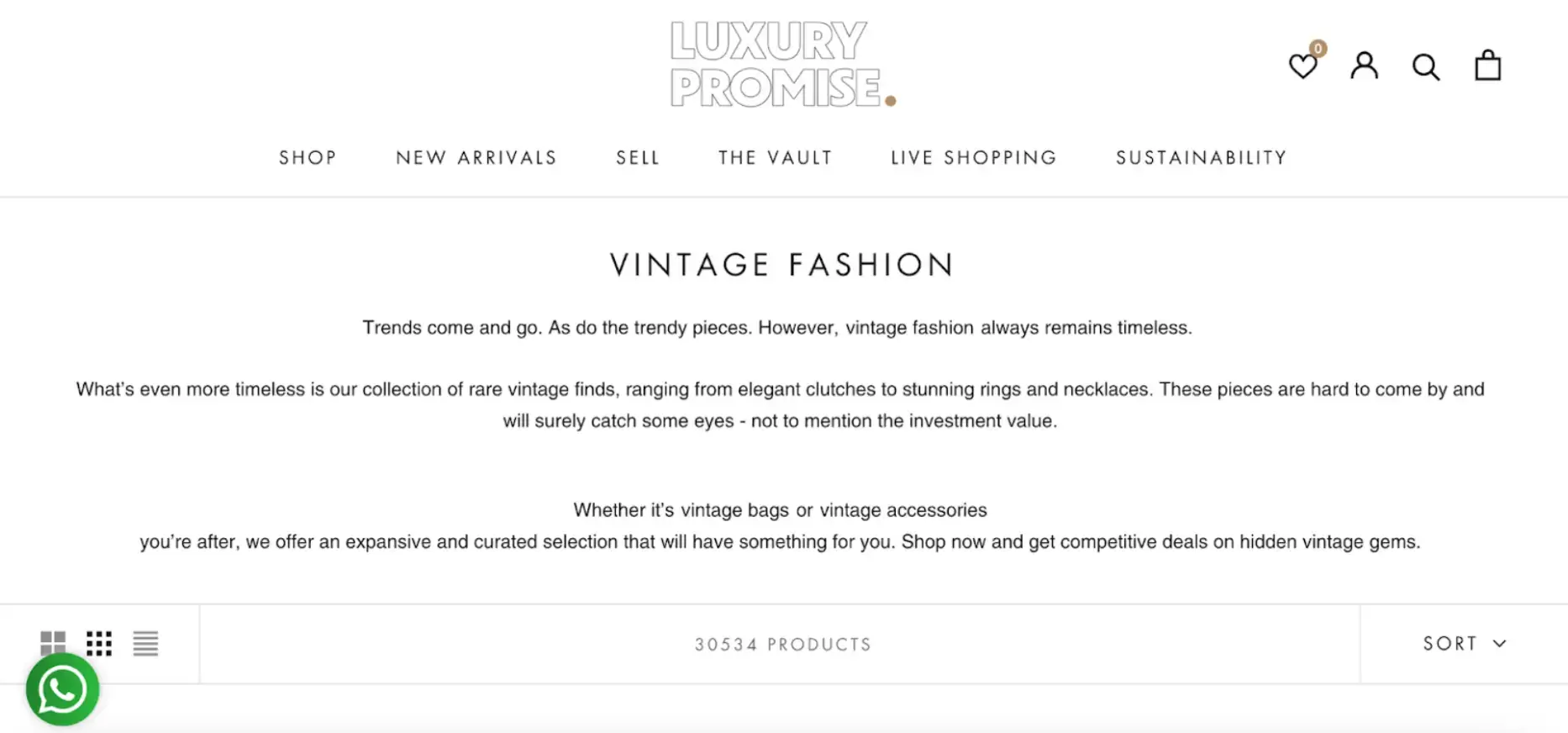
For example, if you are worried about positioning yourself as an ethical jewelry brand, research companies that use lab-grown diamonds or allow customers to buy pre-owned vintage jewels online.
Source: LUXURY PROMISE
Online shopping and pre-owned products are gaining huge traction among ethical fashion supporters.
Investing in ethical sourcing goes beyond marketing – it is a commitment that keeps customers coming back. It also differentiates brands as responsible and trustworthy in a values-driven market.
4. Promoting Wearable Tech and Smart Fabrics
Fashion and technology are merging in fascinating ways, and 2025 will see the rise of wearable tech and smart fabrics that combine style with serious functionality.
Temperature-regulating fabrics adjust to the body and environmental changes, keeping wearers comfortable without needing layers.
Meanwhile, health-monitoring textiles use sensors to track vital signs such as heart rate and muscle activity, making them invaluable for active consumers.
With the wearable tech market continuing to grow, the appeal of these high-tech materials is only increasing.
Brands incorporating wearable tech stand out as innovative and forward-thinking, appealing to tech-savvy shoppers who prioritize functionality and flair.
When brands showcase these on their e-commerce product pages, they attract consumers interested in practicality and unique value beyond style alone.
5. Influencer Marketing
Once a fledgling concept, influencer marketing is now a powerhouse strategy in fashion. But it’s not just about posting lovely photos; there’s real psychology behind its effectiveness.
Humans are wired for social conformity. They follow leaders they trust or admire, and influencers tap perfectly into this instinct. They build communities where followers feel connected and informed.
The psychological aspect of influencer marketing is rooted in trust and relatability.
Influencers bring authenticity that traditional ads lack, creating a bond with audiences that brands can tap into.
This is especially effective in fashion, where influencers act as style guides, recommending products and showing how they fit into real life.
Some brands excel at influencer marketing.
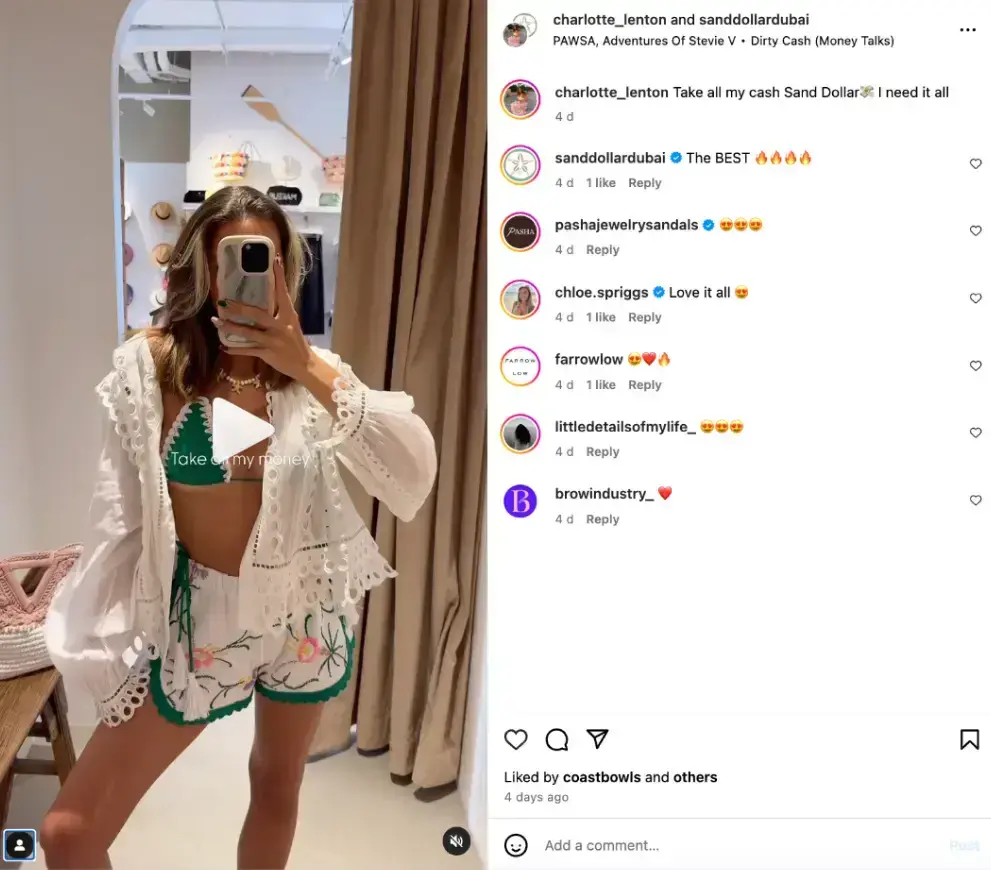
Take Sand Dollar Dubai as an example. They promote beach dresses and swimwear in a way that makes followers desire the same lifestyle and experience portrayed by influencers.
Source: Instagram
Being promoted by a fit, tanned, relaxed creator from sunny Dubai makes the brand incredibly desirable for anyone aspiring to that lifestyle.
For followers, this connection is about being part of a community with shared values and tastes.
As consumers increasingly seek genuine connections, marketers are shifting toward micro-communities and influencers with loyal, trusting followings.
Statistics back this up: fashion shoppers are 1.5× more likely to buy based on influencer recommendations than from ads alone.
With influencer marketing’s ROI exceeding six times that of traditional advertising, brands partnering with the right creators are well-positioned to boost brand loyalty and visibility.
FAQ
1. What are the key marketing trends for fashion brands in 2025?
The top trends include enhanced online visibility through social media, sustainability and ethical fashion practices, the integration of wearable tech, and influencer marketing strategies.
2. How are fashion brands improving their online presence?
They focus on platform-specific strategies, leveraging Instagram Reels, TikTok challenges, and Pinterest for visual storytelling to reach diverse demographics effectively.
3. What role does ethical fashion play in brand success?
Ethical fashion builds trust by emphasizing fair labor practices, cruelty-free production, and environmental responsibility, helping brands maintain loyalty among values-driven consumers.
4. Why is influencer marketing important for fashion brands?
Influencers provide authenticity and relatability, building trust with audiences and driving purchase decisions more effectively than traditional advertising.
5. What is the impact of social media on consumer behavior in fashion?
Social media fosters direct engagement, enhances brand visibility, and allows brands to build communities that influence consumer decisions through authenticity.
6. What’s the ROI of influencer marketing?
Studies show influencer marketing delivers ROI more than six times that of traditional advertising, making it a powerful driver of visibility and sales.
Witness the Shift
Brands must embrace the evolving landscape as new marketing trends emerge in 2025.
Watch how your favorite fashion brands adapt to these shifts, and consider how your brand might apply these strategies to gain a competitive edge.
Think about the brands that excel in these areas, and let them inspire your next move.

Author Bio
Erika Miranda is a seasoned content writer and coordinator at SEO Sherpa, bringing over 12 years of experience crafting authoritative articles across medical, health, food and beverage, and fashion industries. She also excels in content ideation and keyword research, ensuring each blog is strategically aligned with client goals and audience needs.