

Your product page looks perfect. Shoppers arrive, browse, then vanish. That unfinished checkout hurts your business. Something stopped them from purchasing.
According to the Baymard Institute, the average rate of cart abandonment is 70.19% based on data from 49 studies. Confusion and unanswered questions make buyers hesitant.
Improving your product page offers a promising solution. To do so, you must understand the reasoning behind the actions of potential customers.
Two powerful customer feedback tools extend a helping hand: micro-surveys and live chat. But which one can boost your sales more? Look beyond features and learn what moves users to act to drive more conversions.
Article Shortcuts:
- The Conversion Tools: Micro-Surveys vs. Live Chat
- Conversion Impact: Turning Browsers into Buyers
- User Experience and Engagement Comparison
- Data Collection: Quantitative vs. Qualitative
- Best Practices for Implementation
- Frequently Asked Questions

Source: Pexels
The Conversion Tools: Micro-Surveys vs. Live Chat
Let’s look at the basics of the two conversion tools to help you determine which is best used to improve product pages.
-
What are Micro-Surveys?

Source: Freepik
These are short and targeted questions that confront users when they visit your website. They are embedded in product pages, popping up randomly or after a specific action.
The goal is to capture immediate feedback while requiring minimal effort from the respondent.
Platforms like Qualtrics are common among large-scale enterprises to facilitate micro-surveys. It relies on a third-party panel provider and has a subscription-based pricing model.
Many Qualtrics competitors offer pay-as-you-go pricing and first-party data, which can be better alternatives for some businesses.
-
What is Live Chat?
Real-time communication is one of the best things about incorporating live chat on a website. Visitors can message your team directly.
Automated chatbots or support agents can respond instantly. It’s like having a sales assistant, always ready to respond to customer queries about a specific product.
Jim Holdsworth of IBM notes, “AI chatbots respond quickly, accurately process natural human language and automate personalized experiences, offering numerous benefits and new opportunities to your organization.”
Live chat is usually accessible through a small button or from the website tab.
Upon clicking, the first interaction is often with an automated response. If it doesn’t answer the query of the user, then there may be an option to connect to a human agent or leave an email instead.
Conversion Impact: Turning Browsers into Buyers
Your goal is to turn “maybe” into a “yes” when customers are browsing products on your online store. Real conversion power comes from understanding what actually changes shopper behavior.
-
How Micro-Surveys Influence Conversion
They reveal the reasons behind ditching the cart. A simple exit question like “What stopped you from purchasing?” uncovers real issues. Visitors share pain points instantly.
You can see patterns quickly. This feedback provides opportunities for improvement. They may also trigger real-time adjustments to get the user back on track before abandoning a product page.
-
How Live Chat Boosts Conversions
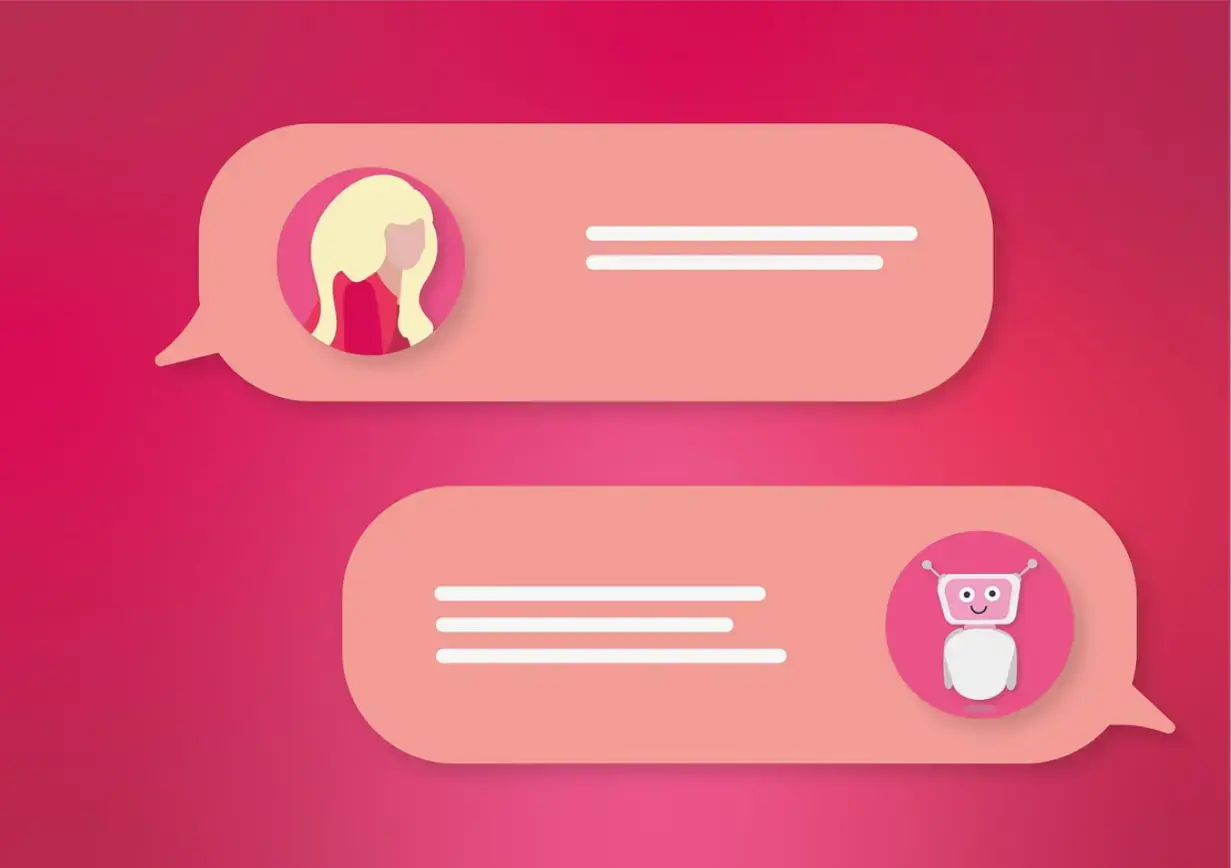
Source: Pixabay
Hesitant buyers receive instant answers during decision paralysis. Support intervenes at critical moments. Answering questions can help close sales.
It provides more information about a specific product and guides users on the next steps. This is also an opportunity to provide targeted offers like free shipping and discounts.
User Experience and Engagement Comparison

Source: Freepik
Building trust and willingness to engage depend on the overall user experience.
Micro-surveys and live chat offer different experiences to website visitors. Each tool impacts how smoothly a person will move to the next part of the buying journey.
The importance of customer experience was highlighted by Jessica Kent, an alumna of Harvard Extension School. “Enough positive interactions and they’ll be happy to remain a loyal customer; enough negative experiences and they may never consider you ever again.”
-
UX with Micro-Surveys
They are non-intrusive, appearing quietly without breaking the flow of browsing. You can ask specific questions tied to certain page elements that currently appear on the website.
Implementation requires minimal set-up, often possible using drag-and-drop tools. The biggest drawback is that these surveys lack depth. They’re brief and have the nuance of a full conversation.
Hence, it may fail to capture true feelings. This creates gaps in feedback data. Passive collection may miss urgent purchase barriers.
-
UX with Live Chat
Human connection is established through live chat. Real-time replies reassure anxious buyers.
Agents tailor support to individual needs. This personal touch builds immediate trust. Customers will appreciate how someone is immediately available to help them navigate through confusion.
But constant staffing strains resources.
Sure, some may utilize AI-powered chatbots for general queries, but they may be insufficient to handle more complex concerns. Businesses need 24/7 support for global operations.
Data Collection: Quantitative vs. Qualitative

Source: Freepik
Another difference between the two customer feedback tools is the type of data they collect. One is structured while the other is conversational.
Choosing between the two depends on the information you want to collect and how you want the experience to influence the buying process.
-
Micro-Surveys: Structured Data
You’ll get clear and quantifiable data through formats like multiple-choice questions of a five-star rating system. The structured format simplifies analysis. Pre-written questions generate clean and focused data.
-
Live Chats: Conversational Data
In contrast, these customer engagement tools are more qualitative than quantitative.
Conversations will reveal how users think and why they hesitate. Translating chats into insights takes work. You must analyze logs, spot trends, and infer solutions.
Best Practices for Implementation
Both micro-surveys and live chats are effective customer engagement tools. However, success depends on their implementation.
- Timing Matters: This is important in micro-surveys since you’ll be the one determining when the question will pop up. It’s unlike live chats where users can click a button anytime. Never interrupt too early. Activate surveys after engagement, such as after a 60% page scroll or spending 30 seconds on the website.
- Keep It Simple: Ask one question at a time. Word them in such a way that they will be effortless to comprehend. Short and clear messages increase the possibility of engagement. On the other hand, verbose phrases and hard-to-understand words will drive visitors away.
- Ensure Mobile Compatibility: 68% of retail orders are from mobile shopping. Many people shop on their smartphones. Product pages must be optimized for a seamless experience. Clean interfaces that adjust to varying screen sizes increase the potential for engagement in micro-surveys and live chats.
Frequently Asked Questions
1. Can you use micro-surveys and live chats together?
Yes! But combine them strategically to avoid overwhelming users.
For example, trigger a micro-survey after 60 seconds of browsing. Activate live chat when the user revisits the product page or after adding to the cart. Staggered implementation reduces friction.
2. Which is best for small businesses?
Micro-surveys are better for small businesses because they’re easier to manage and implement. You can collect actionable data without manpower expenses.
3. Does live chat require human support?
No. Many websites integrate chatbots instead, providing automated responses based on pre-determined question templates.
4. How do you track effectiveness?
Metrics like response rates, time spent on a web page, bounce rates, and conversion rates after engagement can help track effectiveness.
Final Verdict: Which Converts Better?
So, which converts more on product pages: micro-surveys or live chats? Live chat wins for immediate conversions. It rescues hesitant buyers in real-time.
Agents answer questions, ease doubts, and close sales during decision moments. It’s a lifeline for struggling buyers, providing immediate replies to their questions.
Micro-surveys drive long-term gains. They expose hidden friction points, giving businesses the chance to control the narrative as they collect data.
They’re less demanding and suitable for gathering structured data across large audiences.

Author Bio
Julie Fitzgerald is a seasoned writer with expertise in business, digital marketing, and the latest tech innovations. With a strong background in analyzing and reporting on emerging technologies, Julie provides insightful commentary on how digital transformation is reshaping industries. She is passionate about exploring the intersection of technology and business, helping readers understand how innovations can drive success. When she’s not writing, Julie stays informed on the latest trends and shares her knowledge through articles that bridge the gap between complex tech concepts and practical business applications.