

What is Small Business Lead Generation?
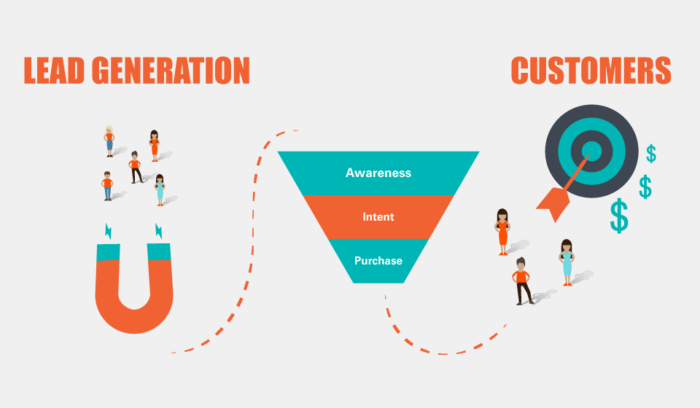
Small business lead generation refers to the use of multiple tactics by a small business to generate interest in their product or service and attract potential customers, with the hope that they will eventually convert.
Lead generation is an important tactic small firms use to attract potential consumers.
In this article:
- Challenges in Small Business Lead Generation (with Tips)
- 10 Lead Generation Ideas for Small Business
Source: Business2Community.com
Lead-generating techniques have existed since the dawn of time. All businesses use lead generation for a variety of purposes.
Some companies handle lead generation on their own, while others engage a credible promotional agency to achieve the desired result as quickly as possible.
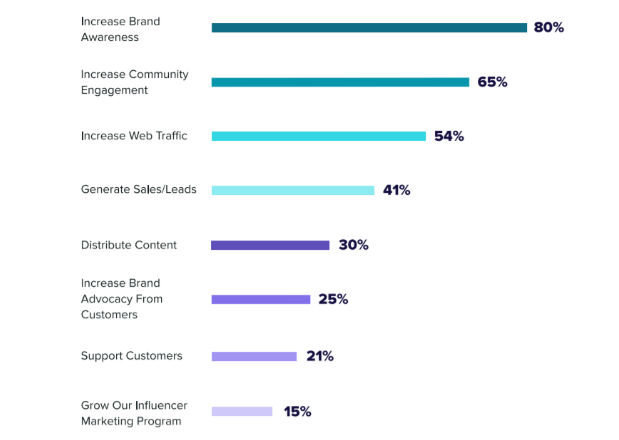
The following are some small-business objectives:
- Establishing robust customer relationships
- Expanding your customer reach
- Generating revenue
Source: REVE Chat
Challenges in Small Business Lead Generation (with tips)
- Discovering a strategy, tactic, or offer that gets the right attention
- Finding enough people (or the right people) to generate leads
- Measuring and documenting lead generation success
- Collaborating with partners to generate leads
- Funding lead generation practices
- Providing leads with good content
- Getting all of it done
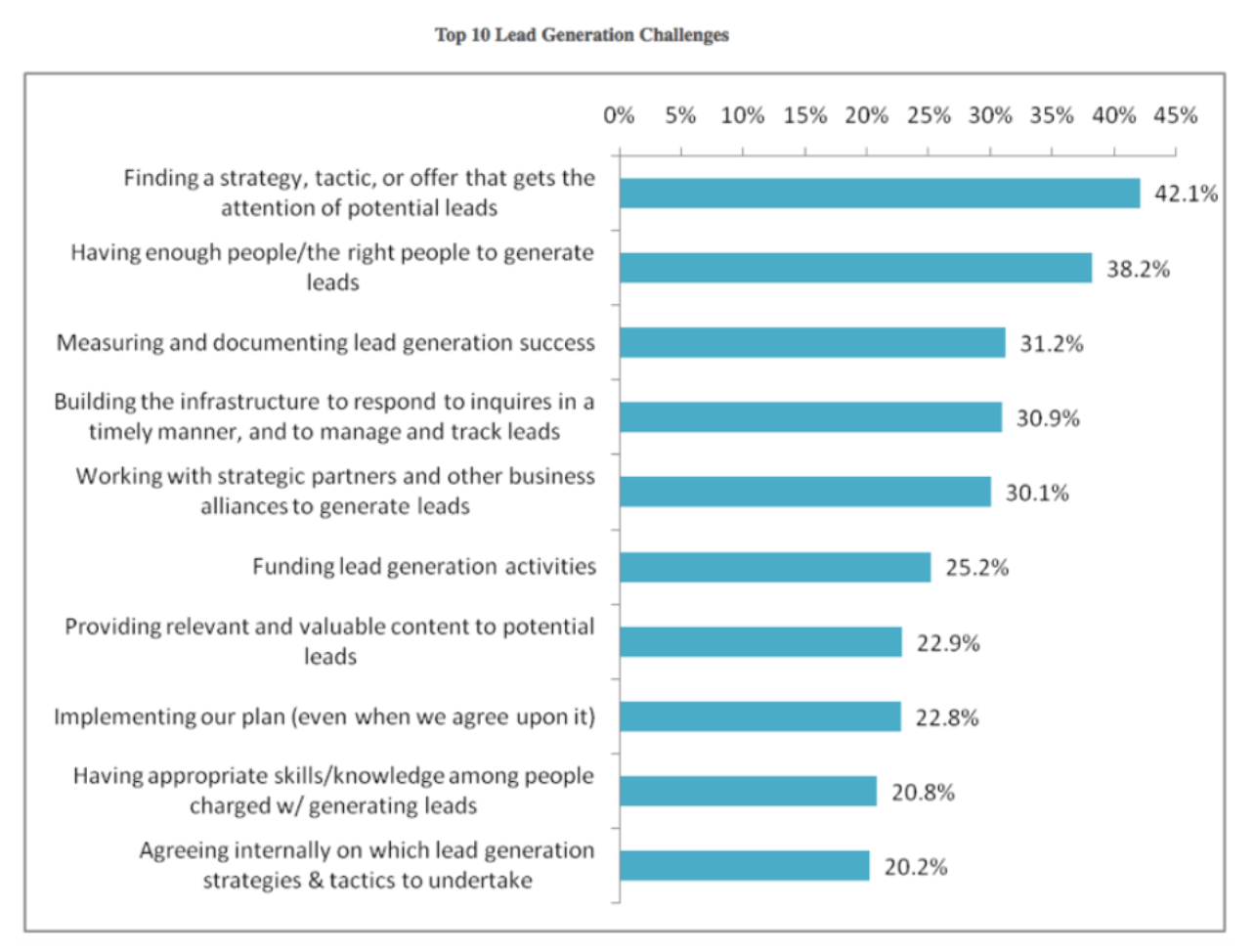
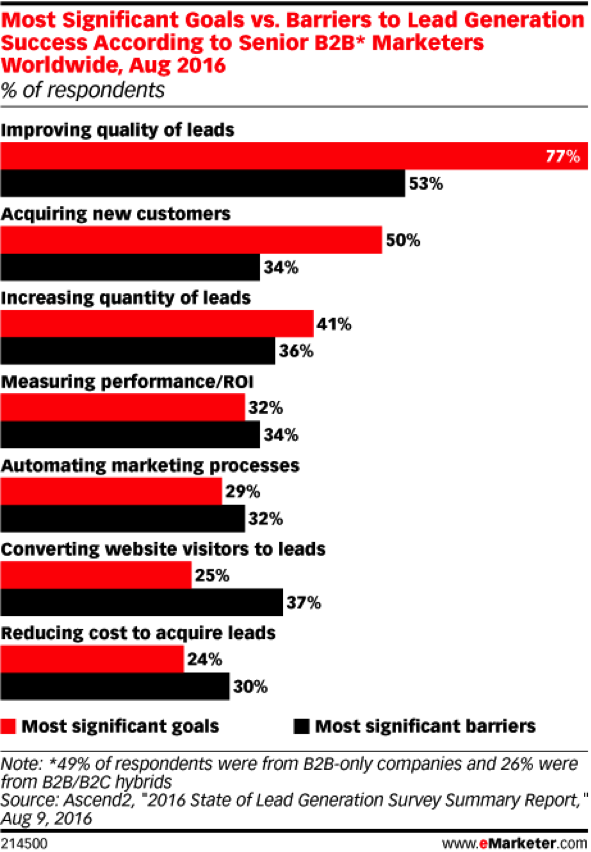
According to a survey, the primary lead-generation challenges for B2B organizations are as follows.
I will go over each challenge highlighted in the image below and offer ideas and tactics for overcoming them and generating more leads in the rest of this post.
Source: web.com
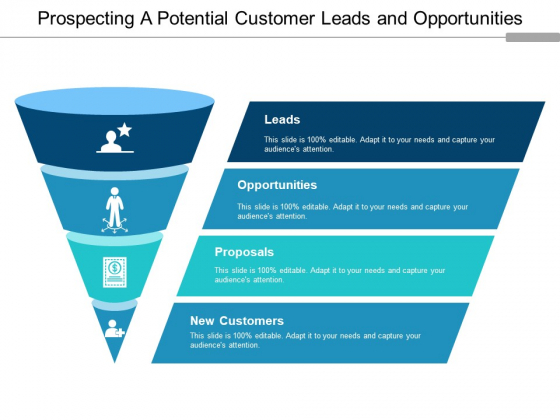
Challenge: Discovering a strategy, tactic, or offer that gets the right attention
According to the survey, this is the most challenging obstacle in lead creation for firms.
What demographics, interests, requirements, budgets, and pain points do they have? What difficulties or concerns can your company solve for them?
When making a purchase, where do people seek businesses like yours?
Conduct surveys, perform market research, look at what people are saying about your company online, or question them in person to learn more about your target customers.
Source: Slide Geeks
Challenge: Finding enough people (or the right people) to generate leads
Finding the correct people is a problem for some 38 percent of businesses. Having enough employees to do just about anything is a constant struggle for small business owners, so this isn't surprising.
Even with a small team, the more you can automate your lead generation and lead management process, the more you can do.
An excellent small-business service will help you automate tasks such as sending emails and receiving notifications about new leads. For example, using a lead generation virtual assistant can boost your efforts by optimizing your lead management process.
Furthermore, it relieves your staff of the responsibility for keeping up with every technical update in the world of search engine optimization, online advertising, and other lead-generating techniques.
Look for a lead generation service that can assist you with several facets of lead generation, such as paid search advertising, website optimization for search, obtaining your business placement on Google Maps, and delivering exclusive leads.
The more leads your lead generation business can manage, the less work your employees will have to accomplish (and the fewer employees you will require).
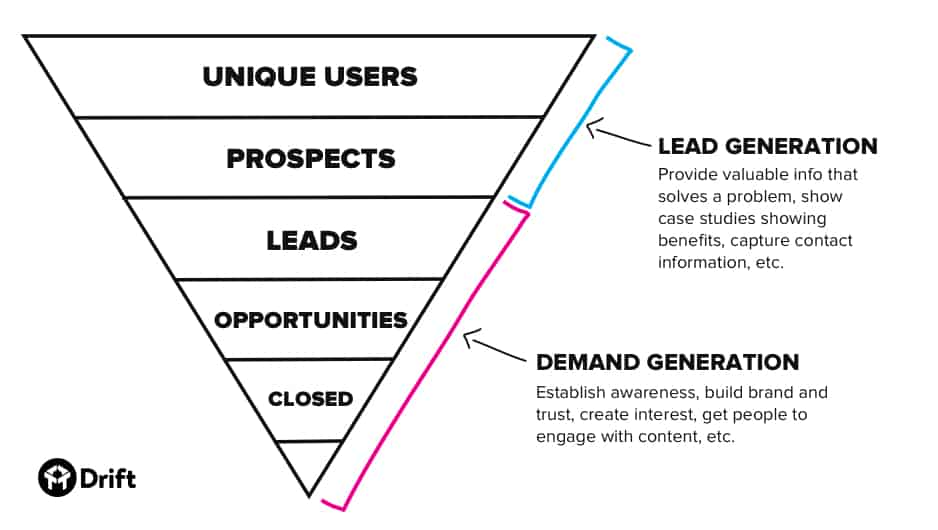
Source: Drift
Challenge: Measuring and documenting lead generation success
More than a 31 percent of firms have trouble determining how effective their lead generating is.
However, if you don't evaluate your success rates, you could be squandering money on ineffective lead-generating tactics without even realizing it.
It would help if you first had a quantitative definition of success before you document your lead generation success.
That definition will differ depending on your organization, your target customers, and your specific lead generation challenge. To put it another way, it's up to you to figure it out. Consider the following scenario:
- If you're having trouble generating leads, success could mean increasing your lead volume by X percent per month.
- If you generate a lot of leads but don't close any sales, success might be defined as increasing the percentage of closed sales by X percent per month.
It's critical to keep track of the number of leads you generate, the number of sales you close, sales revenue, the timeframe of your usual sales cycle, and other key performance indicators.
Authentic lead management software will help you track performance indicators, measure your results, and generate leads.
As time passes, make sure you revise and update your definition of success. If you're having a lot of trouble with lead generation, make sure to update it at least once a quarter.
Source: Marketing Insider Group
Challenge: Collaborating with partners to generate leads
For about 30 percent of the businesses surveyed, this is a challenge. It is really hard to keep a strategic collaboration thriving.
That's unfortunate because collaborating with other firms can help everyone involved generate more leads.
Don't give up on strategic partnerships just yet. Yes, prioritizing collaborative efforts with another company can be challenging when you're overloaded working on your small business on a daily basis.
However, the more you can systematize, automate, and streamline the administrative side of things, the less time it will take to generate leads overall.
This provides more time for you and your partners to strategize about the big picture.
Lead generation services that automate lead generation, management, and follow-up can relieve you and your strategic partners of significant work.
To collaborate effectively, look for a small business lead generation service that benefits both sides. You may not obtain optimal results from the tool unless you both buy into it.
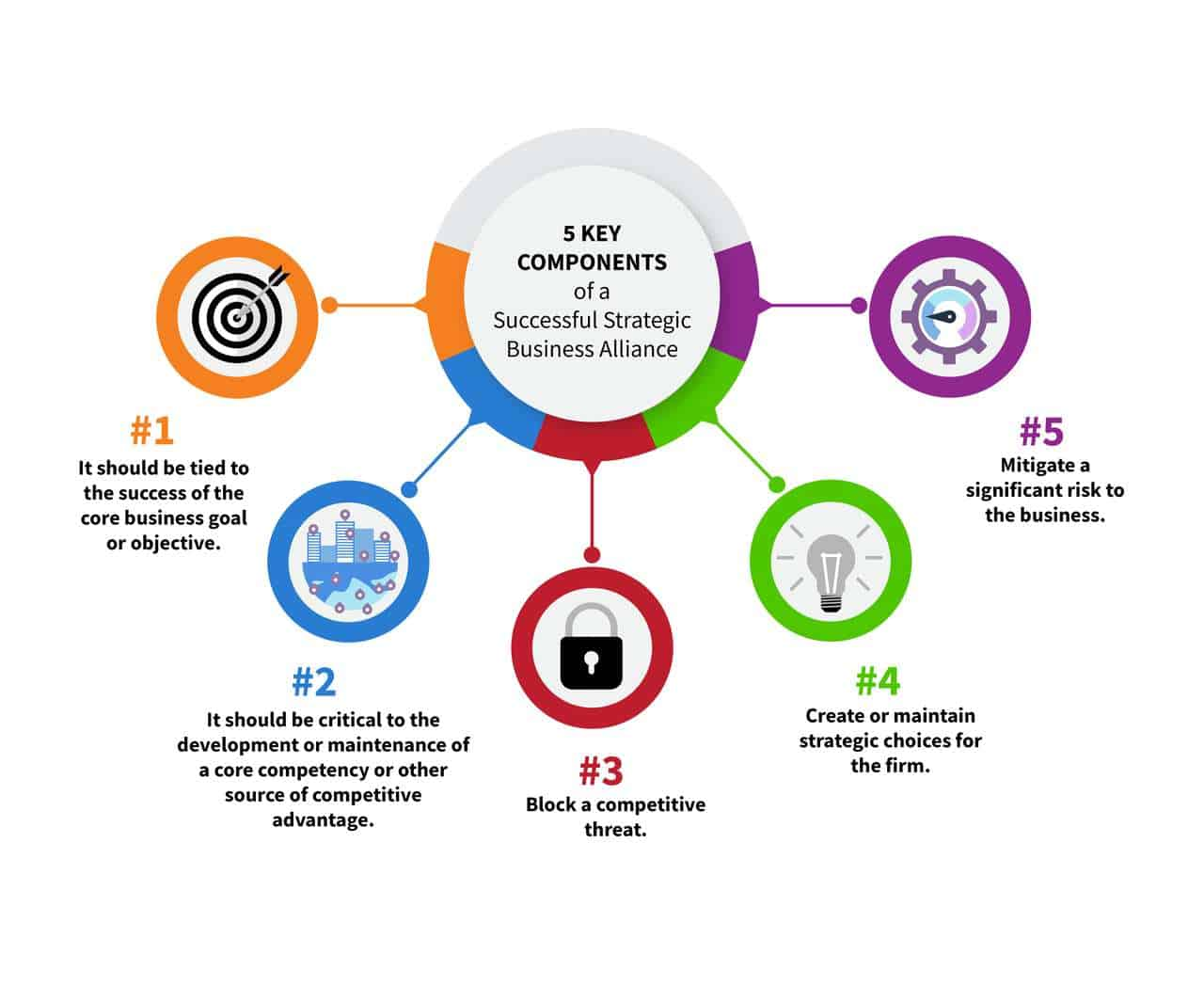
Source: WorkSpan
Challenge: Funding lead generation practices
For more than a quarter of the businesses surveyed, this is a struggle. It's not surprising, given how widespread budget concerns are among small business owners.
Small business owners frequently believe that money spent on marketing disappears. They consider it an expenditure rather than an investment.
This is why many small business owners are hesitant to invest in marketing, but here's the thing: your firm will never expand if you don't market it. This is when Pay-Per-Click Advertising (PPC) plays an important role.
The idea is to treat marketing as an investment and track your return on investment, as you would with any other investment.
Small business lead generation services that measure crucial performance data like ad ranking, lead conversion, and the effectiveness of each ad campaign provide a clear picture of your pay-per-click ROI.
Look for a technology that allows you to track your ad spend data in real-time, so you never go over budget.
Challenge: Providing leads with good content
Almost one-fourth of businesses in the survey struggle to provide valuable content to potential leads. One of today's greatest marketing trends is content marketing.
Please don't waste time posting about topics your clients don't care about or distributing them in areas they don't visit.
Develop a clear understanding of your clients so you can communicate with them through content.
Consider your customers' preferences, requirements, and pain points. Then track the results to see which content performs best.
Pay close attention not only to where leads originate but also to what content they favor as you track the path that leads take to access your website and take action.
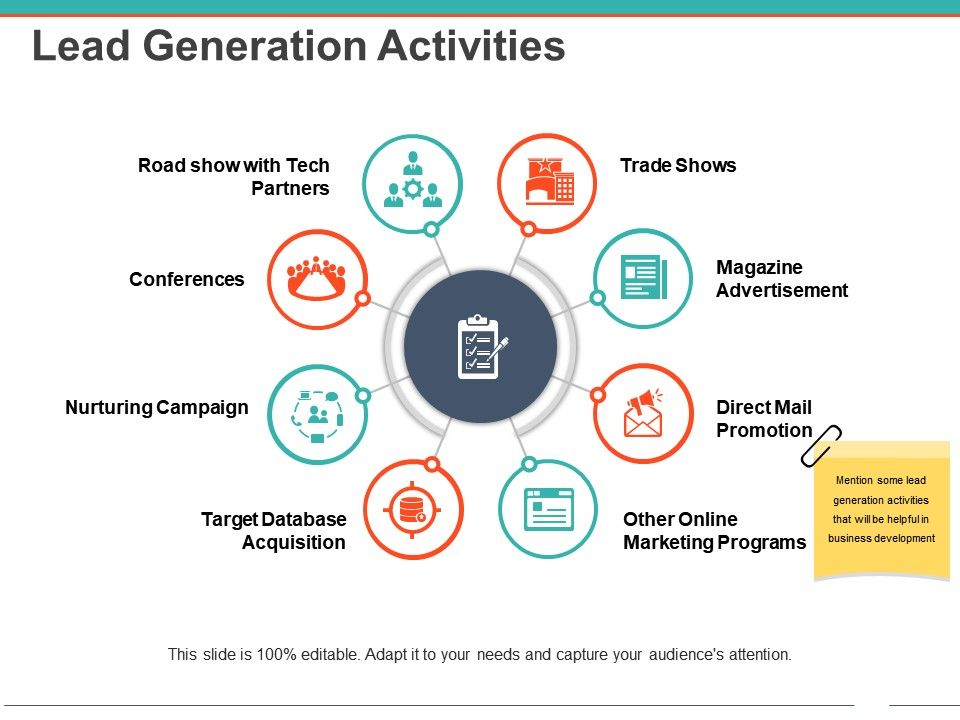
Source: Slide Team
Lastly, you may hide some parts of your content and reveal them only after payment or a password, further convincing your clients of the value of your content.
WordPress Security Copy Content Protection plugin (SCCP) is a great lead generation tool that can help you with that.
Challenge: Getting all of it done
Selecting a lead-generating strategy, putting the strategy into action, and having enough internal lead generation knowledge.
You would think it wouldn't be difficult to reach a deal on something in a small firm. Leaving it over to an expert is sometimes the best approach.
Small business lead generation services are often operated by business marketing specialists, so you can trust that if you hire outside help, they will know how to create a framework or devise a plan for you.
Create a list of lead generation firms and compare them to discover which one best suits your demands.
Choose a small business lead generation service that offers robust assistance, such as regular performance reviews and account managers with knowledge in lead generation and management.
10 Lead Generation Ideas for Small Business
- Optimize Your Local SEO
- Publish a Blog
- Publish Guest Post on Relevant Websites
- Be Active on Social Media
- Run Paid Search Ads
- Run Social Media Ads
- Run Native Advertising
- Build a Referral Network
- Host Events
- Get Better at Email Marketing
Creating a presence along the path of potential leads and giving them a reason to visit your website is the first step in small-company lead generation.
Here are a plethora of suggestions to get you started in the path of accomplishing your goals.
1. Optimize Your Local SEO
- Local SEO starts with claiming and optimizing your free Google My Business directory listing.
- Use descriptive title tags to perform basic search engine optimization (SEO) across your website's pages. Work with local SEO professionals. For example, hire a Minneapolis SEO agency to target this specific region, as it has a better understanding of the audience's needs and pain points.
- To encourage click-through from search engine results, optimize each page with an appealing Meta description.
- Claim your local business listings on business directories
- Motivate your customers to post reviews and feedback regarding your business. When asked, most happy consumers are willing to comply.
2. Publish a Blog
- Articles, videos, podcasts, infographics, galleries, and any combination of these can be found on a blog. The goal is to generate content that answers the questions customers are asking.
- Learn and use SEO tactics to boost your search engine rankings.
3. Publish Guest Post on Relevant Websites
- Guest posts are a great way to share your knowledge with web publishers for free.
- Include links to helpful resources on your website in your articles wherever possible.
- Implement this tactic in local print publications as well, and make sure to include a link to your website.
4. Be Active on Social Media
- Determine which social media channels your clients prefer.
- Please share as much content as you can on your profiles, whether it's your own or curated.
- Promote your social media channels in any way you can.
- Interact with potential customers in a way that is both instructive and beneficial.
- Please keep track of influential people in your field and strive to form mutually beneficial connections with them.
5. Run Paid Search Ads
- Explore the numerous advertising choices offered by Google Ads
- Google Ads offers a variety of advertising choices.
- Refine your strategies to minimize PPC expenses and increase ROI.
6. Run Social Media Ads
- Facebook advertising is simple, typically effective, and has a low cost of entry.
- Instagram, Twitter, LinkedIn, and YouTube offer online ad programs that you may use to generate leads.
7. Run Native Advertising
- With native advertising, your online advertising options expand beyond the top search and social channels to include millions of publishers.
- Learn how to use discovery networks like Taboola to run programmatic ads.
- Investigate the potential of combining with publishers to create sponsored content and ads.
8. Build a Referral Network
- Identify practical marketing tasks that justify reaching out to professionals to build connections, establish relationships, and create content.
- Identify practical marketing tasks that justify reaching out to professionals to build connections, establish relationships, and create content.
- Invite well-known professionals to write guest blogs for your website.
- Rather than expecting something in return, show your gratitude to your supporters.
9. Host Events
- Host webinars.
- Participate in conferences and local events as a speaker.
- Attend expos and give participants a reason to interact.
- Using social media, create live streams and other event formats.
10. Get Better at Email Marketing
- The traffic you get from email marketing comes with a catch: it's only for people who have already visited your site and opted in to your mailing list (unless you built an email list offline). You can use email to drive traffic to your website by providing compelling reasons for subscribers to return.
- Send out newsletters and emails that notify recipients about useful information you have published on your website. Consider including insights from the best investment newsletter to enhance the quality of information you provide to your audience, keeping them well-informed and engaged.
Wrapping Up
This should not, however, deter you from doing everything you can to increase your lead generation. If you stick to a well-thought-out approach that integrates the methods outlined above, your efforts should begin to pay off.
- According to a HubSpot report, lead generation is the most crucial goal for 85 percent of B2B marketers.
- Sixty-one percent of marketers are still having trouble generating traffic and leads.
- Businesses that consistently invest in multiple lead generation channels tend to achieve better long-term growth and more stable customer acquisition.
The key takeaway is that lead generation is not a single tactic but a continuous process that combines strategy, testing, and optimization.
By understanding your audience, tracking your results, and experimenting with different marketing channels—such as SEO, content marketing, partnerships, and email campaigns—you can steadily increase the number of qualified prospects entering your sales pipeline.
Small businesses that remain consistent with their lead generation efforts, monitor performance metrics, and refine their approach over time are more likely to build sustainable growth and long-term customer relationships.
FAQ: Lead Generation for Small Businesses
1. What is lead generation for small businesses?
Lead generation is the process of attracting and capturing interest from potential customers who may eventually purchase your product or service. Small businesses use strategies such as SEO, content marketing, social media, paid advertising, and email campaigns to generate leads and move them through the sales funnel.
2. Why is lead generation important for small businesses?
Lead generation helps small businesses build a steady pipeline of potential customers. Without it, businesses rely solely on existing clients or word-of-mouth referrals. Effective lead generation increases brand visibility, drives website traffic, and creates opportunities to convert prospects into paying customers.
3. What are the most effective lead generation strategies for small businesses?
Some of the most effective strategies include optimizing your local SEO, publishing helpful blog content, using social media to engage audiences, running paid advertising campaigns, building referral partnerships, hosting events, and using email marketing to nurture leads.
4. How can small businesses measure lead generation success?
Businesses can measure lead generation success using metrics such as the number of leads generated, conversion rates, cost per lead, sales revenue, and the length of the sales cycle. Tools like CRM systems and marketing analytics platforms help track these metrics and evaluate campaign performance.
5. How long does it take for lead generation strategies to show results?
The timeline depends on the strategy used. Paid advertising campaigns can generate leads quickly, sometimes within days, while strategies like SEO, content marketing, and relationship-building may take several months to show significant results. Consistency and continuous optimization are key to achieving long-term success.
