
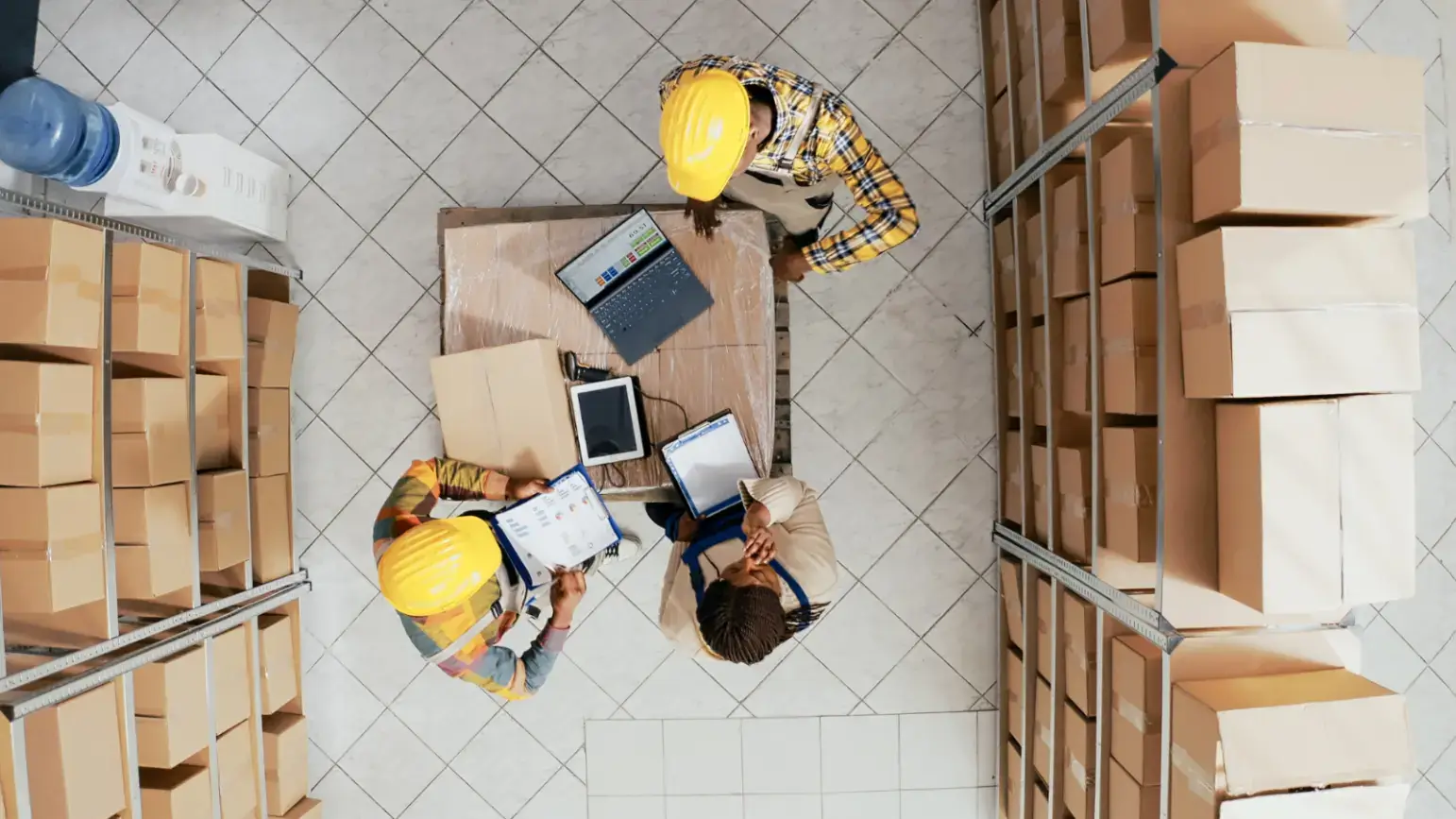
An e-commerce customer's journey doesn't end at checkout: it culminates at their front door. This final delivery moment represents the make-or-break point for customer satisfaction and repeat business.
Consumers have endless options at their fingertips, and the last mile of delivery has evolved from a simple logistics operation into a powerful differentiator that can determine whether a customer becomes a loyal advocate or abandons your brand entirely.
In this article:
- Understanding the Importance of Last-Mile Logistics
- The Connection Between Last-Mile Delivery and Customer Loyalty
- Enhancing Last-Mile Logistics for Loyalty
The importance of last-mile delivery, the critical final step in the supply chain, can’t be overstated. The challenges of opaque or delayed deliveries, combined with the surge in consumer expectations for speed and real-time tracking, have made last-mile logistics a strategic imperative.
When executed seamlessly, a transparent delivery experience becomes a brand's strongest loyalty driver, turning the final mile into the first impression of future purchases.
Source: Pexels
Understanding the Importance of Last-Mile Logistics
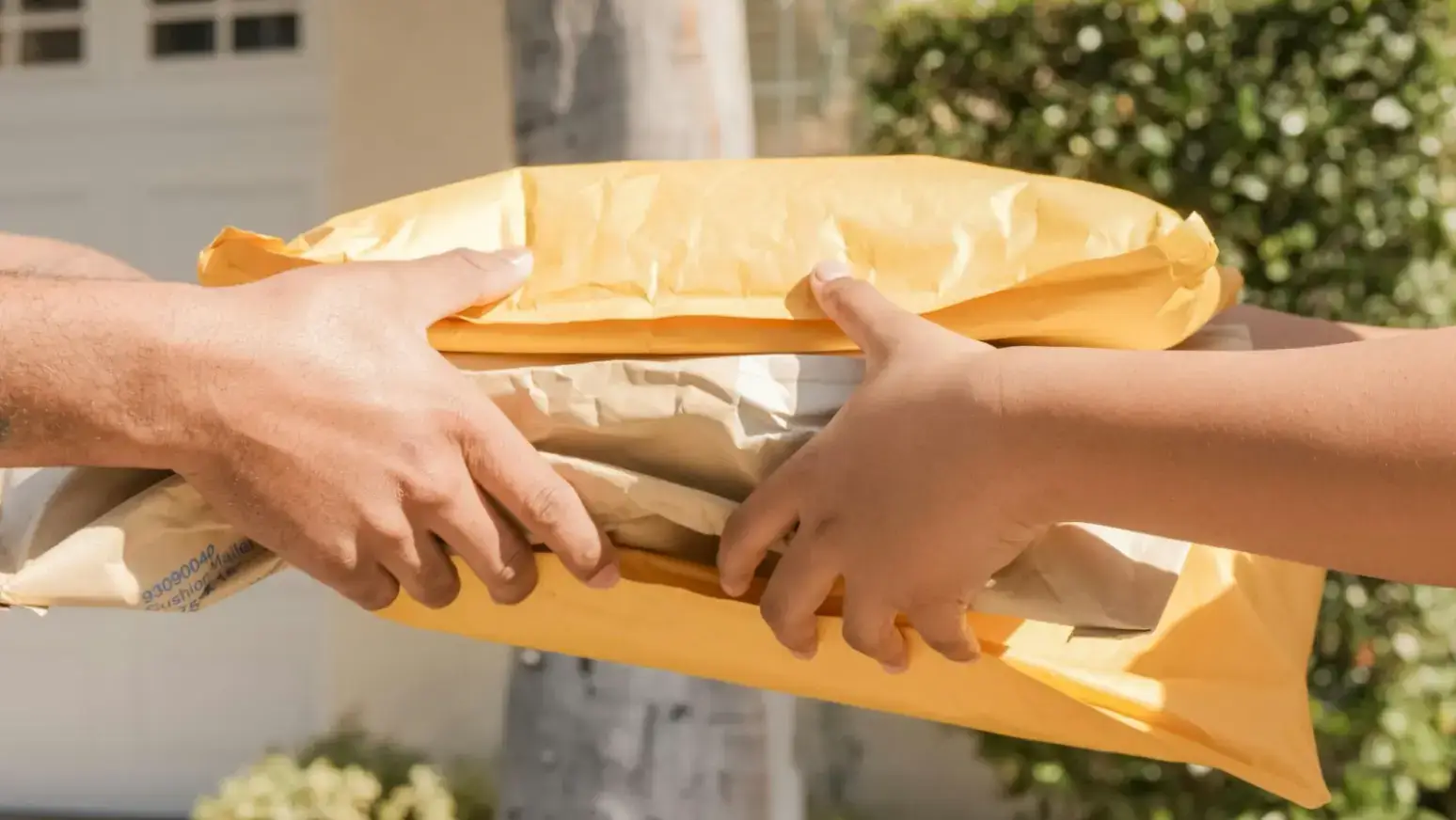
Last-mile delivery refers to the very last step of the delivery process, where a parcel moves from a transportation hub or local warehouse to its final destination, typically a customer's residence or retail store.
While we call it ‘last mile’, this journey can range from a single block to 100 miles, but regardless of distance, it represents the most visible and memorable part of the entire supply chain experience for consumers.
The 'last mile problem' reveals a fascinating paradox: this seemingly shortest leg of the delivery process is paradoxically the most expensive and time-consuming part of the entire logistics operation.
Inefficiencies at this stage directly affect your overall performance and profitability, making optimization crucial to business sustainability.
The key operational steps in last-mile delivery create multiple touchpoints where customer satisfaction can be won or lost.
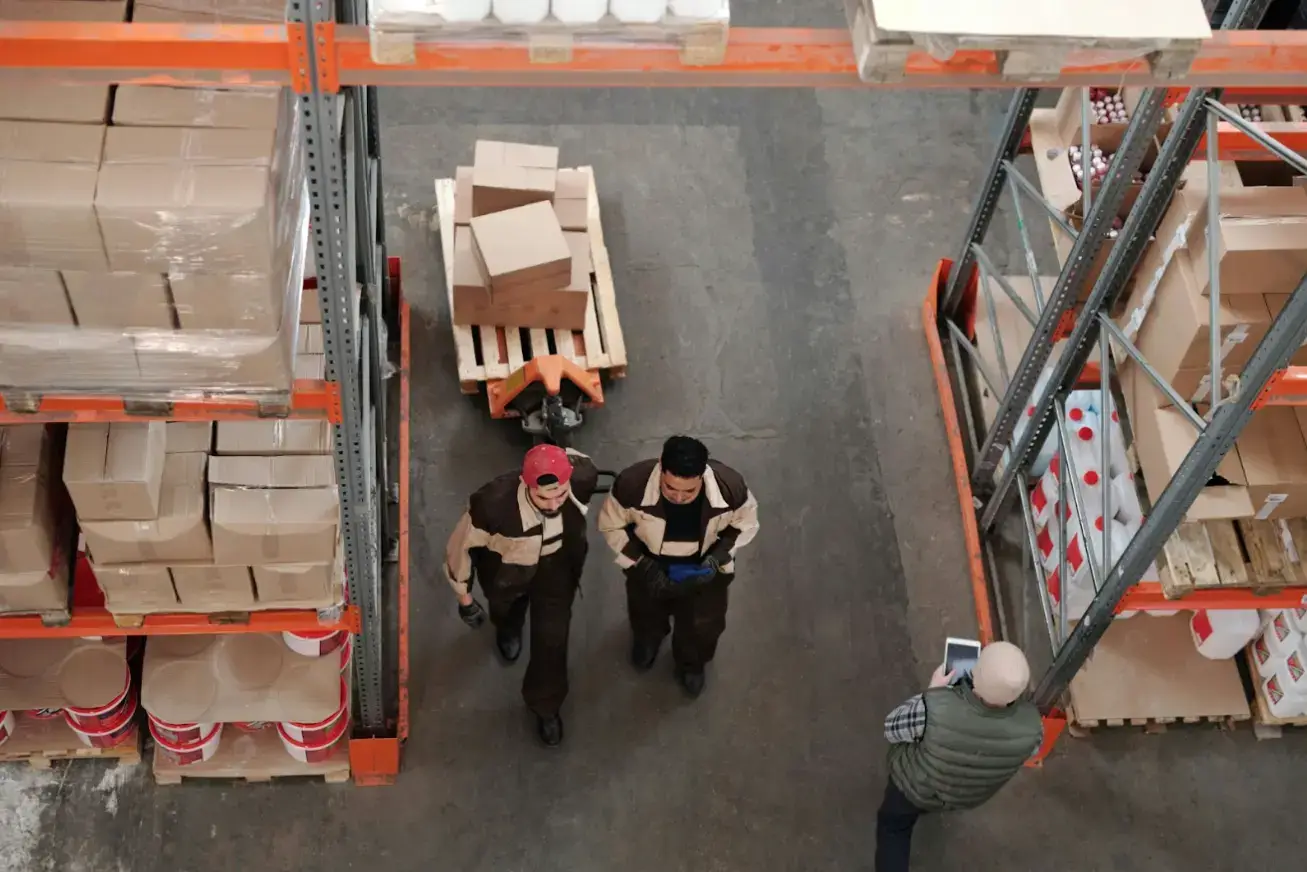
The process typically involves orders being digitally entered into management systems, arriving at transportation hubs for sorting, being assigned to delivery personnel based on optimized routes, being scanned before loading onto vehicles, and finally reaching the end recipient with proof of delivery.
“Specialized last‑mile services can transform the final delivery phase into an opportunity for brands to impress and build long‑term customer loyalty.” - Steve Sensing, President, Supply Chain Solutions at Ryder
The Connection Between Last-Mile Delivery and Customer Loyalty
Skyrocketing Consumer Expectations
Modern consumers have fundamentally altered their expectations around delivery speed and affordability.
Same-day and next-day delivery have rapidly evolved from luxuries to standard expectations, becoming crucial competitive differentiators for online retailers.
Many shoppers will forgo a purchase entirely if shipping times are too slow, with approximately 25% of consumers switching retailers when delivery doesn't arrive within 3.5 days.
The demand for transparency and real-time tracking has become critical. Customers now expect precise, real-time updates on their package's whereabouts, moving far beyond generic 'out for delivery' notifications.
The integration of AI and machine learning technologies has made real-time tracking a crucial element in enhancing operational efficiency and customer satisfaction.
Uncertainty about delivery times has become a major source of frustration, with consumers increasingly valuing the ability to plan their day around accurate delivery windows.
Convenience and flexibility have emerged as key differentiators in the modern delivery landscape. Consumers increasingly value the ability to choose how and when they receive their packages, leading to innovations like local collection points, smart lockers, and flexible delivery windows.
Parcel locker systems have become indispensable in logistics, retail, and e-commerce, reflecting the growing need for flexible delivery options that fit into busy lifestyles.
The High Stakes of the Delivery Experience
The impact of poor delivery experiences extends far beyond individual transactions, creating ripple effects that can damage brand reputation and customer relationships.
A negative delivery experience leads to poor perceptions of both the product and the company, and if a customer shares their frustrations online, whether on their social media or review sites, it will spread this reputational damage further
The financial consequences of delivery failures reveal hidden costs that many businesses underestimate.
Operational inefficiencies, such as missed deliveries due to customer absence or incorrect addresses, incur significant reattempt costs, with failed domestic deliveries averaging $17.20 in additional expenses per order.
Returns represent an unwanted encore in logistics, with 95% of shoppers indicating that complicated return processes make them less likely to shop with a brand again.
The scale of this challenge is staggering, with returns costing U.S. retailers $103 billion in 2024, underscoring the importance of efficient returns management, or reverse logistics, for maintaining customer satisfaction.
On the other hand, businesses that excel in last-mile delivery experience significant rewards. A seamless and quick delivery experience builds trust and loyalty, leading to repeat purchases and positive word-of-mouth referrals.
Companies offering exceptional last-mile delivery experiences can see customers spend up to 74% more, while optimizing last-mile efficiency slashes fuel, labor, and maintenance costs while enhancing profitability.
Source: Pexels
Enhancing Last-Mile Logistics for Loyalty
Leveraging Artificial Intelligence and Automation
Artificial intelligence is profoundly transforming last-mile delivery, promising enhanced speed, accuracy, and cost-effectiveness.
Companies that integrate AI into their logistics operations grow three times faster than competitors and can reduce logistics costs by up to 15% while improving delivery times by 20%.
However, successful AI implementation requires careful preparation, including data readiness, AI talent acquisition, comprehensive employee training, and the establishment of a governance task force to oversee integration.
Route optimization represents one of the most impactful applications of AI in last-mile delivery. AI algorithms dynamically optimize delivery routes in real time, accounting for factors such as traffic conditions, delivery windows, package locations, and vehicle capacity.
Combined with drone mapping, these systems gain more accurate, up-to-date geographic data, improving navigation in complex or hard-to-reach delivery areas.
This capability significantly reduces delivery time, fuel consumption, and vehicle wear and tear while improving customer satisfaction through more accurate delivery predictions.
These optimized delivery routes are especially important for international deliveries. AI can plan out routes that avoid conflict zones or higher costs when crossing borders, and even produce automatic translations for the required documentation.
Predictive analytics and demand forecasting enable businesses to anticipate future demand patterns and optimize inventory levels accordingly.
AI accurately forecasts demand to optimize inventory and delivery timetables, reducing storage expenses and increasing order fulfillment rates. This capability allows companies to pre-inform customers about potential price surges or delays.
AI-powered capacity planning automates parcel sorting and vehicle loading by considering multiple factors, including package volume, distance, and vehicle types.
The AI algorithms can ensure delivery vehicles are loaded to optimal capacity, resulting in fewer trips for the same amount of products, reducing overall fuel consumption and emissions while improving operational efficiency.
"Compared to pre-AI methods that relied on static routing rules or dispatcher intuition, [AI] now responds dynamically to real-world conditions at scale." - Andrew Leone, CEO of Dispatch
Strategic Operational Enhancements
Source: Ecourier
Enhanced customer service and communication form the foundation of exceptional last-mile experiences.
AI-enabled chatbots can better understand customer intent, providing accurate, quick solutions to routine inquiries while offering personalized delivery options.
As stated earlier, efficient reverse logistics has become crucial for maintaining customer loyalty.
Businesses should implement clear return policies, ensure swift refunds, provide reliable return tracking, and offer multiple convenient return methods. In particular, offering flexible options is a huge bonus, as roughly 50% of consumers opt for in-store returns.
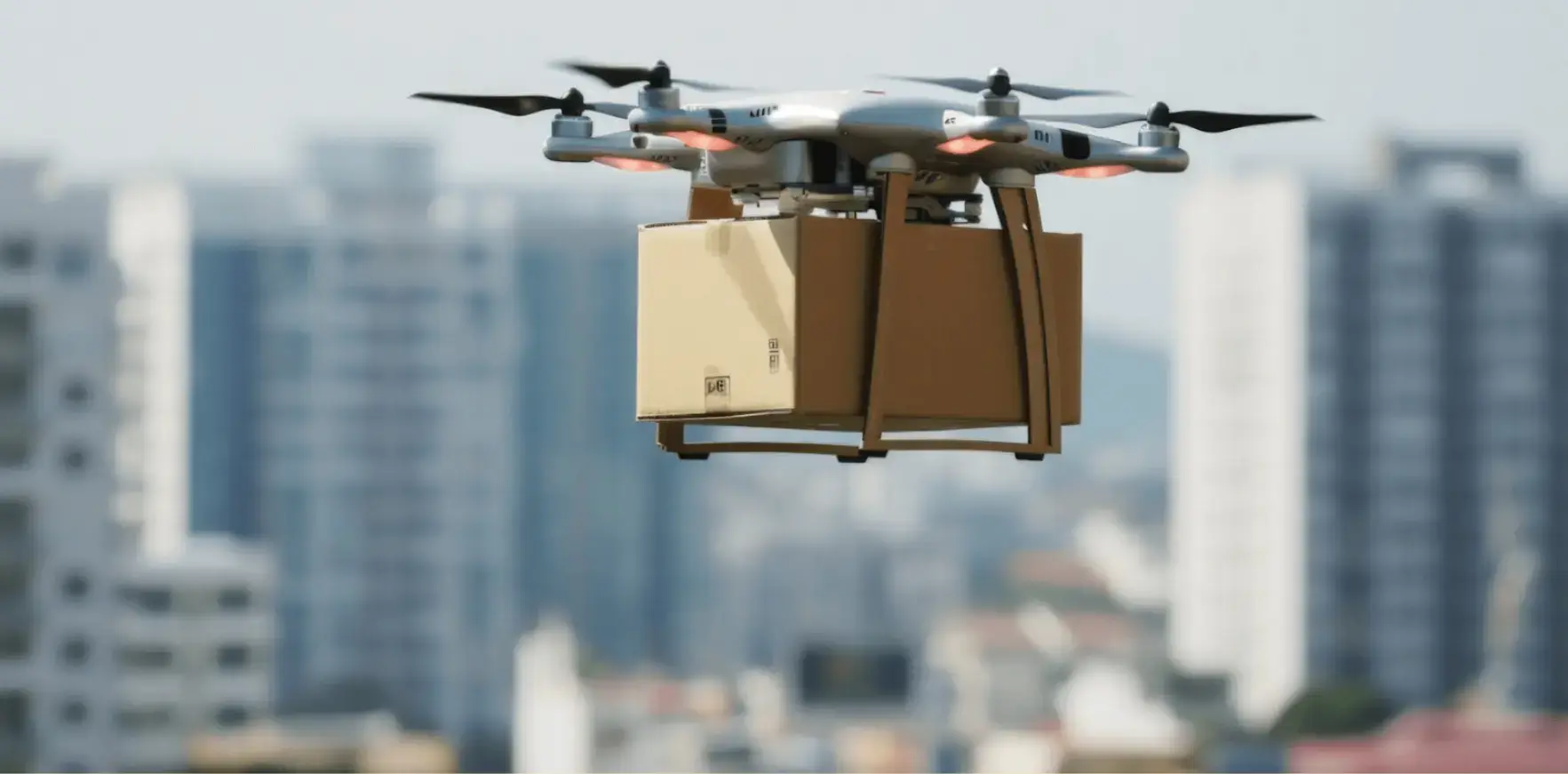
Autonomous vehicles and drones represent the cutting edge of last-mile innovation.
Many delivery companies are actively testing and developing autonomous solutions, including ground robots, aerial drones, and various autonomous vehicles. These technologies enhance mobility and vehicle capacity while reducing delivery times and facilitating same-day delivery.
Some reports claim the average drone delivery time is as little as 20 minutes. Combined with robotic delivery systems potentially operating 24 hours a day, you could be looking at significantly reduced labor costs and improved service availability.
Security is also critical. Supply chains (both physical and digital) are critical to efficient last-mile logistics, and they’re prime targets for attacks from criminals.
AI not only adds an extra layer to cyber defenses but can also be used to quickly identify alternatives if there are disruptions to logistics supply chains.
Micro-warehousing and urban logistics strategies focus on strategically locating warehouses and distribution centers closer to end consumers, particularly on the outskirts of urban areas. This approach reduces delivery distances and improves cost efficiency while enabling faster, more accurate delivery times.
The development of micro-fulfillment centers and solutions for dense urban environments, such as using smaller vehicles, bicycles, or walking couriers, helps navigate congestion and improve efficiency in challenging delivery environments.
Sustainability initiatives have evolved from nice-to-have features to business necessities. AI streamlines delivery processes and routes to lower carbon footprints, while the adoption of electric fleets, optimized packaging, and reduced emissions is becoming standard practice.
The Future of Last-Mile Delivery
A relentless focus on customer experience in last-mile delivery has become paramount for building trust, ensuring satisfaction, and driving repeat business.
The future of last-mile delivery will continue to be shaped by the constant evolution of AI and other emerging technologies, alongside rising consumer expectations for real-time, personalized, and sustainable delivery options.
Companies that successfully integrate these technologies while maintaining a customer-centric approach will gain significant competitive advantages.
FAQs
What is last-mile logistics?
Last-mile logistics refers to the final step of the delivery process—moving a package from a transportation hub to its end destination, typically a customer’s home or store. Though it's the shortest leg, it's often the most complex and costly. This stage is the most visible to customers and crucial for their overall experience.
How does it boost customer loyalty?
Seamless last-mile delivery builds trust and satisfaction, which increases the likelihood of repeat purchases. Poor delivery experiences can damage brand perception and drive customers to competitors. When done well, last-mile logistics becomes a key differentiator and loyalty driver.
What do customers expect today?
Today’s customers expect fast, affordable, and flexible delivery options. Real-time tracking and accurate delivery windows are now considered standard. Convenience features like smart lockers, local pickups, and easy returns are also in high demand.
Which technologies make last-mile logistics better?
Artificial intelligence and automation enhance route optimization, demand forecasting, and capacity planning. Tools like real-time tracking, autonomous delivery vehicles, and AI chatbots improve speed, accuracy, and communication. These technologies lower costs while elevating customer satisfaction.
What’s next for last-mile logistics?
The future of last-mile logistics will be shaped by rising consumer expectations and rapid tech innovation. AI, drones, and micro-fulfillment centers will make deliveries faster, smarter, and more sustainable. Businesses that prioritize customer experience and operational efficiency will gain a competitive edge.

Author Bio
Shanice Jones is a techy nerd and copywriter from Chicago. For the last five years, she has helped over 20 startups build B2C and B2B content strategies that have allowed them to scale their business and help users around the world.