
For small business owners, the battle for customers is won or lost in the neighborhood.
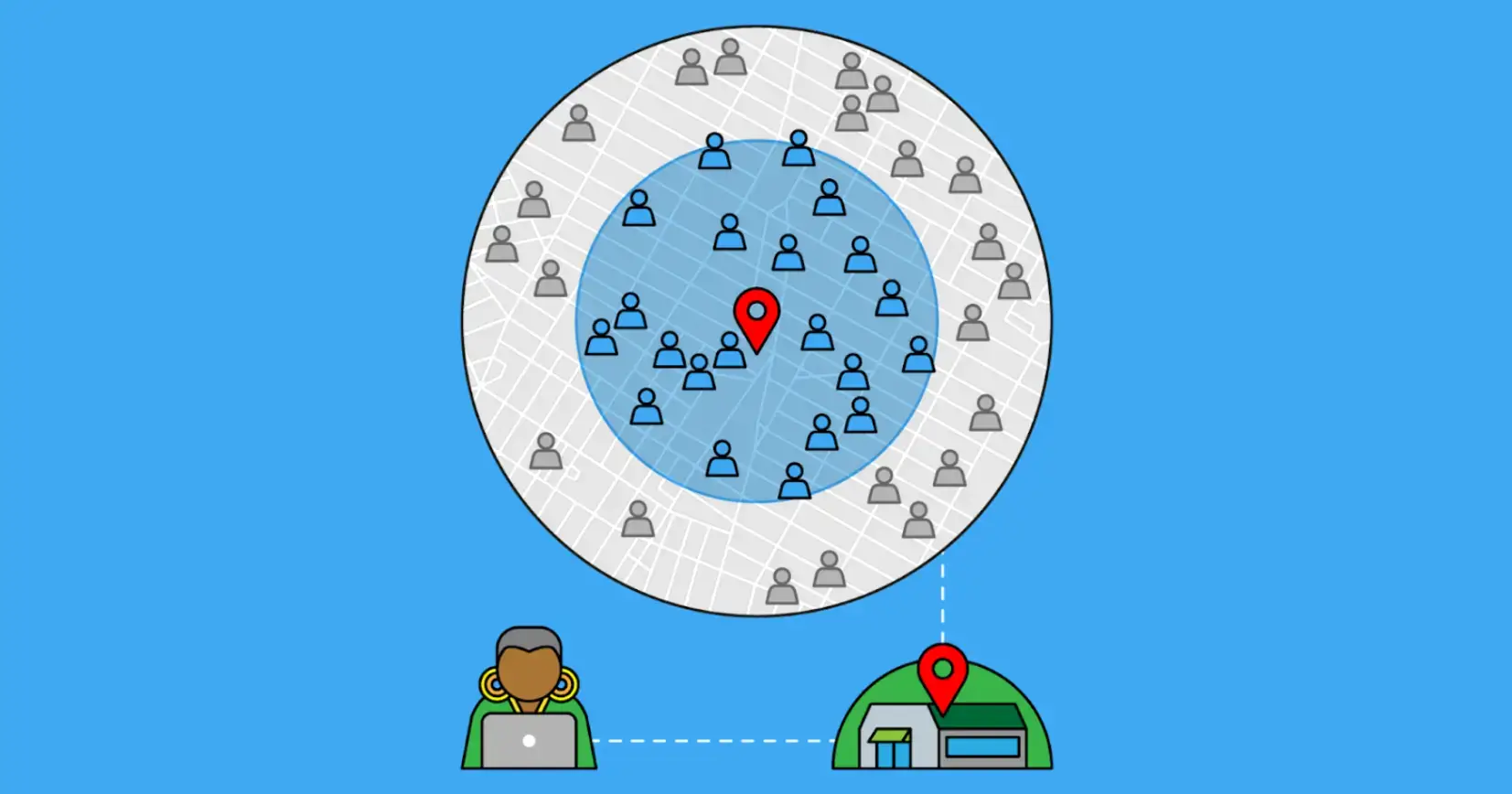
Whether you run a local coffee shop, a boutique agency, or a contracting business, you know that hyperlocal marketing—targeting customers in a specific, highly defined geographic area—is effective.
The most successful campaigns, as Carlos Rosado, SEO Director at Ignite Visibility, notes, balance technological precision with authentic community engagement; it’s not just about appearing in local searches but becoming genuinely integrated into neighborhoods and communities.
But there is a catch: it is incredibly time-consuming.
To do it right, you need to know everything happening in your town: which competitors are running promos, where the new construction sites are, and what local events are trending.
Doing this manually means spending hours every morning reading local news sites, forums, and social feeds. As brands grow, this kind of hands-on monitoring quickly becomes unsustainable.
According to Karan Narang, VP of Business & Strategy at AdGlobal360, manual approaches are seldom consistent, real-time, or personalized—leading to errors, inefficiencies, and higher costs—making technology intervention and automation essential for scalability and cost-effectiveness.
The good news? You don’t have to do it manually anymore. By using smart automation tools and data feeds, you can put your hyperlocal strategy on autopilot.
Here is how small businesses can stop grinding and start growing.
Why “When” Matters More Than “Where” in Hyperlocal Marketing
Most people think hyperlocal marketing is just about geography (e.g., “Show this ad to people within 5 miles”). But the real secret to high conversion rates is timing.
This is event-triggered marketing. It requires you to monitor local data streams constantly—something a human can’t do at scale, but a machine can. This shift aligns with the evolution of search and discovery.
John Mueller, Google’s Senior Search Analyst, has emphasized that AI agents are no longer just looking at websites; they evaluate an entire local footprint, including who mentions a business, in what context, and how it connects to nearby landmarks and events.
The Engine Behind Hyperlocal Automation: Data Feeds Explained
So, how do you track every mention of your town, your industry, or your competitors without gluing your eyes to a screen?
While that sounds technical, for a business owner, it simply means a tool that automatically scans thousands of news sites and blogs every minute to find the specific keywords you care about.
Instead of you searching for "New business opening in [Your City]," the system does it for you 24/7 and delivers the results to your dashboard or inbox.
Here are three practical ways to use this technology to grow your business.
1. Automate Your Content Strategy (Newsjacking)
Source: brightlocal
One of the best ways to rank for "Near Me" searches is to write about local topics.
But finding fresh ideas is hard. To bridge this gap, businesses should combine automated data with proven local SEO techniques to grow traffic, ensuring the content they generate actually reaches the neighbors they’re targeting.
By setting up automated alerts for local events (festivals, charity drives, town council updates), you can get a daily digest of topics to post about, turning your business into a reliable local resource your neighbors recognize and trust.
- The Workflow: Set a monitor for keywords like "Festival [City Name]" or "Road Closure [Neighborhood]."
- The Result: You become the go-to source for local info on social media, building trust with your neighbors without spending hours researching.
2. Monitor Competitors Without Obsessing

Source: aim
You shouldn't ignore your competition, but you shouldn't waste your day stalking their Facebook pages either. Automated "Listening Stations" can track specific competitor brand names across the web.
The moment a rival shop is mentioned in the local press, you get an alert that lets you launch a counteroffer or highlight your unique value proposition instantly.
You can set up "Listening Stations" to track specific competitor brand names. The moment a rival shop gets mentioned in the local press or launches a PR campaign, you get an alert.
- The Workflow: Use a data tool to track mentions of your top 3 competitors within your city's domain extensions or local publications.
- The Result: You can react instantly—perhaps by launching a counteroffer or highlighting your own unique value proposition—ensuring you never lose market share due to a surprise promo.
3. Hyperlocal Lead Generation for B2B Businesses
Source: iSmart Communications
If you sell to other businesses (e.g., an IT firm, a cleaning service, or a commercial contractor), your best leads are companies in transition.
This style of event-triggered outreach is the future of maximizing lead generation, as it focuses on high-intent signals rather than cold outreach.
Using a data feed, you can scan for business signals like "New office opening" or "Funding secured" and reach out with a hyper-personalized offer the moment a prospect needs you most.
Using a data feed, you can scan for business signals like:
- "New office opening"
- "Funding secured"
- "Hiring spree"
For robust and real-time discovery, solutions like NewsCatcher’s Web Search API allow you to filter through millions of online articles to pinpoint these exact signals in your specific location.
Once you identify these triggers, you can reach out with a hyper-personalized offer: "Congrats on the new office! Do you need help setting up your IT infrastructure?"
Conclusion: Work Smarter, Not Harder With Hyperlocal Automation
Hyperlocal marketing doesn't require a massive team; it just requires better listening. By moving away from manual research and embracing automated data tools, you can ensure your business is always in the right place at the right time.
Stop chasing the news. Let the news come to you, and watch your local engagement grow.
Frequently Asked Questions About Hyperlocal Marketing Automation
What is hyperlocal marketing?
It is a strategy that targets customers in a highly specific, small geographic area (like a neighborhood). Unlike broad local marketing, it focuses on timing and community events rather than just distance.
Why should I automate my local marketing?
Manual monitoring of local news and social feeds is time-consuming and inconsistent. Automation tools—often called "listening engines"—track local data 24/7, allowing you to scale your efforts without the manual grind.
How does automation help with lead generation?
It uses event-triggered data to find prospects in transition. For example, a B2B company can receive an automatic alert when a new office opens or when a business secures funding, enabling immediate, personalized outreach.
Can I track competitors using automation tools?
Yes. You can set up "Listening Stations" for competitor brand names. When a rival is mentioned in local news or launches a promo, you receive an alert that lets you make a counteroffer instantly.
What is local newsjacking?
Newsjacking involves creating content around trending local topics (like festivals or road closures). Automation provides a daily digest of regional events, helping you stay relevant in "Near Me" searches and build community trust.
