

For years, marketers have asked one question: Can an excellent product description sell a product? Look no further than Amazon. They are the masters of effective product marketing.
A well-written product description does more than explain what a product is—it highlights key benefits, answers customer questions, and helps persuade shoppers to complete a purchase.
One of the main reasons behind its success is well-crafted product descriptions. They hook people from the beginning, so you can't stop scrolling. Want to learn how you can do it, too?
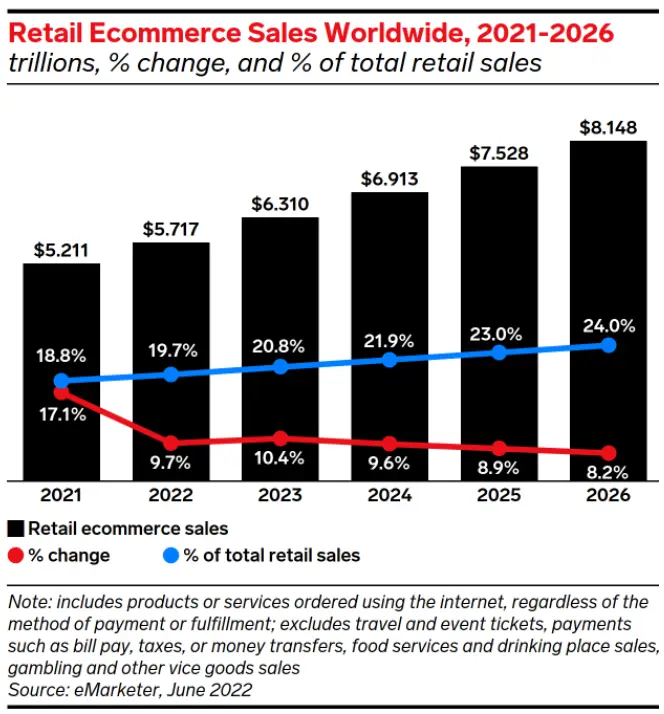
You must know your customer and build a brand-specific tone of voice. After all, global eCommerce will reach a whopping estimate of USD 6.5 trillion in sales in 2023.
What Is a Product Description?
A product description is written content that explains what a product is, what it does, and why customers should buy it.
On ecommerce websites, product descriptions help shoppers understand a product's value before making a purchase.
Effective product descriptions typically include:
- key product features
- customer benefits
- usage information
- technical specifications
- persuasive language that encourages buying
Because online shoppers cannot physically examine products, product descriptions play an important role in building trust and reducing purchase uncertainty.
Why Product Descriptions Are Important
Product descriptions directly influence whether visitors convert into customers.
Improve conversion rates
Clear descriptions help customers understand a product's value and make confident purchasing decisions.
Many ecommerce brands combine strong product descriptions with high-quality product images and customer reviews to improve conversion rates.
Reduce customer questions
Well-written online store descriptions answer common questions about product size, materials, functionality, and use cases.
Improve search engine visibility
Product descriptions that include relevant keywords can help ecommerce pages rank higher in search results.
Support brand voice
Descriptions also help communicate a brand’s tone, personality, and value proposition.
Product descriptions are often the first interaction customers have with your brand. They're the first thing they read and evaluate when they arrive on your website.
You need to know who you're writing them for to get the most out of your product descriptions.
Here's a quick list of actionable steps to craft compelling product descriptions.
10 Tips to Write Enticing Product Descriptions
Writing a great product description can be challenging, but it is the cornerstone of product marketing, so it's an essential skill if you want to increase sales.
With product description generator descriptions that captivate your audience and convert them into loyal customers.
That section of your website and e-commerce store informs the reader about the product and encourages them to take the next step and purchase it.
When planning your product description, consider the value it conveys, the audience, and "you."
Continue reading to discover how to write product descriptions that compel your buyers to choose you over your competitors every time:
1. Know your customer
Make it about the customer, not about you or your business.
The first step in writing great product descriptions is knowing who your customers are and what they want from your description.
Who are your customers? Are they all in one demographic group? Do they have similar needs? What makes them tick? These are essential questions to ask yourself before you start writing anything.
The more you understand who your customers are and what they want from the products in your eCommerce store, the easier it will be to write compelling copy that gets their attention and persuades them to buy them.
2. Build a brand tone of voice
Write your product description uniquely. Create a brand tone of voice that fits your brand's personality.
It will help guide your content creation going forward, including blog posts, social media posts, emails, and more. It also gives you a baseline for writing each piece of copy so it sounds natural, not forced or unnatural.
Your brand voice is the personality that defines your business.
It can be playful or serious, funny or informative, formal or casual. The way you define your brand's voice is to turn your customers into your brand advocates.
Use this tone for all your copy, including product descriptions.
3. Show, don't tell
It's tempting to tell your customers about your product's features and benefits.
But this only sometimes works well because it doesn't allow their imagination to explore other possibilities. Instead, show them what they're getting into by giving an example of how it works in real life.
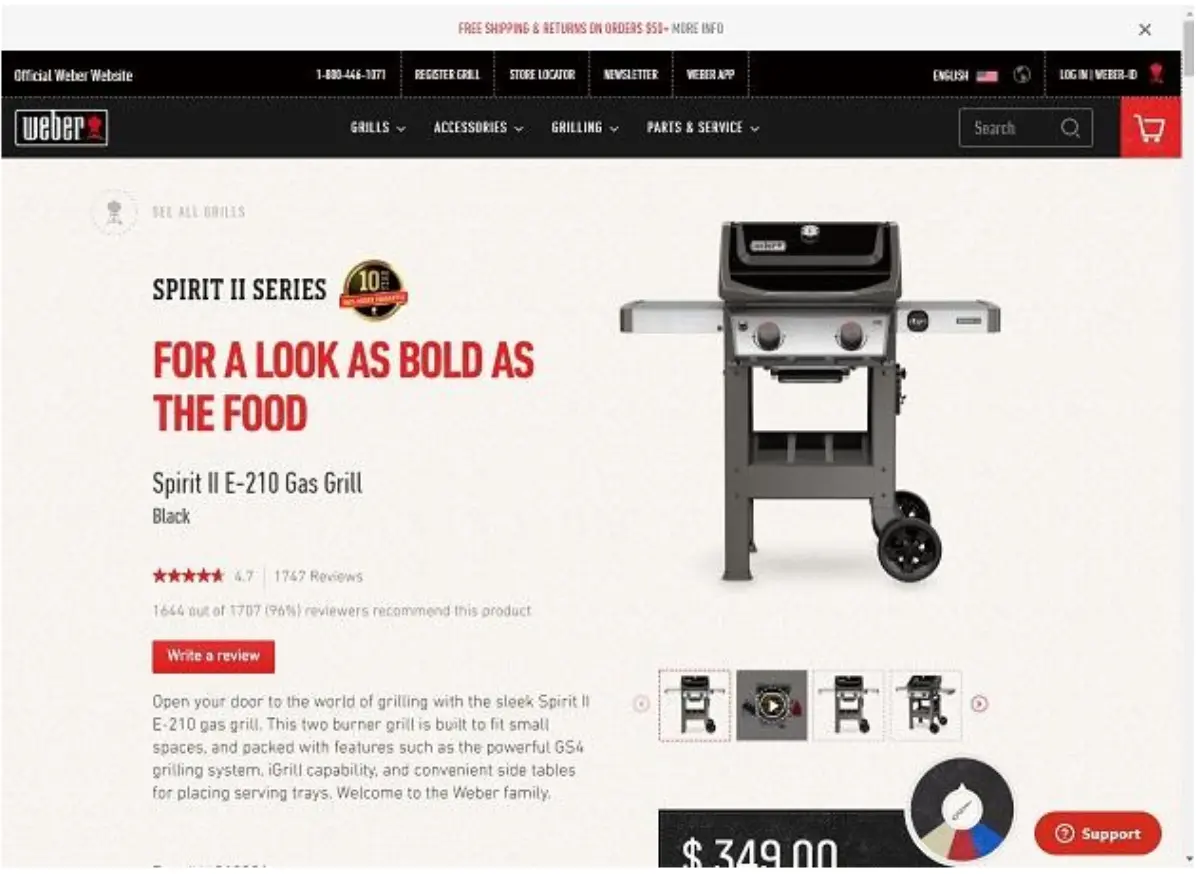
Instead of telling your reader what something is and how it works, show them. Use action verbs and vivid descriptions that bring your product to life.
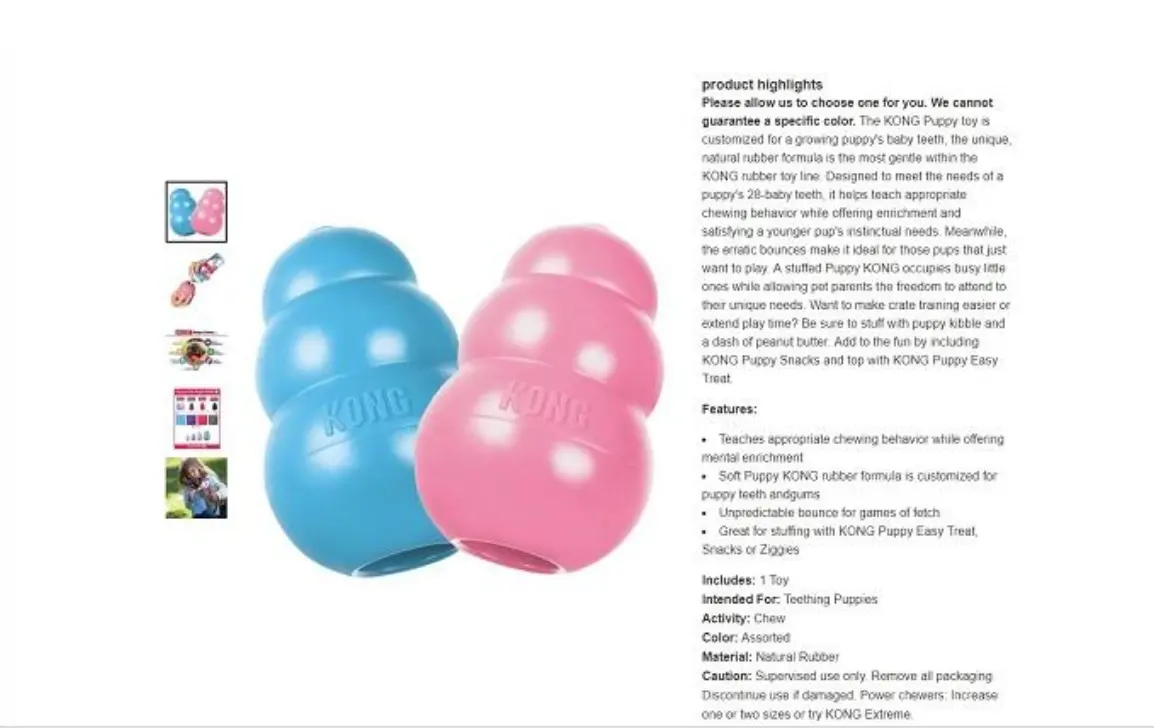
When describing your product, focus on what it can do for the customer, not what it is made of or how it was manufactured. For example, instead of saying, "this toy has three squeakers," say, "this toy will keep your dog busy for hours."
To ensure originality before publishing, run your copy through a plagiarism checker.
4. Craft a story
Write the description from the buyer's perspective.
The best way to get people interested in your product is by telling them a story about what it could do for them or how it would make their lives easier or more fun.
When people read about benefits that sound too good to be true, they likely assume something isn't right with the product and move on to another company's site rather than purchase yours.
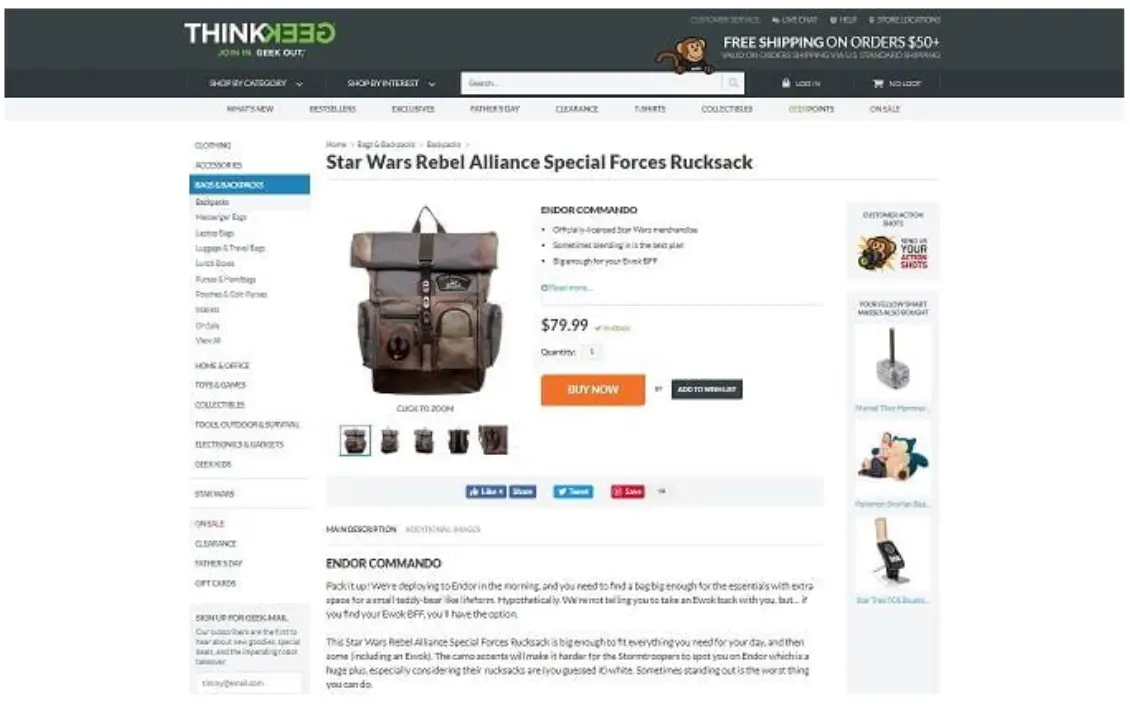
Every product has its own unique story. Your customers want to know what makes your product unique:
Why should they buy it over others?
How does it solve their problems?
5. Write an easy-to-read description
Moreover, a concise, to-the-point product description fosters positive user interaction with a brand. Thus, a writer should space out his sentences well, keep the sentences short and get to the point sooner rather than later.
There are numerous cases when managers take advantage of the help of an essay rewriter, such as the best college essay writing service at Essaypro, and create a truly outstanding description.
6. Paint a picture
Form a powerful connection with the customers. Paint a picture of your product in your reader's mind by describing how it looks, feels, smells, and tastes.
For example: "The color is a deep red with hints of burgundy." Or "These customizable soap boxes smell like grapefruit and honey."
This kind of writing is effective because it gives your customer a clear picture of what they would look like if they bought your product and how much better their life would be afterward.
7. Use brackets & parentheses for additional information
Eliminate clutter—don't let words get in the way. Brackets and parentheses are part of best practices for writing enticing product descriptions and adding extra information.
Use them to give more color and detail to your product descriptions, making them more powerful and enticing.
For example, if you sell a widget with a specific feature, use brackets around the feature name so that buyers know exactly what they're getting when they purchase your product.
8. Keep things short, simple, and to the point
Take the time to reread and edit what you've written. Your product descriptions should be quick reads that focus on what you want people to know about your products.
Avoid long paragraphs filled with unnecessary information. If you need more information about a particular feature or aspect of your product, then include it in an FAQ section at the end of your description.
The first sentence should be the most critical part of your copy. Here, you'll introduce your product, describe its benefits, and answer any questions potential customers might have.
It’ll keep your customers returning to your website as it helps them efficiently with their purchase journey.
9. Integrate keywords seamlessly throughout the copy
Analyze the competition. When people search for products online, they often look for specific terms related to their needs and wants.
Aim for just one keyword per paragraph or sentence so readers can quickly scan for keywords instead of reading through wordy paragraphs or sentences just for them.
Using keywords seamlessly is something you can master by improving your creative writing skills, as integrating keywords is as much about SEO relevance as grammatical fluidity.
By using relevant keywords in your product descriptions, you'll be able to rank higher for those searches, which means more clicks for you!
10. Write conversationally and never personally
Product descriptions should be easy to read and understand quickly. Avoid overly technical language unless your audience expects it.
Avoid jargon, acronyms, and slang. 67% of buyers even prefer product descriptions in their native language.
You're writing for your customers, not yourself or your company. Read your description out loud and make it sound natural. Write in the second person (you) and avoid using first-person pronouns (I, we).
Conversational writing is friendly, informal, and down-to-earth. It's an excellent way to connect with your customers and build trust and loyalty.
Examples of Effective Product Descriptions
Example 1: Fitness Water Bottle
Key benefits highlighted:
- durability
- convenience
- fitness use case
Example 2: Wireless Headphones
Key benefits highlighted:
- sound quality
- comfort
- wireless convenience
Common Product Description Mistakes
Many ecommerce businesses struggle with product descriptions because they focus too heavily on technical details.
Writing overly generic descriptions
Descriptions that could apply to any product fail to differentiate your offering.
Ignoring customer benefits
Listing product features without explaining their value can make descriptions less persuasive.
Using duplicate content
Copying manufacturer descriptions can harm SEO and reduce originality.
Writing descriptions that are too long
While detail is important, descriptions should remain concise and easy to read.
Wrapping Up
Fortunately, there are plenty of techniques for crafting product descriptions that sell. Follow the advice in this guide, and you will be well on your way to writing compelling product descriptions soon.
After all, a good marketing strategy starts with a great product description. And now you're one step closer to crafting a winning description.
Frequently Asked Questions
1. What makes a good product description?
A good product description clearly explains product features and benefits while persuading customers to make a purchase.
2. How long should a product description be?
Product descriptions typically range from 100 to 300 words, depending on the product's complexity.
3. Should product descriptions include keywords?
Yes. Including relevant keywords can help improve search engine visibility and drive organic traffic to product pages.
4. Why are product descriptions important for ecommerce?
Product descriptions help customers understand products, build trust, and improve conversion rates.

Author Bio
Alex Garcia is a content editor and writer at Writers Per Hour. She enjoys writing (and reading) about small business marketing, entrepreneurship, and design. When she's not writing, she's probably learning a new skill.