

What if I tell you that your decisions are no longer going to be determined by the experience you’ve had in the industry or the gut instinct you’ve utilized for decades?
Today, almost everything we do, whether it's a call, a chat, a click, or just browsing online, leaves behind data. Smart businesses use that data to make better decisions. That's exactly where sales analytics tools come in.
In this article:
- Key Sales Metrics and Types of Analytics
- The Sales Analysis Process: A Step-by-Step Guide
- Best Practices for Using Sales Analytics
Did you know:
- In fact, 74% of top-performing sales teams report relying on data-driven insights to guide their strategies and decisions. (Source: Salesforce State of Sales Report)
- With analytics, businesses are making decisions 5X faster than their competitors. (Source: McKinsey Analytics Report)
- With lead targeting and forecasting, companies have witnessed a 20% surge in their revenue. (Source: HubSpot State of Inbound)
From predicting customers' next needs to forecasting revenue, sales analytics has come a long way. Let us learn in detail how it is used in making smart business decisions.
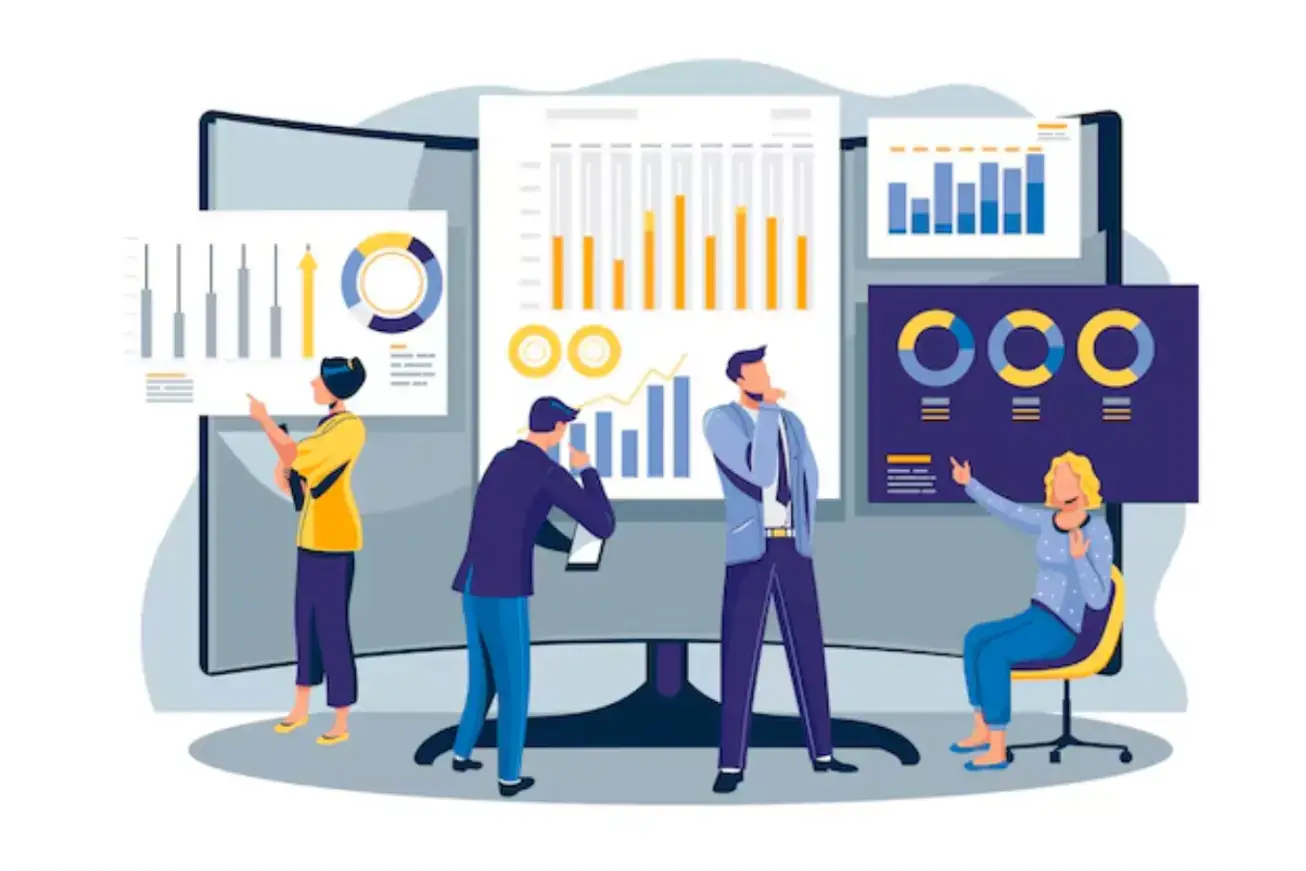
Key Sales Metrics and Types of Analytics
As discussed earlier, every trail is data. However, when making intelligent decisions, it is important to understand what to measure and how to interpret the results.
Here are some important metrics that are monitored:
- Lead Conversion Rate: This metric measures the effectiveness of sales strategies by calculating the percentage of leads that convert and generate revenue.
- Average Deal Size: It helps analyze the revenue quality, enabling sales strategies to be optimized.
- Sales Cycle Length: Understanding the sales cycle duration is important, as a shorter cycle indicates more efficient operations.
- Pipeline Velocity: This measures how quickly deals move through the funnel.
- Customer Retention Rate: In subscription-based models, it is important to understand the customer retention rate.
- Forecast Accuracy: It shows how well your sales team forecasts outcomes.
However, businesses rely on four layers of analysis:
- Descriptive Analytics: What happened?
- Diagnostic Analytics: Why did it happen?
- Predictive Analytics: What will happen?
- Prescriptive Analytics: What you should do next
With these analytics, companies can make better decisions more quickly.
The Sales Analysis Process: A Step-by-Step Guide
The best way to use sales analytics tools is not only to collect data but also to understand how useful insights can be derived from it to support decision-making.
This is a systematic, repeatable framework that you may use to take advantage of your analytics setup:

Source: Freepik
Step 1: Define the Project
Begin with precision. Which business question do you want to answer? Is it raising the win rates? Reduction of the sales cycle? Finding the best reps?
Your analysis is more effective when you set clear, measurable objectives, and you can complete it without overloading yourself with data.
Step 2: Collect and Refine Your Data
Download data that has been gathered in your CRM, spreadsheets, digital marketing tools, and help desks.
Prior to analysis, clean up redundancies, correct formatting, and impute missing values. Good data equals good information. Without this, even the best of the tools will lead to deception.
Step 3: Choose the Right Tools
Calculate how frequently you need to perform the analysis. Based on that, choose the right platform.
Additionally, ensure the tool you purchase integrates easily with your existing system, and focus primarily on your long-term goals.
Step 4: Perform the Analysis
Make a list of well-defined key performance indicators (KPIs) and, based on that, run the reports.
Segment the data by rep, region, product line, and funnel stage. You must identify friction in that funnel stage and determine why customer behavior shifts.
Step 5: Visualize the Results
Data needs to be presented in such a way that it is understood by the masses; otherwise, no quality of data is of any use. Use dashboards, charts, and scorecards to showcase your points. Those chart visual files must be shareable.
Best Practices for Using Sales Analytics
The synergy between sales analytics, effective habits, and strategy makes it powerful. These are the key best practices to help you turn data into action; each will be described in detail.
Source: Freepik
1. Set Clear Goals for Your Sales Analytics
Always avoid general goals (like fixing pipelines or boosting sales).
Instead, set measurable, specific KPIs tied to business outcomes, such as a 10 percent increase in win rates, a 30-day-to-45-day reduction in the sales cycle, and a 90 percent increase in forecast accuracy.
A clear goal to make your analytics work focused. You are not sightseeing around with all the numbers—you are tracking the ones that are actually moving the needle.
2. Automate Data Collection for Efficiency
Time and cost are wasted on manual data entry and spreadsheet refreshes, with mistakes inevitable. This process should be simplified using sales analytics.
Create scheduled reports and trigger-based alerts to monitor progress without manually checking it regularly. This will guarantee direct, real-time visibility and free your staff to continue selling rather than entering spreadsheets.
3. Prioritize Data Quality for Accurate Insights
To make good decisions, good data is necessary. Low data quality includes duplicates, stale contacts, inconsistent naming conventions, etc.
This may distort your analysis and lead to a costly misjudgment. Data hygiene should be maintained. Conduct CRM audits and regularly clean and format contact data.
Data-driven marketing relies heavily on accurate, well-maintained data to ensure campaigns are optimized and targeted effectively.
4. Align Sales, Marketing, and RevOps Teams
Analytics can be very effective when it involves aligning a group around data and collective objectives.
All of these, including sales, marketing, and RevOps, need the same insight. This implies centralizing lead sources, attribution methods, and pipeline definitions.
With all teams having access to a single source of truth, it will be easier to tie marketing campaigns to revenue results and identify where leads are falling in the funnel.
5. Make Insights Accessible and Actionable

Source: Pexels
Advanced analytics does not matter unless somebody comprehends it. Create dashboards that are self-explanatory and role-specific; what a sales rep needs to see is not what a VP needs to see.
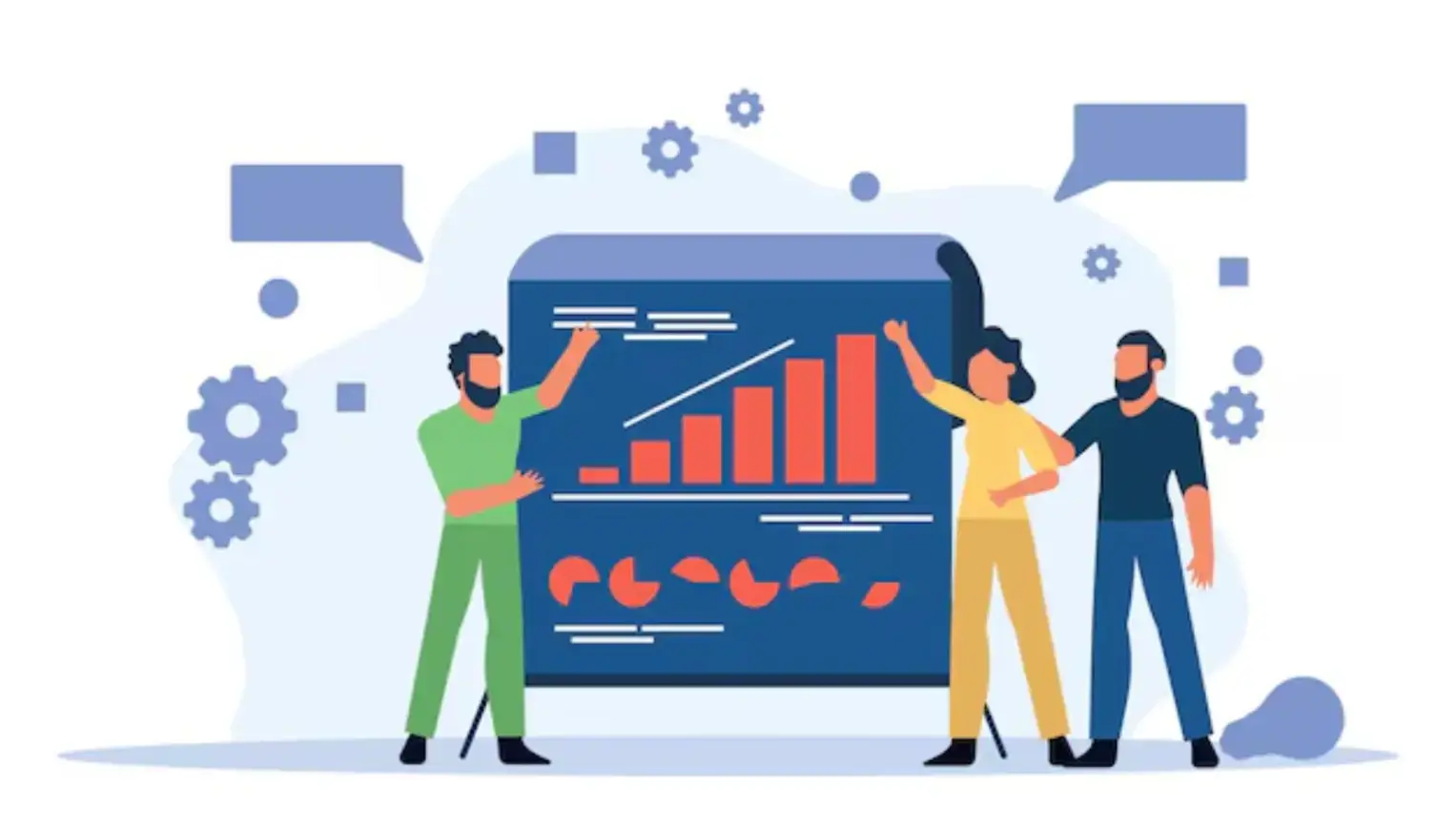
Highlight trends using visual aids such as bar graphs, funnel graphs, and scorecards. Do not only present data; also explain what it means and what should be done next. Train specific personnel to read and utilize insights, not read reports.
Conclusion: Making Sales Analytics Work for You
In the data-driven world, it is no longer optional; it is essential to make better business decisions by using sales analytics tools.
These tools give sales teams clear, confident empowerment to take decisive action by tracking key performance indicators and predicting outcomes.
However, knowledge cannot be reduced to insights only. Businesses that will want to drive impact will need to:
- Identify definite goals and coordinate analytics with strategic objectives.
- Select the tools that are compatible with their processes.
- Adopt best practices for transforming raw data into action plans.
When used effectively, sales analytics is more than a reporting tool; it is a strategic tool. It enables teams to work toward maximum performance, respond to change, and unlock possibilities that might otherwise elude them.
The more intelligent your analytics are, the wiser your choices, and the more competitive you are.
Frequently Asked Questions (FAQ)
1. What's the difference between sales reporting and sales analytics?
Sales reporting shows you what happened, like how many deals you closed or how much revenue you made. Sales analytics helps you understand why those things happened and what to do next. It looks for patterns in the data so you can plan smarter strategies.
2. Can small businesses use sales analytics tools?
Yes, they can and they should! Sales analytics tools are designed for businesses of all sizes. Small businesses can use them to track what's working, understand customer behavior, and make better decisions without relying on guesswork.
3. What sales metrics should I focus on?
Here are some key ones to keep an eye on:
- Lead conversion rate – How many leads convert into customers
- Average deal size – The average amount you earn from each sale
- Sales cycle length – How long will it take to close a deal
- Customer acquisition cost (CAC) – How much it costs to get a new customer
- Forecast accuracy – How close your sales predictions are to actual results
- Tracking these helps you stay on top of performance and find areas to improve
4. How does predictive analytics help in sales?
Predictive analytics uses your past sales data to make informed predictions about the future. It helps your team identify which leads are most likely to convert and which deals need attention, so they can focus their time where it matters most.

Author Bio
Krish Doshi is an SEO Specialist and content enthusiast at Salesmate, focused on optimizing content and driving digital growth. When he’s not working, he enjoys exploring new technologies and trends in digital marketing.
