

Email is still one of the few channels you control. There’s no feed deciding reach or a platform changing the rules overnight.
It converts well and builds on itself over time. Research from Litmus puts the average ROI at around $36 for every $1 spent.
In this article:
- Step 1: Understand Visitor Intent Before You Build Anything
- Step 2: Optimize Form Placement and Timing for Conversions
- Step 3: Create Offers People Actually Want to Subscribe To
- Step 4: Use Social Proof to Increase Sign-Ups
- Step 5: Build Trust Before and After the Sign-Up
- Step 6: Use Tools and Automation to Scale Conversions
- Step 7: Test and Improve Your Email List Building Strategy
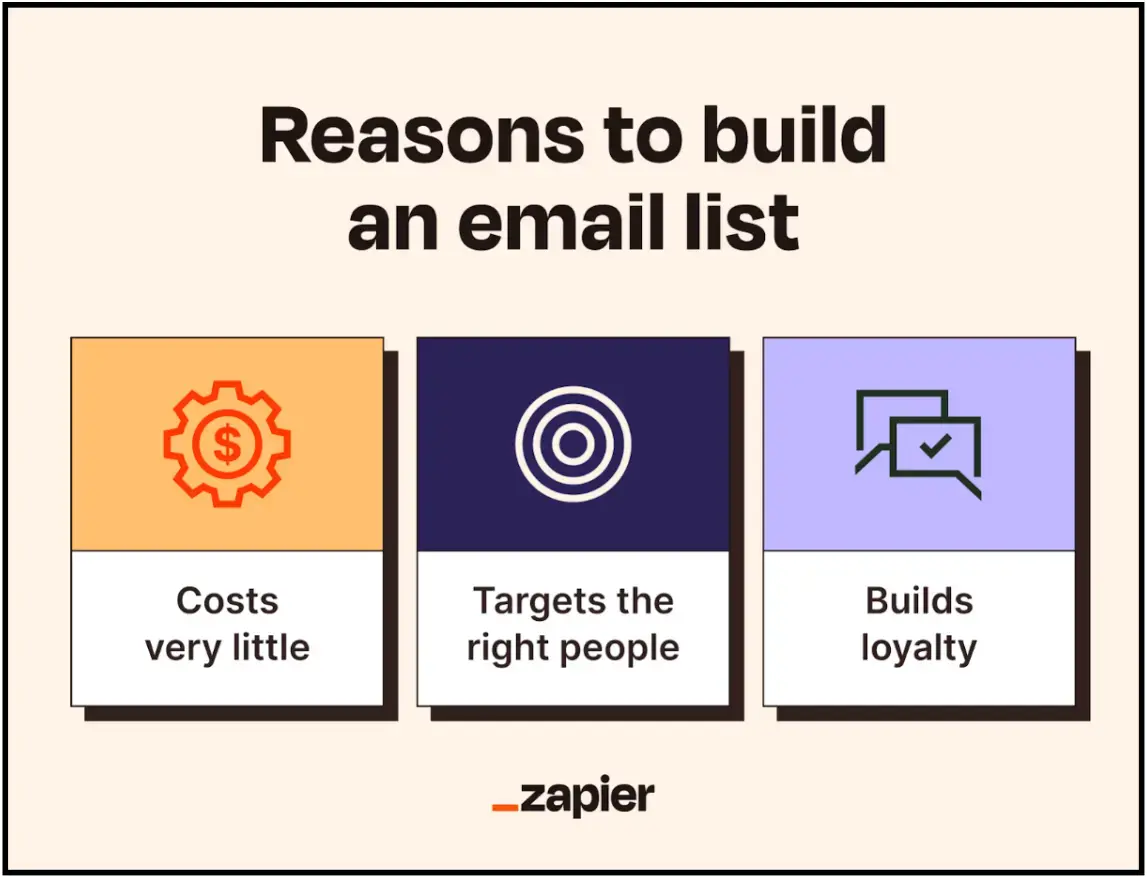
Source: Zapier
That’s why it makes sense that brands want to invest in email list building. They invest in ads, bring in more traffic, thinking, “They’re already visiting our site, so adding a form or a pop-up should do the trick, right?”
And most of the time it wasn’t because the form wasn’t glitzy enough, but because it didn’t match what the visitor was there for in the first place.
That matters more now than it used to. With third-party cookies being phased out, you can’t rely on borrowed traffic the same way. If you’re not building a list you own, you’re starting over every time.
This guide walks through how to turn website visitors into email subscribers by improving how your forms, offers, and timing work together.
Step 1: Understand Visitor Intent Before You Build Anything
This is where most conversion issues actually sit.
This is where most email list building efforts start to break down.
Teams usually try to fix this later, tweaking copy, testing pop-ups, but by then the core issue is already baked in.
You don’t need a detailed persona deck. You need a clear read on intent. Start with your analytics, but don’t stop at traffic. Traffic on its own doesn’t tell you much.
Look at:
- Where do people actually stay? Which pages hold attention? Which ones get abandoned quickly?
- Then look at what people keep asking. Support tickets, DMs, sales calls. Patterns show up fast if you pay attention. The same problems get phrased differently.
That’s what your sign-up should connect to.
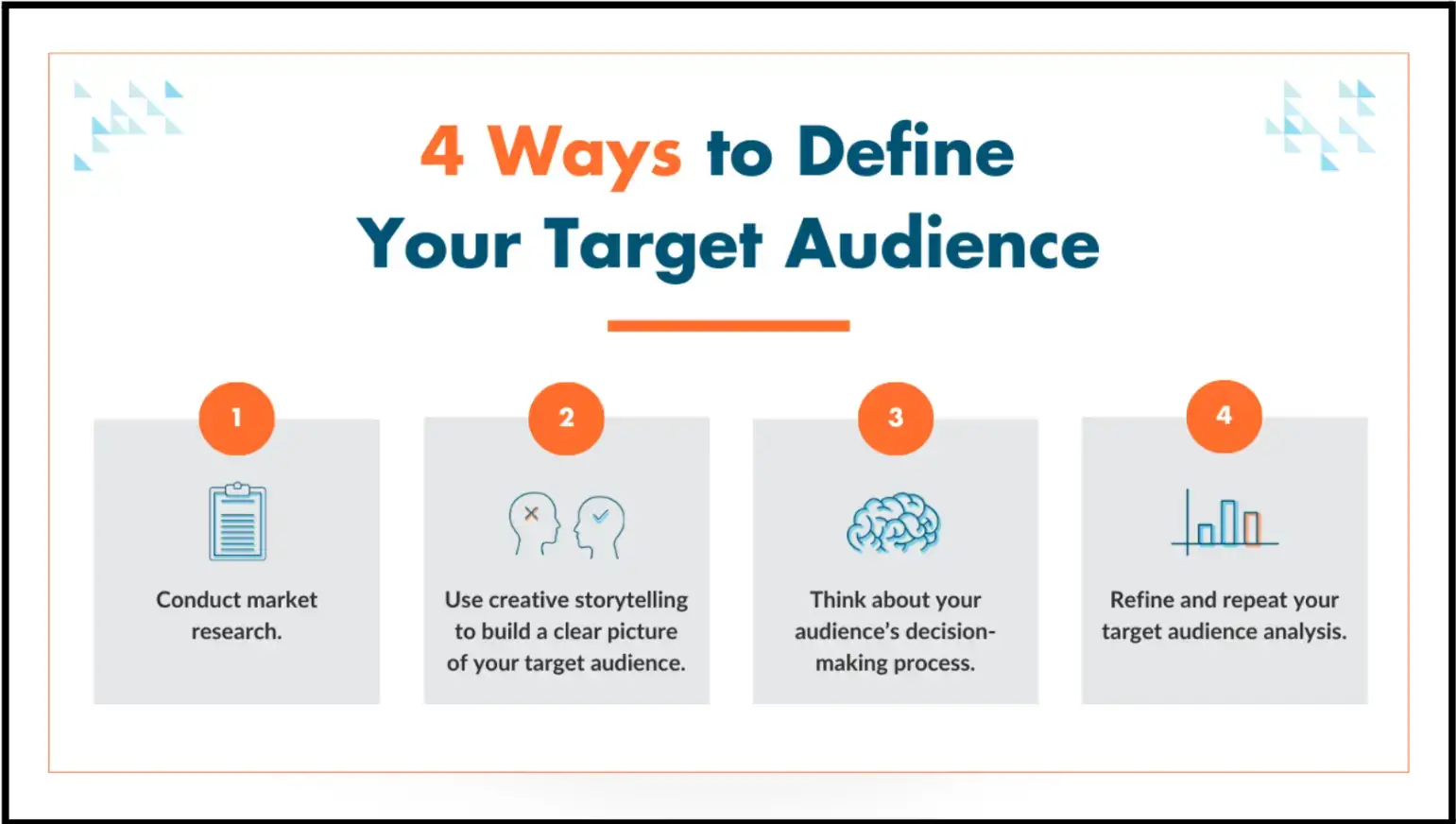
Source: Lean Marketing
If that connection isn’t clear, everything downstream starts to break. The offer feels off, the timing feels random, and conversion drops.
It’s similar to how teams handle agreements. Without structure, details get missed, and decisions lose context. That’s why they rely on systems like contract management software to keep things consistent.
When you understand what your audience is struggling with, you can craft subscription offers that feel essential rather than optional.
Once that connection is there, the form doesn’t feel like an interruption. It fits into what the visitor is already doing.
Step 2: Optimize Form Placement and Timing for Conversions
Most sites either hide their forms or overuse them. Sidebar widgets that are ignored or pop-ups that trigger too early and are closed immediately are good examples.
The better approach is simpler.
- Show the form when the visitor has context.
- After they’ve read something useful, while they’re still engaged. Or when they’re about to leave.
Exit-intent pop-ups consistently outperform sidebar widgets. Exit-intent popups featuring countdown timers go even further with 14.41% conversion in reported tests.
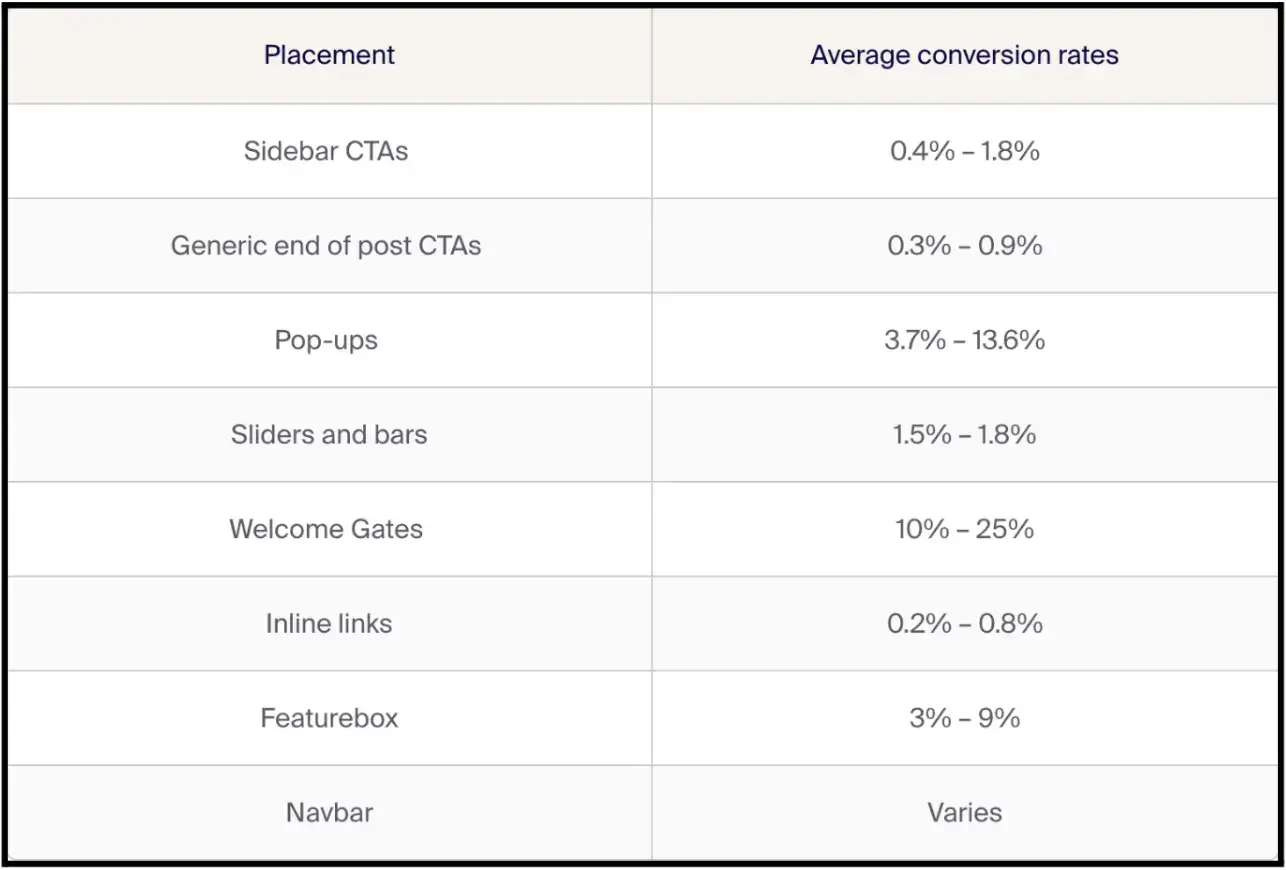
Source: Sender
Inline forms tend to work because they follow attention. Exit-intent works because it catches hesitation at the right moment.
The form itself shouldn’t slow anything down. Reducing form fields delivers clear gains, eliminating just one field can boost conversions by up to 50%.
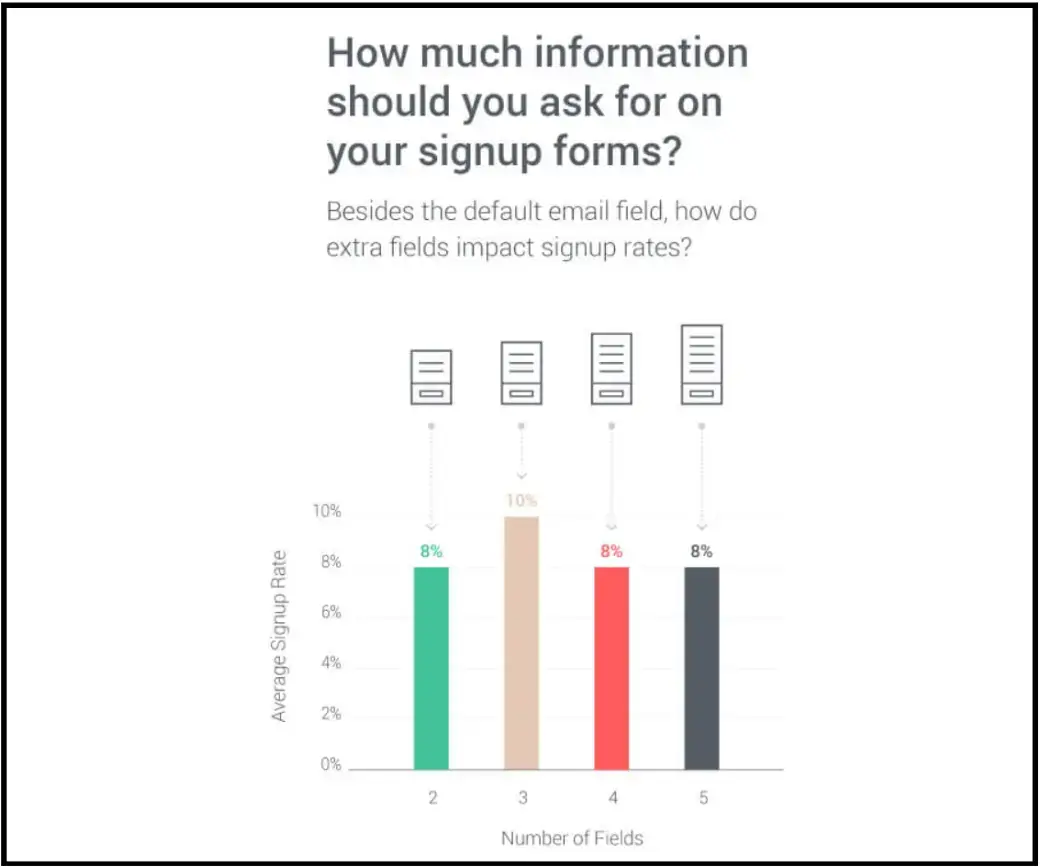
Source: Epsilon
When it comes to the components:
- Keep fields minimal and labels clear. Most drop-off happens because something small feels annoying or unclear.
- Mobile experience has to be clean.
- CTAs matter more than most people expect. “Subscribe” is easy to ignore. Something specific, like what they actually get, performs better.
- Add small details like a quick reassurance about spam or a visible privacy link.
Individually minor. Together, they remove hesitation.
Step 3: Create Offers People Actually Want to Subscribe To
People subscribe because they want what’s behind the form. This is where most email list building either works or falls apart.
This is where vague offers fall apart. Broad guides, generic promises, and delayed value do not hold up when someone is deciding in a few seconds.
Specific works better.
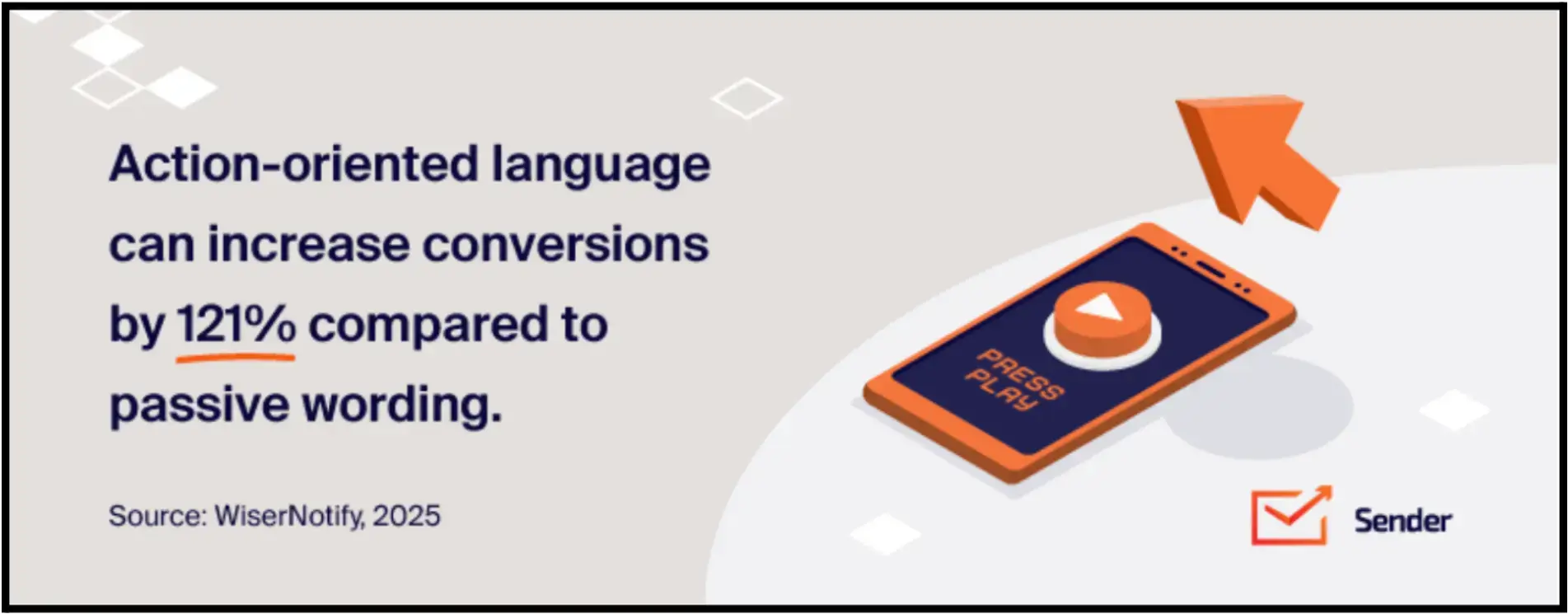
“7 email templates you can use today” will outperform something broader almost every time. Not because it’s bigger, but because it’s clearer.
He explains, “When people browse art, they don’t spend time trying to figure out what something is or why it matters. They’re scanning, comparing options, and deciding what’s worth a closer look.
If the value isn’t obvious, what they’re seeing, what makes it distinct, or why it’s worth their attention, they move on. We see the same behavior with sign-ups. If someone has to interpret the offer, they usually don’t engage.
Your subscription offer should solve an immediate problem or fulfill a specific desire.
Source: Sender
Whether it's an exclusive guide, a discount code, or early access to new products, make the value clear and deliver it instantly. People subscribe when they believe they're getting something worthwhile.
Delivery matters just as much as the offer itself.
If there’s a discount, it needs to arrive immediately. Same with access or resources. Any delay weakens the exchange.
Giveaways can work, but only if they attract the right audience. A generic prize pulls volume, not relevance.
Consent plays a role here, too. If you’re dealing with a broader audience, double opt-in helps filter out low-quality sign-ups early. Helps your deliverability in the long run, too.
Step 4: Use Social Proof to Increase Sign-Ups
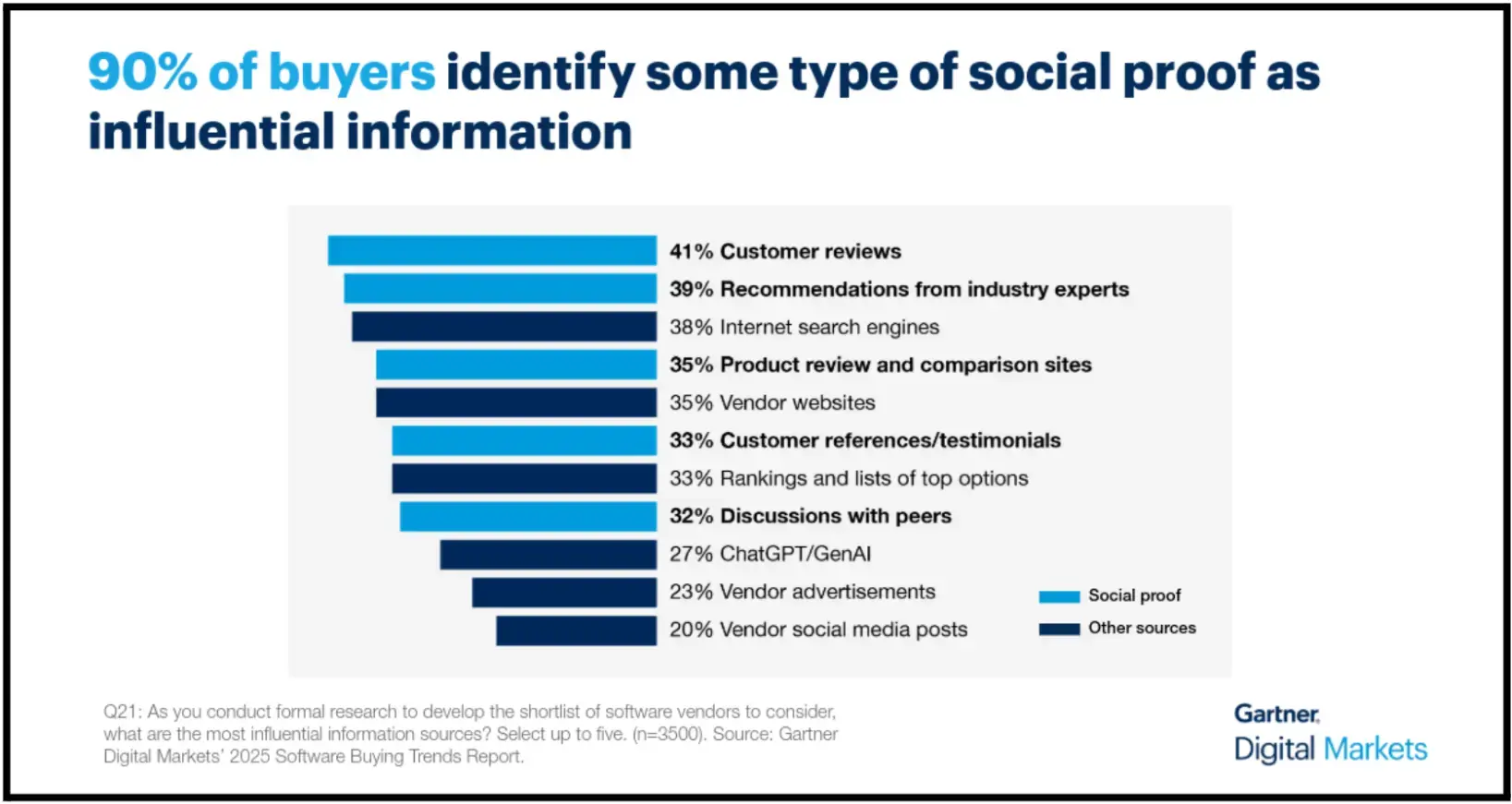
Most visitors won’t decide in isolation. They look for signals. In email list building, this is often what removes the last bit of hesitation.
Source: Gartner
This is where social proof helps, but only if it’s grounded:
- Show potential subscribers that others find value in your emails.
- Display your subscriber count if it's impressive, feature testimonials from happy subscribers, or showcase logos of well-known companies on your list. Numbers work if they’re credible. If they’re not, skip them.
- A short testimonial with a name, role, or location does more than generic praise. It makes the outcome feel real.
- Same with logos or mentions. They help, but only if they’re relevant to the audience reading the page.
These trust signals reassure visitors that joining makes sense.
Step 5: Build Trust Before and After the Sign-Up
This part affects both conversion and retention.
If expectations aren’t clear, people hesitate. Or they sign up and disengage quickly.
Keep it simple.
Three things.
- What they’ll get.
- How often.
- Why it’s worth opening.
He says, “If someone has to guess what happens after they sign up, they won’t do it. We’ve seen this over and over. The moment expectations are clear, what they’ll get, when, and why, it stops feeling like a risk and starts feeling like a fair exchange.
When people know what they're getting, they're more likely to subscribe and stay engaged.”
A short line near the form usually does the job. Something like frequency and content type. No need to over-explain.
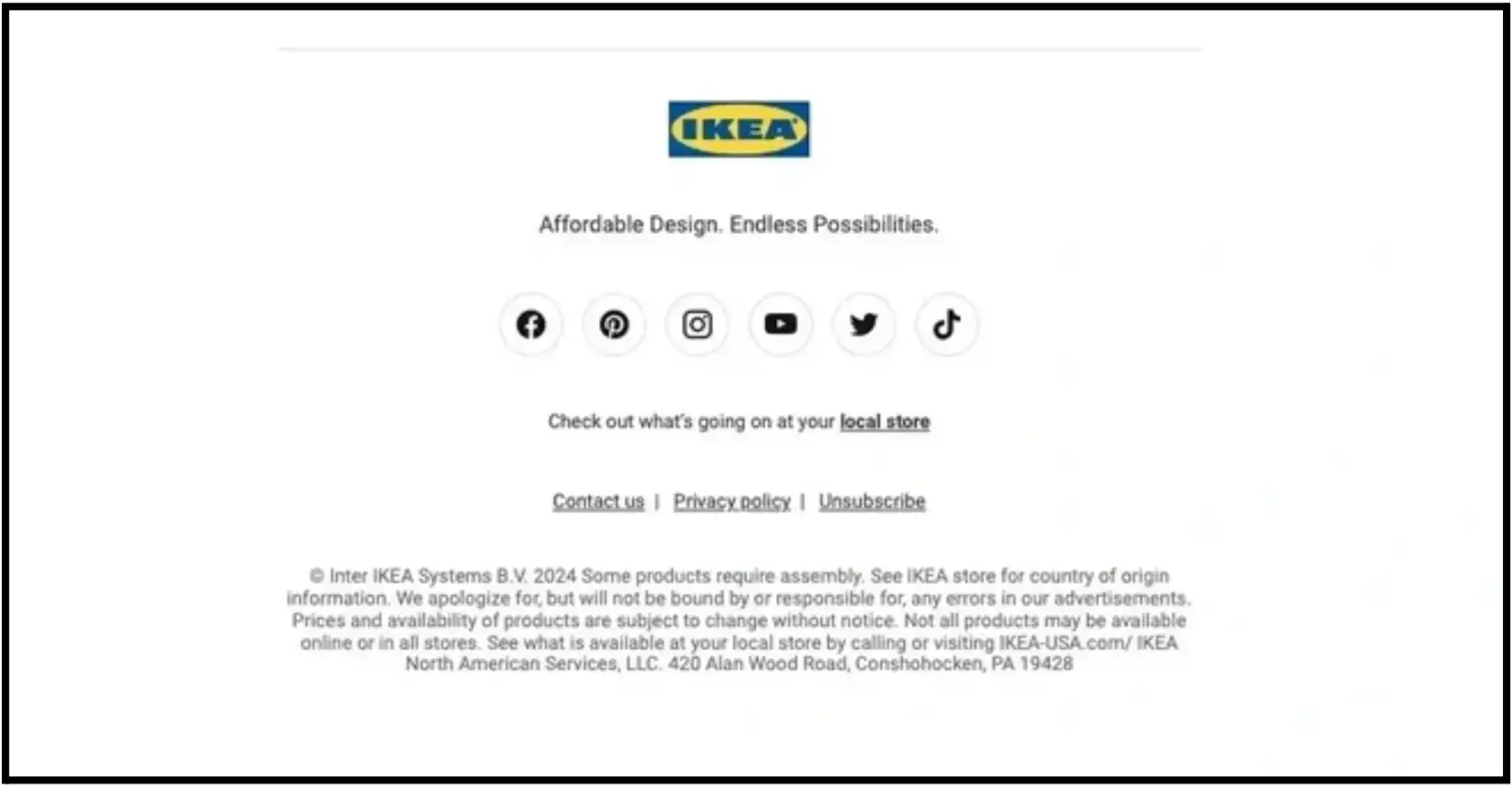
Privacy matters too. Here’s a great example from Ikea.
Source: HubSpot
Disclaimers work for not just compliance, but visibility. If people have to search for it, it creates doubt.
Step 6: Use Tools and Automation to Scale Conversions
Tools won’t fix weak fundamentals, but they remove friction once you figure your workflow out.
The biggest gains usually come from timing and targeting.
The right technology can multiply your subscription efforts. Look for platforms that offer smart targeting, mobile optimization, and smooth integrations.
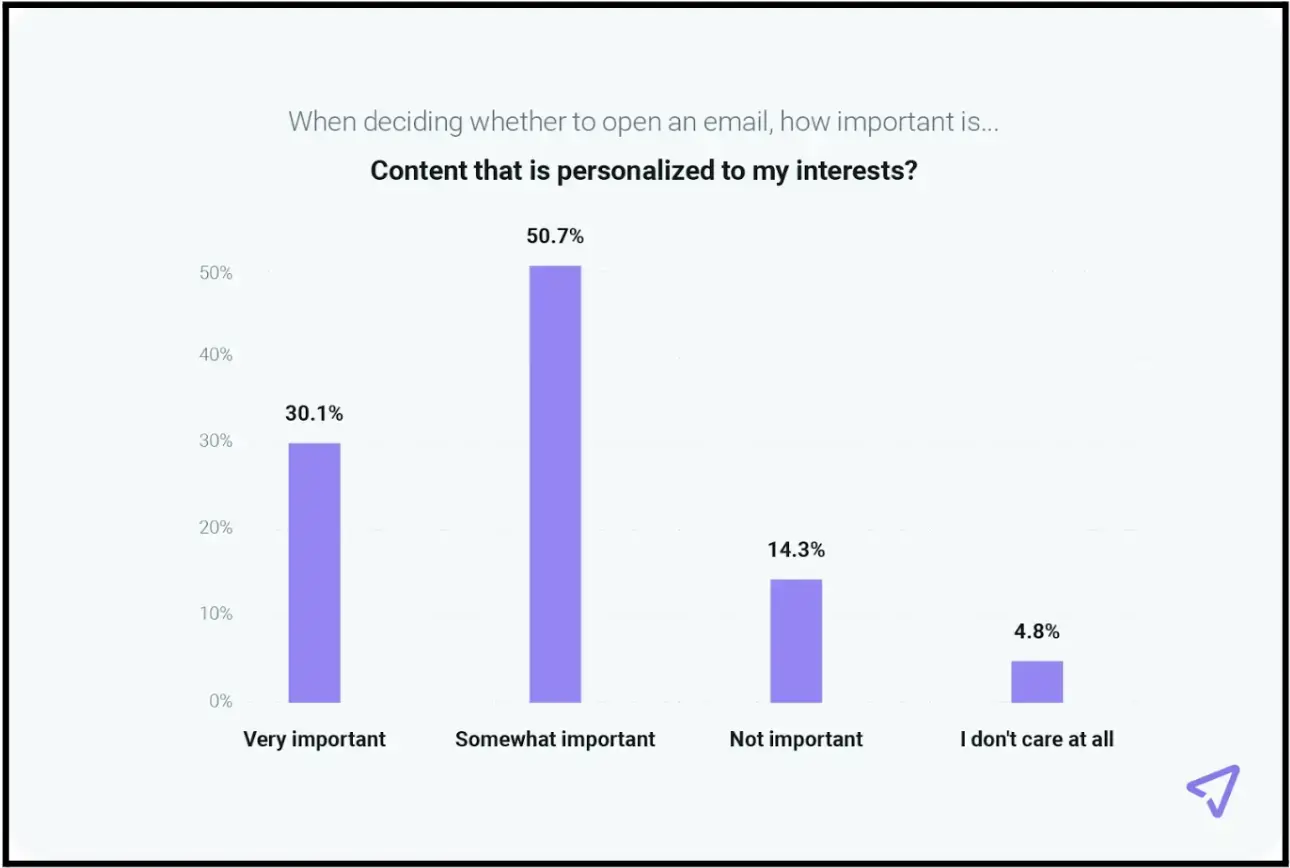
Features like behavior-triggered pop-ups and personalized messaging can double or triple your conversion rates compared to static forms.
Source: mailjet
He says, “In production environments, timing and context matter more than the tool itself. You can have the right system in place, but if it reacts too early or too late, it creates friction instead of removing it. We see the same pattern in digital workflows. When something is triggered based on actual behavior, not just a preset rule, it performs better without needing constant adjustments.”
Behavior-based triggers are where most of the improvement comes from. Showing the right form at the right moment.
Then there’s integration.
If your email platform, CRM, and analytics don’t connect, your manual work increases. Data becomes harder to trust.
When they do connect, you can focus on improving the experience instead of managing it.
Step 7: Test and Improve Your Email List Building Strategy
This is where things get clearer.
Assumptions only take you so far. Testing moves email list building from guesswork to something you can improve systematically.
Every element of your subscription strategy should be tested and measured.
- Run A/B tests on your headlines, button colors, form fields, and timing.
- Track not just sign-up rates but also engagement metrics post-subscription. Some important metrics are listed below.
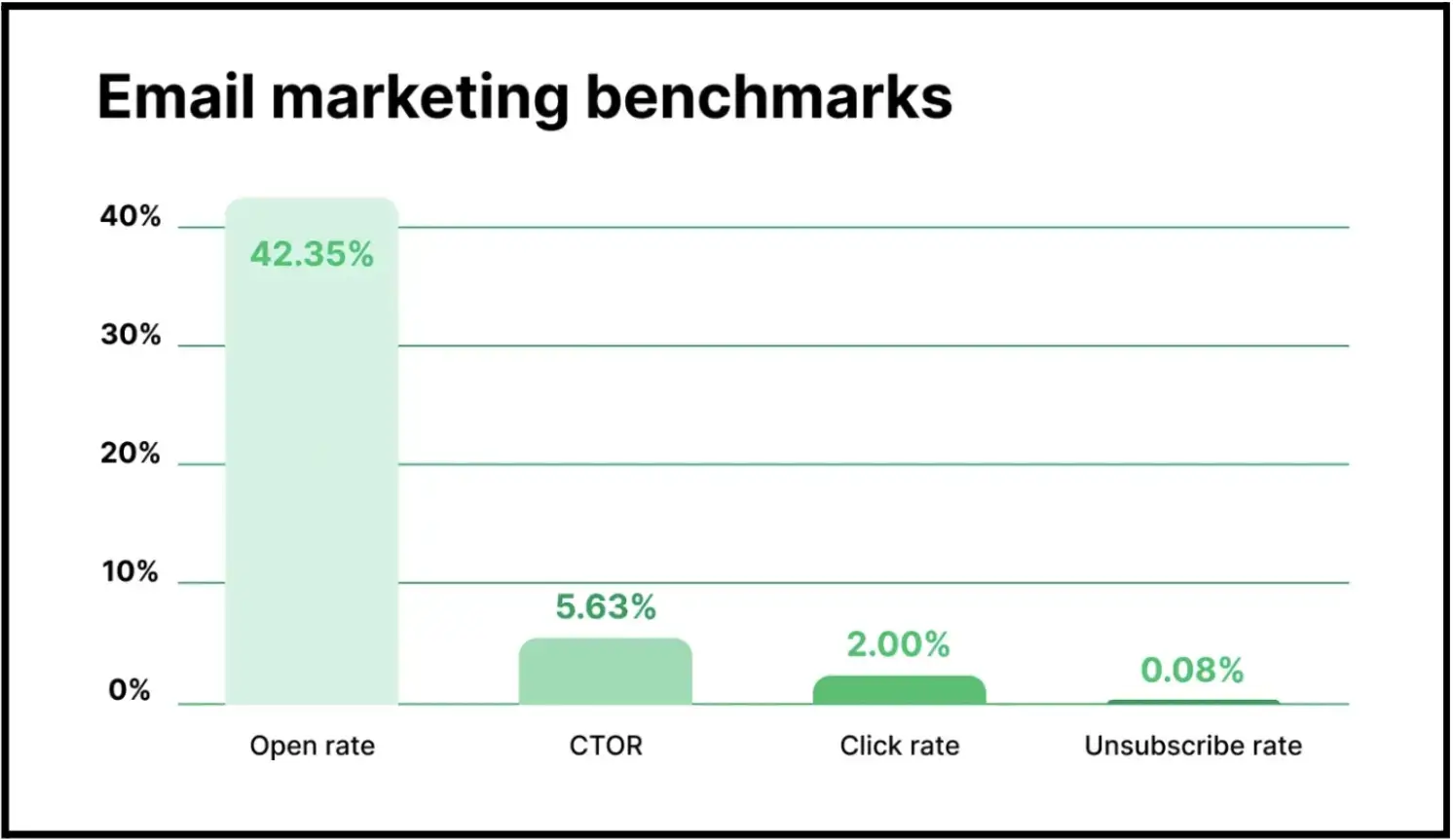
Source: mailerlite
Systematic testing reveals optimization opportunities you never expected.
Start with changes that matter.
- Headlines
- Number of fields
- Placement
- Timing
Test one at a time. Otherwise, you won’t know what caused the shift.
Look beyond sign-ups.
Which pages convert better? Where do people drop off? Which devices underperform? And then what happens after the sign-up?
If emails aren’t opened, the issue often starts before the form is even submitted.
How to Turn Email List Building Into a Growth System
This doesn’t come together in one pass. You adjust the offer. Improve placement. Remove friction. Test again.
Some changes move quickly. Others take longer to show up.
What stays consistent is the structure. Clear value. Good timing. Low friction. And trust that holds after the sign-up.
This is what makes email list building actually compound over time.
POWR makes it easier to build and test forms that actually convert, without adding complexity to your setup.
FAQs
1. What actually makes email list building effective, beyond just adding forms?
Effective email list building comes down to timing and relevance, not volume. People don’t subscribe because a form exists. They subscribe when the offer matches what they’re already trying to solve and shows up at the right moment. If that alignment is missing, no amount of design or copy tweaks will fix it.
2. Why does email list building stall even when traffic is growing?
Growth in traffic doesn’t guarantee growth in subscribers. In many cases, email list building stalls because the offer is too broad or disconnected from the page's intent. Visitors engage with the content, but the next step doesn’t feel like a natural continuation, so they leave without signing up.
3. What types of offers work best for email list building?
Offers that solve a specific, immediate need perform best. In email list building, something concrete like templates, checklists, or time-sensitive access outperforms general promises. The key is reducing the effort required to understand the value.
4. How should forms be placed to improve email list building results?
Placement should follow attention, not interrupt it. Email list building improves when forms appear after a visitor has engaged with content or at a natural exit point. Early pop-ups without context tend to get dismissed, even if the offer is strong.
5. How do you know if your email list building strategy is actually working?
Sign-ups alone don’t tell the full story. Strong email list building shows up in what happens after, whether people open emails, engage with content, and stay subscribed. If those signals are weak, the issue often starts with how expectations were set before the sign-up.

Author Bio
Jesse is a professional writer whose aim is to make complex concepts easy to understand. He strives to provide quality content that assists people in everyday life.