

A lot of work goes into capturing new search traffic leading up to Black Friday — but how do you keep your newly gained customers once the big event is over? Let's discuss customer retention.
With the right strategy, you can turn casual Black Friday shoppers into loyal and long-lasting customers.
This post discusses seven steps you can take to drive customer retention and achieve sustainable growth for your eCommerce business. Let’s get right to it.
7 Strategies to Retain Customers After Your Black Friday Sale
- Encourage account creation
- Simplify the checkout process
- Be open about your returns policy
- Follow up with personalized emails
- Ask customers to share their experiences
- Send offers and discounts year-round
- Invite customers to join your loyalty program
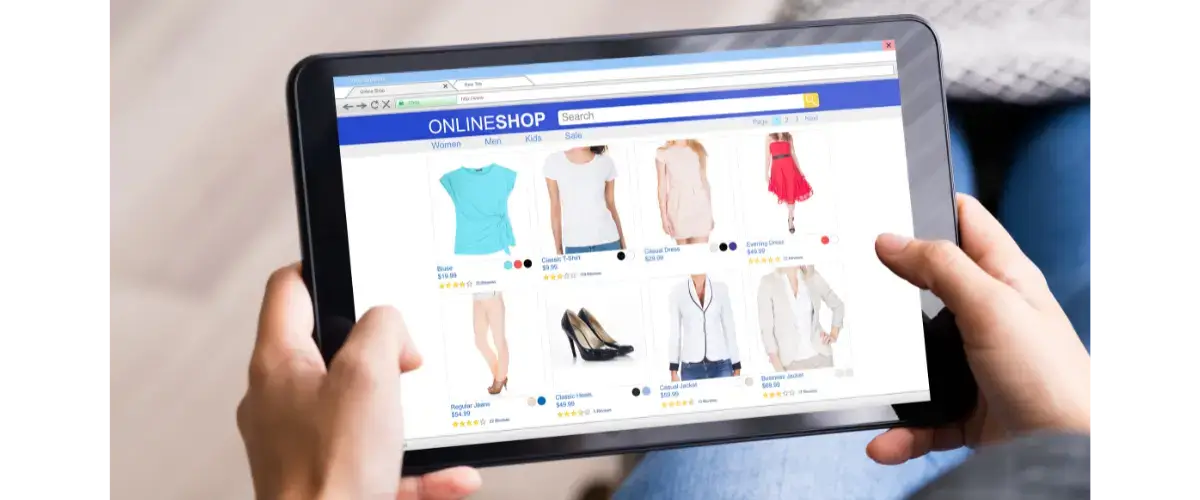
Custom image created in Canva
1. Encourage account creation
Customer accounts provide important insights into customers’ preferences and spending habits, but many Black Friday shoppers skip account creation, preferring to check out as a guest.
That’s not to say you shouldn’t offer a guest checkout option—you don’t want to put potential buyers off, after all. But you can encourage more people to create an account by making it more accessible.
For instance, on your order confirmation page, add a box that buyers can tick to create an account with the details they used to check out as a guest. You could also include a link to create an account in your order confirmation email.
You might even want to provide an incentive, like a discount or free shipping, with their next purchase when they sign up.

2. Simplify the checkout process
A simple and fast checkout process is a great way to entice Black Friday shoppers to come back. It’s also a useful tool to get customers to tell others about your store.
Extensive forms and numerous screens can discourage potential buyers, particularly those in a rush. Therefore, ensure that you only request essential information.
Additionally, offer diverse payment options, including credit or debit cards and, notably, PayPal, to facilitate seamless PayPal donation transactions.
Since they use customer information that’s already stored, they could also encourage shoppers to create an account.
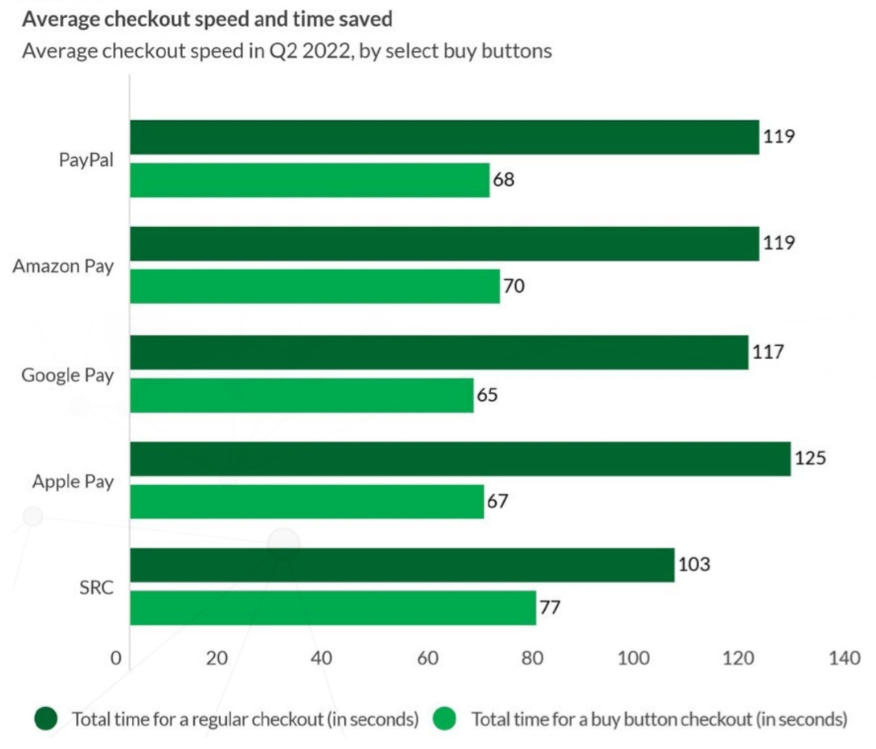
Source: PYMNTS
3. Be open about your returns policy
If an item is a Thanksgiving or Christmas gift, it may have to go back after the holidays, so make sure your return and exchange policy extends to the beginning of the new year. Your returns policy should establish:
- Which items can be exchanged or refunded
- The time limit for returns
- Who’s responsible for return costs
- The form of refunds (store credit or cash)
You could download a template from an automated document solution to ensure your returns policy is clear. Compare options before settling on one—for instance, see Adobe Sign vs. DocuSign or PandaDoc.
You should clearly state your returns policy on your website and include a link to it in your order confirmation email.
4. Follow up with personalized emails
Email is one of the best customer retention channels as it involves direct communication with buyers.
You’ll already have customers’ email addresses from checkout—this presents an excellent opportunity for personalized follow-up emails.
Your order confirmation email is your first chance to make an impression on your Black Friday customers, so make sure it's valuable.
For instance, include tips on how to get the most from their new product or recommend a relevant item based on their purchase.
You could also give customers a personalized discount, like 10% off their next order. After all, discounts and offers are the most popular type of email with consumers.
Use your email marketing tools to set up an automated workflow—but ensure you’re not overwhelming customers with too many messages.
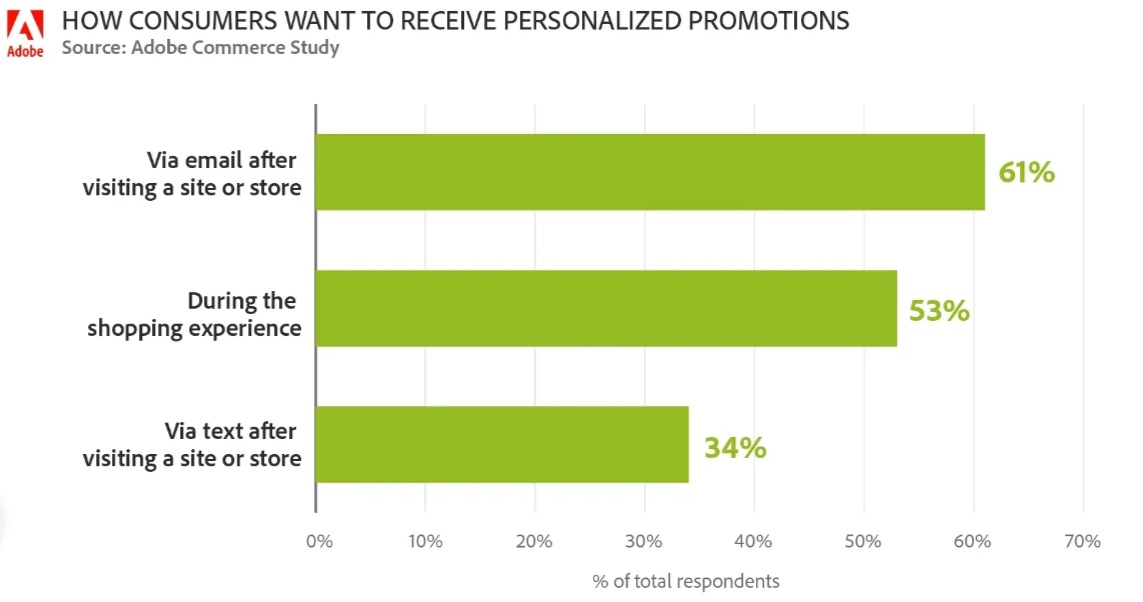
Source: Adobe Commerce Study
5. Ask customers to share their experiences
Ask customers to rate their Black Friday shopping experience as part of your email flow. It provides valuable insights for next year and shows that you value their opinions.
Also, ask customers to share their experience on social media or review sites. This helps spread the word about your business and builds trust—over three-quarters of consumers have purchased based on someone’s recommendation.
You can also share testimonials on your social channels or website (with permission).
6. Send offers and discounts year-round
Customers expect offers during Black Friday, but to keep them hooked, send personalized deals throughout the year.
There are plenty of other holidays to celebrate—Easter, New Year, summer sales, and more.
Surprise customers with discounts or free delivery and include a time limit to create urgency.
7. Invite customers to join your loyalty program
Rewarding customers for their loyalty is one of the best ways to build long-term relationships. So, during Black Friday, promote your loyalty program.
You can promote it during checkout, via email, or on social media. Explain how it works and how customers benefit.
Offer incentives like exclusive discounts or double points for new members.
Turn Black Friday into a Long-Term Avenue for Growth
The Black Friday weekend is one of the busiest times of the year for retailers, but even once it’s over, you can turn it into a long-term avenue for growth by following the tips outlined in this article.
Consider using tools to streamline and improve efficiency to support your Black Friday campaigns and growth strategy.
From accounting software to online document solutions offering waiver agreement templates, these tools make it easier to scale as you capitalize on your newfound success.
Author Bio
Yauhen Zaremba — Director of Demand Generation
Yauhen is the Director of Demand Generation at PandaDoc, an all-in-one document management tool for almost all documents, including this PandaDoc indemnity agreement sample.
He’s been a marketer for 10+ years and, for the last five years, has focused entirely on electronic signature, proposal, and document management markets.
Yauhen also speaks at niche conferences and enjoys sharing his expertise with other marketers. In his spare time, he’s an avid fisherman who takes nearly 20 fishing trips yearly.

 Mick Essex