
Running and managing a Shopify store is a challenging feat. It takes consistent effort and a constant thirst for knowledge on how to win sales over your competitors.
In short, you must know your conversion rates and how to calculate and increase them.
In this article, we will look at conversion rate optimization and how you can improve your conversion rate in just five steps.
We have included the formula below, how to calculate it, and the ideal rate you should work towards.
What is Conversion Rate Optimization (CRO)?
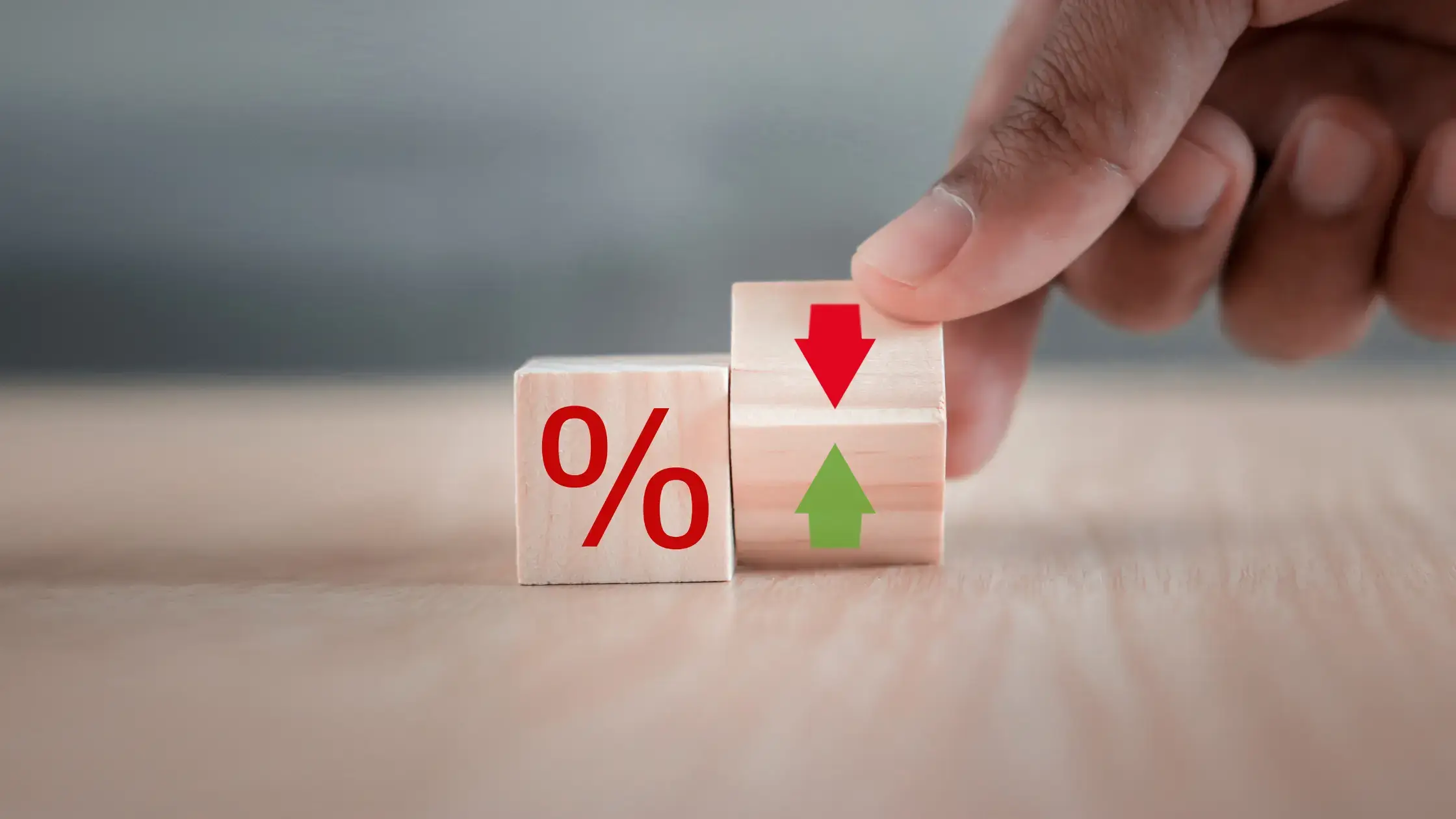
Conversion Rate Optimization (CRO) is the process of boosting the number of conversions on a website or Shopify store. When discussing E-commerce, CRO is optimizing conversions in digital sales.
Shopify’s primary goal is turning incoming viewers into buyers. Furthermore, improving the website and increasing the conversion rate will increase revenue and customer acquisition.

Source: Freepik
Shopify Conversion Rate Statistics
Each industry has a conversion rate benchmark, and e-commerce is no different.
If your company can reach this percentage mark, you will become a part of the Shopify stores in the top 20% regarding conversion rates.
However, as a new store owner, aiming for a conversion rate between 2% and 3% is reasonable.
Furthermore, if you want to be in the top 10%, the rate you should aim for is 5.2% or higher. With this percentage, you will see a significant rise in CRO and sales.
Understanding these benchmarks can help you assess your overall Shopify store conversion performance and identify areas for improvement.
Consequently, if your Shopify store has a CR of 0.5%, it is unfortunately in the bottom 20% of the market.
If your conversion rate is lower than that and falls into the 0.1% range, your store is likely among the lowest-performing in the market.
However, there is no need to worry! Below are highly effective ways you can boost your CRO.
Calculating Shopify Conversion Rates
Conversion rate = (total number of conversions/number of visitors) x 100
For instance, we can see how this formula works. Suppose your Shopify store had 50 sales with 1500 visitors from the previous month.
In that case, your converting rate is 3.3%, calculated as follows: total conversions (50) divided by the number of visitors (1,500), then multiplied by 100.
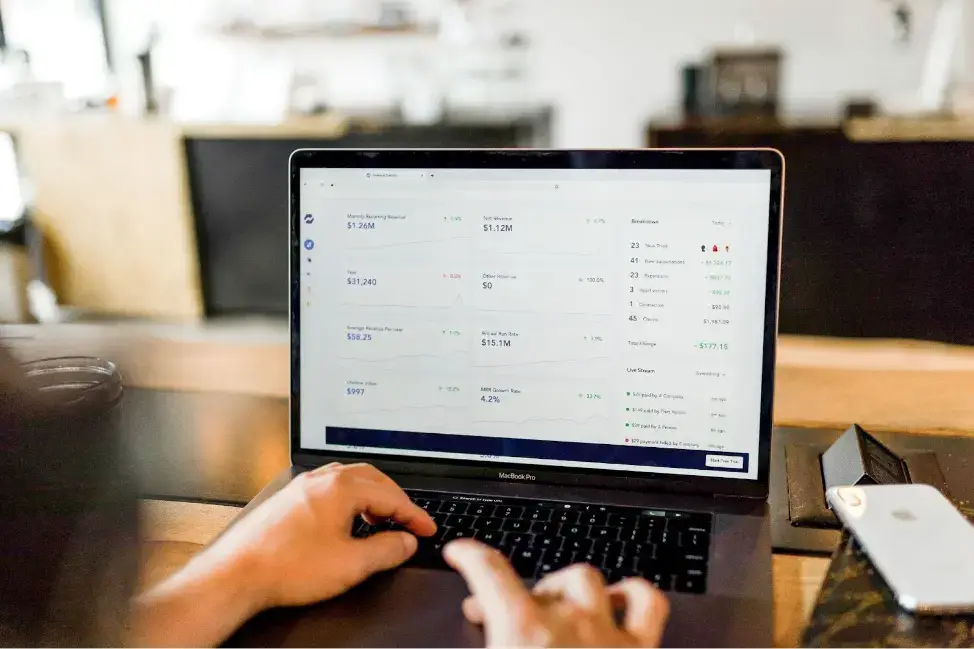
The formula is easy to measure, considering you will likely have this information already.
You can find it in Google Analytics or your CRM tool if you do not have it.
Source: Unsplash
Optimize Your Shopify Conversion Rate in 5 Steps
1. Add conversion opportunities to a popular blog
Blogs are one of the most underutilized marketing tools.
Your blog helps drive a lot of newcomers toward your website and helps with visibility and reach for your business.
You can do this by adding a sign-up section to a blog. The first thing you will need to do is to see which blogs are bringing in the most viewers for your Shopify page.
After doing so, you can add a part at the end where your website visitors can register for your newsletters.
For example, if you are discussing a specific product, include a purchase link that allows users to directly and easily make purchases for the product.
It will help you turn visitors into consumers and boost your Shopify sales. You can opt for website redesign services if you are looking to revamp the design and functionality.

Source: Freepik
2. Use precise CTAs and elements
You can use CTAs with multiple techniques and reasons.
Since a landing page is the first page newcomers see, you can embed videos with appropriate elements to navigate them through your page providing a more personalized experience.
However, when it comes to converting, embed shoppable videos with CTAs like a shopping cart that can let viewers make purchases directly.
This strategy is more effective when combined with automated messaging.
For instance, BotSpace allows Shopify stores to send direct WhatsApp or Instagram calls to action, such as ‘Buy Now’ or limited-time offers, right when shoppers engage, which helps reduce drop-offs and increase conversions.
3. Create and design an easy form to fill
Source: Freepik
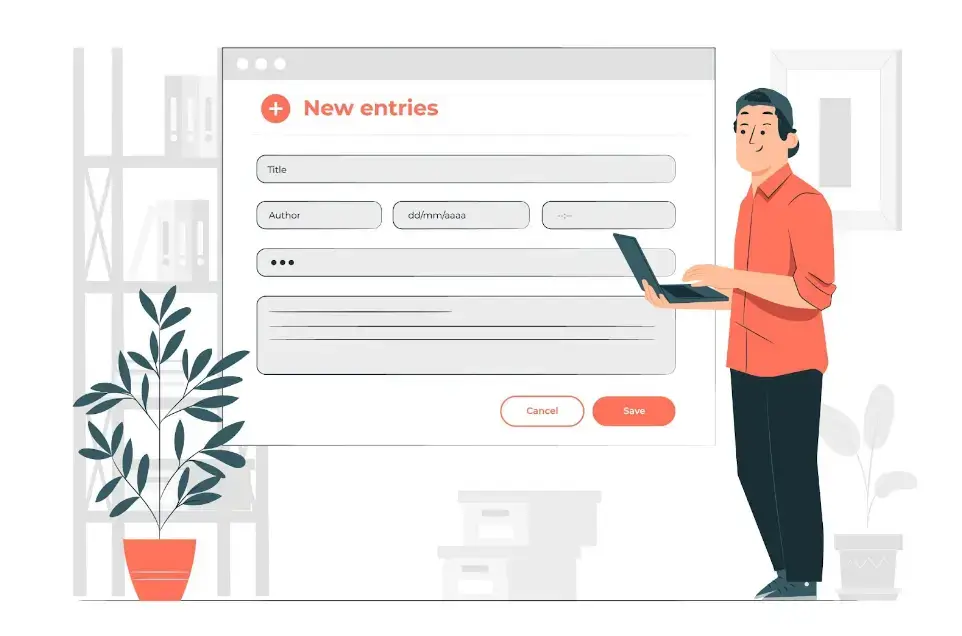
A critical process in optimizing your conversion rate is to make any survey or forms easy to fill out. Design and build short yet effective forms to counter this issue and boost your CRO.
It could be a form that only requires a little data from your customers, like asking for their emails to sign up for your newsletter.
4. Optimize your Shopify store loading time
Source: Freepik
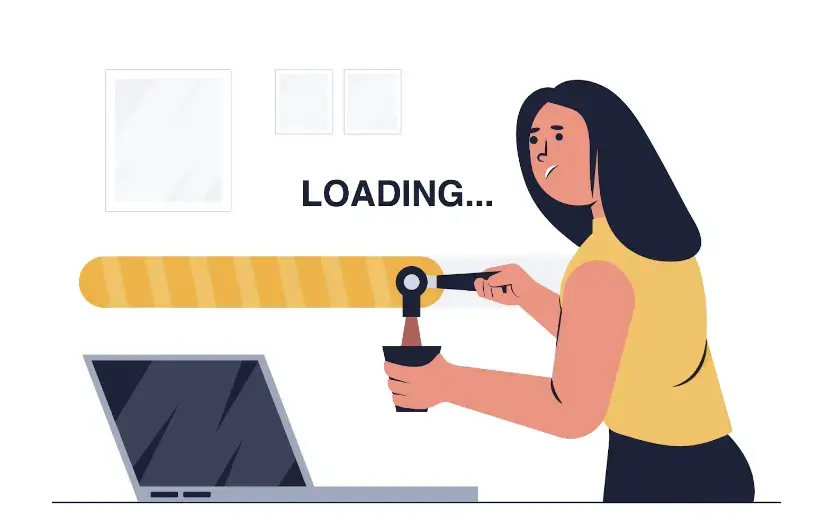
We've all encountered a website that takes too long to load. Therefore, create a website that loads quickly to keep your bounce rate low!
Do it by compressing image sizes or even minimizing HTTP queries.
5. Include short videos on your website
We have all noticed the rapid rise of short videos. TikTok started flourishing during the pandemic.
Now is the time if you have not embedded short videos on your Shopify page.
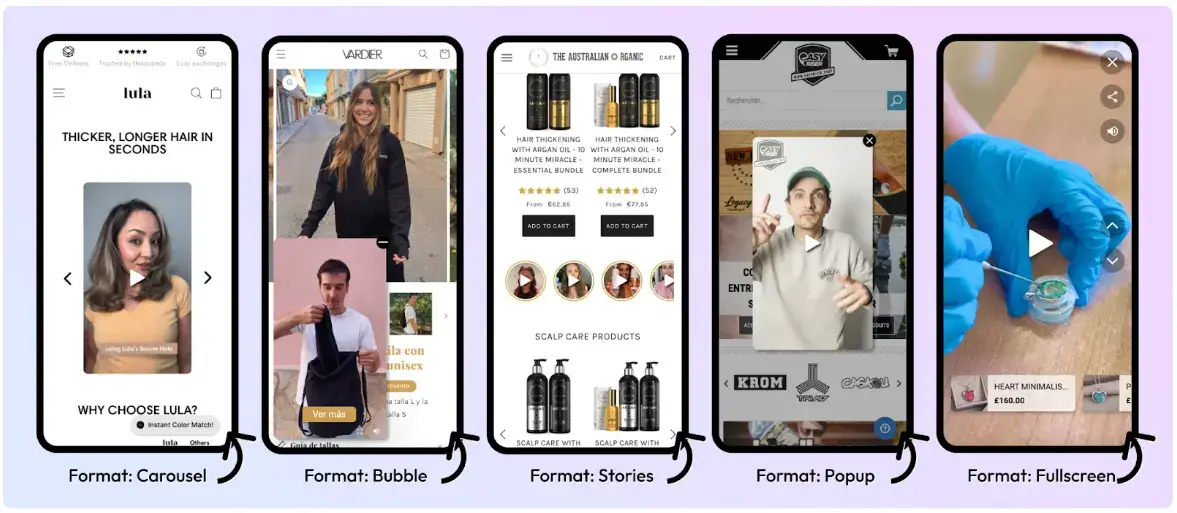
Screenshot of Vidjet’s customer
Conclusion
You can increase your conversion rates on Shopify in multiple ways, as we have mentioned previously in the article.
Having shoppable videos with CTAs and user-friendly forms, optimizing loading time, and implementing short videos for more engagement are guaranteed to achieve better conversion rates.
With these strategies at your disposal, it’s time to take action and start implementing them on your website!
Frequently Asked Questions (FAQ)
1. What does CRO stand for?
CRO, or conversion rate optimization, is optimizing a website or online platform to increase the number of visitors who complete a desired action, such as purchasing or registering for a service
2. What is an example of a CRO?
Apart from the few examples in this article, another provides customer support and FAQs. It allows you to deal with any fundamental questions about your offer.
Furthermore, your website viewers can get answers to any queries quickly and efficiently, whether it's a quick call or from the FAQ section on your website.
3. What are the best leads for optimizing your conversion path?
Qualified leads, segment-specific leads, warm leads, returning visitors, and those who have demonstrated interest in your eCommerce products or services are the ideal leads for optimizing your CRO.