

Isn’t it true that every business owner wants their brand to be at the top of their customers’ buying journeys? This can only be achieved through a focused strategy that engages audiences with consistent messaging.
Such messaging, irrespective of the format you use, is called content. And a well-planned content creation strategy is your key to success.
If you’re keen to learn more about why and how to create content for your brand, this article is for you. Keep reading to discover more.
Article Shortcuts:
- 5 Steps to Creating Effective Brand Content
- Best Practices for Content Creation
- Common Pitfalls to Avoid
- Leveraging Tools and Technology
- FAQs: How to Create Content for Your Brand
What Is Content Creation?

Content creation is the process of producing text, videos, images, or audio tailored to resonate with a target audience. The difference between effective and ineffective content lies in randomness vs. strategic content creation.
Whereas the former is random and haphazard, the latter requires a focused and strategic approach that involves time, consistent dedication, and effort for strong results.
One of the best ways to achieve these results is through a powerful and targeted content strategy. And in today’s competitive business landscape, storytelling aligned with your brand is the best way to achieve this goal.
5 Steps to Creating Effective Brand Content
Creating branded content requires a clear-cut strategy that produces the desired results. However, you should first consider following these five steps as you develop such a strategy.
1. Define your brand
You need to know what your business stands for. What is your mission and vision?
Whether it’s catering to offering residential design services, selling a tech gadget, or anything in between, once you’ve established your business objectives, you must consider how to convey them to the public.
This involves developing a brand identity. It requires spending time focusing on your tone, voice, style, colors, tagline, and core values, as well as ensuring consistency in your messaging across platforms on a regular basis.
2. Understand your audience
Knowing your business and keeping your messaging consistent is only one part of the coin.
You also need to know your target audience very well. Consider conducting surveys, interviews, focus groups, etc., and once you’ve gathered the information, create a detailed ideal buyer persona.
This persona should contain critical information about your buyers, including their demographics, preferences, pain points, desires, and other factors influencing their decision-making processes.
Focusing on their online behavior could also point you in the right direction. The good news is that there are tools for carrying out surveys, behavioral analytics, and social listening that will help you refine your audience insights.
3. Set clear goals
Buyers come to your business through various channels, and you need to bear this in mind when you move onto the next step: setting clear goals. You need to identify specific objectives for your content.
For example, do you want to achieve brand awareness, engagement, lead generation, or conversions?
Also, ensure that your goals are quantifiable and measurable. Depending on your objectives, you’ll want to focus on key metrics such as organic traffic, click-through rates, sales earned, etc.
4. Conduct competitor analysis
Studying your competitors’ content strategies could be a gold mine for your success.
Since you’re in the same industry and operating in a potentially similar niche, you can study their content formats, messaging (tone, text, presentation, layout, and more), plus audience engagement levels.
A word of caution, though: avoid duplication at all costs.
As Neil Patel says, “It's hard to beat your competition when you're copying them.” Instead, focus on finding gaps and unique selling points that set you apart that your content can fill.
5. Research and brainstorm ideas

Source: Pixabay
By now, you’ll already have generated important information to guide your content strategy.
It’s time to generate content ideas using keyword research, audience input, and trending topics. Maintain a balance between evergreen content and trend-driven pieces.
Evergreen content is always useful, no matter what happens.
On the other hand, trends come and go. By maintaining this balance, you’ll ensure you cater to seasonal as well as long-term content needs and stay top of mind in your customers’ buying journeys.
Best Practices for Content Creation
Having laid the foundation for your content strategy, it’s time to create your content. A few popular content formats include:
- Blog posts: Great for detailed, evergreen information, whether you’re covering industry insights, tips for thriving in remote work, or in-depth product guides.
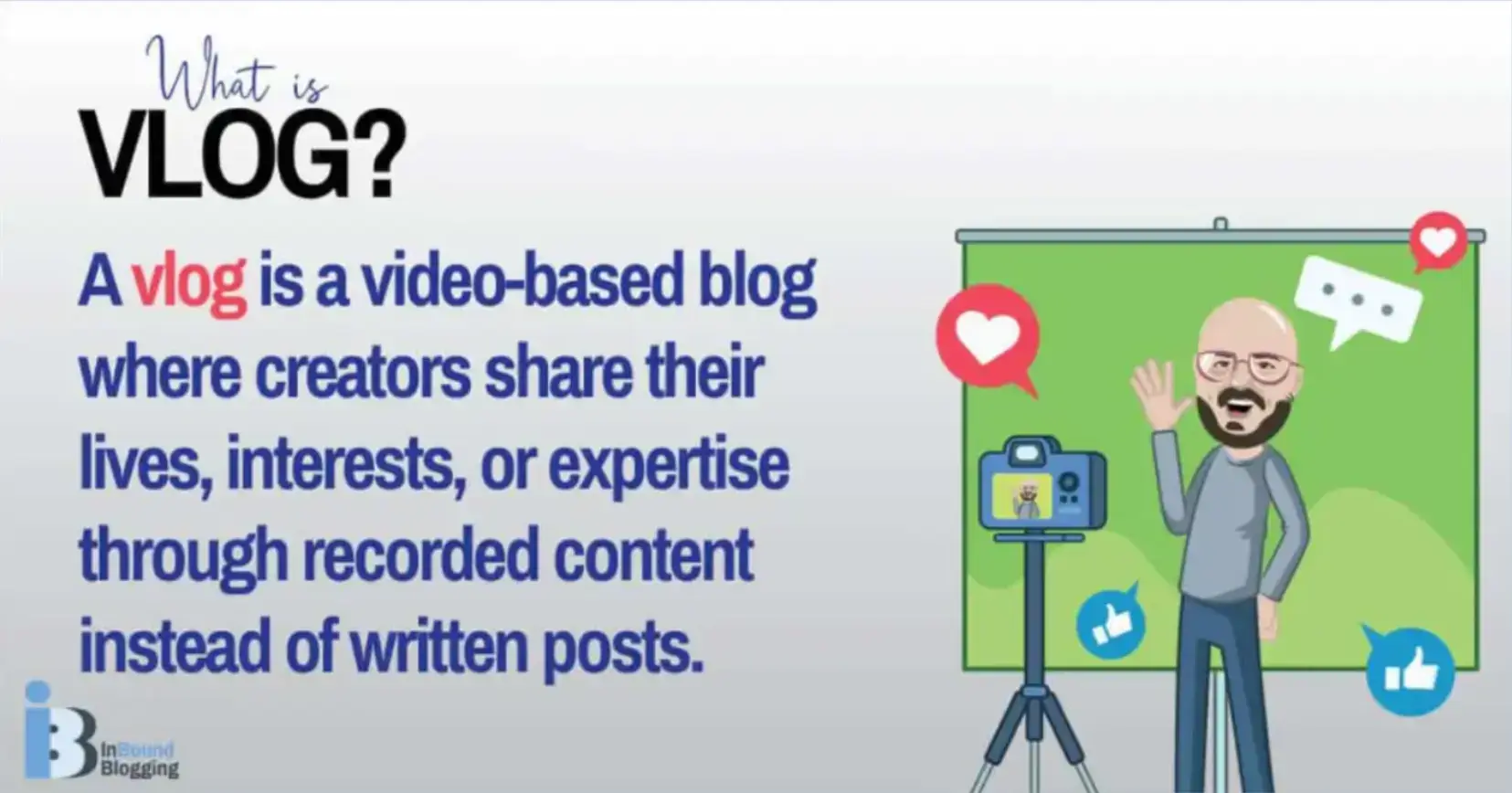
- Videos: Effective for storytelling and visual engagement.
Source: InBound Blogging
- Infographics: Ideal for presenting data in an accessible way.
- Social media posts: Build a brand presence and engage directly with audiences.
- Podcasts: Establish authority in your niche through in-depth discussions.
- How-to guides: Provide step-by-step solutions to common problems.
- Guest posts: A powerful way to reach new audiences and build backlinks by sharing your expertise.
And irrespective of the format you choose, always keep in mind:
- Create high-quality and valuable content: Focus on solving problems, not just promoting. Back up information with credible sources. Example: if writing about sterling silver accessories, include styling and care tips.
- Leverage SEO: Use keyword research strategically while keeping natural flow.
- Tailor content to platforms: Align formats with audience behavior.
- Maintain consistency: Use a content calendar and keep branding/tone uniform.
Common Pitfalls to Avoid
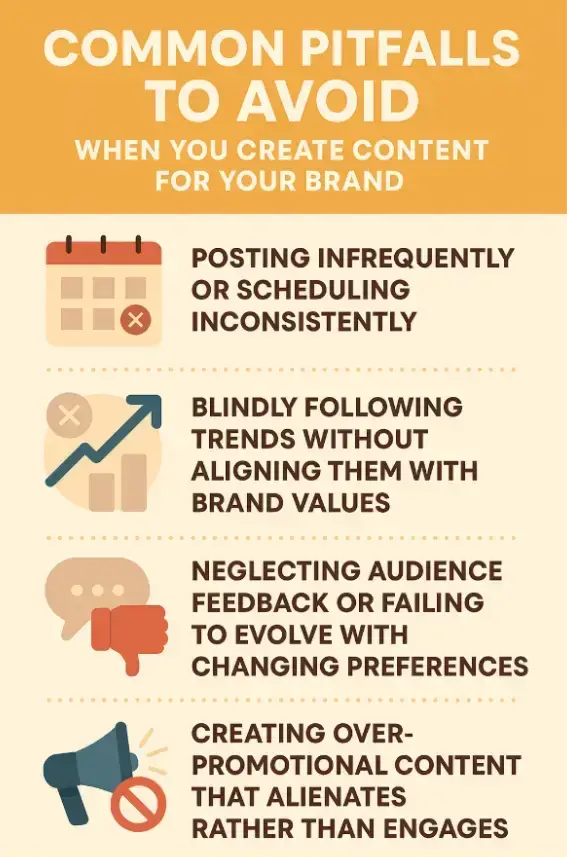
Naturally, as there are best practices to focus on, there are a few common pitfalls to avoid:
- Posting infrequently or inconsistently
- Blindly following trends without aligning them with brand values
- Neglecting audience feedback or failing to adapt to changing preferences
- Creating overly promotional content that alienates readers
Leveraging Tools and Technology
There is an overwhelming number of digital tools that can help you achieve consistent and sound content development. For example, you can consider AI tools for idea generation, writing assistance, and analytics.
Please note that AI has its limitations.
I would encourage you to always use AI with human oversight. Apart from AI agents, there are numerous marketing analytics tools to help you measure content performance and refine strategies.
FAQs: How to Create Content for Your Brand
1. What does “content for your brand” mean?
It means any text, video, image, or audio you create to talk about your business. Good content helps people know your brand, trust it, and want to buy from you.
2. How often should I post new content?
There’s no one-size-fits-all answer, but posting regularly is important. Once a week or twice a month is a good place to start. Just make sure you stick to your schedule.
3. What kind of content should I create?
It depends on your audience. Blogs, short videos, how-to guides, social media posts, and podcasts are all good choices. Mix it up to keep things fresh.
4. How do I know what my audience wants to see?
Listen to your audience. You can ask them in surveys, check social media engagement (e.g., via SocialPilot), or review website analytics.
5. Can I use AI to help create my content?
Yes! AI tools can help with writing, ideas, or grammar. But always have a real person review the output.
6. How do I keep my brand message the same across everything?
Use consistent colors, voice, and style in all your content. Create a simple style guide to keep everything cohesive.
7. Why is SEO important for brand content?
SEO (Search Engine Optimization) helps people find your content on Google. With the right keywords and structure, more people will see it.
8. What are some common mistakes in content creation?
Don’t post randomly or ignore your audience. Avoid making everything about your product and never copy competitors. Focus on helping your readers and being authentic.
9. How can I tell if my content is working?
Check metrics like visits, clicks, and shares. Tools like Google Analytics can help measure success.
10. Do I really need a content calendar?
Yes! A content calendar keeps you organized, ensures you don’t miss key dates, and maintains consistency.
Conclusion
Now that you know how to create branded content, you’re on your way to achieving business success.
A sound strategy should always be founded on authenticity, consistency, and alignment with your audience. Content creation is an evolving process, so stay adaptable and committed to continuous improvement.
Author Bio
Mariela Kashukeeva is a full-time Outreach Specialist at InBound Blogging and runs her own marketing blog, Manic SEO. With over 7 years of experience in SEO and business development, she is responsible for establishing collaboration opportunities with high-authority websites and creating amazing content.