

Search is changing fast. People no longer click through ten blue links to find answers. They ask AI tools questions and get direct responses.
These responses often include summaries, recommendations, and brand mentions. If your brand is not part of those answers, you lose visibility.
This shift has created a new goal for marketers: improve AI visibility.
AI tools now act as answer engines. They scan large amounts of information and present one clean response. If your brand becomes a cited source, your authority grows. If not, your competitors fill that space.
This guide explains how to improve brand visibility in AI search. It also shows which AI tools to improve brand visibility can support your efforts.
The goal is simple: make your brand easy for AI systems to recognize, trust, and reference.
Let’s get started!
In this article:
- How to Boost AI Visibility (Step-by-Step)
- Best AI Tools to Improve Brand Visibility
What Is AI Visibility Optimization (AIVO)?
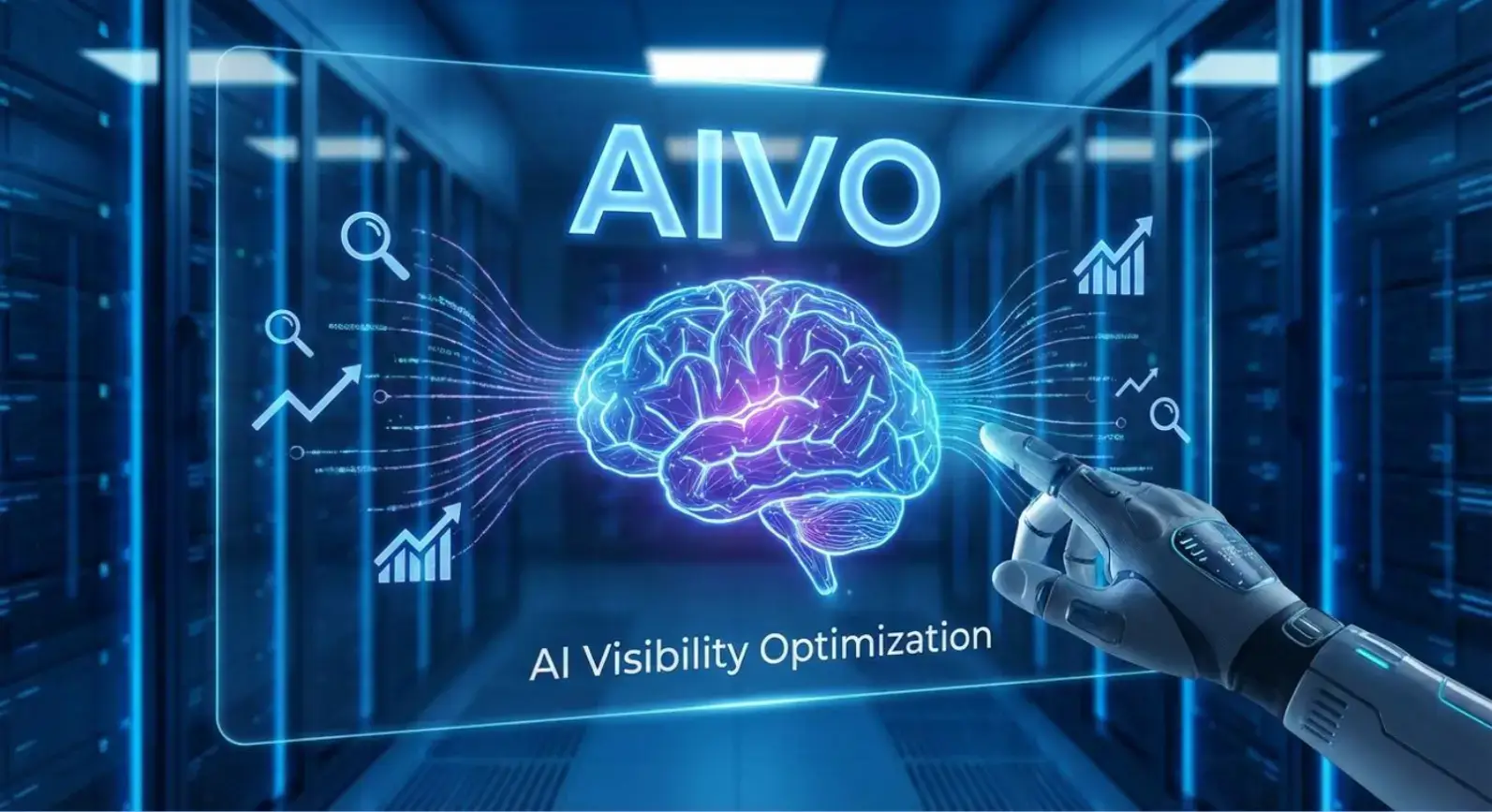
AI Visibility Optimization, or AIVO, is the process of making your brand, content, and expertise discoverable and citable by AI-powered answer engines.
It focuses on helping AI systems understand who you are, what you offer, and why your content matters.
When someone asks a question in ChatGPT or sees a Google AI Overview, the system pulls information from trusted sources. AIVO helps your brand become one of those sources.
To rank in AI-generated results, your content must do three things:
- Clearly explain topics
- Show expertise and authority
- Be structured in a way that AI systems can process
AI models do not think like humans. They look for patterns, structured data, and consistent signals across the web.
If your brand appears in trusted publications, has clear author profiles, and publishes strong topical content, AI systems are more likely to reference it.
AIVO moves beyond traffic. It focuses on recognition and trust. When AI tools mention your brand in answers, you gain authority even if users never click a link.
AIVO vs SEO vs AEO: What’s the Difference?
SEO, AEO, and AIVO are related but not the same.
- SEO focuses on ranking webpages in search results.
- AEO focuses on optimizing content for featured snippets and direct answers.
- AIVO focuses on optimizing for AI understanding, recall, and citation.
Traditional SEO looks at keywords, backlinks, and rankings. AEO tries to win short answer boxes.
AIVO goes deeper. It asks: Does the AI system recognize your brand as a trusted source on this topic?
Keyword stuffing no longer works. Surface-level articles that repeat phrases without depth fail in AI systems.
AI models reward clarity, structure, and topic coverage. They look for strong signals of expertise, not just keyword density.
To improve brand visibility in AI search, you must build topic authority. That means covering subjects fully, using clear language, and publishing consistent insights. AI systems learn from patterns.
If your brand consistently publishes accurate, structured content on a subject, it becomes easier for AI to recall and cite you.
AIVO also requires off-page signals. Mentions in trusted media, expert quotes, and strong brand presence across the web increase the chances of AI recognition.
“Optimizing content to drive visibility in AI answers is an evolution of SEO — it’s an extension of the work we have already been doing, not a replacement.”— Lily Ray, Aimarketers.
How to Boost AI Visibility (Step-by-Step)
AI visibility requires a clear strategy. The following steps help improve brand visibility in AI search and support long-term recognition.
1. Optimize for Conversational Search Queries
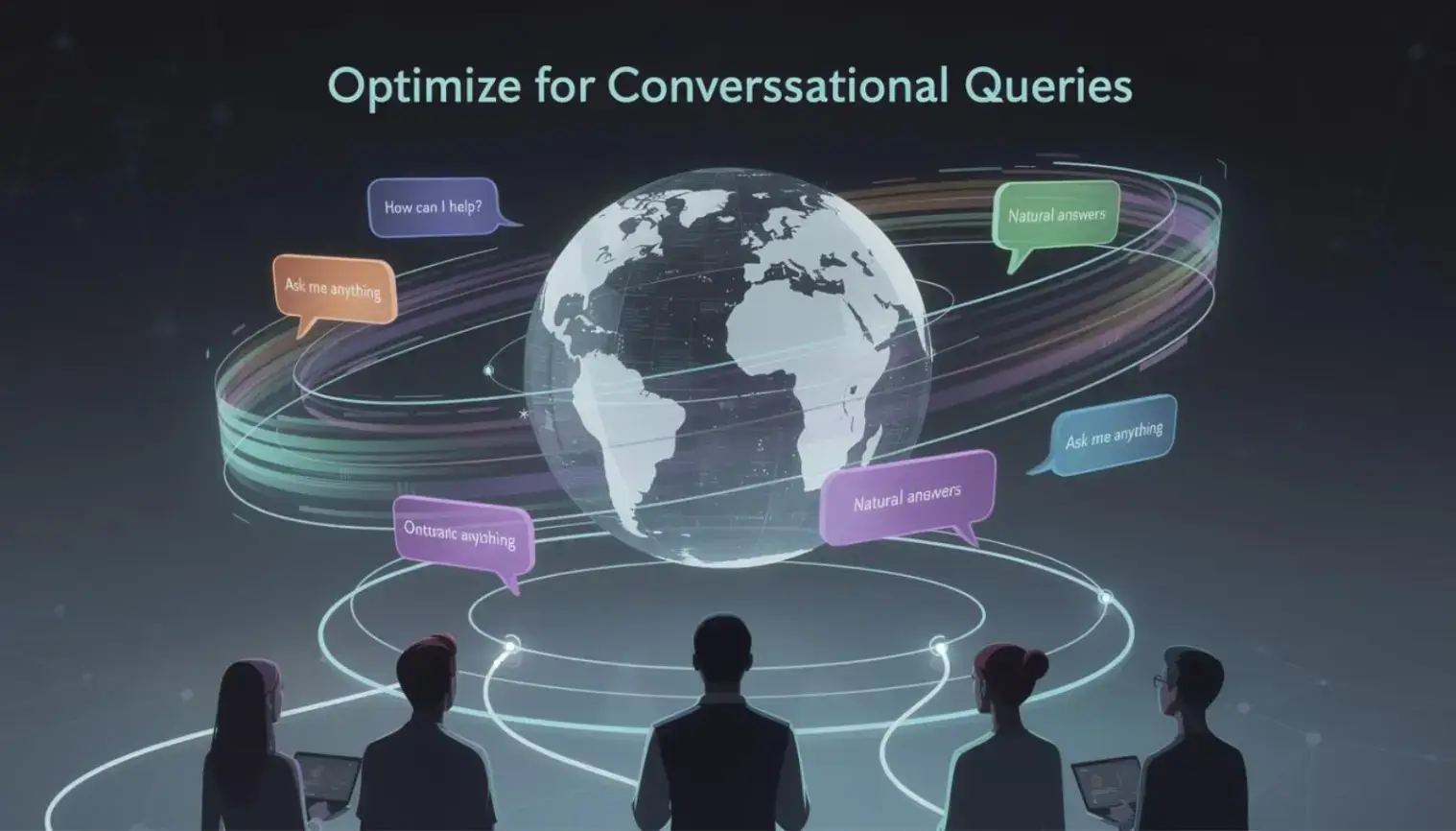
Search behavior has changed. Users now ask full questions instead of typing short keywords.
Shift from Keywords to Questions
Instead of targeting “AI SEO tools,” target questions like:
- How do I get featured in AI-generated answers?
- What is the best way to increase brand visibility in AI search?
- Which AI tools improve brand visibility?
These natural queries match how users interact with answer engines.
Target “How,” “Why,” and “Best” Queries
Answer engines respond well to instructional and comparison-based queries. Content that clearly explains processes or evaluates options has a higher chance of being included in summaries.
Use headings that mirror real questions. Provide direct answers below each heading.
Use FAQ-Style Answers
FAQ sections help AI systems extract clean responses. Start with a short, direct answer. Then expand with an explanation.
This structure improves AI recognition because it gives answer engines ready-to-use content.
“AI search queries … are conversational (‘How do I calculate revenue velocity for my B2B SaaS company?’ vs. ‘revenue velocity formula’) and expect immediate, clear answers.” — Optifai AI.
2. Use Structured Data to Help AI Understand Your Content
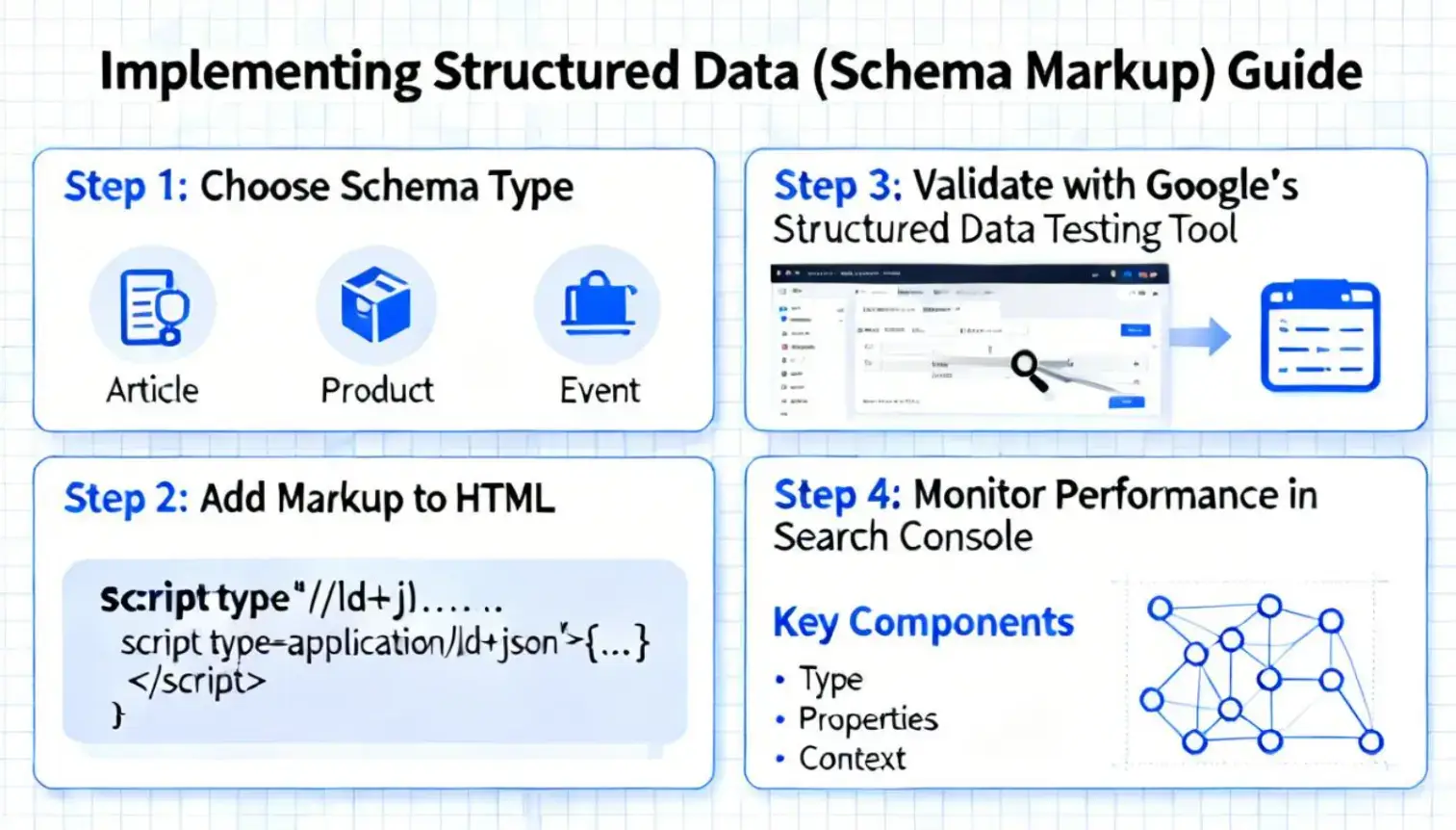
Structured data helps machines understand your content better.
What Schema Markup Does
Schema markup labels your content. It tells AI systems whether a page is an article, FAQ, guide, or product.
It also defines authors and organizations. This supports entity recognition and strengthens brand understanding.
Key Schema Types to Use
- FAQ Schema for question-based sections
- HowTo Schema for step-by-step guides
- Article Schema for blog posts
- Organization Schema for brand information
- Person Schema for author credibility
These structured signals help AI systems extract summaries and reference your brand accurately.
Why Schema Improves AI Citations
AI tools rely on clean signals. Schema provides those signals. It reduces guesswork and improves interpretation.
When AI understands your page structure clearly, it becomes easier to include your content in generated answers.
“Use structured data (schema.org markup) and semantic HTML to make your content machine-readable. AI search engines rely on understanding your content structure.” — Implevista.
3. Strengthen E-E-A-T Signals (Trust = Visibility)
E-E-A-T stands for Experience, Expertise, Authoritativeness, and Trust. It is a framework used to evaluate the quality and credibility of content.
AI search systems don’t just scan for keywords. They analyze:
- Who created the content
- Whether the creator has real-world experience
- How accurate and detailed is the information?
- Whether other trusted sources recognize the site
- Whether users can trust the website
If your content lacks E-E-A-T signals, AI systems are less likely to reference, recommend, or summarize it in answers.
Let’s break down each component and how to implement it properly.
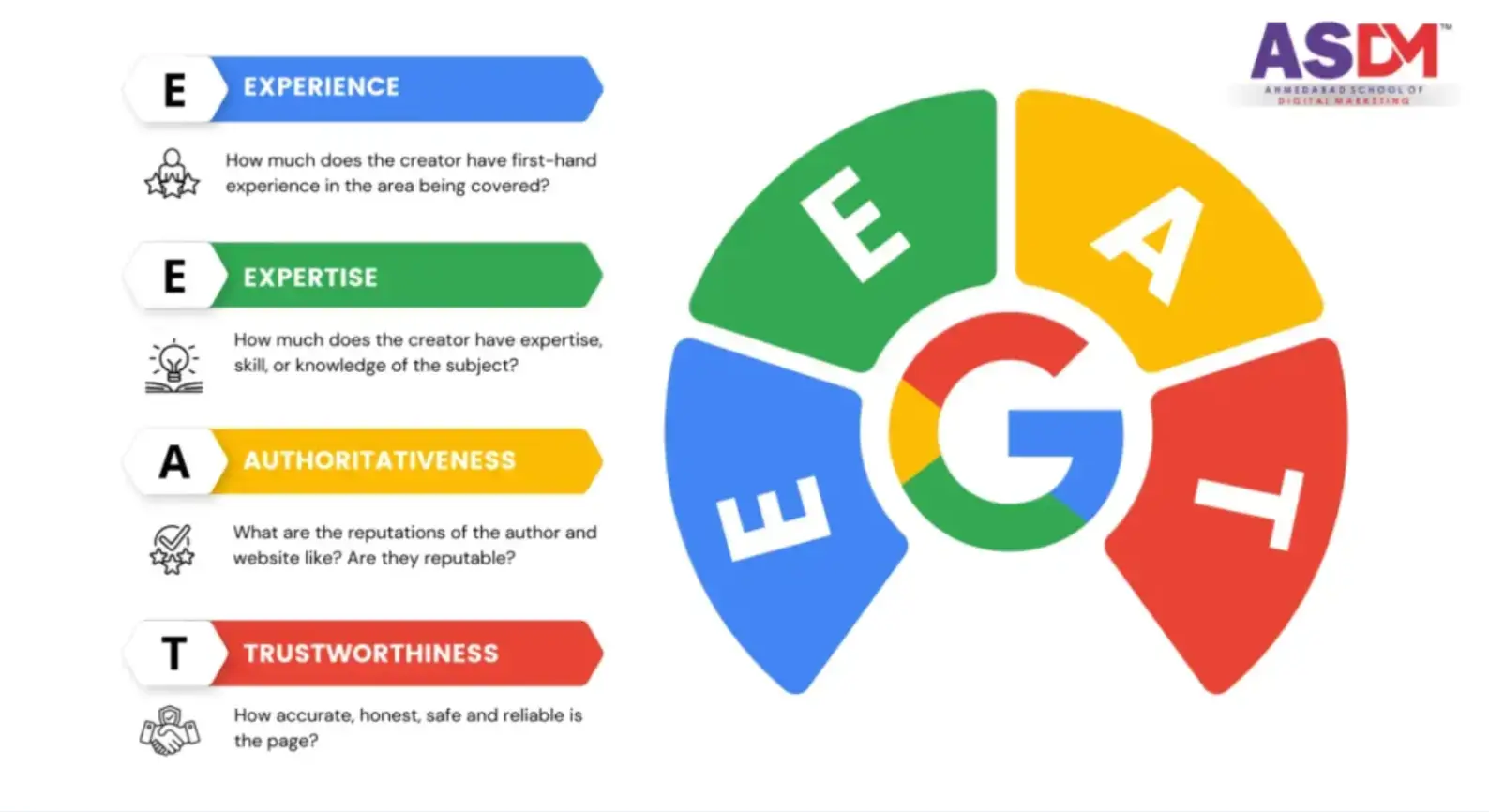
Source: ASDM
Experience: Show Real-World Proof
When we say “include real examples,” it’s not about randomly adding numbers. It’s about proving that the content comes from lived practice.
Experience changes the tone of writing. Someone who has actually done the work naturally writes differently.
They mention friction. They talk about what didn’t work. They explain trade-offs. They add small details that can’t be copied from another blog.
Example:
Instead of saying, “Email outreach improves backlinks,” say:
“In our last campaign for a SaaS client, we sent 420 targeted outreach emails and secured 38 contextual backlinks within 30 days.”
See the difference? The second version shows involvement.
Expertise: Go Deep, Not Wide
Expertise is not about sounding technical. It’s about understanding the topic well enough to explain it clearly.
Many articles look “detailed” but are still shallow. They define a concept, list a few tips, and stop. True expertise connects ideas.
For instance, if you’re writing about internal linking, expertise means:
- Explaining how it distributes authority
- Connecting it to crawl behavior
- Clarifying how anchor text affects context
- Mentioning over-optimization risks
That interconnected explanation shows mastery.
Expertise also requires accuracy. Outdated advice weakens credibility instantly.
If your content reflects old practices or ignores current realities, AI systems will be less confident in surfacing it.
Authoritativeness: Earn External Signals
Authoritativeness is external. You cannot declare yourself an authority. Others must signal it.
This is where backlinks, mentions, and citations matter. If reputable websites reference your content, it acts as third-party validation.
Think of authority as reputation at scale.
If multiple trusted sources associate your name or brand with a topic, AI systems interpret that pattern as authority.
Trust: Remove Doubt Signals
Trust is often underestimated, but it’s foundational.
Even if your content shows experience and expertise, users (and AI systems) look for reassurance:
- Is this website transparent?
- Is there a real person behind it?
- Are claims realistic?
- Is the site secure?
Trust is damaged quickly by exaggerated promises or vague authorship.
For example:“Guaranteed #1 rankings in 7 days” immediately reduces trust.
But:“Most campaigns take 3–6 months, depending on competition” builds it.
Trust is about reducing doubt. The fewer red flags your site raises, the stronger your E-E-A-T profile becomes.
Why Author Bios Matter
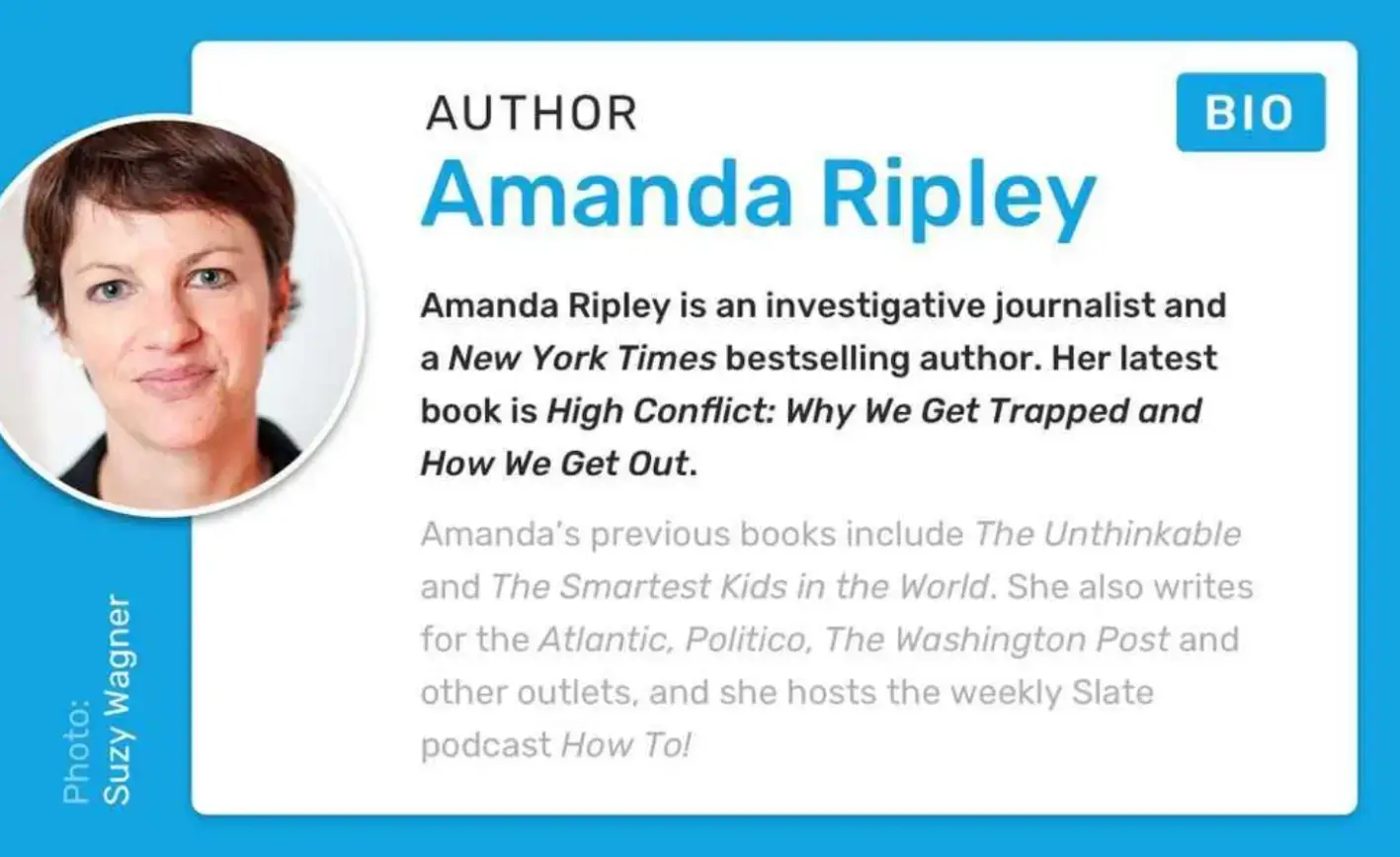
Source: reedsystudio
An author bio is not decoration. It is structural proof.
When an article clearly shows:
- Who wrote it
- What their background is
- How long have they worked in the field
…it anchors the content to a real identity.
Without this, even good content feels anonymous. Anonymous content feels replaceable. Replaceable content rarely becomes authoritative.
The Core Idea
E-E-A-T is not about adding sections to your website.It’s about reducing doubt and increasing credibility signals from every angle.
- Experience proves you’ve done it.
- Expertise proves you understand it.
- Authority proves others recognize it.
- Trust proves users can rely on it.
When all four align, your content stops looking generic — and starts looking dependable.
“Google’s AI Overviews still rely on core ranking systems, meaning signals tied to E-E-A-T continue to influence which sources are surfaced in AI-generated results.” — Search Engine Journal.
4. Create AI-Readable Content (Structure Wins)

If you want to get mentioned by AI, your content must be easy for machines to process. Clean website design supports this by organizing content hierarchies, headings, and internal links clearly.
AI systems extract answers from structured text. They do not respond well to vague, scattered writing.
Use Clear Headings and Sections
Clear headings help AI understand topic hierarchy. Each section should focus on one idea. Avoid mixing several themes in the same block of text.
Bullet points help break down complex ideas into simple parts. AI tools often pull these lists directly into summaries. Short summaries at the start or end of sections also improve extraction.
For example, if you explain how to improve brand visibility in AI search, start with a short, direct answer. Then expand with detail. This layered structure supports both humans and machines.
Avoid Fluff and Vague Language
AI systems look for precise meaning. Vague phrases like “many experts believe” or “various factors matter” weaken clarity. Replace them with specific explanations.
Clear statements improve interpretation. Instead of saying “optimize your presence,” explain what that means.
For example: “Add structured data, publish blog posts, and maintain consistent brand information.”
Direct writing reduces confusion. It helps AI systems identify your main message faster.
Keep Semantic Consistency
Semantic clarity means staying focused on one topic at a time. If your article targets AI search optimization, avoid drifting into unrelated marketing topics.
Use consistent terminology. If you use the phrase “AI optimization,” keep using it. Do not switch between random variations without purpose.
Why AI Prefers Structured, Skimmable Content
Answer engines scan content for key sections. Structured pages allow them to extract information cleanly. Skimmable formats help both users and AI systems.
Clear structure increases the chance your content appears in AI-generated summaries. When machines can understand your message easily, your brand becomes easier to cite.
“Break your content into short, focused sections that directly answer a single question. Use clear, descriptive headers that align with common user queries to make it easier for AI to extract relevant information.” — UseBear.ai.
5. Build Topic Clusters Around AI Search Intent
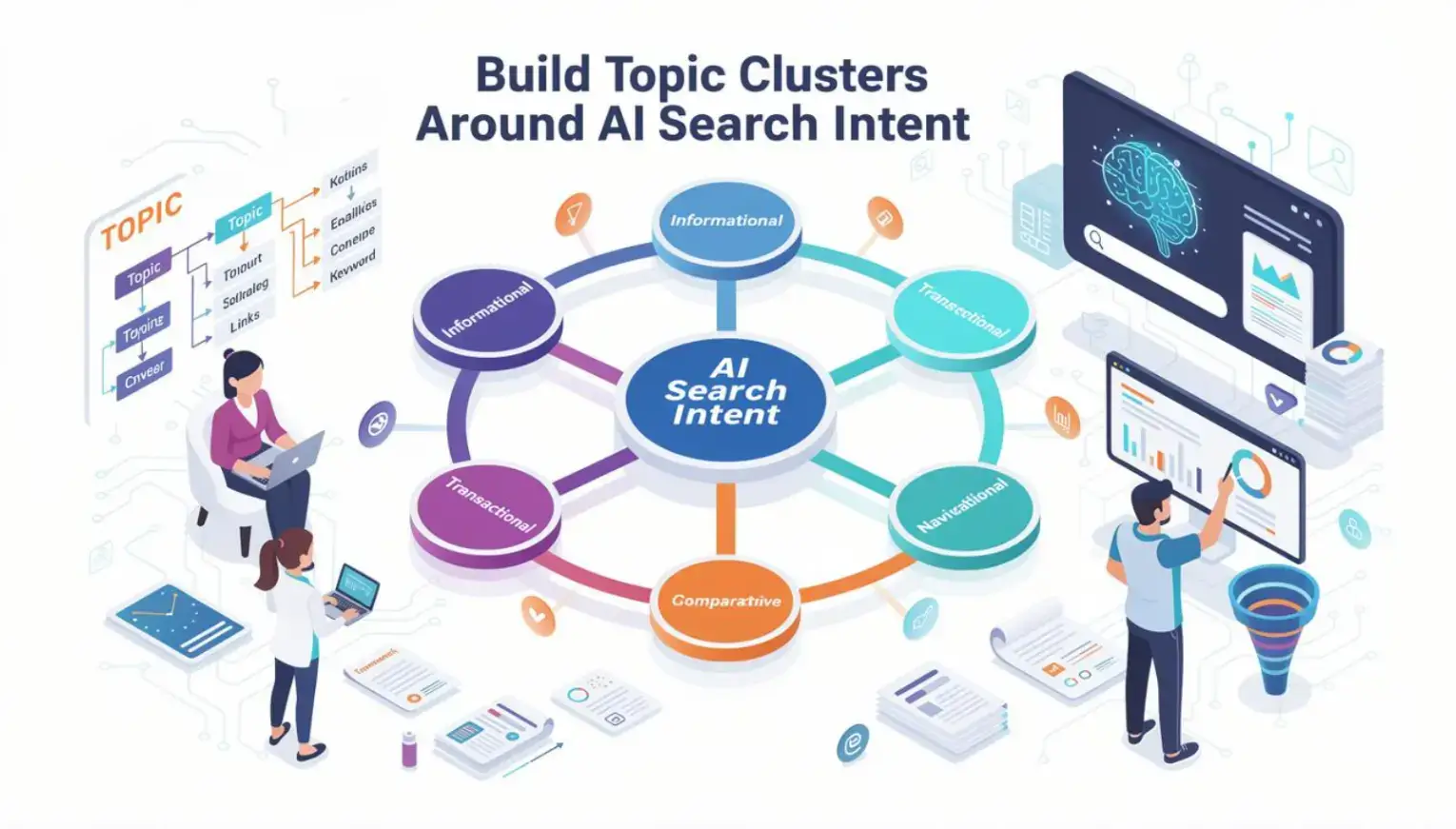
AI systems understand topics, not just single pages. To improve AI visibility, you need to show depth across related subjects.
How AI Understands Topics
Answer engines map relationships between ideas.
Each article reinforces the main subject. Over time, your brand becomes associated with that topic cluster.
Pillar Pages + Supporting Content
A pillar page covers a broad topic in detail, while supporting articles focus on subtopics and link back to the pillar.
This structure also strengthens your link-building plan, as the pillar page serves as a comprehensive, link-worthy resource that attracts backlinks and distributes authority across related content, improving overall SEO performance.
For example:
- Pillar: “Complete Guide to AI Search Optimization”
- Supporting posts:
- How to Improve Brand Visibility in AI Search
- AI Tools to Improve Brand Visibility
- Schema Markup for AI Search
- E-E-A-T and AI Ranking
Internal links connect these pages. This signals topical authority to AI systems.
Mapping Content to Search Intent
AI search intent usually falls into three groups:
- Informational: learning and understanding
- Navigational: finding a brand or platform
- Comparative: evaluating options
Your cluster should include content for each intent type. This balanced coverage increases recognition across different query types.
“An effective topic cluster strategy … builds topical authority that helps with SEO and generative engine optimization (GEO), enabling sites to appear more frequently in AI-driven responses.”— Semrush.
6. Monitor AI Mentions and Citations
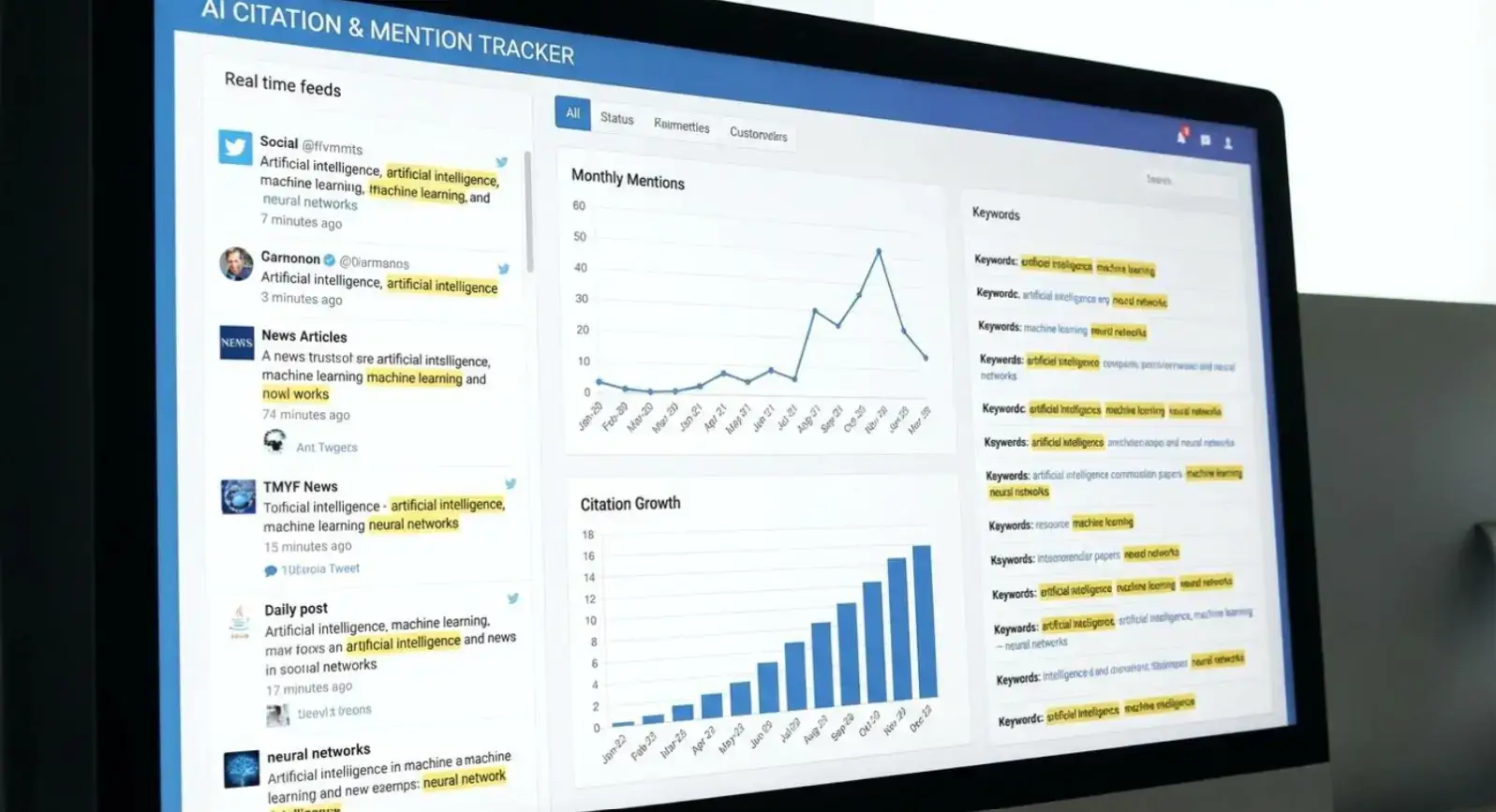
Tracking rankings alone is no longer enough. In the answer engine era, citations matter more than clicks.
Why Citations Matter More Than Clicks
When AI tools mention your brand in answers, users see your name as an authority. Even without a click, this builds recognition.
Over time, repeated citations increase trust. Your brand becomes associated with certain topics.
How to Identify Referenced Content
You can test prompts inside AI tools and observe which sources appear. Track patterns. If certain pages get referenced often, analyze their structure and depth.
Look at:
- Topic coverage
- Clarity
- Use of structured data
- External mentions
This helps you understand what works.
Turn Insights Into Strategy
If some content attracts AI citations and others do not, compare them. Improve weaker pages by adding clarity, depth, and better structure.
Monitoring AI mentions helps refine your strategy. It turns guesswork into informed updates.
When you track citations regularly, you create a feedback loop that strengthens long-term AI visibility.
“Broad coverage is a sign of strong, comprehensive topical authority — and that’s exactly what AI search models look for when deciding whose content to cite.” — GetMint.ai.
Best AI Tools to Improve Brand Visibility
The right tools make AI visibility easier to manage. You need support for content automation and optimization, entity clarity, and brand monitoring.
There are many AI tools to improve brand visibility, but they fall into clear categories.
AI Writing & Content Optimization Tools
Content optimization platforms help structure pages for clarity and topical depth. These tools analyze search intent, heading structure, and content gaps.
They help you:
- Create structured outlines
- Improve semantic coverage
- Optimize FAQs and summaries
- Strengthen internal linking
Clear, well-structured content increases the chance of AI citation.
AI writing tools also help refine messaging. They ensure your brand positioning remains consistent across articles. Consistency strengthens entity recognition.
Similarly, an AI image generator can support AI search engine optimization efforts by creating original, optimized visuals that reinforce topical authority and improve content clarity across structured guides.
Brand Mention Tracking Tools
Brand monitoring tools track where your company is mentioned online. They scan news sites, blogs, forums, and social platforms.
These tools help you:
- Identify new mentions
- Detect competitor coverage
- Spot opportunities for outreach
- Track sentiment trends
When you see gaps, you can act. This builds a stronger presence across trusted sources, which improves AI ranking signals.
Schema & Knowledge Graph Tools
Schema tools help implement structured data on your site. They define your organization, authors, and content types clearly.
Knowledge graph analysis tools help check whether your brand appears as a recognized entity. They reveal inconsistencies in business information across platforms.
How to Combine These Tools
Improving AI ranking signals requires more than publishing content. You need:
- Structured, optimized pages
- Consistent brand signals
- External mentions
- Ongoing monitoring
AI tools to improve brand visibility support each stage. Some focus on content. Others focus on mentions and entity recognition.
Used together, they create a system. That system helps answer engines recognize, understand, and reference your brand with confidence.
Key Takeaways: How to Win in AI Search
AI search has changed how people find information. Instead of scanning pages of results, users rely on direct answers. This shift requires a new strategy.
Improving AI ranking signals means making your brand easy to understand, trust, and reference. It requires structured content, strong entity signals, consistent expertise, and ongoing monitoring.
The brands that win in the answer engine era will not focus only on rankings. They will focus on recognition inside AI systems.
By combining clear content, strong authority signals, and the right AI tools to improve brand visibility, you build long-term presence across evolving search platforms.
AI search optimization is not about gaming algorithms. It is about becoming a reliable source that search engines trust.
FAQs About AI Visibility Optimization
1. What does it mean to improve AI search presence?
It means increasing the chances that AI tools mention or cite your brand in generated answers. This involves structured content, authority signals, and a consistent presence across the web.
2. How is this different from traditional SEO?
Traditional SEO focuses on ranking webpages. Here, the goal is to be referenced inside AI-generated responses, prioritizing trust and recognition over rankings alone.
3. Which tools help improve brand presence?
AI writing and optimization platforms, brand mention trackers, and schema tools help improve clarity, consistency, and monitoring of brand mentions.
4. Does this replace backlinks?
No. Backlinks still matter, but AI systems also consider citations and brand mentions, especially their context and frequency.
5. How long does it take to see results?
This builds over time. Consistent content, structured data, and trusted mentions create compounding results as your brand gains recognition.

Author Bio
Jyoti Ray is the founder of OneMinuteSEO, where he helps startups, creators, and SaaS brands grow through smart link building and search-driven strategies. With deep experience in SEO, outreach, and digital growth, he focuses on practical tactics that deliver measurable results. Connect with him on LinkedIn.