

In small service businesses, the distinction between a new customer and a loss to a competitor usually boils down to one factor: online reputation.
People check reviews before they pick up the telephone or even open a door.
A business with a strong review profile converts that attention into bookings. A business with a weak or neglected one sends those same customers elsewhere.
In this article:
- Why Online Reviews Are the New Trust Signal
- The 4 Core Practices of Reputation Marketing
- Proactive Review Generation
- Prioritizing the Right Platforms
- Responding to Every Review Professionally
- Maintaining Consistency and Recency
- How Reputation Marketing Works Across Industries
- How Reviews Improve Local SEO and Visibility
- How to Turn Reviews into More Bookings
Reputation marketing is the intentional practice of building, managing, and leveraging your online reputation as a customer acquisition tool.
It treats your review ecosystem, ranging from the ratings to the responses, and even patterns across platforms, as a strategic asset rather than a background concern.
As Ted Rubin put it: “A brand is what a business does, reputation is what people remember.”
This guide breaks down why reputation marketing matters for small service businesses and how to put it into practice.
Why Online Reviews Are the New Trust Signal
Peer reviews carry more weight than branded advertising.
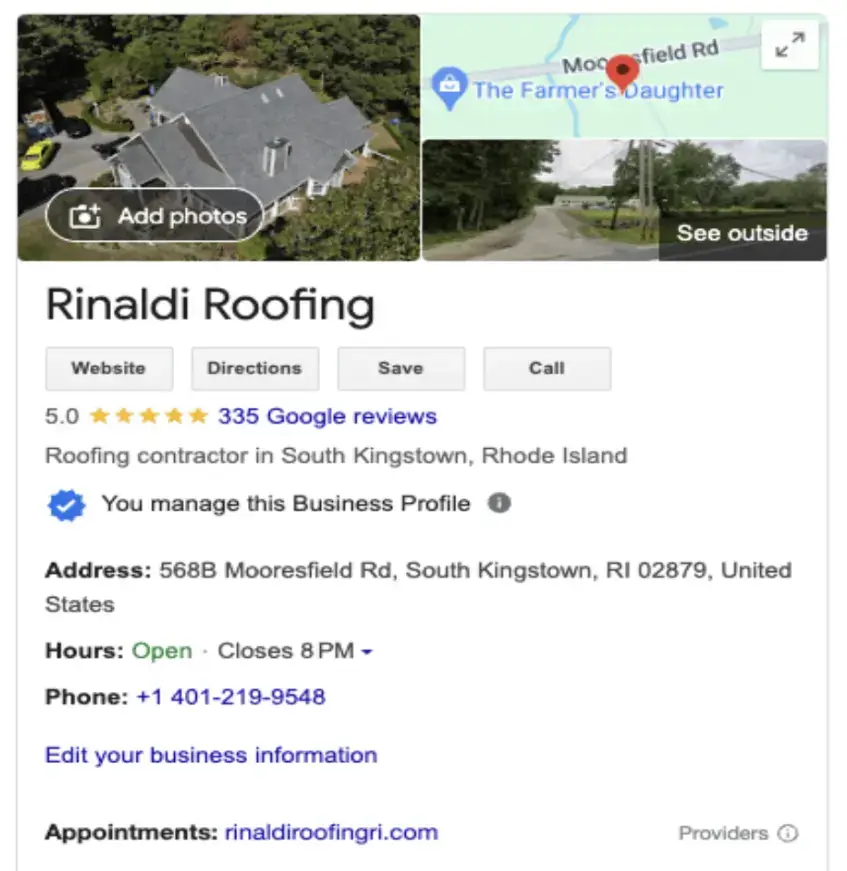
The vast majority of customers read online reviews before booking any service. And all the information that they get online leaves an impact.
The number of reviews, their recency, the average rating, and the business's responsiveness all play a role.
The review also suggests that almost 50% believe it is as trustworthy as a personal recommendation. Reviews are among the most potent, yet least utilized, marketing tools.
Several dynamics reinforce this behavior. Mobile platforms let customers leave a rating within minutes of a service visit. Google uses reviews as a major ranking factor in its local search algorithm.
That is why an expanding review profile also increases map and local search positioning. 300 reviews and an average of 4.7 stars mean that hundreds of actual customers have had a good experience and decided to share it.
The compounding effect is real. Active businesses improve their review presence over time, while those that neglect it fall further behind. That is why learning how to effectively utilize reviews in omnichannel marketing is all the more necessary.
The 4 Core Practices of Reputation Marketing
The fundamentals of reputation marketing are simpler than most business owners expect. They center on four interconnected practices.
1. Proactive Review Generation
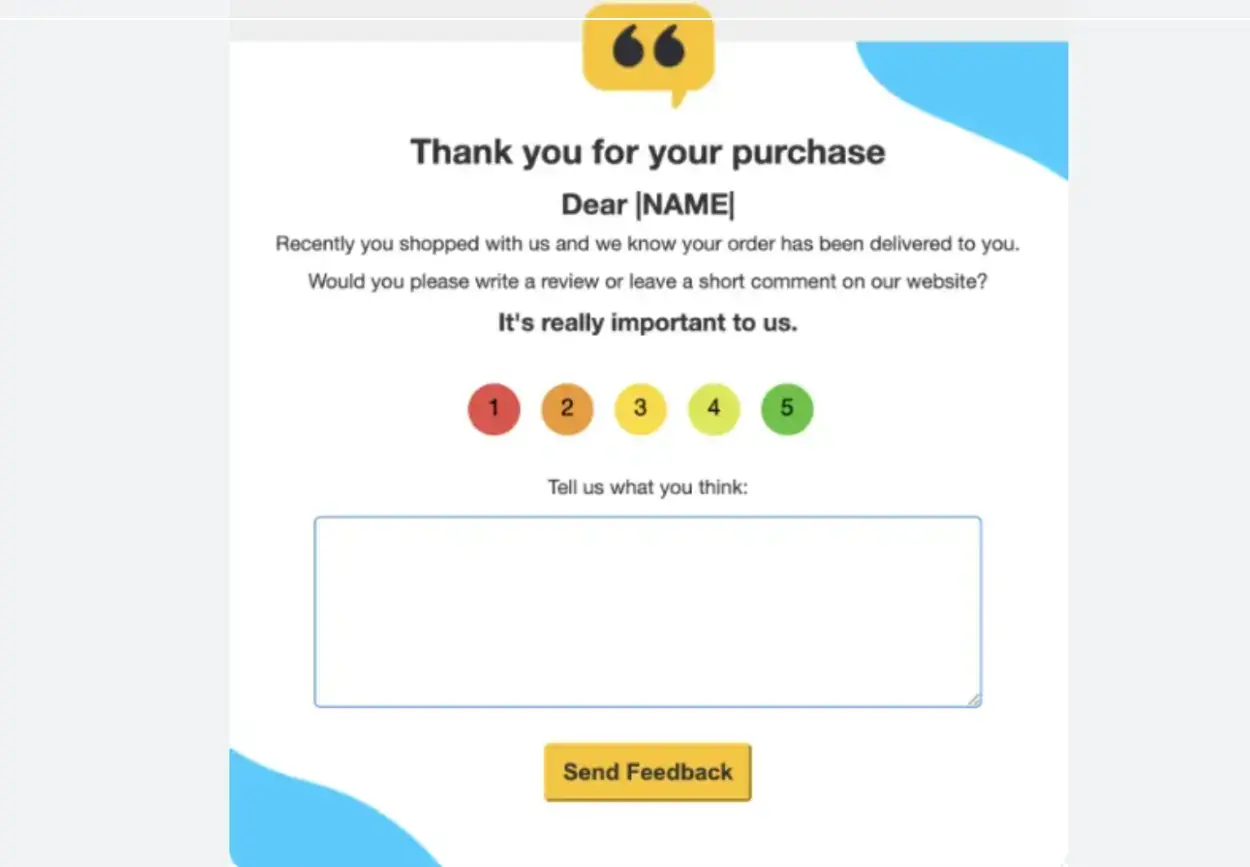
This is the highest-impact starting point. Most satisfied customers do not leave reviews unless asked.
Most individuals who had a positive experience will volunteer to share it when specifically asked. But very few volunteer to tell on their own.
A short, two-sentence touch follow-up will be more effective than a long, filled-out email campaign.
2. Prioritizing the Right Platforms
Not all review platforms carry equal weight. Google Business Profile is the priority of most local service businesses since the search visibility directly depends on it, and customers usually see it first.
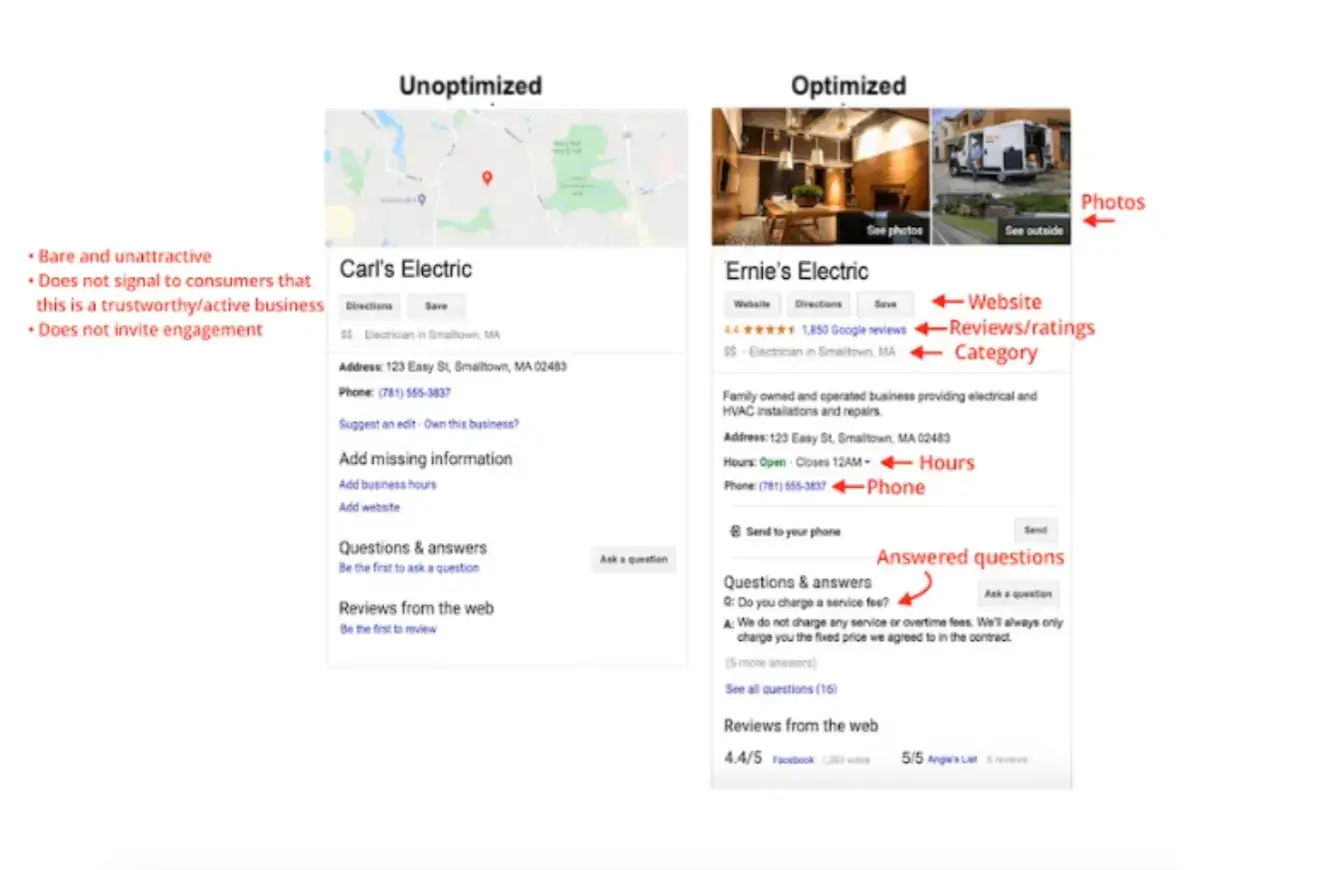
By Google's standards of how you should manage your Business Profile, maintaining a full profile, having current hours, photos, and a description of your services directly influences how your business is shown on Search and Maps.
Depending on the industry, Yelp, Facebook, and industry-specific directories have a secondary impact. It is better to be strong on two or three relevant platforms than on every single platform.
3. Responding to Every Review Professionally
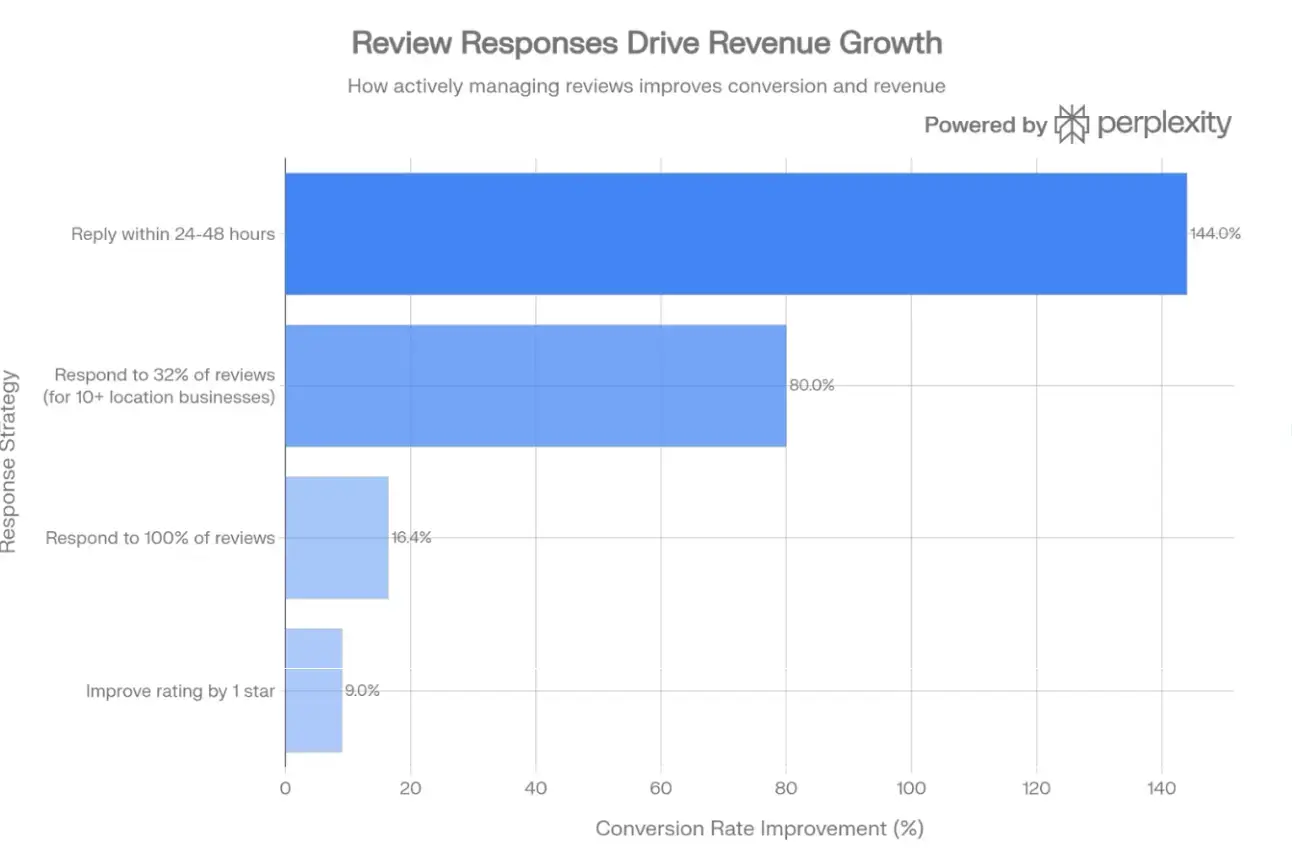
The way a business reacts to reviews is a trust signal on its own. Potential buyers read answers as attentively as reviews.
Responses are not required to be lengthy. Two or three heartfelt sentences will do better than a template. The idea is to demonstrate that the business pays attention to feedback.
4. Maintaining Consistency and Recency
A company with 400 old reviews is less convincing than a company with 150 recent reviews.
Recency indicates that the business is alive and that the quality portrayed in the reviews is up to date. At least 5 to 10 new reviews per month is sufficient to maintain a profile that is relevant to customers and search algorithms.
How Reputation Marketing Works Across Industries
The principles of reputation marketing apply across service categories, but the dynamics vary by industry.
Mechanic Shops: Building Trust in High-Stakes Decisions
Vehicle repairs are often unplanned, technically complex, and expensive — a combination that heightens customer anxiety and increases reliance on social proof.
A mechanic shop with a strong review profile has a meaningful advantage, especially when someone is making a quick decision.
Repair shop CRM software is used by many automotive repair businesses to manage the interactions between customers, service history, and follow-up communication.
Two weeks after a repair, making a call to inquire about a review request makes it feel more natural and less transactional. That context significantly changes the response rate.
Home Services: Making Every Job Count
Service providers in this category face an asymmetric challenge: interactions are infrequent. A client may use the same plumber or electrician once or twice a year, or less.
Every interaction has unequal weight, and the recency of review should be a conscious process.
Contractors who photograph completed work, explain findings clearly, and follow up after a job build a level of professionalism that customers describe in reviews.
The content of those reviews often reflects communication and reliability as much as technical skill.
Cleaning Services: Leveraging Recurring Relationships
Cleaning is a high-trust, high-frequency category. Customers are providing recurring access to their home or office, so consistency and integrity are the attributes that motivate reviews.
The regular nature of the work also makes relationship-building easier.
For instance, a check-in after the first service, followed by a review request, is a natural and well-timed ask when the experience has been good.
Salons & Personal Care: Balancing Brand vs Individual Reviews
In salons and personal care businesses, reviews can be inclined towards individual staff members rather than the business.
An aggressive reputation management approach that supports the team, but not individual stylists, cushions the brand. It helps the brand in the face of turnover and solidifies uniform quality benchmarks throughout the business.
How Reviews Improve Local SEO and Visibility
Google's local algorithm promotes businesses based on their ratings, reviews, activity frequency, and response behavior.
The keywords, when naturally mentioned in the reviews, also enhance the business's relevance to related searches.
Any search query occupies most of the clicks on the three leading local results. That makes review performance a direct revenue lever, not just a reputation concern.
Local SEO and reputation marketing are not distinct strategies; they go hand in hand. A company that regularly receives positive reviews and replies professionally will slowly increase its ranking on search engines.
On the other hand, lower customer acquisition rates compared to a company that does not care about its online presence.
How to Turn Reviews into More Bookings
An effective profile on the review page sets the stage for conversion.
Yet obstructions might still find their way. Companies that maintain their Google and Yelp accounts encourage customers towards repeat business.
Response speed also matters. Someone who reaches out after reading reviews has already decided to take action. A slow response undermines that momentum.
The businesses that benefit most from reputation marketing understand consistency. They are the ones that incorporate feedback generation into their regular rhythm of operation.
With such a system in place, the compounding effects would be evident within a few months. The results will ensure increased ratings, more consistent volumes of reviews, improved search placement, and increased inbound inquiries.
Conclusion: Reputation Is Your Most Powerful Growth Channel
For small service businesses, reputation marketing is not a supplementary activity. It is a primary driver of customer acquisition.
Reviews on the internet have become the standard manner by which customers assess and contrast local businesses.
The companies that prevail in the competitive local markets consider each finished service as a chance to receive a public recommendation.
They request regularly, react in a professional way, keep their profiles updated, and monitor review performance as one of the business measures.
With time, that discipline builds up to greater search visibility, greater conversion rates, and a reputation that operates around the clock even when no one is marketing.
Reputation is no longer incidental to a business. It is something a business actively builds.
Frequently Asked Questions
1. How many Google reviews does a small business need to rank well locally?
There is no fixed number, but most competitive local businesses need at least 40 to 50 reviews with an average above 4.0. Recency matters more than volume.
2. Is asking customers for reviews against Google’s policies?
No. Google explicitly allows review requests. What is prohibited is incentivizing reviews with discounts or gifts, and review gating.
3. What should a small business do about a bad review?
Acknowledge the experience, apologize where appropriate, and offer to resolve the issue offline. Keep the response to two or three sentences.
4. Do reviews on sites other than Google affect local SEO?
Yes, though Google reviews have the greatest direct impact on rankings. Yelp, Facebook, and industry-specific platforms strengthen overall brand credibility.
5. How long does it take to see results from reputation marketing?
Most businesses see increased review volume and improved ratings within two to three months of consistent effort. Search ranking improvements typically follow within three to six months.

Author Bio
Naba Batool started out studying ecosystems - turns out, the internet has its own food chain, and the rules aren't that different. With a background spanning science journalism, health writing, and SaaS content, she's spent years figuring out what makes people actually stop scrolling and read. She writes content that earns its place on the page - clear, researched, and built to do something useful.