

Small businesses run a (near) single-person team. Business owners juggle many tasks, from answering customer questions to posting on social media.
It's because the priorities are pretty dynamic. Something always comes up, making it hard to post regularly and grow their social media following.
If social media is a part of the growth strategy, then you cannot treat the brand's social media presence as an optional add-on.
It’s because customers see a brand’s digital presence before interacting.
Forbes noted that 78% of individuals visit a business’s social media pages to learn more about the brand.
To stay ahead of competitors, stop depending on bursts of creativity. Instead, try and you’d lean toward a repeatable operating system.
We’ll unpack how to do that, laying out practical ways to build consistency on social media.
5 Ways to Build a Sustainable Social Media Presence as a Small Business
A sustainable social media presence requires a shift in how you approach these channels. Think less about chasing vanity metrics (likes, shares, etc.) and focus more on showing up with clarity and consistency over time.
That only happens when social media runs on a process, not bursts of effort. It results in sustainability by turning ideas into repeatable actions that fit everyday business constraints.
These five approaches serve as a great starting point for doing exactly that.
1. Prioritize Raw, Operational Content Over High-Production Posts
You don't need a camera crew and script for every post. Too-polished content can actually push your audience away.
HubSpot data shows that 63% of people prefer real, relatable videos over high-production content. Good news for small teams: authentic content is faster and less expensive to produce.
What This Looks Like in Practice
Packing and shipping
If your business sells products, it’s a good idea to capture the physical movement through behind-the-scenes (BTS) videos.
Services may need brainstorming sessions and team meetings to highlight collaboration.
A sustainable social media presence requires using staff scheduling tools like Homebase. It lets you see when your team can record content during their shifts.
Assign posting responsibilities to those already present to avoid adding pressure or last-minute coordination.
Behind-the-scenes workflows
Staged demos may feel forced on social media (except YouTube, maybe!). Instead, show products that you are using, have tested, or have handled during normal operations.
These moments are easy to capture and repeat because they already happen daily.
Example: Saddleback Leather’s Behind-the-Scenes Strategy
Saddleback Leather Co. Success Story: Saddleback Leather built its social presence by sharing unfiltered factory footage. They shot product stress tests and shared behind-the-scenes stories from daily operations.
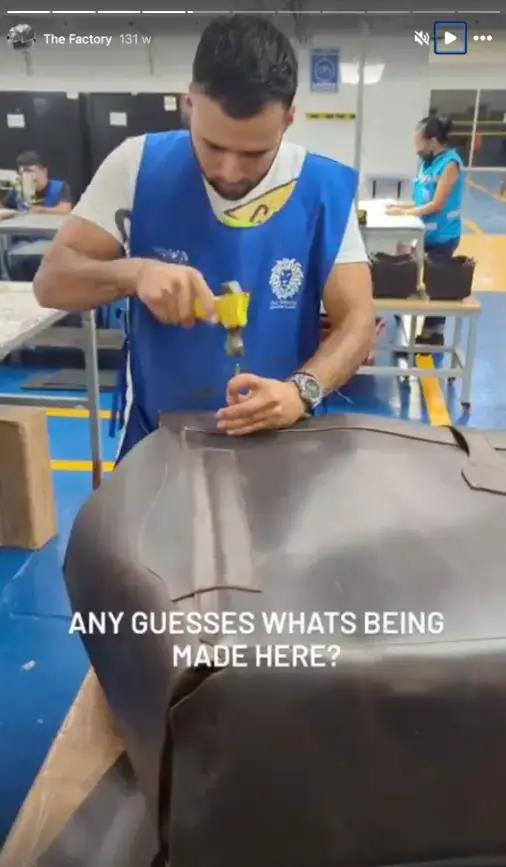
Source: Instagram
The founder, Dave Munson, is best known for creating the "How to Knock Off My Bag" video. It was raw yet sarcastic and an authentic piece of content that showed the high quality of his products.
2. Use User-Generated Content as Built-In Social Proof
Another way to build a sustainable social media presence is to leverage UGC for social media growth. This means users will share the content through your channels.
Bazaarvoice’s Shopper Experience Index reports that 8 out of 10 consumers consider user-generated and creator content essential to their buying journey.
What This Looks Like in Practice
Incentivized hashtags
Ask users to add hashtags (that’s easy-to-remember) when they share a word about your product or experience.
That’s how you get a steady pool of content to reuse. Best part — you don’t even have to constantly ask permissions or hunt for ideas.
A well-known example is of Daniel Wellington. The brand encourages customers and creators to post photos using the #danielwellington hashtag. They even regularly reshare such content on their own channels.
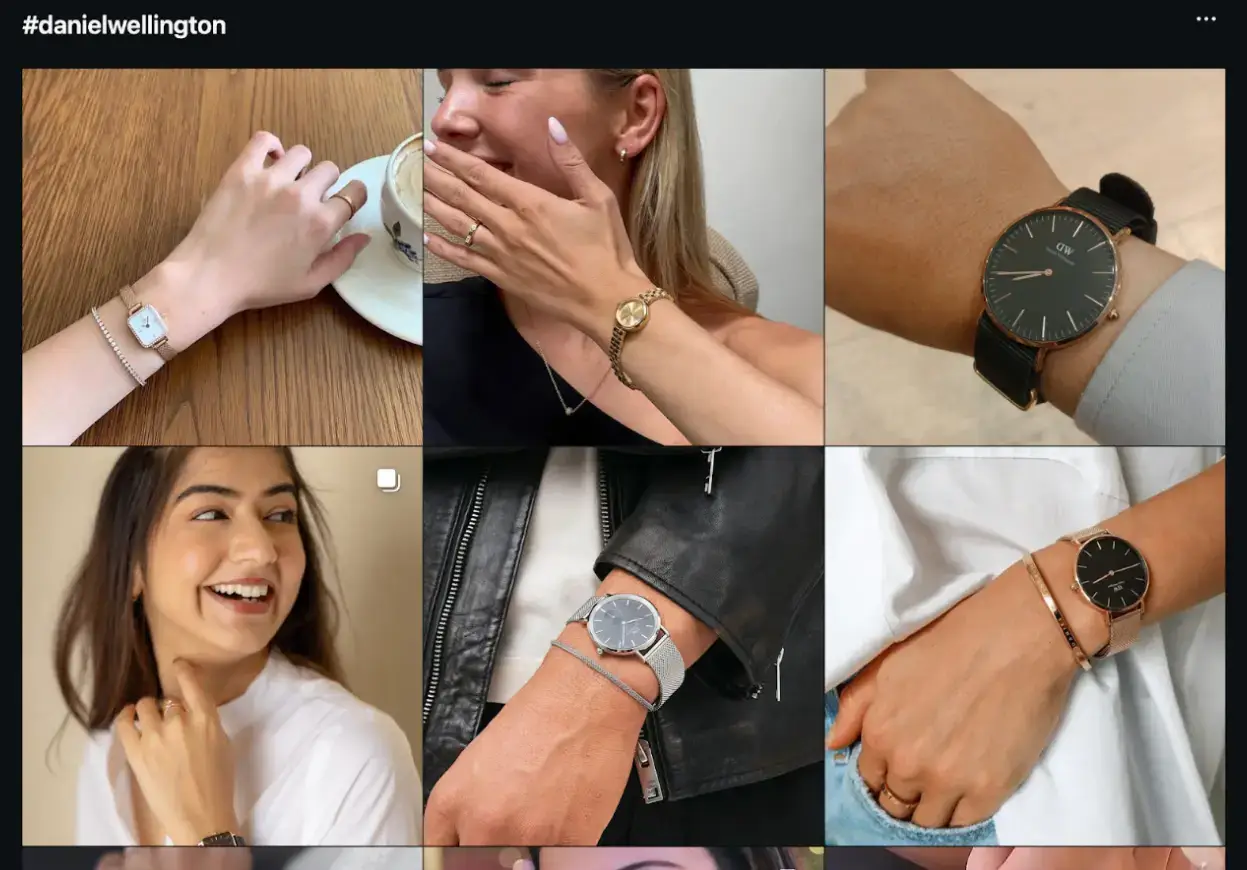
Over time, this approach generated millions of views on TikTok and Instagram.
Scaling the Founder’s Personal Brand
Users are more likely to tag a brand when they feel a personal connection to the people behind it. Founders sharing their story on a social platform humanizes the brand. It also inspires users to share their own experiences.
Tools like Taplio can support this kind of consistency. But their pricing and feature depth don’t always fit well with lean teams or early-stage businesses.
In those cases, simpler Taplio alternatives, such as Supergrow, offer a more accessible way for founders to maintain a steady presence on LinkedIn without stretching their budgets or time.
Also, use Supergrow with tools like HeyReach to drive cold outreach emails.
3. Build Social Media Consistency Through Internal Workflows
One of the fastest ways social media breaks down in small businesses is cognitive overload. It represents the daily stress of wondering what to post.
Instead, build a system that runs regardless of how busy the shop floor gets. Here, you can opt for the Pointerpro tool, which is super useful for small businesses looking to assess their online presence maturity by identifying gaps and opportunities.
Start by assigning a single owner (if needed) to funnel what to post and when. Brainstorm ideas and document a monthly content plan, unless something viral comes up (Dalgona in 2026, anyone?).
Approaching social media in this manner helps small businesses stay aligned with fast-moving social media marketing trends while maintaining a predictable content cadence.
How to Build a Repeatable Social Media System
Document a Brand Playbook
A brand playbook must feature clear instructions and steps, which usually start with questions such as:
- What tone do we use?
- What kind of content do we avoid?
- How do we respond to common questions or complaints?
If a staff member leaves or a new hire starts, there’s no change in the brand’s voice.
You can create a training system within your brand assets, including no-go topics and response templates. Start by exploring the best learning management system examples that help identify platforms where you can host these playbooks.
A business LMS lets you turn media training into a repeatable module and keeps team members on the same page through a playbook.
Maintain a Shared Content Repository
Give everyone on the team access to a shared folder to store raw photos, short videos, screenshots, and behind-the-scenes clips.
It’s one way to provide a constant supply of material for your posts, so you never have to start with a blank screen.
Streamline this further by using a social media management tool like MeetEdgar, which lets you store assets and lets your team instantly share and schedule posts.
Example: Zingerman’s Employee-Driven Brand System
Zingerman built a staff guide to help employees build brand knowledge and contribute to the brand's digital presence.
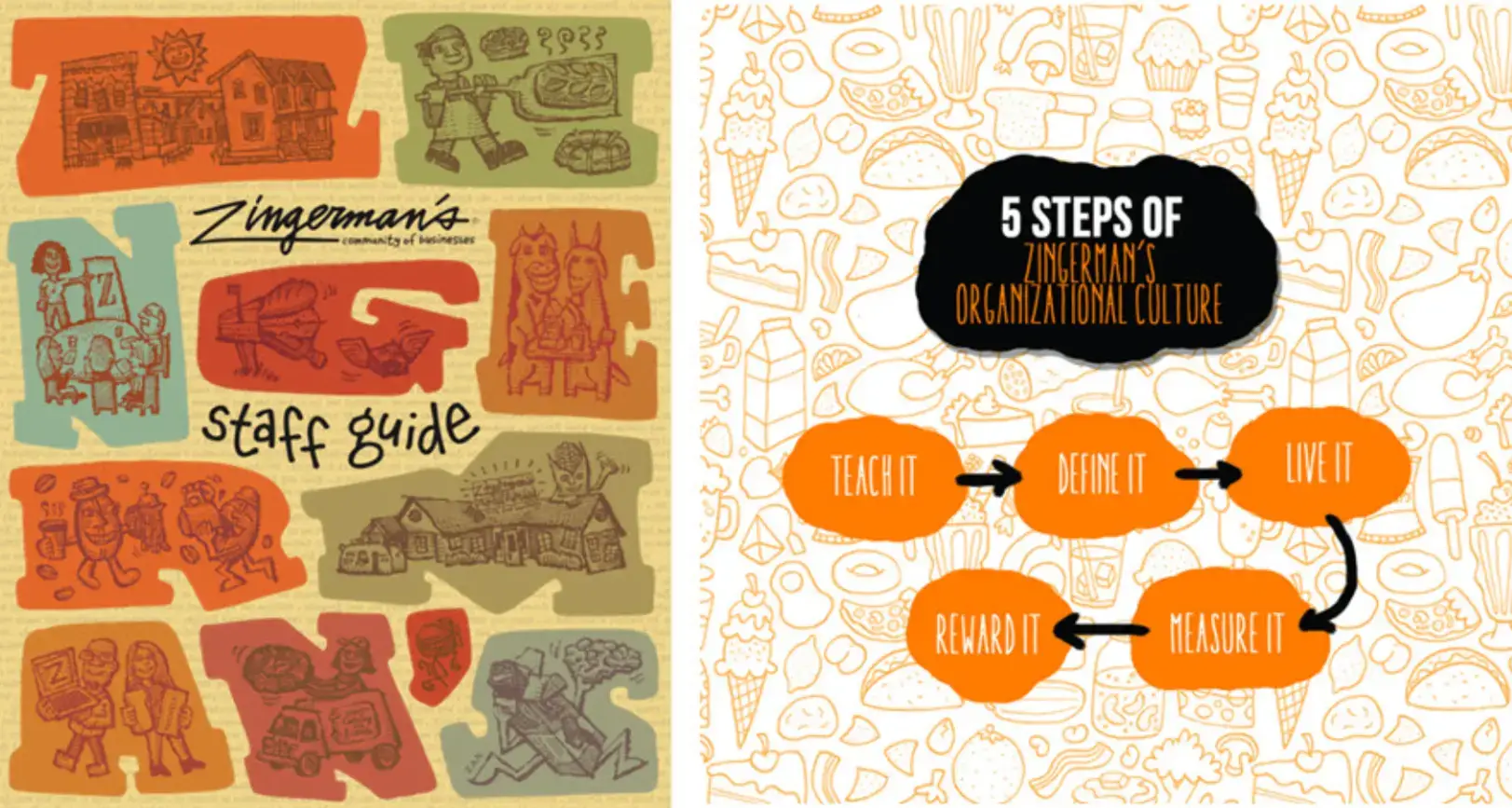
Source: BlueSky Personnel Solutions
Documented workflows and shared assets for social media mean there’s no single point of dependency. Rather, it becomes a standard part of the business workflow.
4. Using AI to Speed Up Content Creation and Formatting
AI for digital marketing is the norm, especially for social media content.
It reduces the manual effort and time required to draft captions, design layouts, and format content.
AI closes this gap.
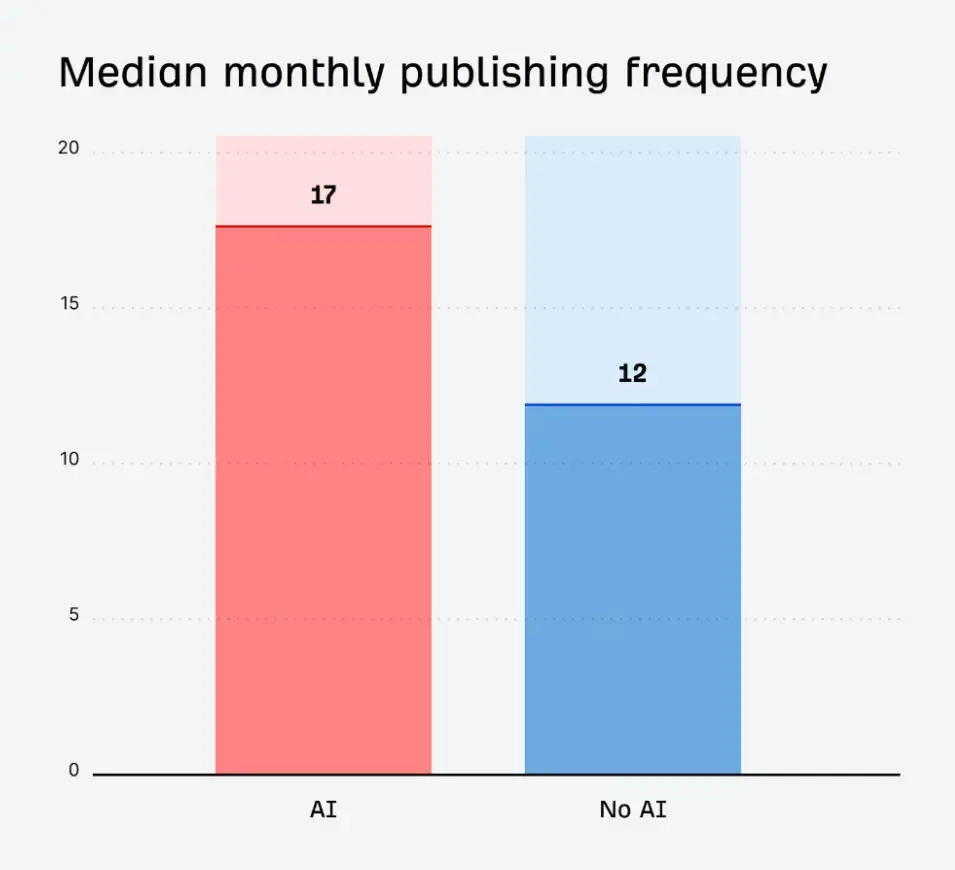
Data from Ahrefs suggests that businesses using AI publish 42% more content each month. This allows smaller teams to match the cadence of much larger competitors.
What You Can Automate with AI
Caption drafting
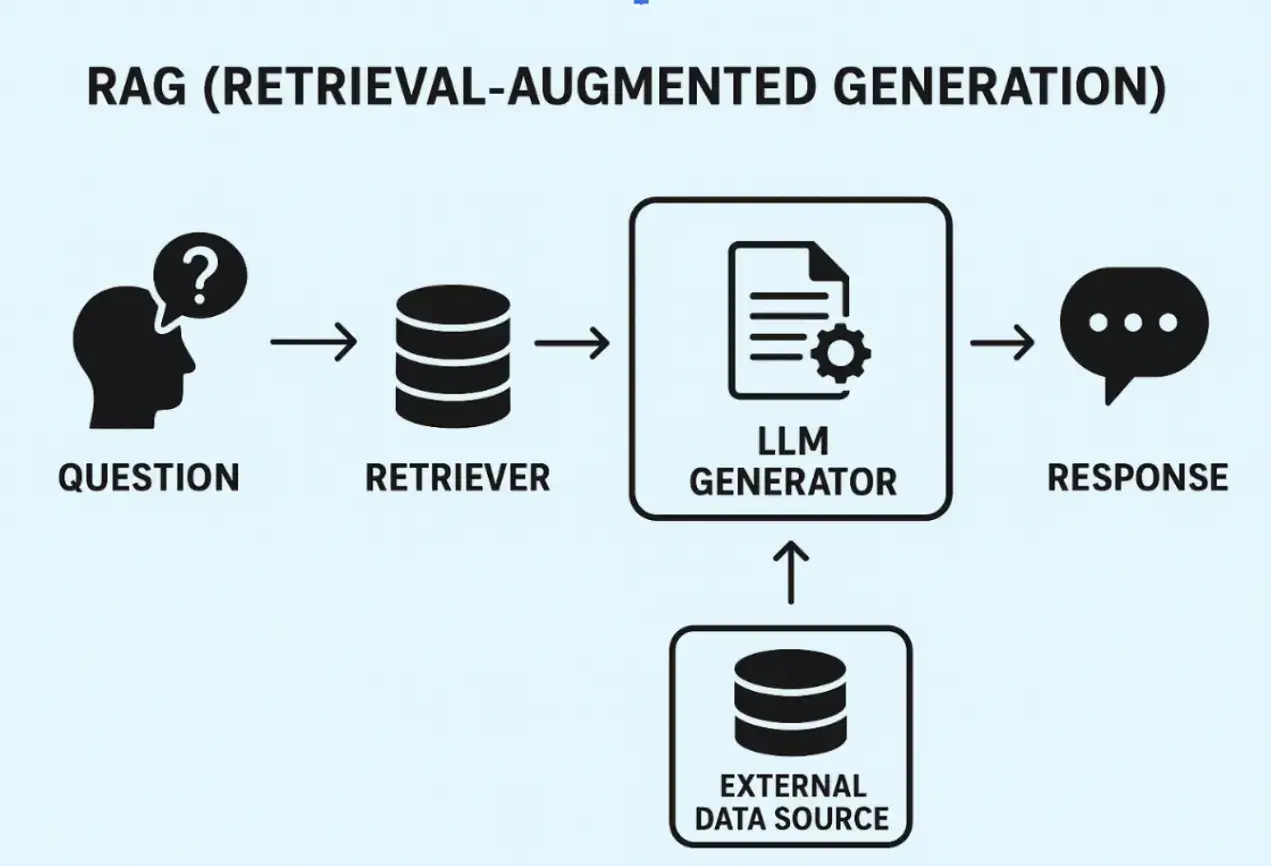
Rather than relying on stateless AI prompts, use tools that allow content generation to be grounded in your own material.
Approaches inspired by Retrieval-Augmented Generation (RAG) enable AI to reference brand guidelines, high-performing past posts, FAQs, or product documentation while drafting content.
Source: LOCAL WINGS
This keeps the output aligned with your business's existing tone, rather than forcing the model to infer it from scratch.
Apart from Claude, ChatGPT, and Gemini, you can also experiment with Google Labs’ Pomelli to build scalable, on-brand content.
Brand-aligned templates
AI helps create master templates that automatically adjust your brand colors and fonts across various formats (Stories, Reels, or LinkedIn posts).
That’s also how you can reduce variation and steer clear of making micro-level decisions for every post. Generate initial templates for recurring post types such as announcements, product highlights, or FAQs.
Once approved, these templates make posting much easier. Eventually, it frees creative teams to focus on brainstorming ideas and timing the deliveries, minus rewriting the same formats.
Example: Vanguard’s AI-Driven Messaging Tests
Vanguard increased conversion rates by 16% on LinkedIn by using Persado’s AI engine by testing 64 message permutations. Goes on to show that AI-driven content generation eliminates manual drafting and testing.
5. Turn Social Media Into a Customer Service Channel
The 2025 Sprout Social Index shows that 73% of consumers expect a response within 24 hours or sooner as a part of social customer care.
When treating social media as a customer service tool, those comments and DMs become opportunities to improve the Customer Experience (CX) and drive loyalty.
Social media customer experience may stem from even your posts, where customers call out brands for poor products or service. An example below of Madedotcom shows it.
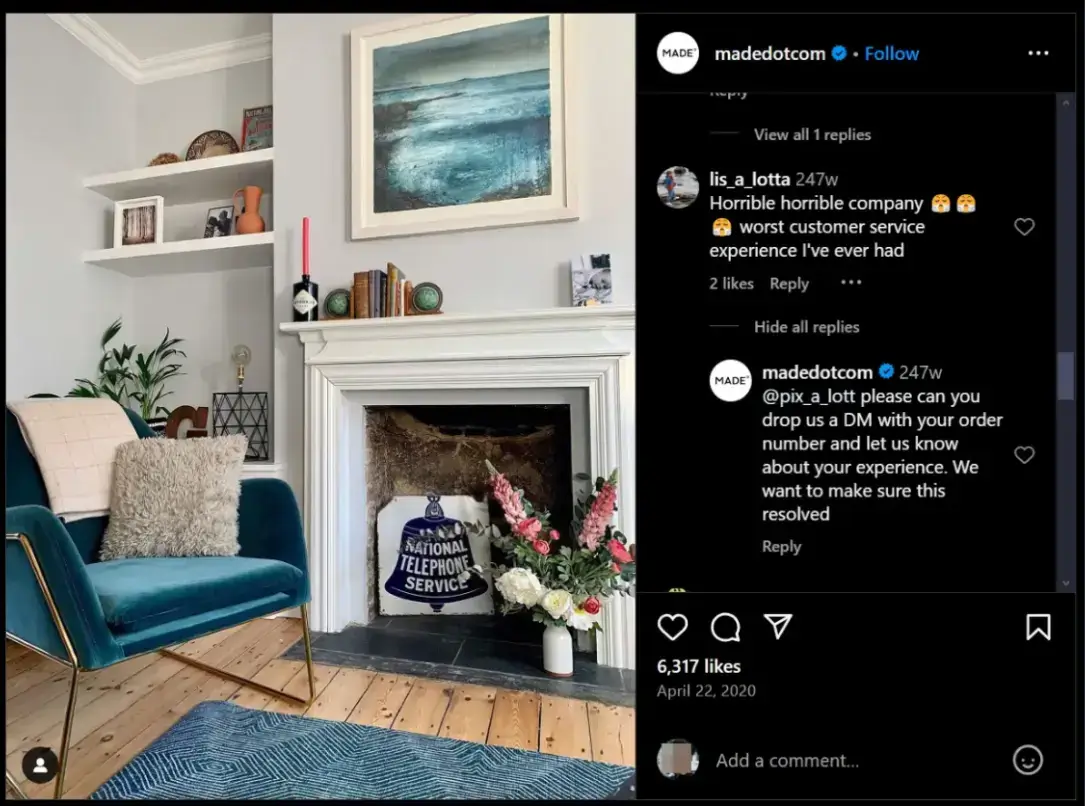
A better approach is to address the issue publicly and address grievances offline.
Best Practices for Social Media Support
Publicly acknowledgment
Address customer concerns publicly by responding to the comment. It immediately shows that you’re listening. Public acknowledgment builds trust with other potential customers who see that you are responsive.
Moving to DMs
Next, move the specific details to Direct Messages (DMs) for a more personalized, deep-dive resolution.
FAQ highlights and pinned posts
Use your Instagram Highlights or pinned posts to address the top 10 questions you receive in DMs, such as:
- Where do you ship?
- What is your return policy?
- What are the guarantees and warranties involved
Provide customers with a knowledge library and self-service options. They’ll have answers to common questions before they ask, reducing friction in the buying journey.
Share those FAQs via email to improve email deliverability using tools like GlockApps and ensure customers receive them.
Conclusion: Make Social Media a System, Not a Side Project
The most effective way to build a sustainable social media presence doesn’t necessarily mean finding extra hours in a busy day.
You cannot out-hustle a lack of process. That’s why you need to implement these tips to stop relying on creative outbursts and move to a repeatable system.
What you want is to make social media a standard operational line item rather than a creative extra, ensuring consistency for sustainable growth.
Frequently Asked Questions
1. What does a sustainable social media presence mean for small businesses?
It means showing up consistently using simple systems that fit daily operations, without relying on last-minute ideas or burning out.
2. Do small businesses need high-quality production to succeed on social media?
No. Raw, behind-the-scenes content from everyday work often performs better because it feels real and relatable.
3. How can user-generated content improve consistency?
UGC provides a steady stream of ready-made content from customers, reducing the pressure to create everything from scratch.
4. What internal workflows help with social media posting?
Clear ownership, a basic content plan, shared asset folders, and a documented brand playbook help teams avoid daily guesswork.
5. How can AI support social media content without adding complexity?
AI can help draft captions, reuse templates, and format posts using existing brand materials, saving time on repetitive tasks.
6. Why should social media be treated as a customer service channel?
Customers expect quick responses on social platforms, and timely replies build trust while improving the overall customer experience.

Author Bio
Rushali Das is a Sr. SEO and Outreach Specialist at Ranking Bell. She helps B2B SaaS companies grow organically through performance-led link-building strategies. By earning high-authority backlinks to relevant content assets, she improves search performance, drives qualified traffic, and supports MRR growth. Connect with her on LinkedIn to chat about SEO-driven SaaS growth.