
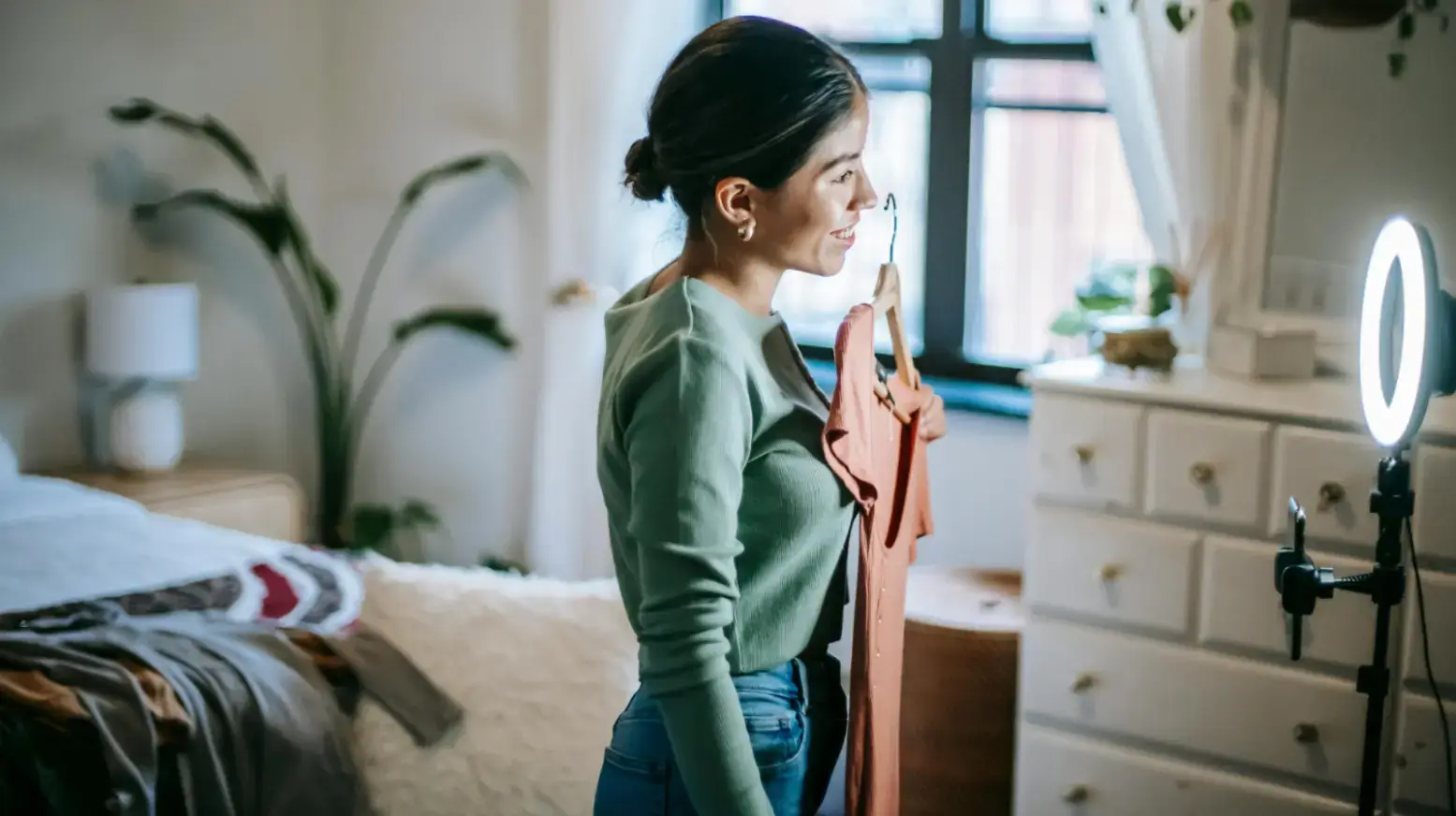
Social media creators now play a major role in shaping what people wear and how they shop. Their daily content turns outfits into trends and recommendations into purchases. While this shift is often discussed from a cultural angle, it also has direct commercial implications.
For small fashion brands and ecommerce founders, understanding how influencer fashion works is essential for growth, customer acquisition, and brand positioning in crowded markets.
In this article:
- What Is Influencer Fashion?
- How Influencers Shape Consumer Fashion Choices
- Fashion Brands and Influencers: A Symbiotic Relationship
- Turning Influencer Attention Into Community Growth
- Influencer Marketing Strategies for Small Fashion Brands
- The Industry Impact of Influencer Fashion
Source: Freepik
What Is Influencer Fashion?
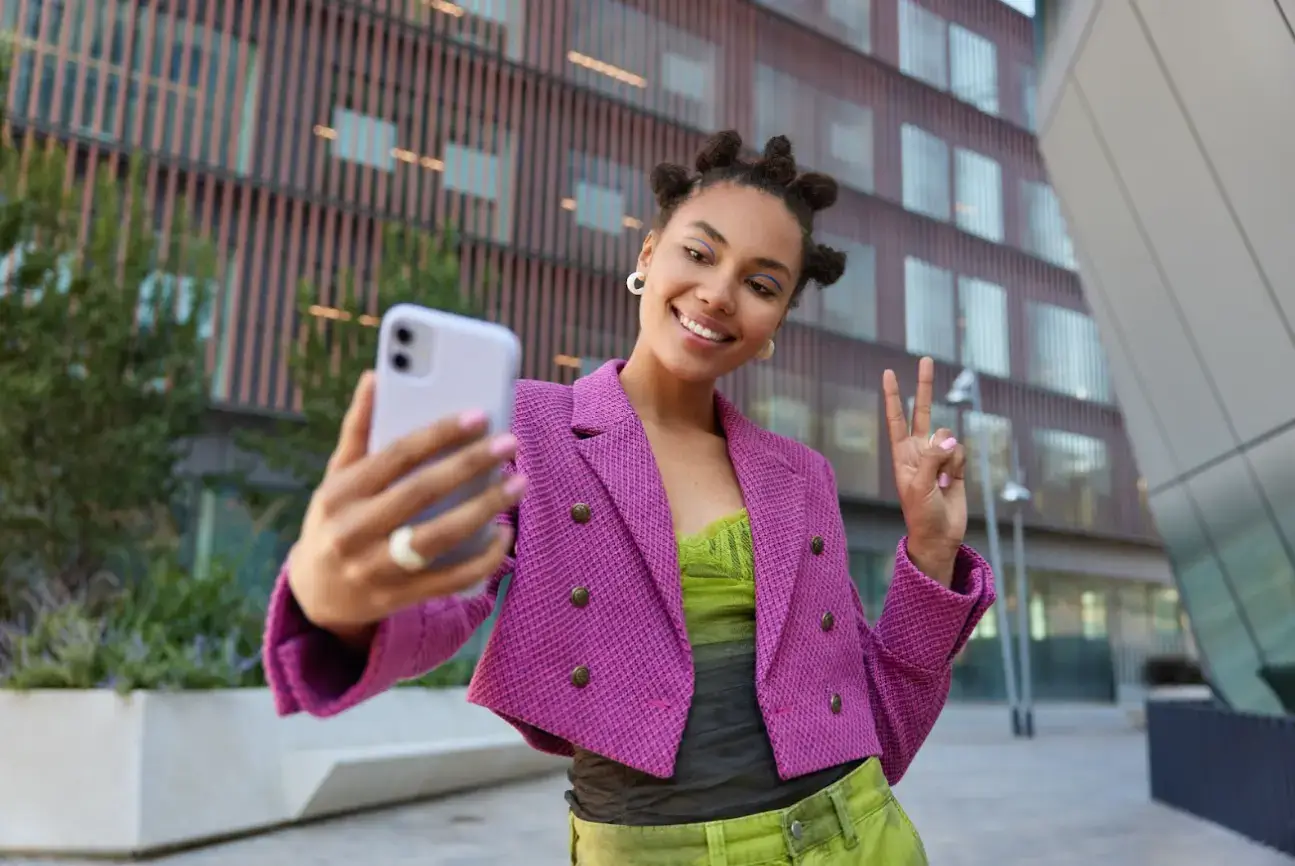
Influencer fashion refers to how creators shape style trends and buying behaviour through the outfits and brands they feature online.
This relatability increases trust, which directly affects purchase intent.
Definition and Evolution of Influencer Fashion
Creators now act as informal stylists for their audiences.
Instead of waiting for seasonal runway trends, consumers discover looks through short videos, outfit posts, and styling tutorials. This has accelerated the fashion cycle, making trend adoption faster and more accessible.
The Role of Visual Platforms in Driving Purchase Decisions
Fashion is highly visual, so platforms built around video and imagery naturally drive style adoption.
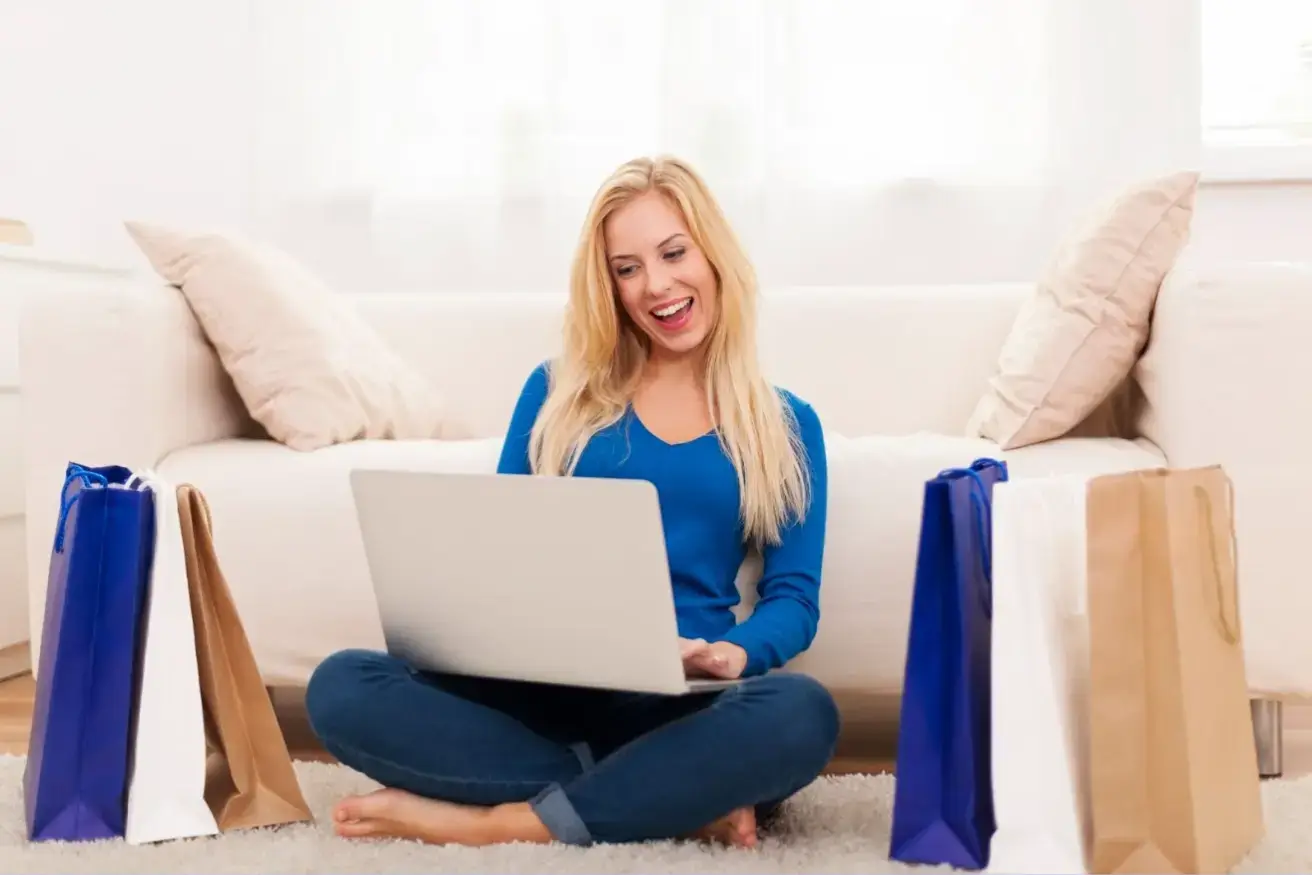
When audiences see how an item fits, moves, and pairs with other pieces, they gain confidence in making online purchases. This reduces friction in the buying journey and often improves conversion rates for featured products.
Source: Freepik
How Influencers Shape Consumer Fashion Choices
Creators influence fashion by embedding clothing into daily routines rather than presenting it as isolated products.
This context makes recommendations feel more authentic and actionable, which is especially powerful for e-commerce-driven brands trying to shorten the path from inspiration to purchase.
How Non-Fashion Creators Drive Fashion Trends
Creators in fitness, beauty, and lifestyle niches often shape fashion trends, even when fashion is not their primary focus.
For example, a fitness creator consistently wearing a specific athleisure brand can normalise that look within their community, leading to repeated exposure and increased purchase intent.
The Role of Authenticity and Relatability in Conversions
Trust is the main driver of influencer effectiveness.
Audiences respond better when creators mix affordable and premium items, repeat outfits, and explain why they like a product.
This signals genuine usage rather than a one-off promotion, which is more likely to drive sustained brand loyalty and repeat purchases.
Fashion Brands and Influencers: A Symbiotic Relationship
Influencer partnerships are now a core part of fashion marketing strategies.
Instead of relying solely on brand-led campaigns, companies collaborate with creators who can present products in a natural, lifestyle-driven format.
For small businesses, this approach can be more cost-effective than large-scale advertising by combining storytelling with performance marketing.
Sponsored Content and Brand Collaborations
When creators produce sponsored content, they effectively act as both media channel and creative partner.
Practical approach for SMBs:
- Provide each creator with a unique discount code to accurately attribute sales.
- Use UTM links to track clicks, sessions, and assisted conversions.
- Monitor changes in conversion rate on product pages after influencer content goes live.
- Compare the cost per acquisition from influencer campaigns with paid social ads to assess efficiency.
This turns influencer marketing from a branding exercise into a scalable growth channel.
The Shift from Celebrities to Creators
Creators often outperform celebrities at driving purchases because they engage directly with their audiences through comments, Q&A Sessions, and daily content.
For small brands with limited budgets, partnering with niche creators can generate stronger engagement and higher intent traffic than a single high-cost celebrity endorsement.
Source: Freepik
Turning Influencer Attention Into Community Growth
While creators introduce trends, communities often determine whether those trends actually stick.
Customers increasingly rely on peer validation through comments, reviews, and user-generated content before making purchase decisions. This means influencer campaigns are most effective when they spark ongoing conversations rather than one-time exposure.
For small fashion brands, this insight is highly practical. Influencers can create initial awareness, but community engagement is what sustains demand and builds long-term brand loyalty.
When customers see real people styling your products and discussing them organically, it strengthens trust and reduces hesitation at the point of purchase.
Practical ways small businesses can apply this:
- Create a small ambassador group of loyal customers who receive early access to new products.
- Encourage customers to share outfit photos and tag your brand, then repost them as social proof.
- Run campaigns that invite user styling ideas, not just influencer promotions.
- Combine influencer launches with community challenges or giveaways to extend campaign lifespan.
This blended approach helps small brands turn influencer attention into repeat engagement, stronger trust signals, and ultimately higher conversion rates.
Influencer Marketing Strategies for Small Fashion Brands
Source: Freepik
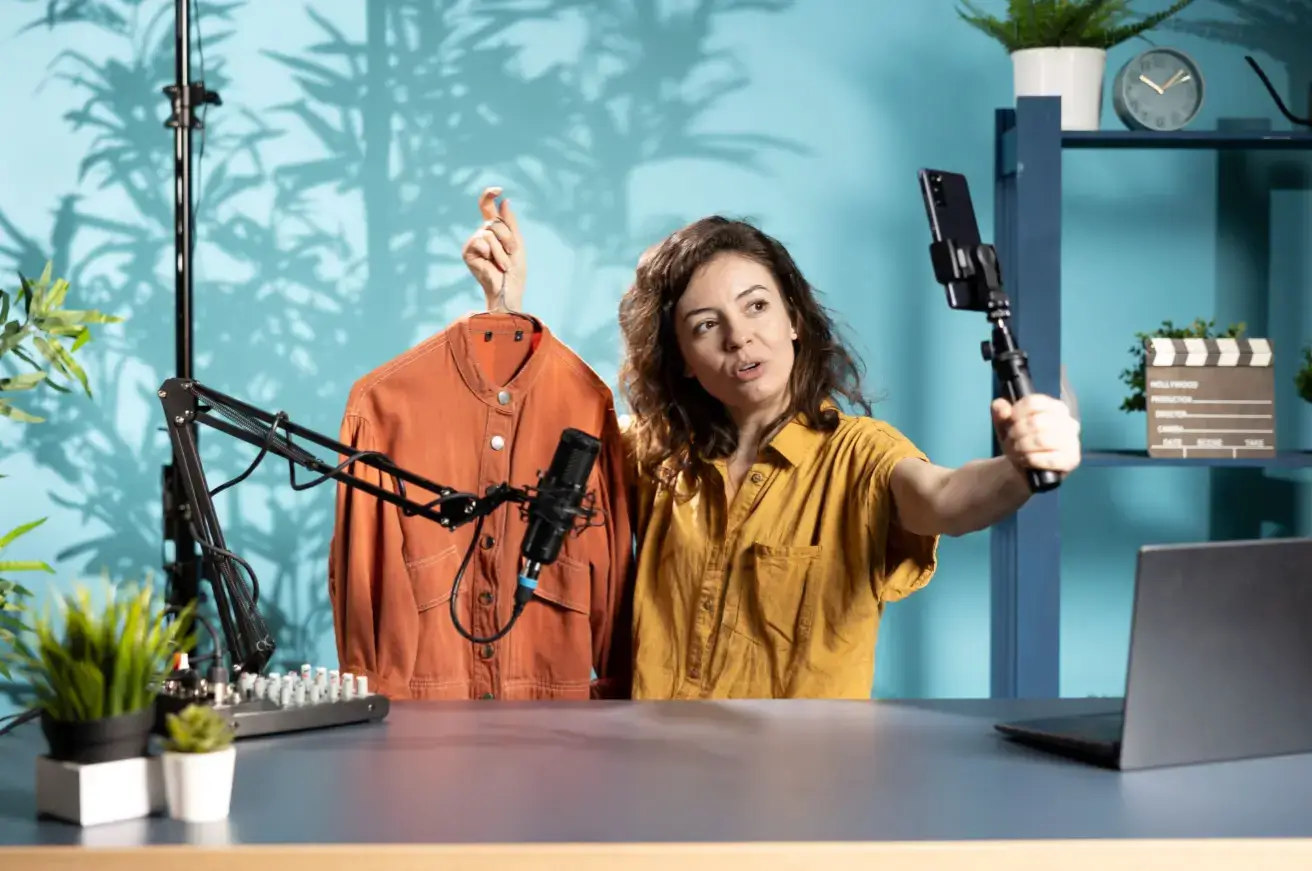
Small business owners should view influencer marketing as a performance channel rather than just a branding tactic. With the right structure, even modest budgets can generate measurable revenue and repeat customers.
Choosing the Right Creators (Beyond Follower Count)
Follower count alone is not the best indicator of success.
Micro-creators with smaller but highly engaged audiences often deliver better ROI because their recommendations feel more personal and trustworthy.
Action steps:
- Analyse engagement rate, not just follower numbers.
- Check whether the creator’s audience matches your ideal customer profile.
- Review past sponsored posts to see if followers actually ask product-related questions.
Structuring Collaborations for Measurable Conversions
To make campaigns useful for business growth, every partnership should be built around a clear commercial goal.
Practical framework:
- Define one main objective, such as product sales, email sign-ups, or traffic to a new collection.
- Create a dedicated landing page tailored to the campaign message.
- Provide creators with a single, clear call to action to reduce confusion and increase click-through rates.
This clarity improves both conversion rate and attribution accuracy.
Tracking Influencer Marketing ROI
Small brands do not need complex analytics stacks to measure influencer performance. A simple tracking system can already provide meaningful insights.
Key metrics to monitor:
- Click-through rate from creator links.
- Conversion rate on campaign landing pages.
- Cost per acquisition compared to paid ads.
- Average order value during influencer campaign periods.
Tracking these metrics helps identify which creators and content formats have the greatest commercial impact.
Repurposing Influencer Content to Increase Ecommerce Sales
One of the most valuable benefits for small businesses is that influencer content can be reused across multiple channels. This extends the lifespan of each collaboration and improves overall marketing efficiency.
Useful repurposing tactics:
- Embed creator videos on product pages to increase purchase confidence.
- Use influencer visuals in paid social ads to improve engagement.
- Include creator styling examples in email campaigns to drive repeat purchases.
This approach transforms influencer marketing into a long-term asset rather than a one-off promotion.
The Industry Impact of Influencer Fashion
Influencer fashion has reshaped how quickly trends emerge and how brands respond to consumer preferences.
Instead of planning campaigns months in advance, brands now monitor creator content in real time and adjust merchandising, messaging, and promotions accordingly.
How Influencers Accelerate Trend Cycles
Trends now spread faster and reach broader audiences than before.
This democratization of fashion gives small brands the opportunity to compete with larger players by tapping into niche communities and highly targeted creator partnerships. Fast fashion has been heavily influenced by this shift.
For example, a viral influencer post about a new pair of running shoes can drive significant sales for brands in just a few days.
Fast Fashion and Sustainability Implications
The rapid trend cycle has also increased awareness around sustainability.
Many creators now highlight repeat styling, capsule wardrobes, and higher-quality pieces that last longer. Small brands can benefit from aligning with this shift by emphasising durability, versatility, and mindful consumption in their messaging.
Conclusion: Turning Influencer Fashion Into Revenue Growth
Creators have become central to how fashion trends are discovered, validated, and purchased. For small fashion brands, the real opportunity lies in treating influencer collaborations as measurable growth initiatives rather than just awareness campaigns.
By choosing the right creators, structuring partnerships around clear conversion goals, and tracking ROI with simple metrics, businesses can use influencer fashion not only to build brand visibility but also to drive consistent ecommerce revenue.
Frequently Asked Questions About Influencer Fashion
1. What Is Influencer Fashion?
Influencer fashion is the way creators shape style trends and consumer purchasing behaviour through the outfits and brands they feature in their content.
2. How Can Small Brands Measure Influencer Marketing Success?
They can track performance using UTM links, unique discount codes, landing page conversions, and cost per acquisition compared to other marketing channels.
3. Why Are Micro-Influencers Effective for Small Businesses?
Micro-influencers often have highly engaged niche audiences that trust their recommendations, which can lead to higher conversion rates and better return on investment.
4. How Does Influencer Content Improve Ecommerce Conversion Rates?
It reduces uncertainty by showing real-life styling, fit, and usage, which increases buyer confidence and often improves conversion rates on product pages.

Author Bio
Sofiko Saltkhutsishvili is a content writer and a Partner Marketing Manager at SEO Sherpa. The agency focuses on SEO, PPC, Digital PR, and Search Everywhere Optimization.
Sofiko enjoys conducting in-depth research on topics she writes about and shares her authentic experiences with readers. On the side, she is a Creator Agent, connecting LinkedIn creators to the right brands for partnerships. Originally from beautiful Georgia, she currently resides in its capital, Tbilisi.