

For centuries, sports have been a focal point of cultures and societies. They unify people, promote social cohesion, and are integrally woven into the fabric of life.
In the past few decades, the sporting world has been constantly evolving, and so has the interaction between fans and their preferred teams and athletes. The advancement of technology has transformed how fans consume sports.
From meeting in stadiums to watching contests on TV, fans' engagement has changed with new technologies.
In this article:
- Harnessing Technology for an Enhanced Fan Experience
- Social Media: The Virtual Stadium That Never Sleeps
- AI-Powered Chatbots and Real-Time Fan Interaction
- The Increasing Appeal of Tailored Active Participation
- Personalized Merchandise: A Game-Changer in Fan Engagement
- Virtual Reality and the Metaverse: The Future of Sports Fandom
Now, supporters are experiencing yet another change as new digital tools shape the way they connect to and interact with sports.
Fan engagement is evolving beyond conventional marketing and on-site attendance at games. As technology evolves, sports organizations are using digital tools to strengthen connections with fans, enhance personalization, and develop new revenue streams.
Using the example of Liverpool FC, this article analyzes the impact of new technologies such as AI-powered interactions, personalized merchandising, and blockchain innovations on fans' engagement with the club.

Harnessing Technology for an Enhanced Fan Experience
Now, sports fans can easily integrate themselves into the world of their favorite teams thanks to mobile applications and fantasy leagues.
This directly challenges the attention of supporters who are immersed in gaming.
Data analytics, social media, and virtual reality are just some examples of innovations to leverage technology that keep a younger audience’s attention.
Sports organizations understand that there is a never-ending competition for entertainment and focus on the engagement aspect to retain their fans.
1. Social Media: The Virtual Stadium That Never Sleeps
Social media is a living, breathing space for engagement. These days, clubs can connect with fans around the world in real time.
These connections go beyond geography, making every moment on and off the field a chance to interact, build a community, and deepen fan loyalty.
Case Study: Liverpool FC’s Social Media Strategy
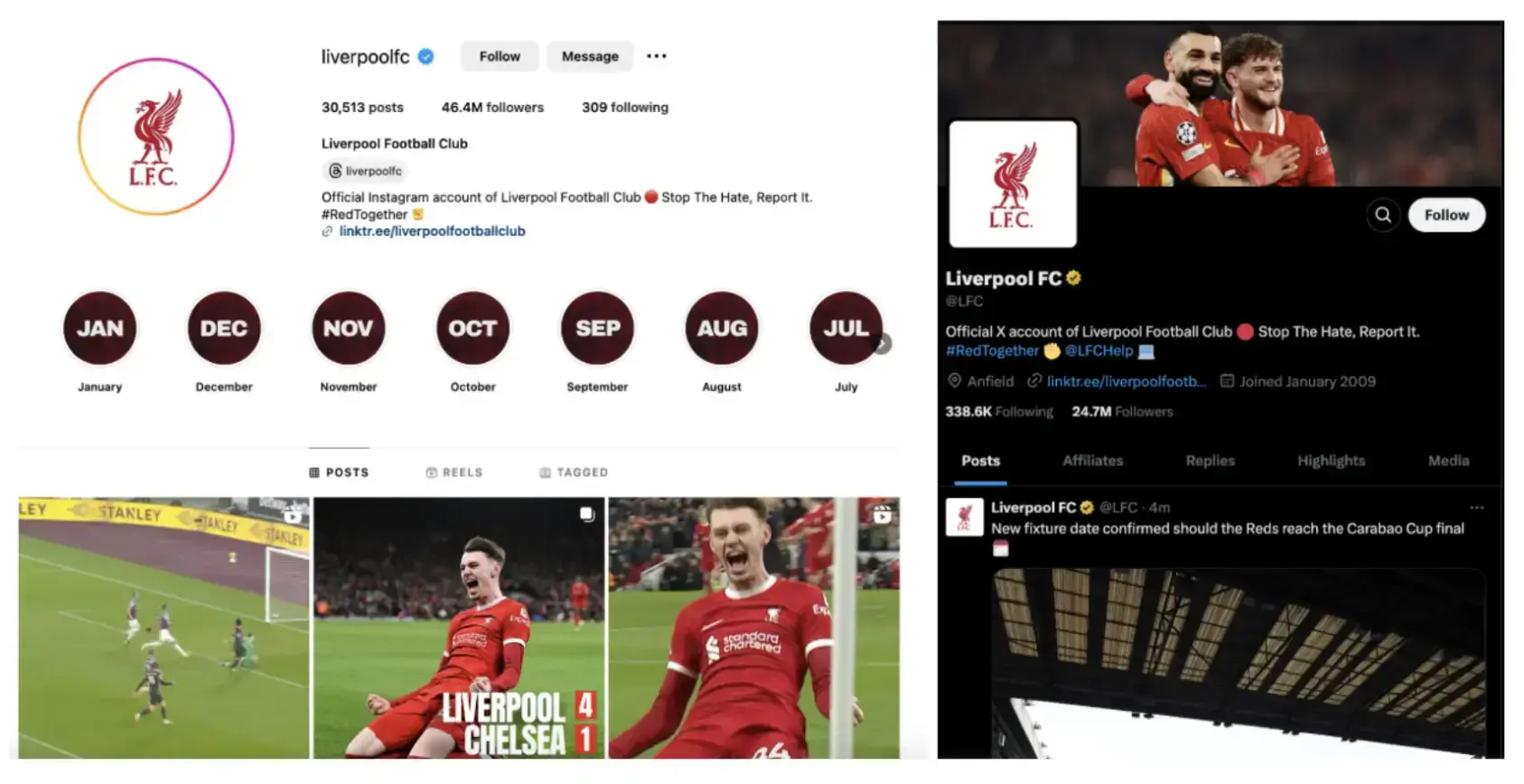
- Liverpool FC has built a massive global community through platforms like Twitter, Instagram, and TikTok.
- The club leverages interactive content, including live Q&As, matchday insights, and fan-generated media.
- Video highlights and exclusive behind-the-scenes footage keep fans engaged even beyond match days.
How Small Businesses Can Apply This Strategy:
- Use short-form video content to boost engagement.
- Create interactive polls and Q&A sessions to foster community participation.
- Repurpose existing content into engaging social media snippets.
2. AI-Powered Chatbots and Real-Time Fan Interaction
AI-powered chatbots enable sporting clubs to maintain constant, direct communication with their fans by responding to questions, providing important match information, and helping sell tickets.
Example: AI-Powered Chatbots in Sports
- FC Barcelona’s AI chatbot provides fans with instant updates, merchandise recommendations, and ticket-purchasing options.
- Manchester City’s WhatsApp bot offers personalized matchday experiences and exclusive digital content.
Business Application:
In addition to sports, customer engagement driven by artificial intelligence technology is changing the real estate, healthcare, and insurance industries.
Top businesses have implemented this technology solution in their customer service functions and interactions.
Chatbots help potential buyers and renters in real estate by providing instant property suggestions and answering questions.
Insurance sector companies also deploy AI chatbots to simplify policy information and claims processing and ensure customer satisfaction.
AI-powered chatbots are increasingly used in the real estate sector to assist prospective buyers and tenants with instant property recommendations and virtual consultations.
A prime example is Bloom Holding, which recently showcased its cutting-edge smart solutions at GITEX Dubai. Their approach integrates AI-driven automation to enhance customer interactions, making real estate transactions more seamless and efficient.
Like in other sectors, AI has penetrated the e-commerce industry. AI-backed chatbots can assist users by guiding them to the right policies, processing claims, or even providing instant support.
Platforms like Amazon push the boundaries of AI-driven automation, enabling businesses to enhance user interactions with personalized, intelligent responses.
This development demonstrates that AI-powered communications are beneficial for fan engagement in the sports business and for strengthening customer relationships across industries.
By leveraging cutting-edge AI solutions, companies can provide more efficient, timely, and personalized interactions, ultimately fostering better customer relations and improving user experience.
Small businesses can integrate chatbots to:
- Automate customer service.
- Offer personalized recommendations.
- Improve response times on social media and websites.
The Increasing Appeal of Tailored Active Participation
Today's sports fans are looking for more than just spectating attention; they want to actively interact with the sporting event and have access to relevant details.
Many leagues and teams now offer personalized experiences that let viewers access real-time analytics tailored to their needs.
Fans can now better understand the game, monitor detailed player statistics, and even participate in conversations with other fans, all on a mobile device, making the experience more engaging and interactive.
1. Personalized Merchandise: A Game-Changer in Fan Engagement
Today’s fans demand a more tailored experience, and one of the most effective ways of achieving this is through custom merchandise.
Case Study: Liverpool FC’s Personalized Fan Gear
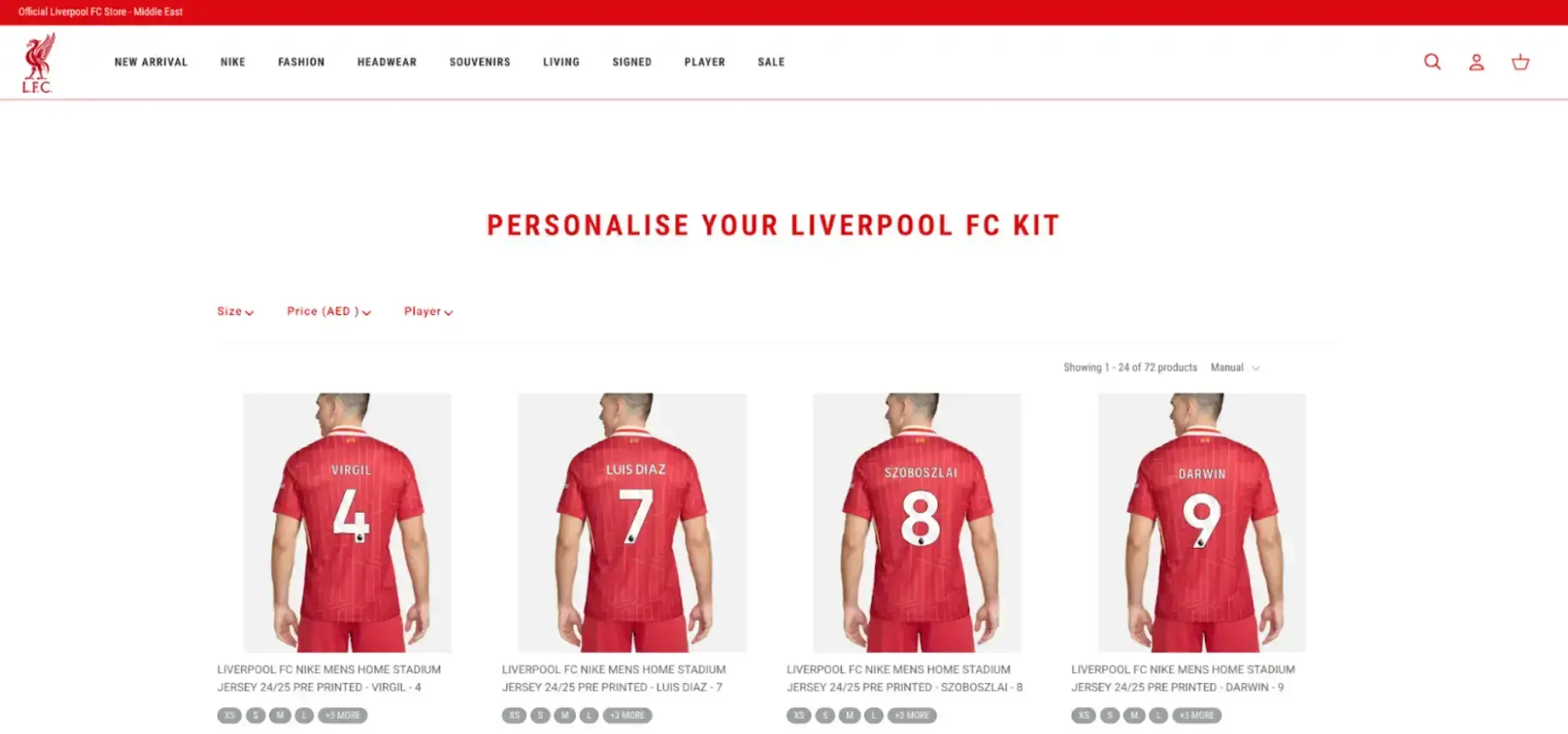
Liverpool FC allows fans to customize their jerseys, accessories, and memorabilia through its official online store. This strategy has:
- Strengthened fan identity and loyalty.
- Boosted eCommerce revenue.
- Created a sense of exclusivity with limited-edition merchandise.
How Small Businesses Can Apply This Strategy:
- Offer customization options for products (e.g., engraved items, name-printing, etc.).
- Create limited-time collections to drive urgency and exclusivity.
- Use an eCommerce platform like Salla or Kickflip to simplify product customization.
2. Virtual Reality and the Metaverse: The Future of Sports Fandom
The metaverse merges the digital realm with reality through unparalleled immersion, elevating fan participation to the next level, literally transforming passive spectators into active participants, and redefining fan engagement.
People can now actively celebrate and connect with their favorite teams in ways previously unimaginable.
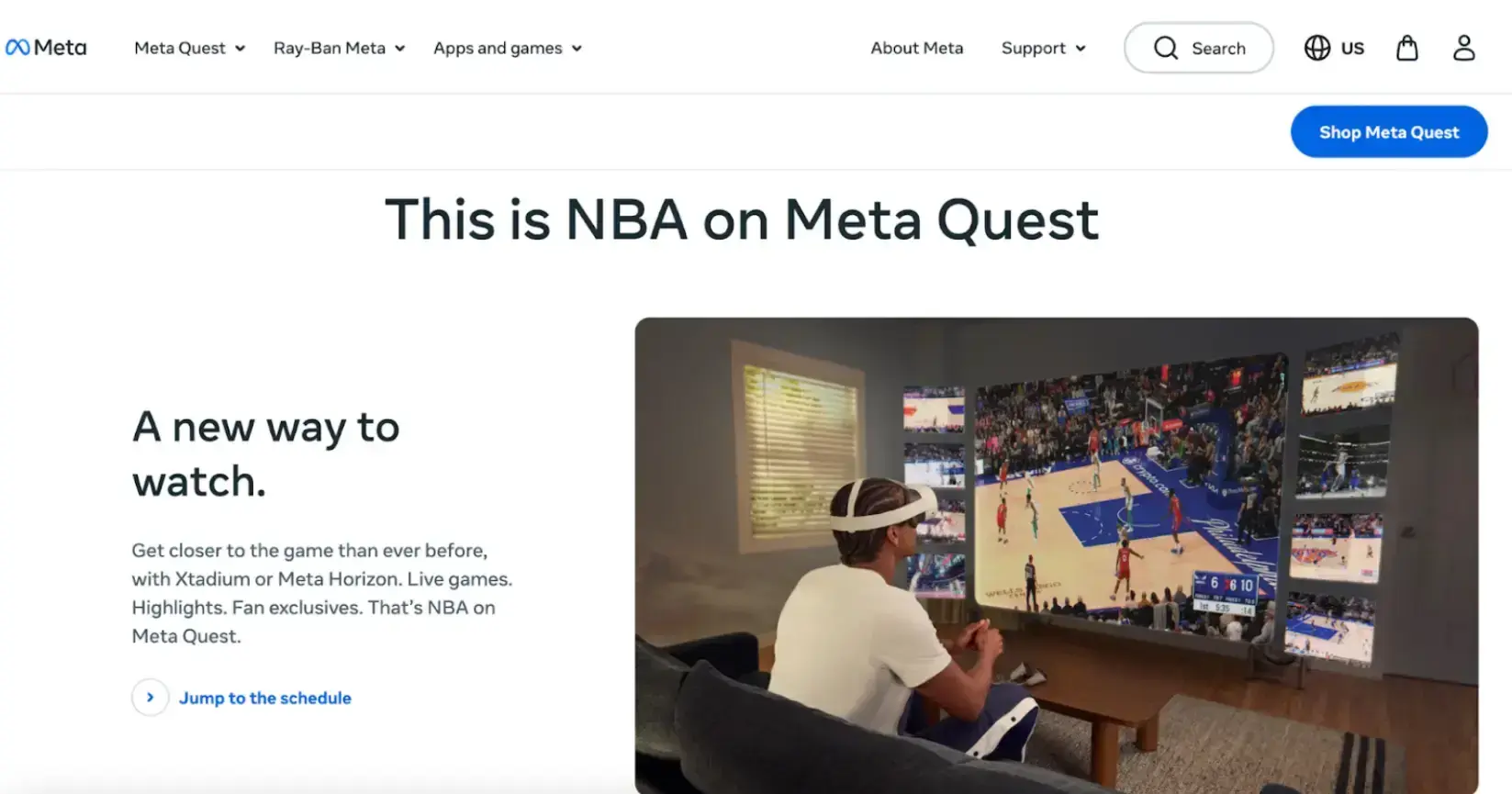
Example: Virtual Matchday Experiences
- NBA’s Virtual Reality Courtside allows fans to watch games as if they were in the front row.
- Manchester United’s AR-powered stadium tour offers a 360-degree virtual experience for global fans.
Business Application:
- Develop AR-powered virtual store experiences.
- Create 3D product previews for eCommerce websites.
- Offer immersive brand experiences using VR platforms.
Final Thoughts: The Future of Fan Engagement in Sports and Business
With digital technology irrevocably altering the sports landscape, fans are no longer restricted to the stands for engagement.
These innovations can change the way sports organizations and businesses operate, moving towards an era of interactivity where fans not only watch the game but also actively participate in the experience itself.
Key Takeaways:
✅ Social media fosters real-time engagement and brand loyalty.
✅ AI-powered chatbots streamline customer interactions and improve support.
✅ Personalized merchandise boosts eCommerce sales and brand identity.
✅ VR and the metaverse redefine immersive customer engagement.
By adopting these digital strategies, small businesses can elevate their customer engagement and create lasting connections—just like the world’s biggest sports clubs.
FAQ
1. How do chatbots driven by AI increase interaction with fans?
AI chatbots are proactive and provide instant answers to questions. Thus, they maintain real-time updates, support customers, and give tailored recommendations, which in turn help fans connect with their favorite teams.
2. Why is custom merchandise pertinent for sports companies?
Fans can show their loyalty through customized jerseys and exclusive merchandise, while sports teams increase their revenue and fan engagement.
3. What is the integration of blockchain technology with small-scale businesses?
Small businesses can create digital content, such as loyalty tokens and other exclusive rewards, to improve customer retention and engagement.

Author Bio
Khansaa is a content strategist and writer who is passionate about crafting compelling narratives. Having worked for many years in the field, she has honed her skills in digital content creation, focusing on the different styles and techniques used to create captivating stories.
Whether she’s breaking down complex topics into digestible insights or weaving narratives that resonate with readers, Khansaa believes that great content is both an art and a science.
In addition to her professional writing, she enjoys researching new topics and finding different ways to convey messages. Her desire to learn facilitates her work, making her an adaptable writer who can easily move from writing informative guides to thought-provoking articles to social writing.
Khanasa spends her free time either finding her next creative idea or getting lost in all that Wikipedia has to offer.