
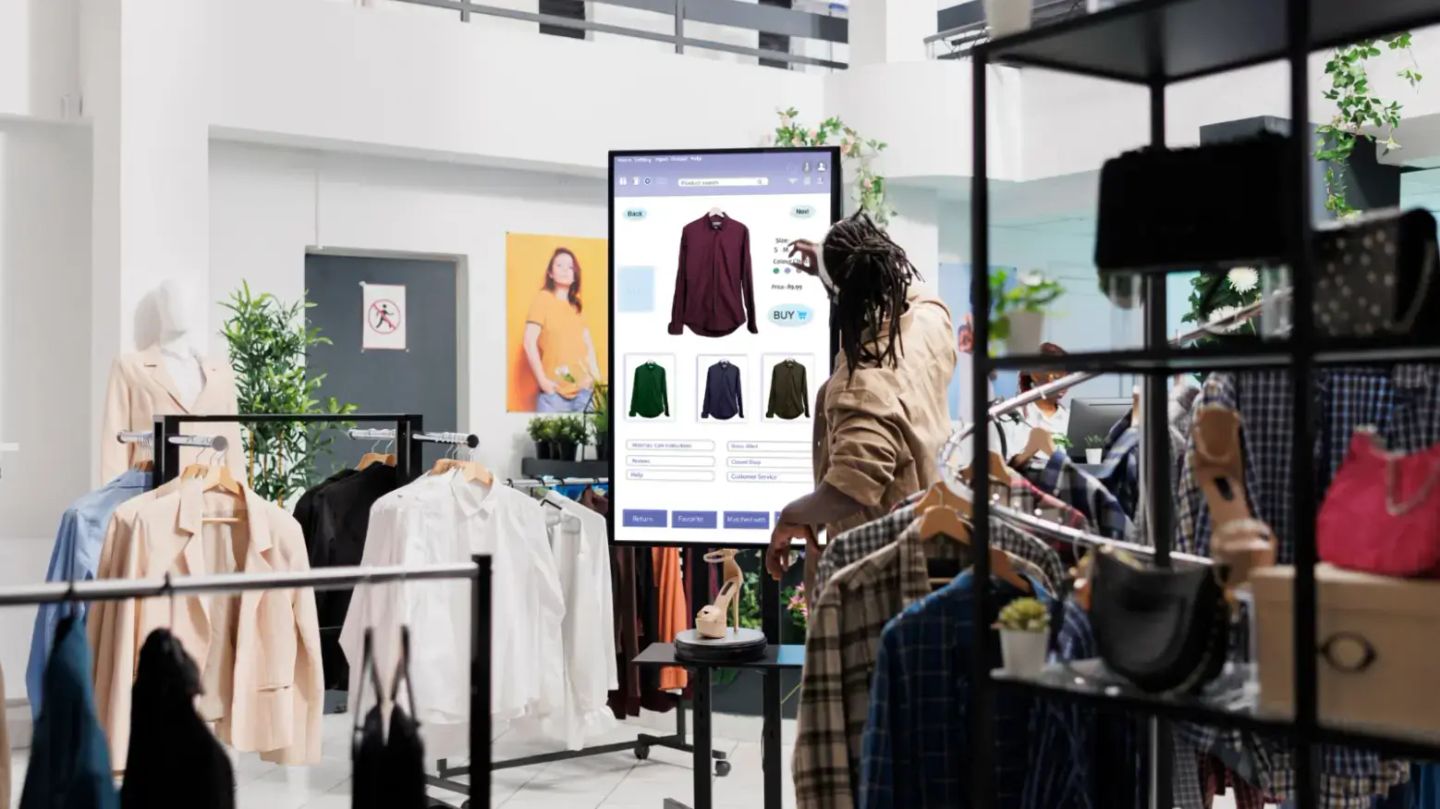
Retail businesses are undergoing a major transformation driven by data, automation, and intelligent technologies.
As consumer expectations continue to grow and competition intensifies, retailers are increasingly using artificial intelligence (AI) to optimize operations, improve customer experiences, and make more informed decisions.
Artificial intelligence allows retailers to analyze large volumes of data, identify patterns, forecast demand, automate operational tasks, and personalize customer interactions.
From inventory management and pricing strategies to supply chain planning and customer engagement, AI is reshaping how both large retailers and smaller businesses operate in today's digital marketplace.
In this article, we explore how AI retail optimization works, key applications across the retail industry, and practical ways businesses, including small retailers and solopreneurs, can use AI to improve efficiency and stay competitive.
In this article:
- What Is AI Retail Optimization?
- Why Retail Businesses Are Adopting AI
- Key Applications of AI in Retail Optimization
- Benefits of AI Retail Optimization
- Challenges of Implementing AI in Retail
- The Future of AI in Retail Optimization
- How to Start Using AI in Your Retail Business
Source: Freepik
What Is AI Retail Optimization?
AI retail optimization refers to the use of artificial intelligence technologies to improve retail operations, decision-making, and overall business performance.
AI systems analyze data from multiple sources, such as customer transactions, inventory systems, market trends, and supply chain operations, to generate insights and automate processes.
Retail optimization powered by AI enables businesses to:
- Improve demand forecasting
- Optimize pricing strategies
- Manage inventory more efficiently
- Enhance customer personalization
- Streamline supply chain operations
For large retailers, AI helps coordinate complex supply chains and massive product catalogs.
For small businesses and independent retailers, AI tools can help simplify inventory tracking, automate marketing campaigns, and improve sales forecasting.
By integrating AI into retail systems, businesses can make faster, data-informed decisions and reduce operational inefficiencies.
Why Retail Businesses Are Adopting AI
The retail industry faces several ongoing challenges, including fluctuating demand, changing customer behavior, supply chain disruptions, and increasing operational costs. AI technologies help retailers address these challenges through automation and predictive analytics.
Key reasons retailers are adopting AI include:
Data-Driven Decision Making
Retailers collect significant amounts of data from online stores, physical locations, and digital marketing channels.
AI tools can quickly analyze this information and provide actionable insights.
For example, a small online store owner can use AI analytics tools to identify which products are trending and adjust inventory accordingly.
More Accurate Demand Forecasting
AI models analyze historical sales data, seasonal trends, promotions, and external factors to more accurately predict demand.
This helps retailers avoid:
- Overstocking products that may not sell
- Running out of popular items during peak demand
Even small retailers using e-commerce platforms can benefit from AI-powered demand forecasting features available in modern retail software.
Source: Freepik
Personalized Customer Experiences
AI enables retailers to create personalized shopping experiences by analyzing customer preferences, purchase history, and browsing behavior.
Retailers can use these insights to:
- Recommend relevant products
- Send targeted promotions
- Improve customer engagement
For smaller businesses, AI-powered email marketing tools and recommendation engines can significantly increase repeat purchases.
Improved Operational Efficiency
AI-driven automation reduces manual work across several operational areas, including inventory management, marketing, and order processing.
This allows retail teams—especially small teams—to focus more on strategy, customer service, and growth initiatives.
Key Applications of AI in Retail Optimization
AI retail optimization can be applied across multiple stages of the retail value chain.
AI-Powered Demand Forecasting
Demand forecasting is one of the most critical aspects of retail planning.
AI models analyze historical sales data, seasonal patterns, promotions, and external factors such as weather and economic conditions.
Benefits include:
- Improved demand prediction accuracy
- Reduced inventory waste
- Better product availability
Retailers can ensure that the right products are available at the right time and location.

Source: Freepik
Inventory Optimization with AI
AI systems monitor inventory levels across warehouses and retail locations in real time. They can recommend restocking decisions and identify slow-moving inventory.
Key advantages include:
- Reduced stockouts
- Lower inventory holding costs
- Improved inventory turnover
For example, a small boutique retailer could use AI tools to automatically reorder fast-selling products before stock runs out.
Dynamic Pricing Optimization
AI algorithms can adjust product pricing based on factors such as demand, competitor pricing, customer behavior, and market trends.
Dynamic pricing helps retailers:
- Increase profit margins
- Stay competitive in fast-moving markets
- Respond quickly to demand changes
This capability is particularly valuable for e-commerce and omnichannel retailers where pricing flexibility is important.
AI-Driven Customer Personalization
AI-powered recommendation engines can significantly improve conversion rates by showing users relevant products in real time.
Businesses today are prioritizing key AI features in modern eCommerce apps to make these experiences more effective.
Retailers can then deliver:
- Personalized product recommendations
- Targeted marketing campaigns
- Customized promotions
- Higher conversion rates
Personalization improves both customer satisfaction and sales conversion rates.
Supply Chain Optimization
AI can help monitor and optimize supply chain processes from procurement to delivery.
Predictive analytics helps retailers anticipate disruptions and adjust logistics strategies accordingly.
Supply chain optimization helps businesses:
- Improve supplier coordination
- Reduce logistics costs
- Enhance delivery reliability
This is particularly important for retailers managing multiple suppliers or distribution channels.
Fraud Detection and Loss Prevention
Retailers face financial losses from fraud, return abuse, and inventory shrinkage.
AI systems can detect suspicious patterns in transactions and alert businesses to potential fraud.
This allows retailers to:
- Detect fraudulent transactions
- Monitor unusual purchasing activity
- Reduce financial losses
Benefits of AI Retail Optimization
The adoption of AI retail optimization offers several strategic advantages.
Source: Freepik
Increased Operational Efficiency
AI automates repetitive processes such as inventory monitoring, demand forecasting, and pricing adjustments. This allows teams to focus on higher-value tasks such as strategy and customer engagement.
Improved Profitability
More accurate demand forecasting and pricing optimization help retailers reduce waste and improve profit margins.
Enhanced Customer Experience
AI enables retailers to deliver personalized shopping experiences, thereby increasing customer satisfaction and retention.
Faster, Data-Driven Decisions
Real-time data analysis allows retailers to respond more quickly to market changes and customer demand.
Challenges of Implementing AI in Retail
Although AI offers many benefits, implementing AI systems requires planning and preparation.
Data Integration Across Systems
Retailers often need to combine data from multiple systems, such as POS platforms, ERP software, CRM tools, and e-commerce platforms.
Technology and Infrastructure Requirements
AI applications typically require scalable cloud infrastructure and advanced data processing capabilities.
Change Management and Team Adoption
Employees must adapt to new workflows and AI-assisted decision-making processes.
Data Privacy and Compliance
Retailers must follow data protection regulations when collecting and using customer data.
The Future of AI in Retail Optimization
AI retail optimization continues to evolve rapidly as new technologies emerge.
The future of AI retail optimization is rapidly evolving. Emerging technologies such as AI agents development, generative AI, and autonomous decision systems will further transform retail operations.
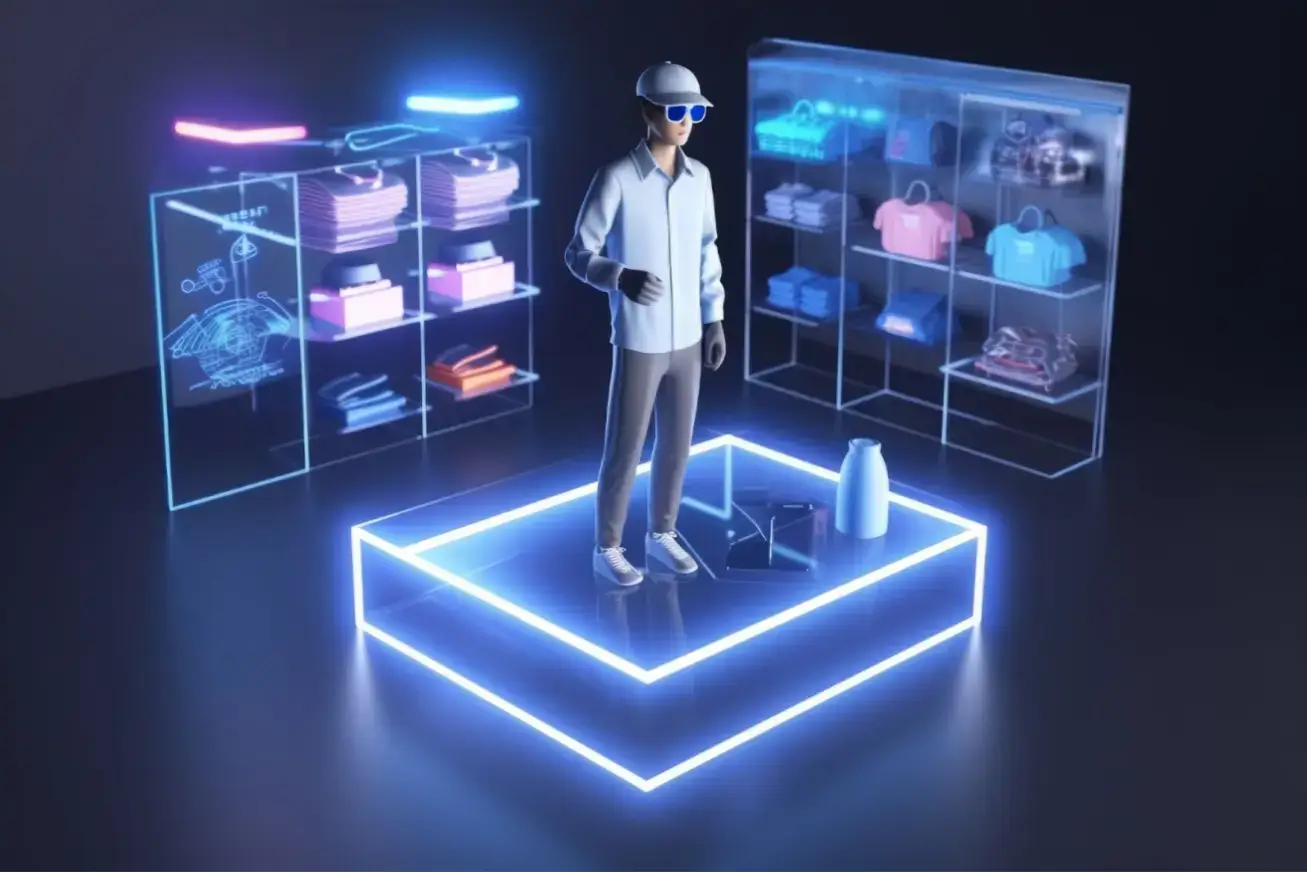
Source: Freepik
Key trends include:
- AI-powered autonomous retail stores
- Real-time supply chain intelligence
- Hyper-personalized shopping experiences
- AI agents supporting inventory and pricing decisions
Businesses that explore AI-driven tools today will be better prepared to adapt as retail becomes increasingly data-driven.
How to Start Using AI in Your Retail Business
Adopting AI in retail doesn’t require expensive software or a technical team.
Many of the most impactful improvements come from simple tools that automate everyday tasks and help you better understand your customers.
The key is to start with practical use cases that directly improve revenue, efficiency, or customer experience.
Start With One High-Impact Use Case
Instead of trying to overhaul your entire operation, begin with one area where AI can deliver immediate results.
For most retailers, the fastest wins come from:
- Capturing and organizing customer data
- Improving email and marketing performance
- Personalizing the shopping experience
For example, adding a simple form or pop-up to your website lets you collect customer information and build a data foundation that AI tools can use for segmentation and targeting.
Turn Website Visitors Into Usable Customer Data
AI becomes powerful when it has data to work with. That’s why one of the most important first steps is capturing visitor information in a structured way.
You can do this by:
- Adding pop-ups to capture emails or offer discounts
- Using forms to collect customer preferences
- Creating simple surveys to understand intent
These tools help you turn anonymous traffic into actionable customer insights that can be used for personalization, targeting, and automation.
Use AI-Powered Marketing to Drive Repeat Sales
Once you have customer data, AI-driven marketing tools can help you turn one-time visitors into repeat buyers.
With the right setup, you can:
- Send automated follow-up emails based on behavior
- Recommend products based on past purchases
- Deliver targeted promotions to specific customer segments
This kind of automation allows even small teams to run sophisticated marketing campaigns without manual effort.
Automate Repetitive Tasks That Slow You Down
Many retail workflows involve repetitive tasks that can easily be automated with AI-supported tools.
Look for opportunities to automate:
- Lead capture and follow-ups
- Customer onboarding messages
- Basic segmentation and list management
By reducing manual work, you free up time to focus on growth, strategy, and customer relationships.
Start With Tools You Can Implement Quickly
The best AI tools for small and mid-sized retailers are the ones you can implement in minutes, not months.
Look for solutions that:
- Require no coding
- Integrate directly with your website
- Offer built-in automation and analytics
This allows you to start seeing results quickly while keeping your setup simple and manageable.
Measure What Matters and Improve Over Time
AI works best when paired with continuous improvement.
Track key metrics such as:
- Conversion rates from forms and popups
- Email engagement (opens, clicks, sales)
- Customer retention and repeat purchases
Use these insights to refine your approach and gradually expand your use of AI across your business.
Build a Simple System, Then Scale
You don’t need a complex AI stack to get started. A simple system can already deliver meaningful results:
- Capture customer data (forms, popups, surveys)
- Store and organize that data
- Use it to power automated marketing and personalization
As your business grows, you can layer in more advanced AI capabilities. But even this basic setup can significantly improve how you acquire, convert, and retain customers.
AI retail optimization is not about complexity. It’s about using the right tools to make smarter decisions, automate what slows you down, and create better experiences for your customers.
Conclusion
AI retail optimization is helping retailers improve operational efficiency, understand customer behavior, and respond more quickly to market changes.
From demand forecasting and inventory management to dynamic pricing and supply chain optimization, AI technologies are helping retailers unlock new levels of performance and profitability.
As the retail landscape becomes more data-driven, organizations that thoughtfully adopt AI tools can improve operational performance while delivering better customer experiences.
FAQs
1. What is AI retail optimization?
AI retail optimization refers to the use of artificial intelligence to improve retail operations, including inventory management, pricing strategies, demand forecasting, and customer personalization. AI systems analyze large datasets to help retailers make faster and more accurate business decisions.
2. How does AI improve retail demand forecasting?
AI improves demand forecasting by analyzing historical sales data, seasonal trends, customer behavior, and external factors such as market demand or weather patterns. This helps retailers maintain optimal inventory levels and avoid stockouts or overstock.
3. Can AI help retailers improve customer experience?
Yes. AI enables retailers to personalize shopping experiences by analyzing customer preferences, purchase history, and browsing behavior. Retailers can use this data to recommend products, deliver targeted promotions, and enhance customer engagement.
4. What are the benefits of AI in retail supply chain optimization?
AI helps retailers streamline supply chain operations by predicting demand, identifying potential disruptions, optimizing logistics routes, and improving supplier coordination. This reduces operational costs and improves delivery efficiency.
5. Is AI retail optimization suitable for small and mid-sized retailers?
Yes. With the availability of cloud-based AI platforms, even small and mid-sized retailers can adopt AI solutions to improve inventory management, automate marketing campaigns, and enhance customer personalization.

Author Bio
Anand Subramanian is a technology expert and AI enthusiast, currently leading the marketing function at Intellectyx. With over a decade of experience supporting enterprise and government projects, he focuses on advancing data, digital, and agentic AI development services that help organizations innovate and scale.