
In 2025, small business owners are facing digital expectations that once belonged only to large enterprises.
Customers expect fast-loading websites, modern UI, personalized experiences, instant support, interactive features, and seamless e-commerce journeys. But most small businesses don’t have an in-house developer, a design team, or the budget for expensive agencies.
Just a few years ago, creating a professional website required hiring programmers, designers, testers, SEO consultants, and maintenance teams.
Today, an intelligent AI system can generate responsive layouts, write code, optimize speed, improve SEO, create forms or pop-ups, and even integrate payment systems—automatically.
This shift is no longer futuristic; it’s happening in real time.
This article explores how AI code generators are reshaping small business websites in 2025, reducing development costs, improving performance, and unleashing creativity for entrepreneurs who don’t know a single line of code.
“Artificial intelligence and generative AI may be the most important technology of any lifetime.” - Marc Benioff, CEO and co-founder, Salesforce
1. From Weeks of Development to Minutes of Deployment
Source: Freepik
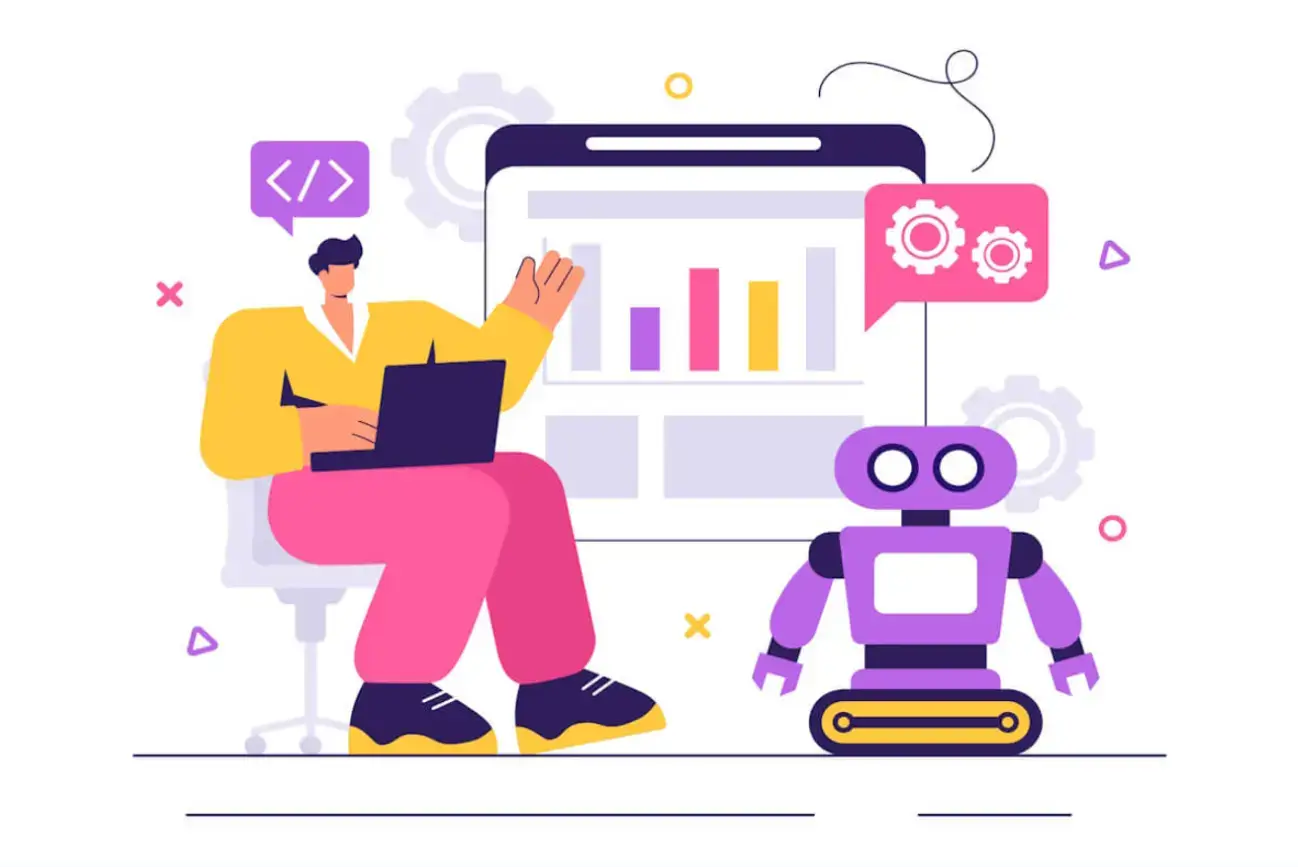
Traditional website development often took weeks—or months—because multiple stages were involved:
- Planning the structure
- Writing HTML, CSS, JavaScript
- Adding backend systems
- Creating a responsive design
- Testing compatibility
- Fixing errors
- Deploying and hosting
With AI code generators, a business owner can describe the website they want:
Within seconds, AI generates:
- Page layout
- Working front-end code
- Mobile responsiveness
- Contact elements
- SEO-friendly structure
What used to take 20–40 hours of human labor is now produced in a few minutes. AI doesn’t replace developers—rather, it amplifies what small businesses can do without depending heavily on them.
2. AI Makes Websites Look Professional (Even Without Design Skills)
Source: ChatGPT
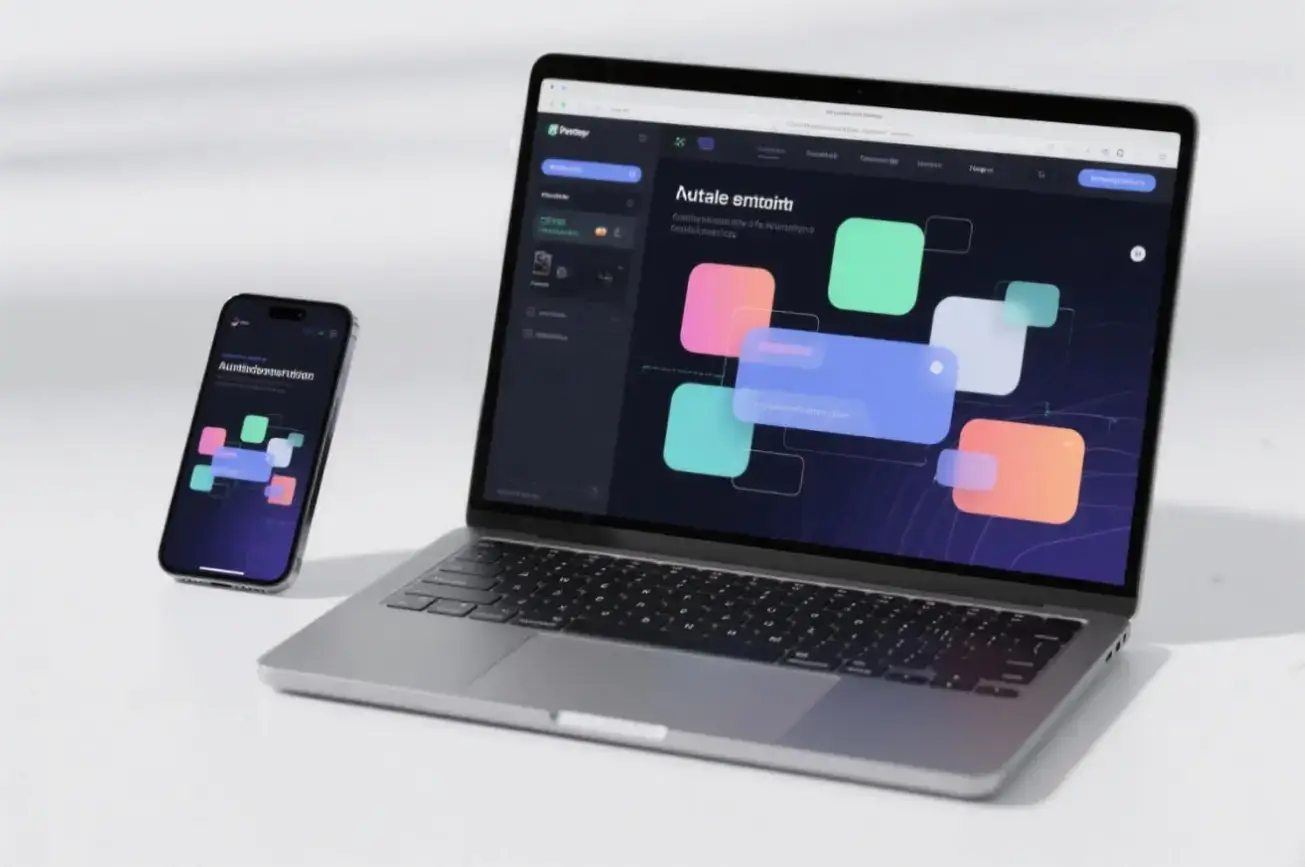
One of the biggest challenges for small business owners is design. Many can build basic pages, but creating something beautiful—modern typography, balanced spacing, brand colors, animations, sliders, testimonials, product sections—usually needs a designer.
With AI-powered design generation, website elements automatically adapt to:
- The brand’s color palette
- Readability rules
- UX best practices
- Mobile-first layouts
- Accessibility guidelines
Instead of a trial-and-error design, businesses get polished, professional front-end output built on global UI/UX standards.
As a result, even non-technical users create websites that look like they were built by an experienced design agency.
3. Smart, Conversion-Focused Content
Source: ChatGPT
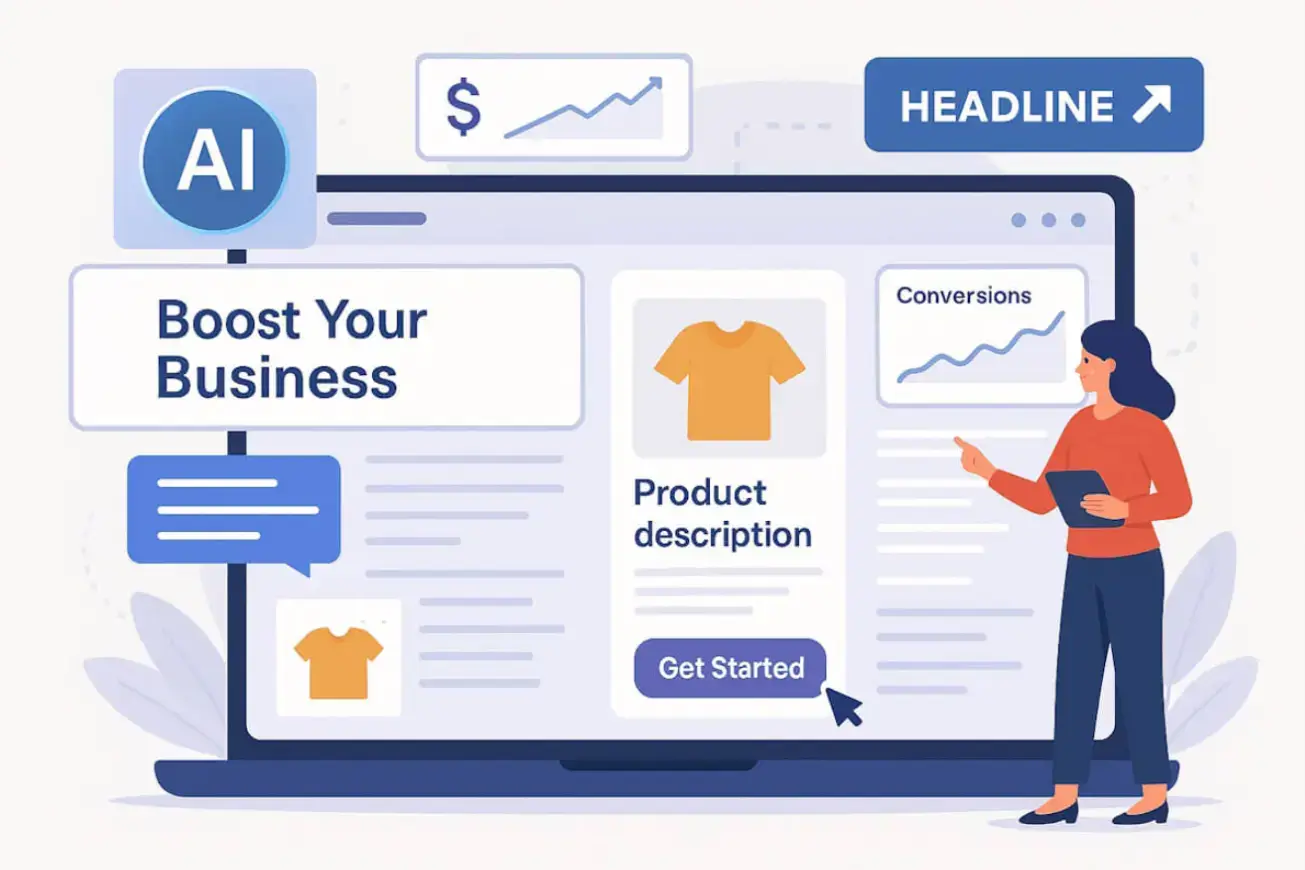
AI-generated websites are not just visually appealing—they are strategically built to convert visitors into customers.
AI systems today can:
- Write headlines that increase click-through rates
- Create product descriptions that boost sales
- Generate call-to-action button placement
- Suggest pricing layouts
- Optimize text for search engine ranking
In 2025, AI website builders aren’t just building pages—they are building marketing-ready experiences.
For small businesses with limited content creation skills, this is a competitive advantage equal to having a full-time marketing team.
4. Personalized Website Experiences That Boost Conversions
Source: ChatGPT
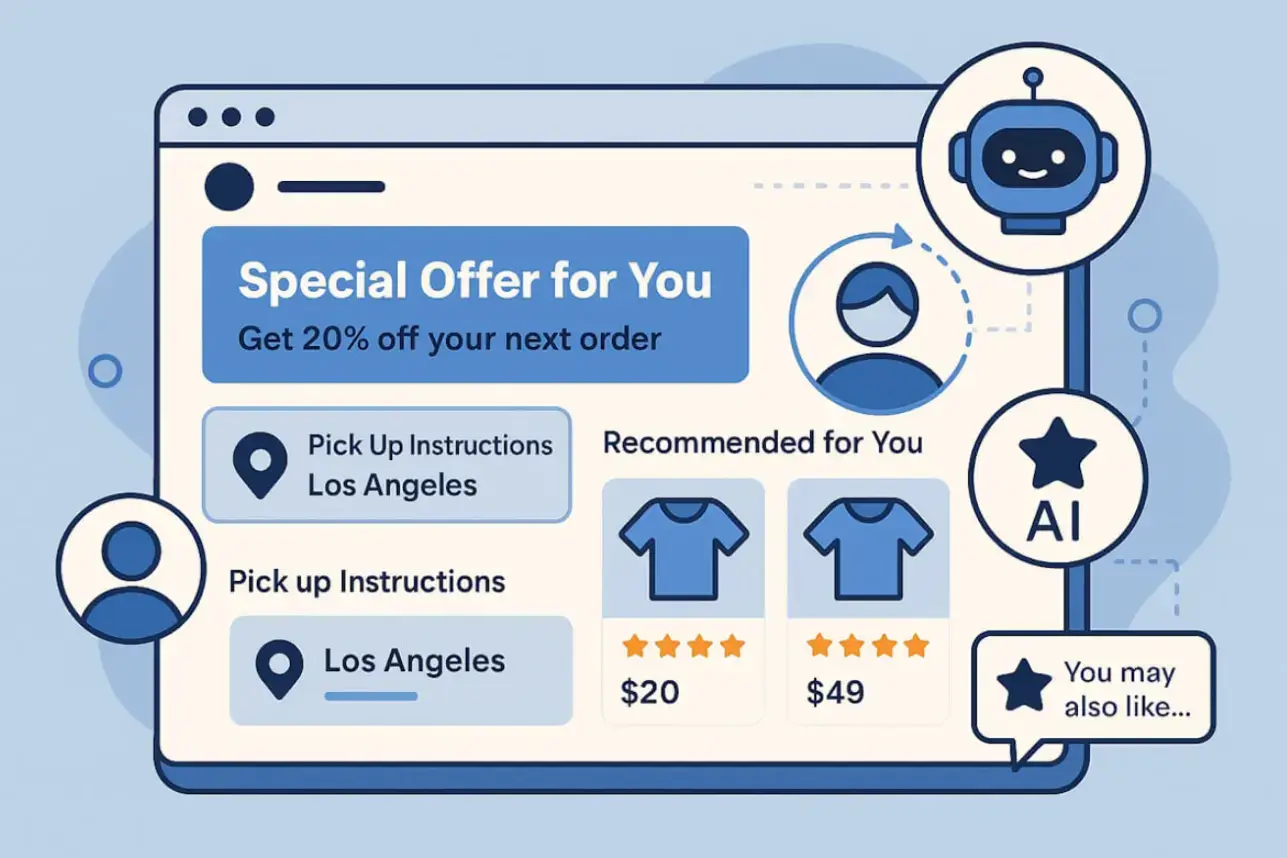
AI-powered websites can personalize content based on user behavior:
- Returning visitors can see loyalty discounts
- New users can be shown offers or pop-ups
- Frequent product viewers can get time-limited pricing
- Visitors from a certain location can get regional messaging
Imagine a restaurant website that automatically shows:
- Delivery options for someone browsing from home
- Table reservations for someone nearby
- Catering packages for corporate visitors
This is not manual work—AI tracks user behavior, predicts user intent, and dynamically updates the website.
Personalized websites convert better. In 2025, the businesses using AI personalization are outpacing competitors who still show the same static homepage to everyone.
5. Faster, Bug-Free Code That Cuts Maintenance Costs
Small businesses often suffer when websites break—buttons stop working, forms fail, images don’t load, or layout breaks on mobile. Fixing these errors requires developer involvement, which adds cost and delays.
In this context, even something as simple as managing a website for your restaurant can become stressful when unexpected issues interrupt daily work.
AI code generators dramatically reduce this risk.
Modern AI can:
- Detect broken code automatically
- Repair the structure with self-correction
- Suggest performance improvements
- Auto-minify CSS and scripts
- Improve loading speed
- Make the site mobile responsive
Some systems even watch website performance in real time and fix issues before customers notice.
This means fewer bugs, faster websites, and lower maintenance costs year-round. Using code quality tools alongside AI code generators can further ensure your website remains robust, maintainable, and efficient.
6. AI Empowers Non-Technical Business Owners
Many entrepreneurs are experts at what they do—restaurants, gyms, boutiques, coaching, retail, services—but have zero experience writing code.
In 2025, this is no longer a barrier. Thanks to no code tools to build website layouts and AI-generated pages, a business owner can:
- Choose templates
- Auto-generate pages
- Drag-and-drop new features
- Add plugins like forms, galleries, bookings, carts
- Publish instantly
It democratizes professional website creation. You don’t need a developer or designer to launch a world-class site anymore.
Even if you do hire a developer later, AI has already completed 60–80% of the work, saving thousands of dollars.
“Some people call this artificial intelligence, but the reality is this technology will enhance us. So instead of artificial intelligence, I think we'll augment our intelligence.” – Ginni Rometty, Former CEO of IBM
7. How AI Is Transforming Online Stores in 2025
Source: ChatGPT
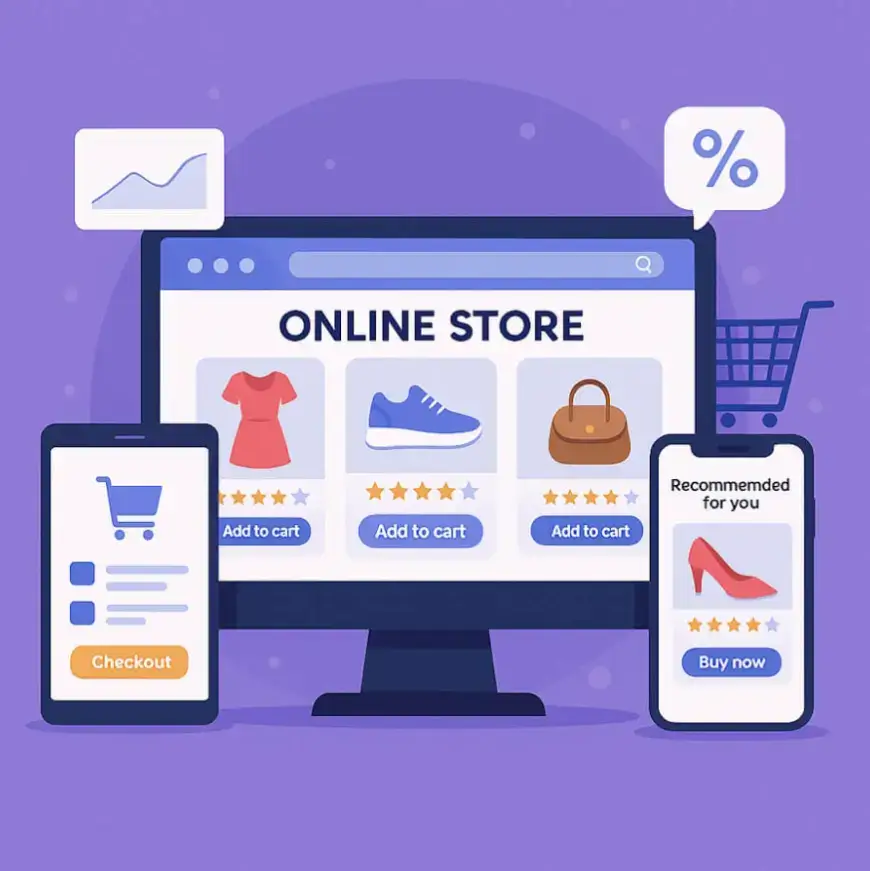
E-commerce used to require inventory systems, payment gateways, cart logic, taxes, coupons, and analytics—making it very complicated for non-technical owners.
Today, AI code generators can build full e-commerce stores that:
- Recommend products
- Write SEO descriptions
- Suggest pricing optimization
- Create checkout pages
- Manage abandoned cart automation
- Integrate local payment systems
This is why we see AI tools transforming ecommerce for small business owners without technical backgrounds. AI has removed the complexity and made online selling accessible to anyone.
8. Voice-Enabled and Chat-Driven Website Creation
In 2025, business owners no longer need to type to build a website.
They can simply talk:
AI converts speech into instructions, writes code, and deploys the entire page instantly.
This is particularly powerful for:
- Seniors running local businesses
- Small-town shops going online for the first time
- Business owners who are not fluent in English typing
- People with disabilities
Instead of the digital world demanding technical literacy, AI adapts to humans.
9. SEO Optimization Built Directly Into AI Builders
Source: ChatGPT
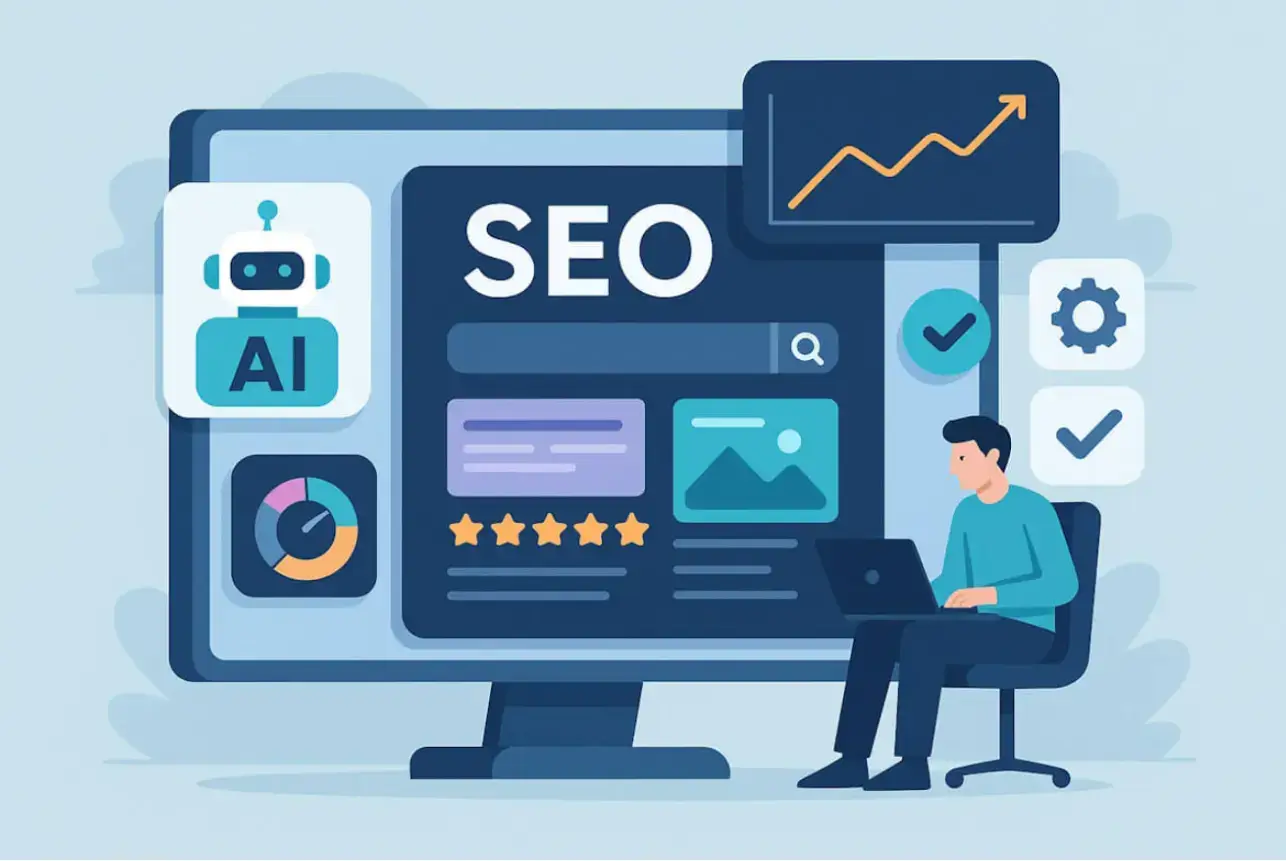
SEO is one of the hardest parts of website success. Ranking on Google requires technical knowledge—meta tags, schema, sitemaps, load speed, LCP, ALT tags, HTTPS, keyword density, and more.
AI code generators now include built-in SEO:
- Automatic keyword suggestions
- Metadata generation
- Optimized HTML structure
- Compression and speed optimization
- Mobile-first testing
- Content scoring
For small businesses, this means they get the hidden technical SEO benefits that used to require an expert.
10. Multi-Language Websites in One Click
Source: ChatGPT
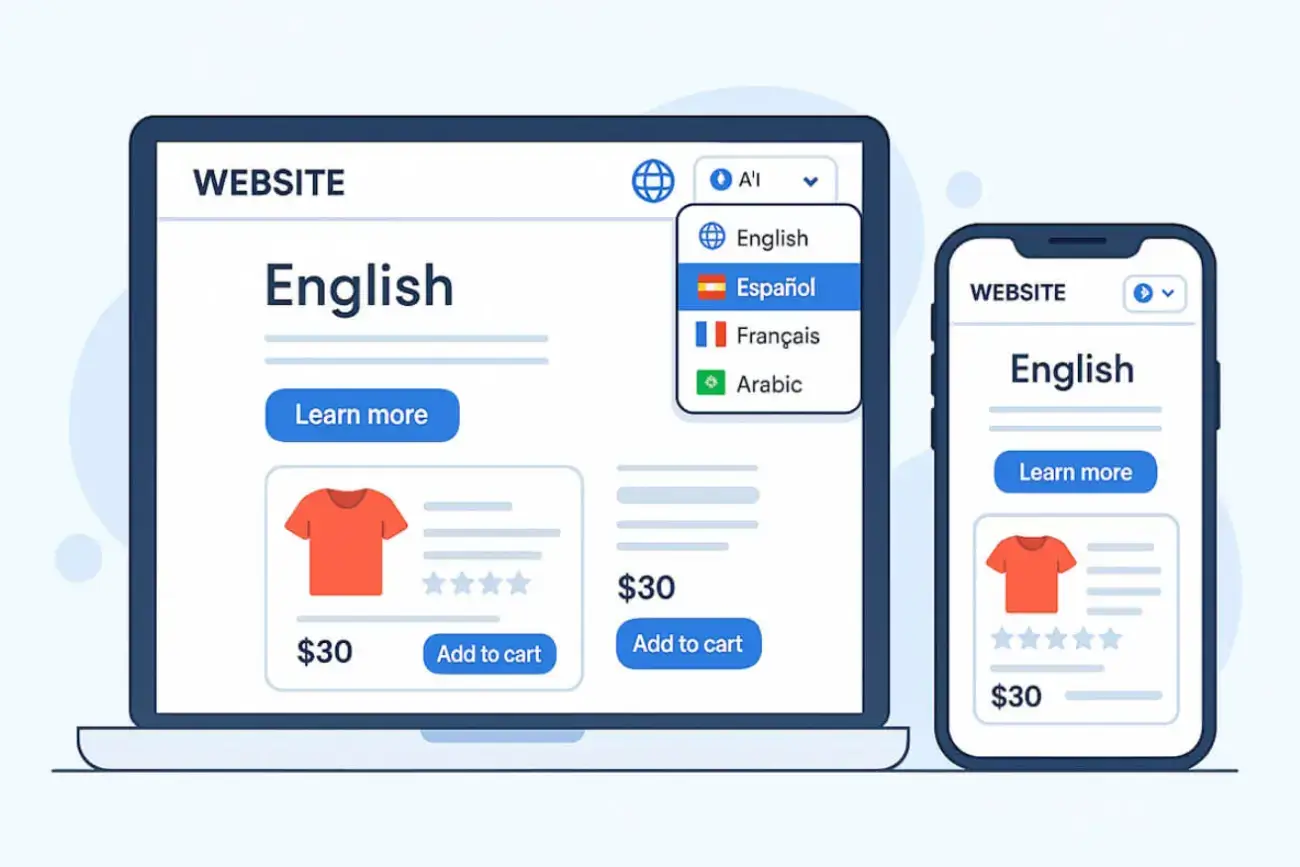
A shop in India may attract customers from all over the world. A bakery in Dubai may need Arabic and English sites. A travel business in Europe may cater to 8–10 languages.
In the past, translation required:
- Manual rewriting
- Multiple pages
- Expensive language experts
AI can now generate multilingual versions of websites instantly—while keeping layouts identical.
More languages = more customers = more sales.
11. Lower Cost, Higher Creativity
AI websites are cheaper to build and easier to upgrade.
Instead of redesigning everything every year, small businesses can ask AI:
- “Make the theme more modern.”
- “Add a holiday sale pop-up.”
- “Improve the hero section design.”
- “Make the site feel premium.”
AI applies upgrades automatically.
This is why website design trends for small business now include AI-powered layouts, adaptive typography, fluid animations, and personalized content sections.
Businesses that adopt these tools look modern—without ever hiring a designer.
12. Why Choosing the Right AI Tools Matters
In 2025, success online isn’t about having the most expensive developer. It’s about choosing the right tools to build website experiences that are fast, professional, and conversion-focused.
Small businesses embracing AI tools enjoy:
- Quicker launch
- Lower development cost
- Higher sales
- Better customer experience
- Professional brand perception
Entrepreneurs who wait will fall behind those who adopt instantly available AI web systems.
“AI is neither good nor evil. It’s a tool. It’s a technology for us to use.” - Oren Etzioni, AI Expert and Founder of TrueMedia
13. What the Future Looks Like
Source: ChatGPT
The next generation of AI website creation will go even further:
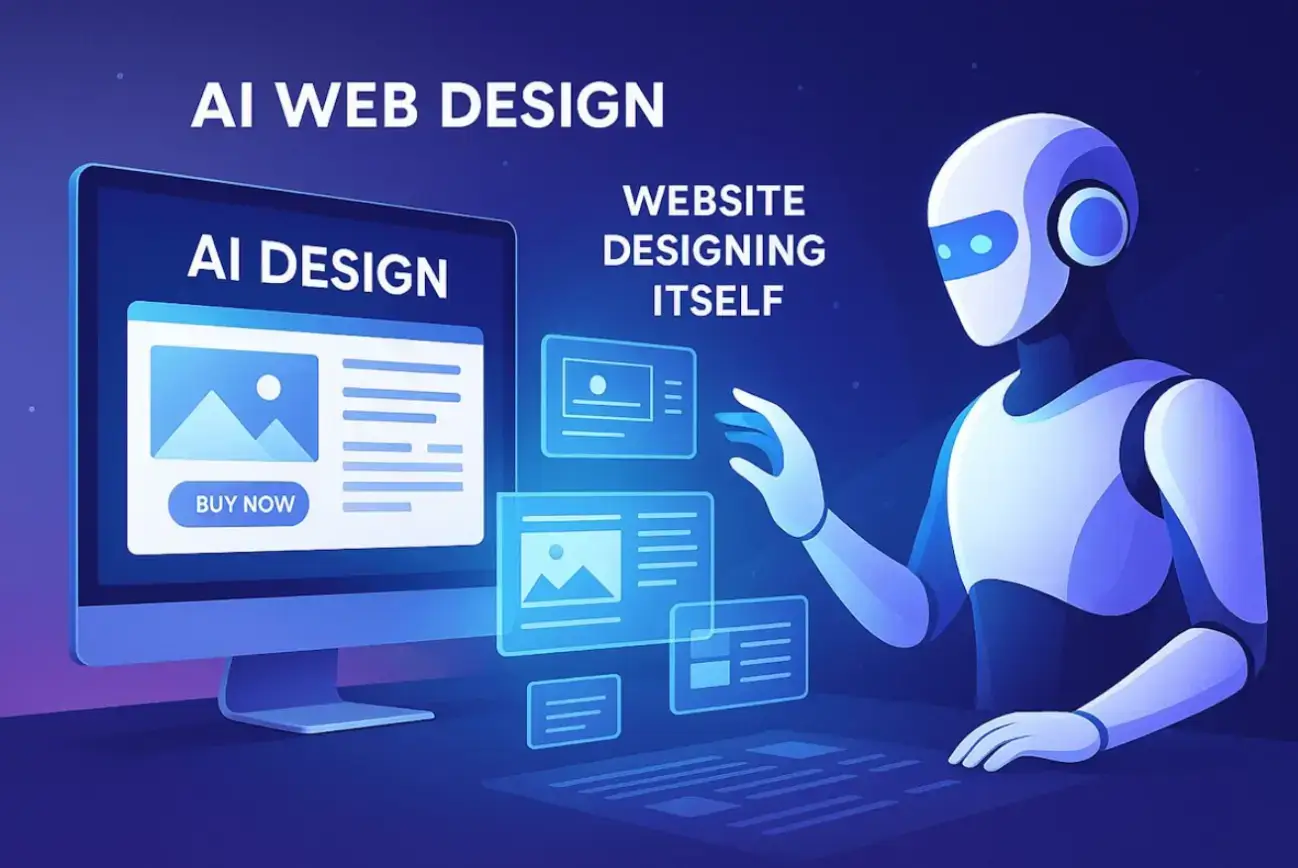
- Websites that design themselves based on business type
- AI that predicts market trends and updates content
- Dynamic pricing based on demand
- Websites that talk to customers through AI assistants
- Automated blogging and social media syncing
- AI-generated video content for product pages
The websites of 2025 will not be static. They will be living, learning, self-optimizing digital sales machines.
Final Thoughts
AI code generators are turning small business owners into digital creators. The technology is leveling the playing field—local shops, freelancers, and startups can now produce websites on par with enterprise brands.
The future of small business online presence is simple:
- No coding.
- No design stress.
- No long development wait.
- No dependency on expensive agencies.
AI gives small businesses the power to build, improve, and scale websites at record speed. Those who take advantage of these tools now will dominate their market in the coming years.
2025 is not just another step in web evolution—it’s the beginning of a new era where AI makes professional digital presence accessible to everyone.
FAQs
1. What is an AI code generator for websites?
An AI code generator is a tool that automatically writes website code, designs layouts, and adds features based on simple instructions. Instead of hiring a developer, you can describe the website you want, and AI builds it for you.
2. Can AI really build a professional website without coding?
Yes. Modern AI website builders can automatically generate responsive layouts, SEO-optimized structure, forms, e-commerce features, content sections, and branding elements. Even beginners can publish a clean, professional site within minutes.
3. Are AI-generated websites good for SEO?
Most AI tools now include built-in SEO features such as fast loading speed, metadata creation, mobile optimization, compressed images, and keyword suggestions — helping small businesses rank better on Google.
4. How much do AI website builders cost compared to hiring a developer?
Hiring a developer or agency can cost hundreds to thousands of dollars. AI website builders typically cost a low monthly fee, and many offer free plans — making them far more affordable for small businesses.
5. Can AI handle e-commerce features like payments and product pages?
Yes. AI can automatically create product listings, checkout pages, payment gateways, inventory sections, abandoned cart automation, and personalized product recommendations — making e-commerce setup fast and beginner-friendly.

Author Bio
I am a Business Growth Strategist at a Leading Software Development Company. Apart from building a long-lasting relationship with customers and boosting business revenue, I am also interested in sharing my knowledge of various technologies through successful blog posts and articles.